 30-Day Money Back Guarantee

Picture yourself stepping into the gym in 2025, ready to push your limits, but questioning whether a weight training belt is necessary and how to pick the right one. For many beginners, this decision can feel overwhelming. This guide will break down everything you need to know, from what a weight training belt actually does to the science behind its benefits and how to use it safely. You will discover how to choose the best belt for your needs, avoid common mistakes, and get expert answers to your most pressing questions. Let’s make your lifting journey safer and more effective from the very first rep.
Understanding Weight Training Belts: What They Are and Why They Matter
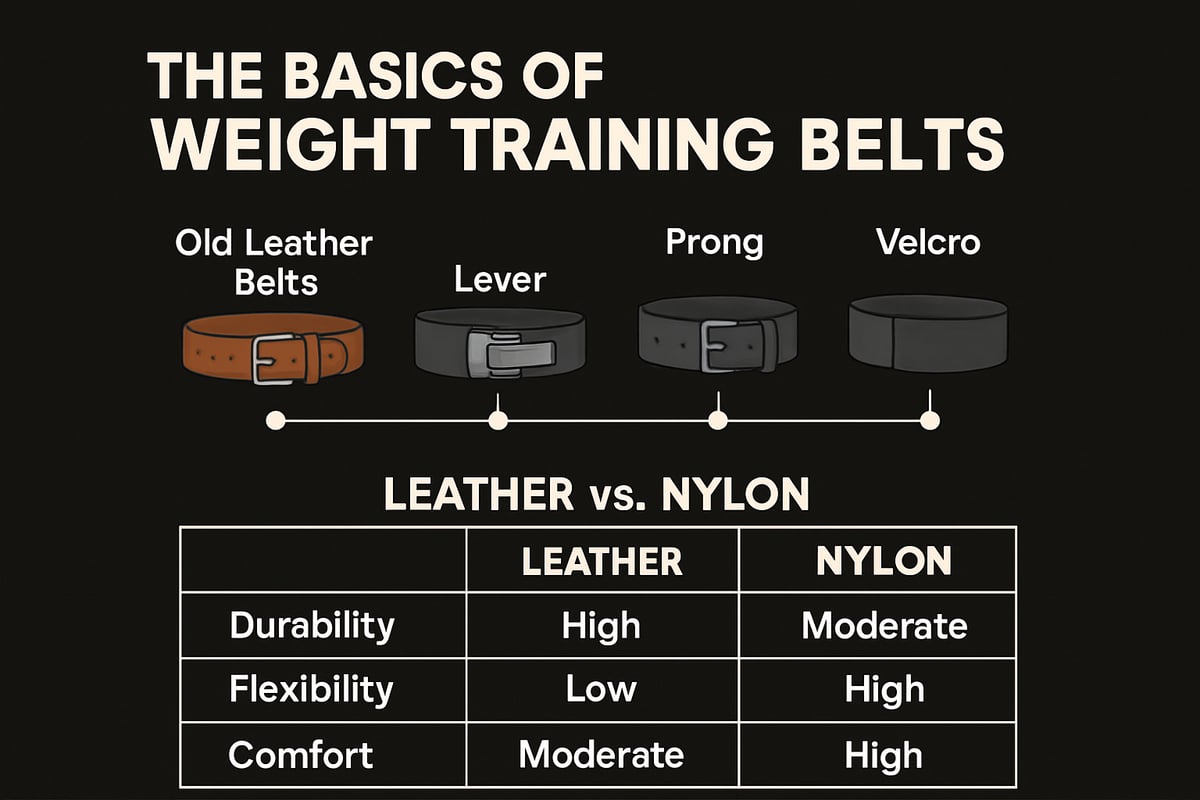
Stepping into the gym, you might spot lifters tightening a sturdy strap around their waist. That’s a weight training belt, an essential tool for many strength athletes. The main purpose of a weight training belt is to provide support to the lower back and core during heavy lifts. These belts have been used in powerlifting and Olympic lifting for decades, evolving from basic leather straps to specialized designs. Most belts are made from leather or nylon, each offering a unique feel. You’ll find lever, prong, and Velcro fastening options. The main difference between powerlifting and weightlifting belts lies in their width and rigidity—powerlifting belts are typically thicker and more supportive, while weightlifting versions are tapered for flexibility.
The Basics of Weight Training Belts
A weight training belt works by increasing intra-abdominal pressure, which stabilizes the spine and supports your core under heavy loads. When you brace against the belt, it acts like a supportive wall, helping you maintain proper posture. Scientific studies show that using a weight training belt can reduce spinal compression and lower the risk of injury during maximal lifts. For example, competitive lifters often rely on belts for squats and deadlifts to boost performance and safety. However, belts are most effective during heavy compound movements, not every gym session. For a deeper dive into the science and proper usage, check out this Benefits of Lifting Belts guide.
How Weight Training Belts Work: The Science Explained
For beginners, a weight training belt offers several benefits. It enhances safety during lifts like squats and deadlifts, providing a psychological boost by making you feel more secure. However, a weight training belt is not a substitute for good lifting technique or core development. Over-reliance can actually hinder progress if you skip core training. Studies indicate that injury rates drop significantly among belt users—one report found a 25% reduction in lower back injuries for regular belt wearers. Still, it’s important to use the weight training belt properly and not as a crutch.
Benefits and Limitations for Beginners
There are several myths about weight training belt use. Some believe a belt will weaken your core, but research shows that when used correctly, it does not reduce core strength. Another myth is that only advanced athletes need a weight training belt—beginners can benefit too, especially when learning to brace. Improper use, like wearing a belt for every exercise or relying on it for light sets, can lead to poor technique. Remember, you shouldn’t use a weight training belt for isolation exercises or as a replacement for learning proper form.
Common Myths and Misconceptions
Choosing the Right Weight Training Belt for Beginners
Choosing the right weight training belt as a beginner can feel overwhelming, but understanding the essential factors will help you make a confident decision. Your belt is more than just a piece of gear—it’s your foundation for safe progress. Let’s break down what matters most so you can find the perfect fit for your goals.
Key Factors to Consider Before Buying
Before purchasing a weight training belt, start by measuring your waist at the point where the belt will sit, not your pants size. A proper fit is crucial for both comfort and safety. If you need help, consult a reliable Weightlifting Belt Sizes Guide for step-by-step instructions.
Consider the material: leather belts offer great support and longevity, while nylon belts are lighter and more flexible. Fastening mechanisms include lever, single or double prong, and Velcro closures. Each has its pros and cons, especially for beginners. Thickness and width also matter—most beginners do well with a 10mm thick, 4-inch wide belt. Finally, set a budget that balances quality and durability for long-term use.
Types of Weight Training Belts: Pros & Cons
The three main types of weight training belt are lever, prong, and Velcro. Lever belts are easy to adjust and provide a secure fit, making them popular for powerlifting. Prong belts offer more adjustability and suit various body shapes. Velcro belts are lightweight and fast to put on or remove, ideal for CrossFit or general gym use.
| Type | Pros | Cons |
|---|---|---|
| Lever | Fast, secure, durable | Less adjustable, pricier |
| Prong | Versatile, adjustable, reliable | Slower to fasten, can wear out |
| Velcro | Lightweight, affordable, easy | Less support, wears quickly |
For most beginners, a prong or Velcro weight training belt is a great starting point due to comfort and value.
Top Features to Look For in 2025
In 2025, durability and robust stitching are essential features for any weight training belt. Comfort and flexibility matter too, especially for different body types. Many brands now offer customizable designs and a range of sizing options to suit every lifter.
Check for solid warranty policies and responsive customer support. Innovations like moisture-wicking liners, antimicrobial surfaces, and quick-release buckles are becoming more common. Seek out belts that blend classic reliability with modern updates to support your training journey.
Price Ranges and Value for Money
Weight training belt prices in 2025 range from entry-level options at $30–$50 to premium models upwards of $120. Entry belts often use nylon and Velcro, providing convenience for beginners, while premium leather models offer superior longevity and support.
Consider what you get for your investment: thicker materials, reinforced stitching, and warranty coverage add value. Many reputable brands provide satisfaction guarantees or free exchanges, giving beginners peace of mind. Evaluate your commitment and choose a belt that matches your training frequency and future goals.
Premium Beginner Belts from Katamu Co
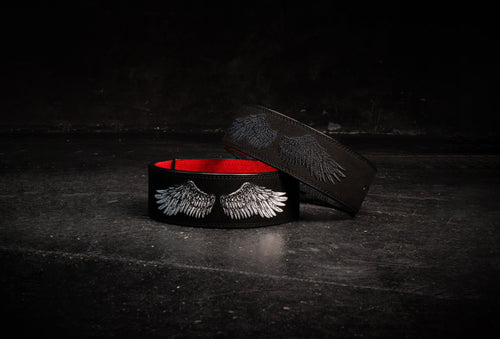
Katamu Co’s lever belts are crafted for beginners who want both style and reliable performance. Unique design options, including limited editions, let you express your personality in the gym. Their detailed sizing guide and fit guarantee ensure confidence from day one.
Every Katamu Co weight training belt comes with a 1-year manufacturing warranty and a bonus pair of wrist wraps. Trusted by over 50,000 lifters, Katamu Co also offers starter bundles tailored for new gymgoers. If you’re looking to start strong, their beginner packages deliver quality and peace of mind.
Step-by-Step: How to Use a Weight Training Belt Safely and Effectively
Getting the most out of your weight training belt starts by knowing when and how to use it. For beginners, learning proper technique and timing is just as essential as picking the right belt. The steps below offer a clear path to safer, stronger lifts, with tips tailored for new lifters.

When Should a Beginner Use a Belt?
A weight training belt is not for every set or every exercise. As a beginner, use the belt for compound lifts like squats and deadlifts, especially when lifting near your max or tackling weights above 60 to 80 percent of your one-rep max.
Save the belt for sets where you feel challenged or your core stability is tested. Overusing a weight training belt during warm-ups or light sets can limit your natural core development. Most beginners benefit from using a belt only for the heaviest two or three working sets each session.
Case studies show that lifters who introduce a weight training belt gradually see better progress and fewer injuries compared to those who use it every time.
How to Put On and Adjust Your Belt Properly
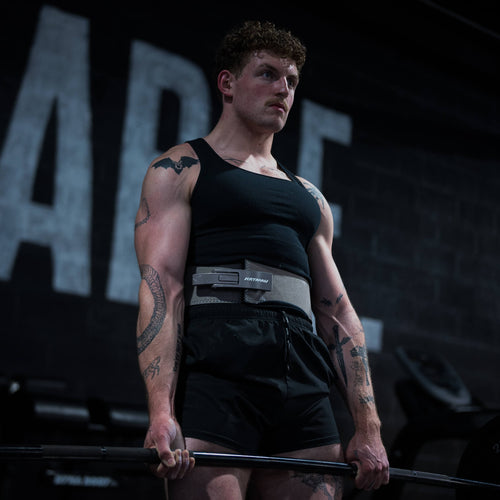
Getting the right fit is crucial. First, wrap the weight training belt around your midsection, centering it over your belly button. For squats, wear it slightly higher on your torso. For deadlifts, position it a bit lower for better hip movement.
The belt should feel snug but not painfully tight. You should be able to take a deep breath and brace your core without restriction. For lever and prong belts, ensure the buckle is secure and lies flat. With Velcro belts, check that the closure is fully attached.
Avoid common mistakes like wearing the belt too loose, too high, or too low. Adjust the fit before every heavy set, as your waist size can change with movement and breathing.
Bracing and Breathing Techniques for Belted Lifting
To unlock the full benefit of your weight training belt, master proper bracing and breathing. Start by taking a deep breath into your belly, not your chest. Push your abdominal wall out against the belt. This creates intra-abdominal pressure, which stabilizes your spine and helps prevent injury.
Studies confirm that this technique, when combined with a good weight training belt, enhances trunk stability and reduces spinal compression. For a deeper dive into the science, see how weightlifting belts increase intra-abdominal pressure.
Visualize expanding 360 degrees around your core, not just forward. Practice this bracing before each rep, using the belt as a tactile cue for proper form.
Progression: Incorporating the Belt Into Your Training
Begin by using your weight training belt on heavier sets, then track your performance. Alternate between beltless and belted sessions to strengthen your core while still gaining support when needed.
Record your reps, sets, and how you feel with and without the belt. Over time, you’ll notice increased confidence and improved lifts. Many beginners report breakthroughs in squat and deadlift numbers after introducing a weight training belt in a structured way.
Balance is key. Don’t abandon raw training entirely, as this helps maintain overall core strength and stability.
Safety Tips and Injury Prevention
Your weight training belt is a tool, not a crutch. Avoid using it as a substitute for learning proper form or technique. Watch for signs of discomfort, pinching, or skin irritation, which can signal poor fit or misuse.
If you experience pain or instability, stop and reassess your set-up. Consult a trainer or physical therapist if you’re unsure about your technique or belt placement. Statistics show that correct use of a weight training belt can reduce injury risk, but misuse may lead to overconfidence and form breakdown.
Always prioritize safety and listen to your body during every training session.
Troubleshooting Common Issues
Common challenges with a weight training belt include pinching, bruising, or difficulty breathing. If the belt pinches, try adjusting its height or loosening it slightly. For bruising, check the belt thickness and material, as softer edges can help.
If your belt slips during lifts, ensure it’s properly fastened and the material isn’t worn out. Difficulty breathing often means the belt is too tight or incorrectly positioned.
Replace your weight training belt if it shows signs of excessive wear or fails to provide stable support. Addressing these issues early keeps your lifting journey both safe and effective.
The Most Common Mistakes Beginners Make with Weight Training Belts
Many beginners walk into the gym, eager to use a weight training belt, but end up repeating the same avoidable mistakes. Understanding these pitfalls can help you get the most out of your belt, keep your training safe, and ensure you’re building strength the right way.
Overusing the Belt
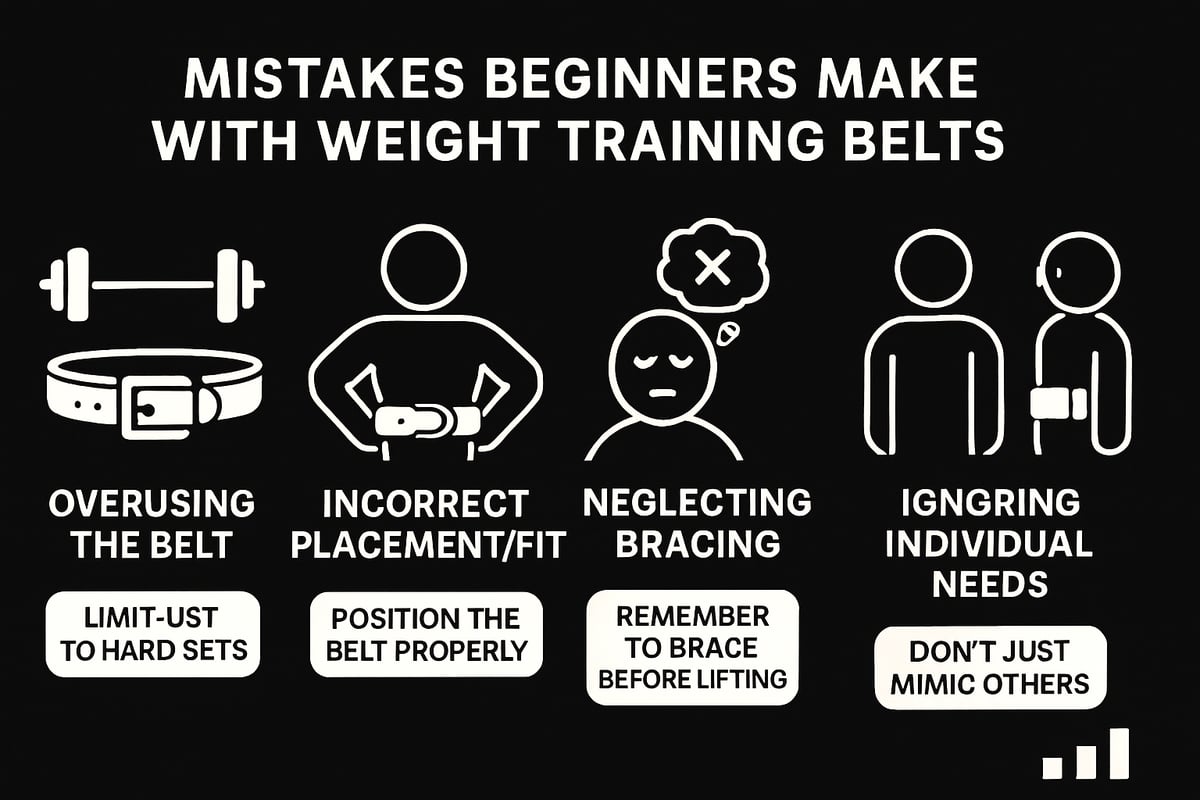
A top mistake is reaching for the weight training belt on every exercise, even when it’s not needed. While the belt can support your spine during heavy compound lifts, wearing it for all movements (like curls or warm-ups) may actually hinder your core development. Overuse can create a false sense of security and prevent your body from learning how to brace naturally.
To avoid this, reserve your weight training belt for lifts like squats, deadlifts, and overhead presses, especially when training at higher intensities. Alternate between belted and beltless sets to maintain a strong, functional core.
Incorrect Belt Placement and Fit
Wearing your weight training belt too high or too low on your torso is a recipe for discomfort and reduced effectiveness. A poor fit can also lead to pinching, bruising, or even slipping during lifts. Each lift may require a slightly different position: for squats, center the belt around your lower back and abdomen; for deadlifts, you might need it a bit higher.
Always ensure the belt is snug but not painfully tight. If you’re unsure, try different placements and consult a coach. Research on weightlifting belt usage patterns highlights that many gym-goers misuse their belts, missing out on proper support and comfort.
Neglecting Proper Bracing Technique
Relying solely on a weight training belt without learning to brace your core can increase your injury risk. The belt is a tool, not a replacement for good technique. Beginners often skip learning how to create intra-abdominal pressure, which is vital for spine protection.
Practice bracing drills without a belt first, then add the belt as you progress. Focus on breathing deeply into your belly, pushing out against the belt, and maintaining tension throughout the lift. Mastering this technique will help you lift heavier and more safely.
Ignoring Individual Needs and Goals
Copying advanced lifters or influencers without considering your own anatomy and goals is a common trap. Not every lifter needs the same type or size of weight training belt, and your reasons for using one may differ. Factors like torso length, mobility, and training style all play a role in what works best for you.
Take time to assess your needs, ask for professional guidance if unsure, and remember that your weight training belt should complement, not dictate, your training journey. Making informed choices will lead to better results and fewer setbacks.
Frequently Asked Questions About Weight Training Belts for Beginners
Starting with a weight training belt can feel confusing, but you are not alone. These beginner FAQs tackle the most common concerns, helping you build confidence and lift smarter. Let us clear up the essentials so you can train with safety and purpose.
Do I Need a Belt as a Complete Beginner?
Many beginners wonder if a weight training belt is necessary from day one. The answer depends on your current strength level, training goals, and the type of lifts you are performing. If you are focusing on learning technique with light to moderate loads, developing your core strength without a belt is often recommended.
However, once you start lifting heavier weights—typically above 1.5 times your bodyweight for squats or deadlifts—a weight training belt can enhance stability and reduce injury risk. Research on the efficacy of weight training aids supports the role of belts in performance and safety. For absolute beginners, prioritize learning proper form before introducing a belt.
How Tight Should My Belt Be?
Getting the right fit for your weight training belt is crucial for both comfort and effectiveness. Your belt should be snug enough to provide support, but not so tight that it restricts your breathing or movement. A good test is to take a deep breath into your belly—your belt should allow for this expansion, while still offering resistance.
If you notice pinching, bruising, or have trouble taking a full breath, the belt is likely too tight. On the other hand, if the belt shifts or rides up during lifts, it may be too loose. Adjust the tightness before each set, and remember that different lifts might require slight changes in belt position and fit.
Can I Use the Same Belt for All Lifts?
A common question is whether one weight training belt works for every lift. While many beginners use a single belt for all movements, certain lifts—like squats, deadlifts, and overhead presses—can benefit from different belt types or widths. For example, a wider, stiffer belt often provides more support for squats, while a slightly narrower or more flexible belt can be more comfortable for deadlifts.
Using the same belt is generally fine for most beginners, as long as it fits well and suits your training style. For a deeper dive into how belts compare to other accessories, check out Deadlift Straps vs. Belts. As you progress, you may choose to invest in specialized belts for specific lifts.
How Do I Care for and Maintain My Belt?
Proper care will ensure your weight training belt lasts for years. Always wipe your belt down after workouts to remove sweat and bacteria. For leather belts, use a leather conditioner occasionally to keep the material supple. Nylon belts can be spot-cleaned with mild soap and water.
Store your belt flat or hung up in a dry area to prevent warping or odor buildup. Inspect the stitching and fasteners regularly for wear, and replace the belt if you see significant damage. For details on beginner-friendly belt features and warranties, explore Graduation Lifting Belt Features. A well-maintained belt will support your lifting journey safely.
Future Trends: The Evolution of Weight Training Belts in 2025
Step into 2025 and the world of the weight training belt looks more innovative than ever. Technology, sustainability, and personalization are redefining what lifters expect from their gear. Let’s explore the trends shaping the next generation of weight training belt for beginners and seasoned athletes alike.
Technological Innovations in Belt Design
The classic weight training belt has seen a high-tech makeover in 2025. Smart belts with integrated sensors are entering the market, tracking core pressure, posture, and even counting reps during heavy lifts. These smart features provide instant feedback, helping users adjust technique in real time.
New materials are also pushing boundaries. Brands are experimenting with advanced composites that offer the support of leather but the flexibility and lightness of nylon. This means your weight training belt can now match your training style, whether you’re powerlifting or focusing on functional fitness.
Eco-friendly options are rising with belts made from recycled fibers and plant-based leathers. This innovation not only helps the environment but also offers more comfortable and breathable gear for lifters.
Customization and Personalization
Personalization is a major driver for the 2025 weight training belt market. Custom sizing ensures a precise fit, which is crucial for both safety and performance. Many companies now offer online tools to guide you through measuring and selecting your ideal belt dimensions.
Design options have expanded too. Lifters can pick from limited edition colors, embroidered names, or even motivational quotes. Community collaborations with athletes and influencers bring unique collections, making your weight training belt a statement piece in the gym.
For beginners, these personalized touches can boost motivation and commitment. Knowing your belt is truly yours adds a sense of ownership to your lifting journey.
Data-Driven Training and Belt Use
The fusion of data and the weight training belt is transforming how beginners and pros approach their workouts. Integrated apps now sync with smart belts, tracking metrics like bracing pressure, set durations, and recovery times. These insights allow lifters to fine-tune technique and reduce injury risk.
For example, recent studies, such as those examining weightlifting belts and deadlift performance, show how data can guide safer, more effective training. Beginners can use this information to decide when and how to use a weight training belt for optimal results.
As technology advances, expect even deeper integration with fitness trackers, video analysis, and real-time coaching.
Sustainability and Ethical Manufacturing
Sustainability is no longer a side note in the weight training belt industry. Many brands now use recycled or plant-based materials, setting new standards for eco-friendly production. Transparent sourcing and ethical labor practices are also becoming industry norms.
Consumers are demanding more from their gear, and companies are responding with belts that have a lower carbon footprint but still deliver durability and performance. This shift is helping beginners make choices that align with their values.
Look for certifications or clear sourcing information when choosing your next weight training belt in 2025.
Community and Brand Influence
Social media and lifting communities have a major impact on weight training belt trends. Influencers and coaches share reviews, tutorials, and even belt giveaways, helping beginners feel connected and informed.
Brands are building supportive networks for new lifters, offering starter bundles, online forums, and expert Q&A sessions. This sense of community helps beginners stay motivated and make smarter choices about their weight training belt.
Expect more interactive features and user-driven content from leading companies in the coming year.
What to Look for in the Next-Gen Belt
Choosing a weight training belt in 2025 means looking for more than just basic support. Key features to watch include:
- Smart sensors for feedback and safety
- Eco-friendly materials and ethical manufacturing
- Custom sizing and design options
- Integration with fitness tracking apps
- Strong community support and warranties
By staying informed about these trends, beginners can future-proof their investment and get the most from every training session. The right weight training belt is more advanced, personal, and sustainable than ever before.
Now that you know how a quality weight training belt can boost your safety and confidence, it’s time to put that knowledge to work. Whether you’re just starting out or looking to upgrade your gym gear for 2025, choosing the right belt can make all the difference in your progress and comfort. At Katamu, we offer durable lever belts with unique designs—perfect for everyday lifters who want gear that lasts and stands out. Ready to support your next PR and protect your back for years to come
Secure your belt


