 30-Day Money Back Guarantee


A lifting belt is not just a strip around your waist. When the bar gets heavy, its material shapes how the belt moves, braces, breaks in, and holds up through repeated sessions. The right lifting belt materials can make your setup feel locked in. The wrong one can feel stiff in the wrong places, dig into your ribs, or lose its structure before your training does.
For serious lifters, the choice usually comes down to leather or nylon. But construction, finish, padding, and hardware all affect the final feel. Choose based on how you train, not what happens to look toughest in a product photo.
Why Lifting Belt Materials Matter Under Load
A belt does not create a brace for you. It gives your torso something firm to push against as you build pressure through your midsection. That means the material needs to offer enough resistance to feel supportive while still sitting securely around your body.
Material changes that equation. A stiffer belt generally provides a more rigid surface to brace into. A more flexible belt follows your movement more easily and may feel better during dynamic training, but it can offer a less planted sensation under maximal barbell work.
There is no universal winner. A powerlifter who wants repeatable tension for squat and deadlift attempts may prefer a different feel than a bodybuilder moving from heavy rows to machine work, or a functional athlete training cleans, carries, and conditioning in the same hour.
Leather Lifting Belts: Built for Heavy Training
Leather is the classic choice for lifters who want a firm, substantial belt with a long service life. Quality leather has natural density and a structured feel that makes it especially appealing for heavy squats, deadlifts, overhead pressing, and other barbell-focused work.
A leather belt typically becomes more personal over time. At first, it can feel stiff and demanding. After enough sessions, it begins to conform to your torso, creating a broken-in fit that many experienced lifters refuse to give up. That break-in period is part of the deal. If you expect a soft, effortless feel on day one, leather may test your patience.
Leather’s biggest strengths
The main advantage is stability. A firm leather belt gives you a consistent wall to brace against, particularly when your training calls for hard, deliberate reps. It also tends to maintain its shape well when it is properly cared for, making it a strong choice for athletes who train heavy week after week.
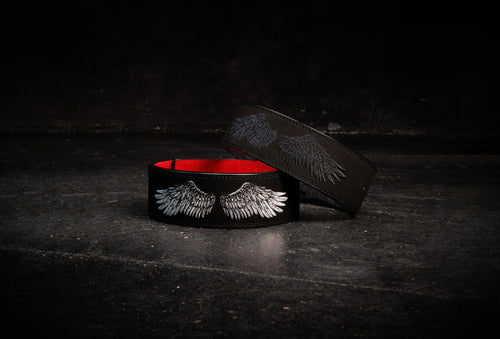
Leather also brings a premium visual presence. It looks at home with serious strength gear and holds up as part of a training identity, not just another accessory tossed into the bottom of a gym bag.
Where leather can feel limiting
The same rigidity that makes leather powerful for heavy lifts can make it less comfortable for high-rep circuits, deep hip flexion, or workouts with a lot of twisting and fast transitions. A new belt may also pinch slightly until it has adapted to your body.
Leather needs basic respect. Do not leave it soaked in sweat, crushed under loaded equipment, or folded tightly for long periods. Let it air out after hard sessions and store it flat or hanging when possible. A belt built for pressure should not be treated like an afterthought.
Nylon Lifting Belts: Flexible, Fast, and Versatile
Nylon belts are built for a different training rhythm. They are typically lighter, more flexible, and easier to adjust quickly than traditional leather belts. For athletes whose sessions include a mix of barbell work, accessory training, carries, and conditioning, that versatility matters.
Instead of needing time to break in, nylon generally feels comfortable from the start. It moves with your torso and is easier to pack, making it a practical option if you train before class, after work, or wherever your day takes you.
Nylon is not automatically less serious. It simply delivers support differently. A well-designed nylon belt can provide useful compression and confidence during working sets, especially when you want support without feeling boxed in.
The trade-off with nylon
Compared with a stiff leather belt, nylon often has more give. Some lifters like that because it feels less restrictive. Others feel that it does not create the same solid platform when the load reaches the edge of their strength.
The closure system matters heavily here. A secure fastening system helps a nylon belt stay tight when you brace, while a weak or poorly positioned closure can make the belt shift during a set. If you choose nylon, pay attention to whether the belt stays planted through your hardest reps, not just whether it feels comfortable standing still.
Other Lifting Belt Materials and Construction Details
Leather and nylon lead the conversation, but several design details influence how a belt performs. These are not minor details. They determine whether a belt feels like precision equipment or a distraction between sets.
Suede and textured linings
Some leather belts use a suede-like or textured inner surface. The goal is grip. A grippier lining can help reduce sliding against clothing, especially when you create strong pressure during a squat or deadlift.
The trade-off is maintenance. Textured materials can hold more chalk, sweat, and lint than smooth surfaces. That does not make them a bad choice. It simply means the belt needs occasional brushing or wiping to keep it looking sharp and feeling clean.
Padding and softer interiors
Padding can make a belt more comfortable, especially for lifters who find firm edges irritating around the ribs or hips. But more cushioning does not always mean better performance. Too much softness can reduce the direct, stable feeling some athletes want for heavy barbell work.
Think about your own tolerance for pressure. If you train with a hard brace and prefer maximum feedback, a cleaner, firmer build may suit you. If comfort helps you stay consistent through longer sessions, a slightly softer interior can be a smart move.
Synthetic leather
Synthetic leather can deliver a leather-inspired look with a different feel and maintenance profile. Its quality can vary widely, so the real question is how well the material and construction hold their shape through use.
For occasional lifting, it may be enough. For athletes building their training around progressively heavier work, durable construction should take priority over surface appearance alone. Your belt will see friction, compression, sweat, and repeated tightening. Choose accordingly.
Match the Material to Your Training Style
Start with the lifts that define your week. If your training revolves around heavy squats, deadlifts, and pressing, a stiff leather belt is often the move. It rewards a deliberate bracing style and gives you a consistent, anchored feel under serious load.
If your sessions are more varied, nylon can be the better daily tool. It is easier to wear across multiple movements and less likely to feel like an obstacle when your workout includes exercises beyond the barbell.
Bodybuilders often land somewhere in the middle. Heavy compounds may call for the structure of leather, while higher-volume sessions can favor the comfort and mobility of nylon. There is no rule saying one belt must cover every training demand. Different tools exist because different training days ask different things from you.
Your build matters too. Lifters with shorter torsos may find a very rigid, wide belt uncomfortable during deep positions. Lifters with more room between their ribs and hips may welcome the extra surface area. The best material is only useful if the belt actually fits your body and lets you brace without distraction.
Don’t Ignore Buckles, Closures, and Wear Points
Material gets most of the attention, but the closure determines how that material performs around your waist. Lever-style closures are popular with lifters who want fast, repeatable tightness. Prong closures offer more incremental adjustment, which can be useful when your belt tension changes based on the lift, your meal timing, or how much your torso expands during a session.
Check the areas that take the most abuse: holes, stitching, edges, fastening hardware, and the point where the closure meets the belt. A great material cannot compensate for weak finishing. The belt should feel intentional from end to end.
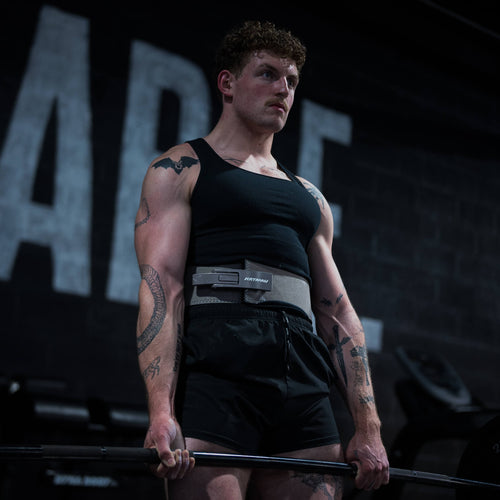
This is where premium gear earns its place. Katamu lifting belts are made for athletes who want their equipment to match the standard they bring to training: focused, durable, and built to show up when the weight gets real.
Care That Keeps Your Belt Training-Ready
Your belt does not need a complicated ritual, but it should not live permanently in a damp gym bag. Wipe off excess sweat, allow it to dry in open air, and avoid exposing leather to extreme heat. Keep nylon belts clean and dry, especially around the fastening area where debris can affect grip and adjustment.
Do not force a belt to break in by bending it aggressively or soaking it. Wear it during controlled training, let it adapt naturally, and give the material time to settle into your movement patterns.
The best belt material is the one you trust enough to wear when the set matters. Choose the feel that lets you brace hard, move with purpose, and keep your attention where it belongs: on the next rep.
