 30-Day Money Back Guarantee

The right strength kit essentials list is not a pile of accessories bought for the gym bag photo. It is a purpose-built setup for the days when the bar gets heavy, your grip starts to fade, and your focus has to stay locked in. Every piece should solve a real problem: create support, protect a pressure point, improve your connection to the bar, or keep you comfortable through hard work.
That does not mean every lifter needs every accessory on day one. Your training style, current strength, injury history, and preferred lifts all matter. Build the kit around what you actually train, then choose gear made to take repeated sessions without looking or feeling disposable.
Strength Kit Essentials List: Start With Support
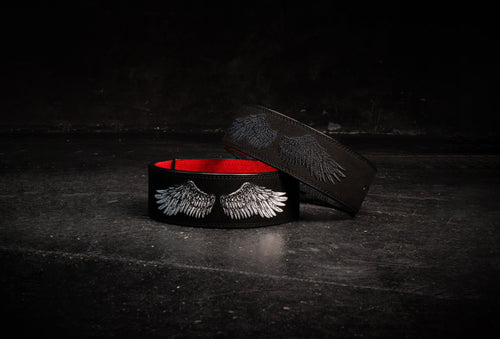
A lifting belt is the center of a serious strength kit for lifters who squat, deadlift, or press with meaningful load. It does not replace bracing technique. It gives your core something firmer to brace against, helping you create more stable intra-abdominal pressure when the set demands it.
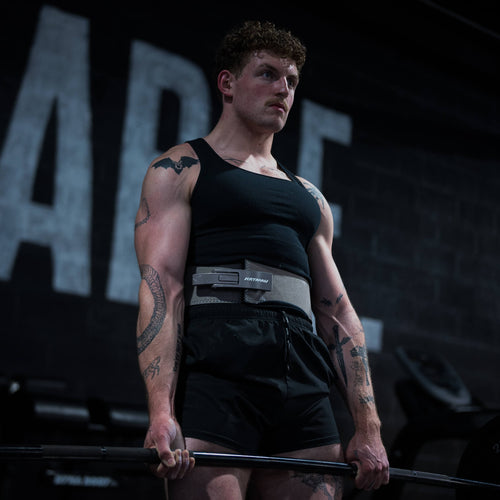
For heavy, consistent work, a lever belt is a strong choice. It delivers a secure, repeatable fit without fighting with a prong between sets. The trade-off is simple: lever belts are built for consistency, so they are less convenient if your waist measurement fluctuates heavily from cut to bulk. A prong belt can offer more adjustment, but a quality lever setup is hard to beat when you know where you want your belt set.
Use a belt for your top working sets, not as a substitute for learning how to breathe and brace. If you are new to lifting, spend time building that skill first. If you already know how to create tension under a bar, a belt becomes a tool that helps you attack heavier training with more confidence.
Protect the Joints That Take the Load
Knee sleeves and wrist wraps earn their place because they address two areas that often absorb a lot of stress during strength training. They are not magic armor, and they should not be used to push through sharp pain. They are reliable support tools for lifters who want warmth, compression, and a more secure feeling under load.
Knee sleeves for squat days and lower-body volume
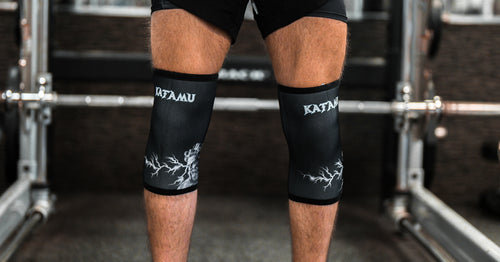
Knee sleeves provide compression and warmth around the joint. Many lifters like the stable, ready-to-train feel they bring before squats, lunges, leg presses, or high-volume lower-body work. They can also help you stay mentally dialed in when your knees tend to feel stiff at the beginning of a session.
Fit matters more than hype. A sleeve that slides down or bunches behind the knee will become a distraction. A sleeve that is too restrictive can make setup and movement uncomfortable. Choose the fit based on your training goal: a snug, supportive feel for serious squat sessions or a slightly more flexible feel if you wear them through broader lower-body training.
Wrist wraps for pressing and front-rack work
Wrist wraps give your wrists added structure during bench press, overhead press, dips, front squats, and other movements that place the wrist in an extended position. The goal is not to immobilize your wrist. It is to create a stable platform so force moves where it needs to go.
Wrap tension is personal. Tighter wraps generally feel more supportive on heavy singles and low-rep pressing, while a moderate wrap may be more comfortable for volume work. Learn to put them on consistently and place them close enough to the wrist joint to provide actual support. Worn too far down the hand, they become more style than function.
Build a Better Connection to the Bar
Your legs and back may be ready for the set. Your hands do not always get the memo. That is where lifting straps become essential, especially for high-rep pulling, rows, Romanian deadlifts, shrugs, and back-focused training blocks.
Straps are not cheating. They are a way to keep grip from ending a set before the target muscles have done enough work. If your program includes dedicated grip work or your sport requires raw pulling strength, train without straps sometimes. But when the goal is to load your posterior chain or back hard, straps let you stay on task.
They should not be your first purchase if you mostly bench and squat, but they become high value fast for bodybuilding-focused lifters and anyone whose deadlift volume is outpacing their grip endurance. A durable pair with a comfortable contact surface is worth more than a thin pair that twists, cuts into the wrist, or frays after a few weeks.
Do Not Treat Apparel Like an Afterthought
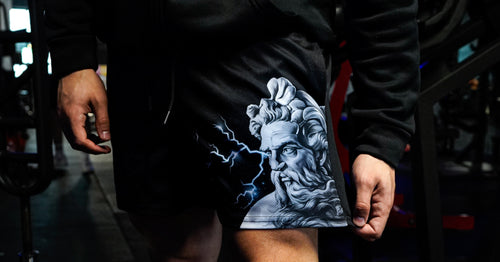
A strength kit also needs training apparel that can survive movement, sweat, and repeat wear. The right compression shirt can give you a close, athletic fit without becoming restrictive during presses, pulls, or arm work. Training shorts should move with deep squats and leg extensions without riding up, pulling at the seams, or forcing you to adjust between sets.
This is where performance and identity meet. You do not need to look generic to train seriously. Gear with a sharper silhouette and a design that reflects your standards can change how you show up to the session. That is not vanity. Training is a discipline, and the equipment you choose becomes part of the ritual.
A hoodie is equally useful when the gym runs cold, you need to stay warm between working sets, or you are heading from class or work straight into training. Prioritize pieces that layer cleanly, retain their shape, and still look right after repeated washes. A gym bag finishes the system by keeping belts, sleeves, wraps, straps, shoes, and apparel in one place instead of scattered across your car.
Buy in the Order Your Training Demands
If budget matters, do not force a full build all at once. Start with the item that fixes the clearest bottleneck in your current training. For most strength-focused lifters, that means a belt. Add knee sleeves if squat comfort and lower-body sessions are a priority, wrist wraps if pressing is your main focus, and straps if pulling volume is limiting your back work.
A practical order looks like this:
- Belt for bracing during heavy compound lifts
- Knee sleeves for consistent lower-body support
- Wrist wraps for pressing stability
- Lifting straps for demanding pull sessions
- Training apparel and a gym bag for comfort, organization, and repeatable routines
What Separates Premium Gear From Disposable Gear
Cheap lifting gear often fails in predictable ways: stitching gives out, sleeves lose their shape, straps become rough, belts feel inconsistent, and apparel stops fitting after a few washes. That cycle costs more than buying equipment built for repeat use.
Look for materials that feel substantial, construction that holds up around stress points, and fit options that match your body and training style. A premium kit should feel dependable before the first warm-up and still perform after months of heavy sessions. It should also look like it belongs to someone who trains with purpose.
Katamu strength kits bring the core pieces together for lifters who want performance support without sacrificing a distinct training look. The best setup is still the one you will use consistently, so choose gear that fits your work, your standards, and the version of yourself that shows up when the weight gets serious.
Build your kit one intentional piece at a time. Then let it earn its place every time you step under the bar.
