 30-Day Money Back Guarantee

Are you tired of stalled progress and nagging back pain in the gym? The right belt can be the difference between a risky lift and a new personal best. In 2025, the best weight training belt is more than just support, it’s a must-have tool for lifters at every level.
This guide uncovers the 9 essential picks for this year, showing you what makes a belt great, how to choose one, and the pros and cons of each. Explore the latest designs, innovative materials, and real-world advice to help you crush your goals safely and confidently.
Why a Quality Weight Training Belt Matters in 2025
Choosing the best weight training belt is more than a personal preference. In 2025, lifters at every level are rethinking how a quality belt can change their performance, safety, and confidence in the gym. Let’s break down why these belts are a staple in every serious strength routine.
The Role of Belts in Modern Strength Training
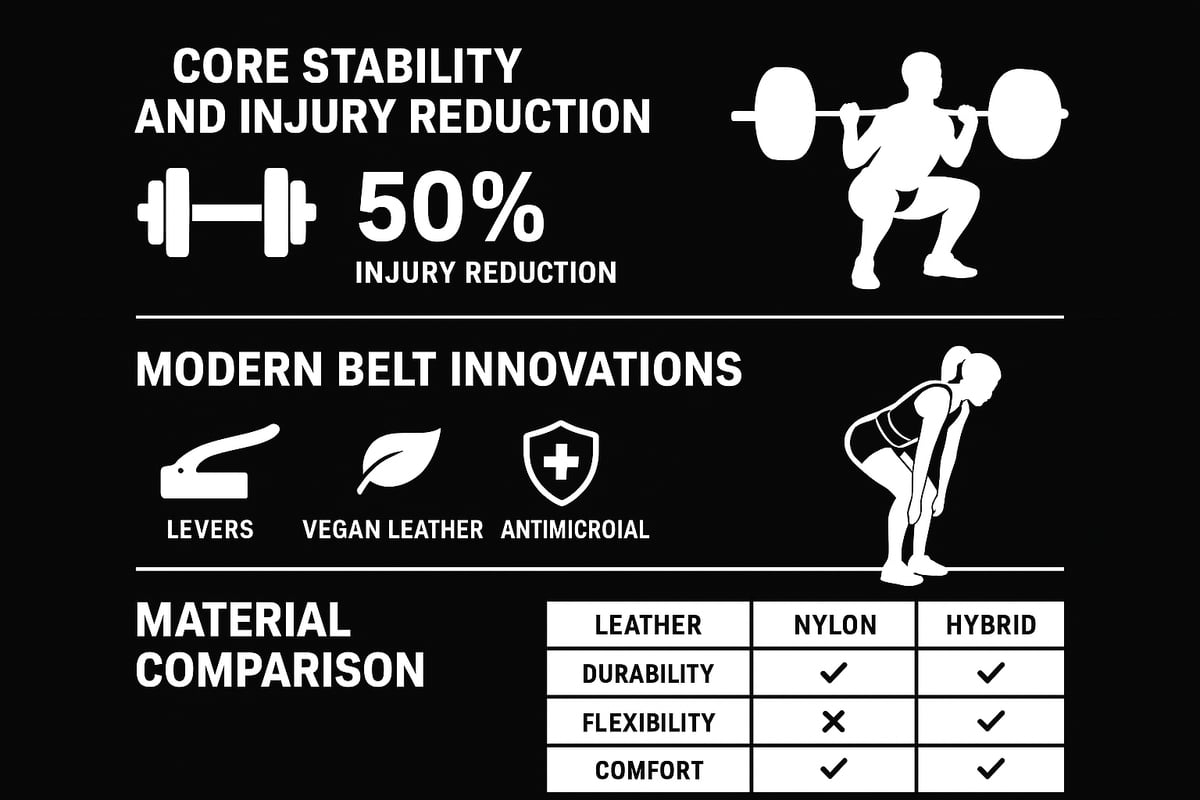
A best weight training belt is not just for show. Its primary job is to increase core stability, which helps lifters brace their abdominal muscles and protect the lower back during heavy squats, deadlifts, and Olympic lifts. This support dramatically reduces the risk of injury, especially spinal compression. In fact, research from the National Strength and Conditioning Association (NSCA) shows that lifters using a belt with proper technique can see up to a 50% reduction in spinal compression injuries.
For powerlifters, bodybuilders, and CrossFit athletes, the best weight training belt is essential. Top competitors like elite powerlifters and Olympic athletes rely on their belts for both safety and performance. Want to go deeper into how belts actually work? Check out this deep dive into lifting belts for expert insights and real-world examples. The right belt can be the difference between a new personal record and a painful setback.
Key Innovations in Weight Training Belts
The best weight training belt in 2025 is all about new technology and design. Brands are introducing advanced lever mechanisms for faster, one-handed adjustments. Materials have evolved too, with eco-friendly vegan leather, antimicrobial linings, and reinforced stitching becoming the new norm. Quick-release buckles and custom fit options are trending, giving lifters more control and comfort than ever.
Major brands are responding to user feedback by updating their designs for durability and style. For example, some belts now feature vibrant colors and patterns, while others focus on minimalism and sleek profiles. These innovations mean you can find a best weight training belt that fits your training style, matches your personality, and stands up to years of tough workouts.
What to Look for in the Best Weight Training Belt
When comparing belts, material is the first decision. Leather belts offer maximum support and a classic feel, but require a break-in period. Nylon belts are lighter, more flexible, and ideal for dynamic movements like CrossFit. Hybrid options blend the best of both worlds.
Consider width and thickness—powerlifters often prefer a 10mm or 13mm leather belt, while general fitness users might favor a 4-inch nylon belt. Sizing and adjustability are crucial for a secure fit. Look for belts with certifications from federations like IPF or USPA, especially if you compete.
Price ranges from $30 for entry-level nylon models to $200+ for premium leather options. Always check user reviews, warranty terms, and expected lifespan before choosing the best weight training belt for your needs. A reliable belt is an investment in both safety and long-term gains.
9 Essential Best Weight Training Belt Picks for 2025
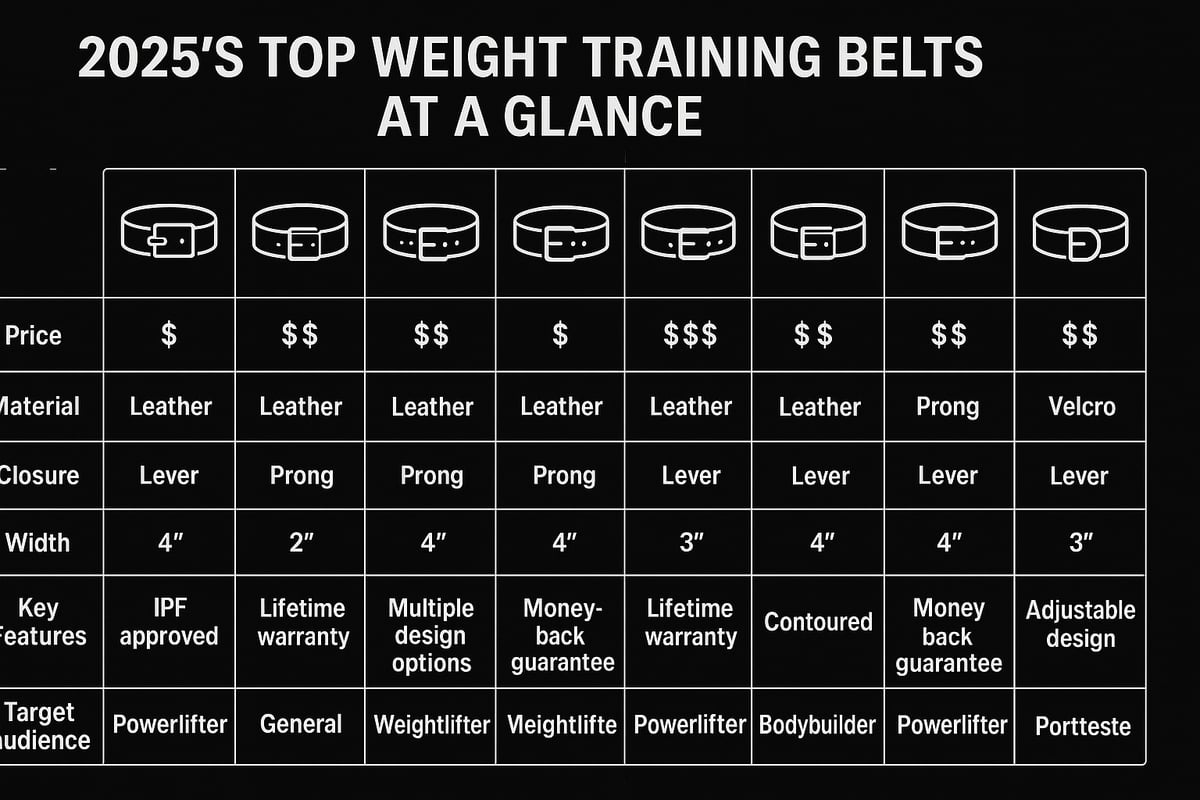
Choosing the best weight training belt is crucial for both beginners and seasoned lifters. In 2025, the market is filled with innovative options that cater to every lifting style and preference. Let’s break down the top nine picks, highlighting what makes each stand out, so you can confidently select the best weight training belt for your goals.
Katamu Premium Lever Belt
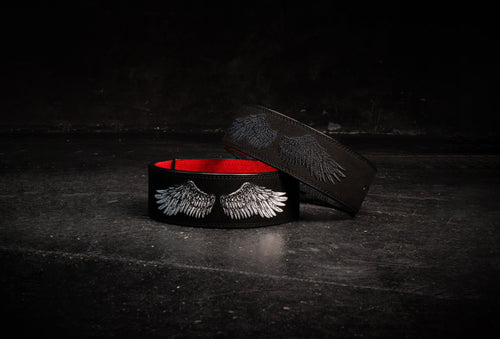
The Katamu Premium Lever Belt is a top contender for those seeking the best weight training belt that merges style with robust construction. Priced between $89 and $119, this belt features premium leather, a heavy-duty lever, and reinforced stitching. The available cool designs make it a favorite for gymgoers who want both performance and aesthetics.
Key Features Table:
| Feature | Details |
|---|---|
| Material | Premium Leather |
| Closure | Heavy-Duty Lever |
| Width | 10mm |
| Design Options | Multiple Colors |
| Warranty | Manufacturer’s |
The Katamu belt delivers long-lasting support and quick adjustments, making it suitable for both average lifters and competitive athletes. Its durable materials ensure years of reliable use, while the lever mechanism allows for fast, secure fitting.
Pros include its unique styles, comfort, and sturdy support. However, the lever system is less ideal for Olympic lifts that require more flexibility.
The unique selling point is its blend of standout design and premium quality, rarely seen at this price point. If you want to explore more options, check out the full weightlifting belt collections for inspiration on the best weight training belt for your needs.
Rogue Ohio Lifting Belt
The Rogue Ohio Lifting Belt remains a staple for those looking for the best weight training belt in the powerlifting world. With a price tag around $140, this belt is crafted from 10mm vegetable-tanned leather and features a single prong closure, all handcrafted in the USA.
Benefits and Features:
- Excellent support and fast break-in.
- IPF approval for competition use.
- Durable build trusted by pros.
- Comfortable for long sessions.
It’s designed for powerlifters, CrossFitters, and general strength athletes who prioritize support and reliability. The main cons are its initial stiffness and higher price, but these are outweighed by its long-term durability.
What sets it apart is the handcrafted quality and competitive approval, making it a go-to for anyone seeking the best weight training belt for serious lifting.
Gymreapers Quick-Locking Nylon Belt
For versatility and value, the Gymreapers Quick-Locking Nylon Belt is a leading choice among the best weight training belt options. At $34.99, it offers a lightweight nylon construction with a quick-locking buckle and contour fit.
Core Features Table:
| Feature | Details |
|---|---|
| Material | Nylon |
| Closure | Quick-Locking |
| Weight | Lightweight |
| Fit | Contoured |
This belt is ideal for CrossFit, HIIT, and Olympic lifts, where fast transitions and flexibility are key. It’s affordable, easy to adjust, and perfect for athletes who prioritize agility.
The only downside is its less rigid support for max powerlifting, but for functional fitness and beginners, it excels.
The unique selling point is its best-in-class performance for dynamic workouts, making it a standout among the best weight training belt options for 2025.
SBD 13mm Lever Belt
The SBD 13mm Lever Belt is the ultimate pick for competitive lifters seeking the best weight training belt for maximum support. Priced at $265, it features 13mm English leather, a patented lever, and IPF approval.
Top Benefits:
- Unmatched support for heavy lifts.
- Precise, customizable fit.
- Legal for competitions.
This belt is tailored for advanced and competitive powerlifters who need the stiffest, most reliable support. While the high price and weight may deter casual users, its craftsmanship and functionality justify the investment.
Its unique selling point is elite-level support and meticulous craftsmanship, making it the best weight training belt for those chasing records.
Dark Iron Fitness Genuine Leather Belt
If comfort and value are your top priorities, the Dark Iron Fitness Genuine Leather Belt is a leading contender for the best weight training belt. At just $49.99, it offers soft, genuine leather with double stitching and a 4-inch width.
Features List:
- Flexible and comfortable for daily use.
- Lifetime warranty for peace of mind.
- Affordable and beginner-friendly.
This belt is best suited for recreational lifters and beginners who want a reliable, comfortable option. It isn’t IPF/USAPL approved and is less rigid for max lifts, but its everyday usability and comfort are hard to beat.
The unique selling point is its combination of affordability, comfort, and a lifetime guarantee, making it a top choice for the best weight training belt for daily training.
Inzer Forever Lever Belt
The Inzer Forever Lever Belt is legendary among strength athletes pursuing the best weight training belt for serious lifting. Priced from $129.95 to $159.95, it comes in 10mm or 13mm thickness, features a lever closure, and is available in multiple colors.
Key Aspects Table:
| Feature | Details |
|---|---|
| Thickness | 10mm or 13mm |
| Closure | Lever |
| Warranty | Lifetime |
| Colors | Multiple Options |
Known for its durability and trusted performance in competitions, this belt is ideal for powerlifters and strongman competitors. Pros include a lifetime warranty, customizable thickness, and competition legality.
Cons are the required break-in period and the need for a screwdriver to adjust the lever. Its unique selling point is being the classic best weight training belt trusted by elite athletes.
Element 26 Self-Locking Weightlifting Belt
For those in mixed training and competitions, the Element 26 Self-Locking Weightlifting Belt is an excellent best weight training belt option. At $34.97, it features a self-locking buckle, nylon construction, and uniform width for consistent support.
Key Benefits:
- Secure fit with easy release.
- Lightweight and competition legal.
- Quick on/off for fast-paced workouts.
Targeted at CrossFit, Olympic lifters, and functional fitness enthusiasts, this belt is affordable, legal for competition, and highly practical. It’s not as supportive for max squats or deadlifts, but its convenience and versatility shine.
The unique selling point is its self-locking mechanism, making it the best weight training belt for athletes who need to switch between movements quickly.
Harbinger 4-Inch Nylon Belt
If you’re searching for the best weight training belt for beginners or for travel, the Harbinger 4-Inch Nylon Belt stands out. At just $24.99, it features flexible nylon, a 4-inch width, and a foam core for extra comfort.
Features List:
- Lightweight and easy to store.
- Budget-friendly for new lifters.
- Comfortable for group fitness classes.
Best for casual lifters and those just starting, it’s not built for heavy max lifts but excels in flexibility and portability. The main limitation is its support level for heavy loads.
Its unique selling point is being the most accessible entry-level and travel-friendly best weight training belt on the market.
Pioneer Cut Powerlifting Belt
The Pioneer Cut Powerlifting Belt is renowned for its adjustability and custom craftsmanship, making it a premium choice for the best weight training belt. Priced from $119.99 to $149.99, it features the patented Pioneer Cut, single prong closure, and endless custom options.
Feature Comparison Table:
| Feature | Details |
|---|---|
| Adjustability | Micro-Adjustable |
| Material | Hand-Crafted Leather |
| Closure | Single Prong |
| IPF Legal | Yes |
It’s perfect for powerlifters and those who demand a custom fit. Pros include custom sizing, high-quality leather, and an innovative buckle system.
Cons are the higher price and longer lead times for custom orders. Its unique selling point is unmatched adjustability, making it the best weight training belt for those who value a perfect fit.
How to Choose the Right Weight Training Belt for Your Needs
Choosing the best weight training belt is more than picking the flashiest design or the trendiest brand. It is about matching your belt to your body, your lifts, and your overall fitness journey. To find the perfect fit, you need to consider your training style, material preferences, sizing, and budget.
Assessing Your Training Goals and Lifting Style
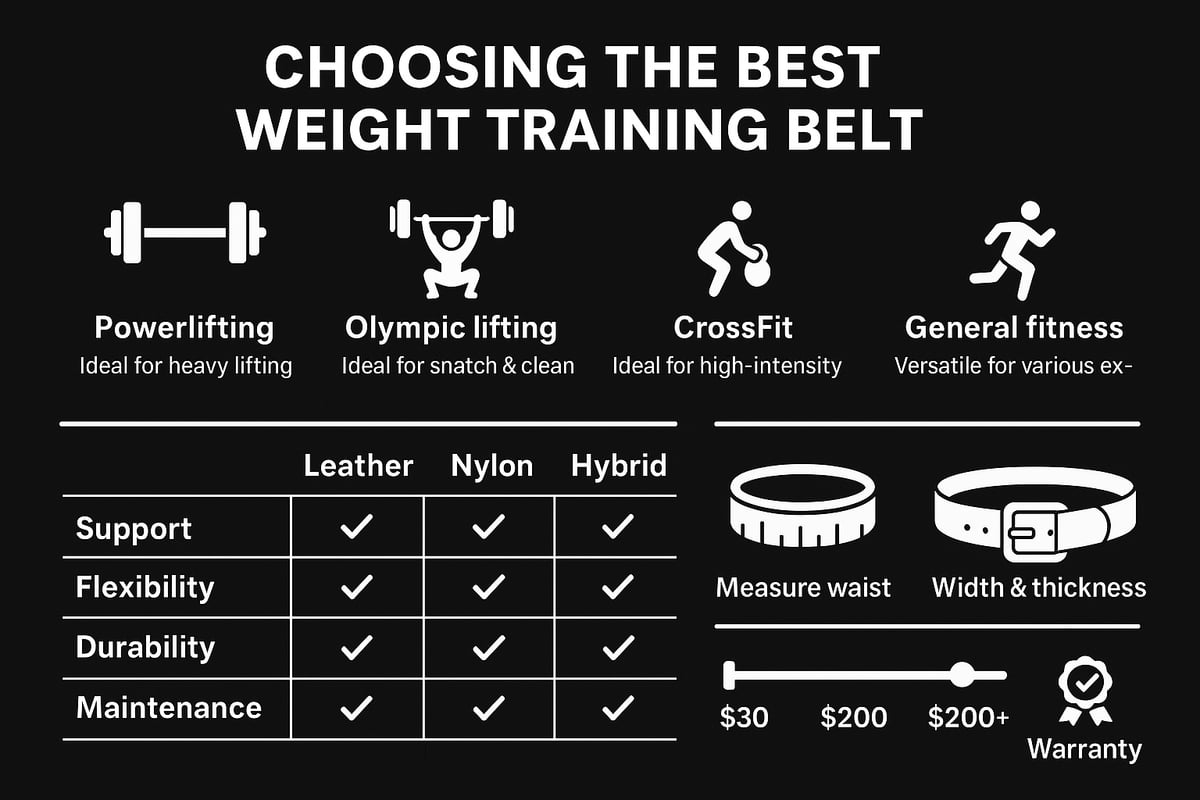
The best weight training belt for you depends directly on your training style and goals. Are you a powerlifter aiming for heavy squats and deadlifts, or do you prefer the dynamic movements of CrossFit or Olympic lifting? Powerlifters benefit from a thick, rigid belt that maximizes core stability during maximal lifts. Olympic lifters and CrossFit athletes often need a more flexible belt for explosive moves and quick transitions.
If you are focused on general fitness, a versatile belt that balances support and comfort may be ideal. Take stock of your most frequent lifts and what you want from your training to guide your decision. Matching your belt features to your goals ensures you maximize safety and performance.
Material Matters: Leather vs. Nylon vs. Hybrid
Material choice is one of the most important factors when selecting the best weight training belt. Leather belts are known for their rigidity and long lifespan, making them perfect for heavy lifters. Nylon belts offer greater flexibility and are lighter, which suits functional training and conditioning workouts. Hybrid options combine elements of both for a balance of support and comfort.
Here is a quick comparison:
| Material | Support | Flexibility | Durability | Maintenance |
|---|---|---|---|---|
| Leather | High | Low | High | Medium |
| Nylon | Medium | High | Medium | Easy |
| Hybrid | Medium | Medium | Medium | Easy |
For a deeper dive, check this Nylon vs. Leather Lifting Belt: How to Choose + Recommendations guide for expert insights and user feedback.
Sizing, Fit, and Adjustability
Getting the right size is essential for the best weight training belt experience. Measure your waist at the navel, not your pant size, to ensure accuracy. Most brands offer sizing charts, so always double-check before purchasing.
Consider the width and thickness of your belt. A wider, thicker belt gives more support for powerlifting, while a slimmer belt offers more mobility. Closure types matter, too: lever and prong closures provide a secure fit, while Velcro and self-locking buckles allow for quicker adjustments. Try different styles to find what feels most secure and comfortable for your lifts.
- Measure waist at navel for accuracy
- Check brand-specific sizing charts
- Select width and thickness based on primary lifts
- Choose closure type for your preferences
Budget and Warranty Considerations
The best weight training belt does not have to break the bank, but investing in quality pays off. Entry-level belts start around $30, while premium, competition-approved models can exceed $200. Consider what features matter most: certified belts, premium materials, or custom designs often cost more.
Look for warranties or satisfaction guarantees, as these signal a brand’s confidence in their product. A longer warranty can mean more peace of mind, especially if you train frequently. Weigh the value of extra durability and performance against your budget to make the smartest investment for your lifting journey.
Care, Maintenance, and Longevity of Weight Training Belts
Taking care of your best weight training belt is essential if you want it to perform at its peak and last for years. With the right cleaning habits and smart maintenance, you can extend the life of your investment and always lift with confidence.
Cleaning and Storage Best Practices
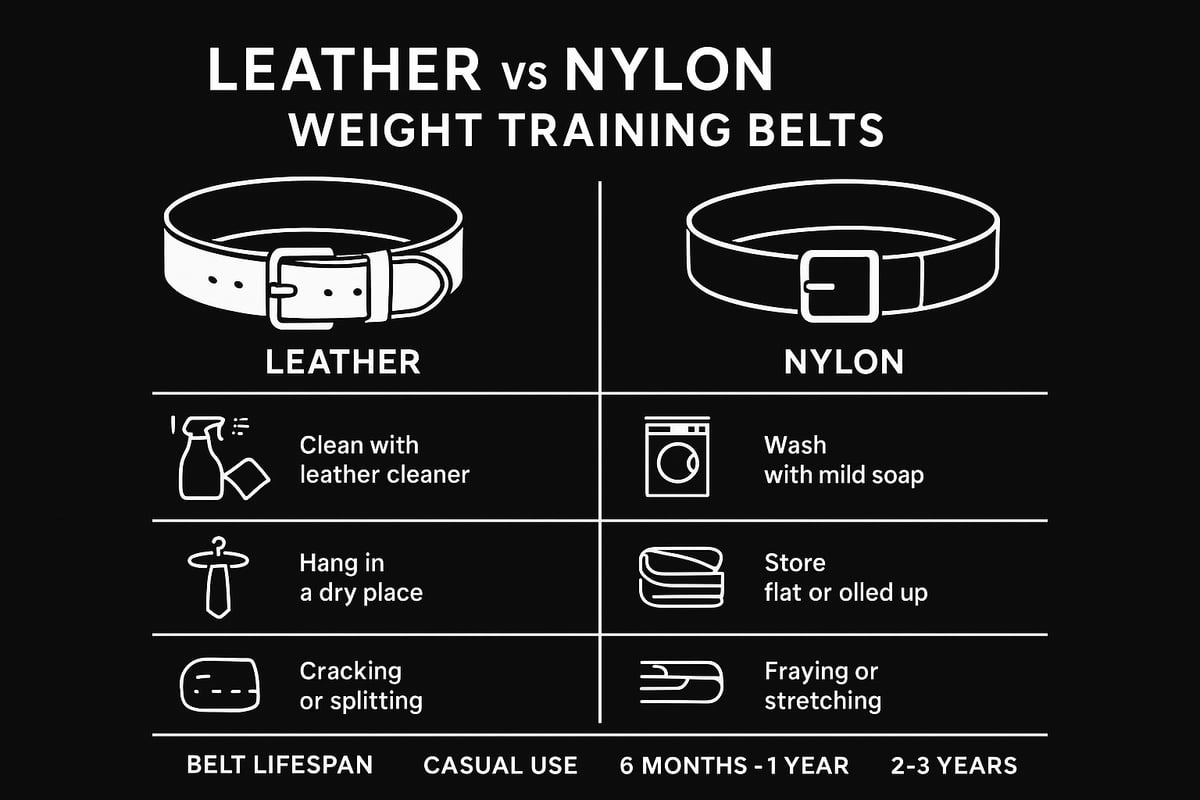
If you want your best weight training belt to stay fresh and reliable, routine cleaning and proper storage are crucial. Leather and nylon belts require different care routines:
- Leather belts: Wipe with a damp cloth after each use. Use a leather conditioner monthly to prevent cracking. Never soak or machine wash.
- Nylon belts: Hand wash in cold water with mild soap, then air dry. Avoid direct sunlight to prevent fading or warping.
- Odor prevention: Always let your belt dry completely before storing.
- Storage: Hang your belt or lay it flat in a cool, dry place to avoid misshaping.
For more detailed guidance, check out these care and maintenance tips to keep your best weight training belt in top condition.
When to Replace Your Belt
Knowing when to swap out your best weight training belt is key for both safety and performance. Watch for these common warning signs:
- Cracking or peeling on leather surfaces
- Frayed stitching or loose hardware
- Excessive stretching or loss of support
- Buckles or levers that do not secure tightly
Most quality belts will last several years, but heavy lifters may notice wear sooner. If you train multiple times per week or push heavy weights, inspect your belt every few months. Recreational users might get five years or more from a well-maintained belt. When in doubt, replace your best weight training belt before it compromises your lifts.
Maximizing Belt Performance and Lifespan
To get the most from your best weight training belt, rotate it according to your workouts and break it in gradually. Here are some tips to maximize longevity:
| Tip | Why It Matters |
|---|---|
| Rotate belts for different lifts | Reduces overall wear |
| Break in leather belts slowly | Prevents cracks and stiffness |
| Clean regularly | Stops odor and material breakdown |
| Follow manufacturer guidelines | Ensures warranty remains valid |
Avoid over-tightening, which strains buckles and stitching. Always store your best weight training belt away from moisture and heat. Simple routines like these can add years to your belt's lifespan and keep your lifts safe and strong.
Frequently Asked Questions About Weight Training Belts
If you are searching for the best weight training belt, you probably have a few questions before making your pick. Here are the most common concerns lifters have, answered with practical advice and expert-backed insights.
Do You Really Need a Weight Training Belt?
The best weight training belt is not a magic fix, but it can be a powerful tool when used correctly. Belts mainly help when you are lifting heavy loads or performing compound movements like squats and deadlifts.
Some lifters believe belts are only for experts, but research shows proper belt use can reduce spinal compression injuries by up to 50%. Still, not every lift or workout requires a belt. If you are focusing on core stability, bodyweight exercises, or lighter loads, skip the belt and let your body do the work.
Myths vs Facts:
- Myth: Belts weaken your core.
- Fact: Belts can actually help train proper bracing technique.
- Myth: You need a belt for every lift.
- Fact: Only use a belt for maximum or near-maximum efforts.
For a deeper dive into when to use a belt and how to choose the right one for your needs, check out these in-depth belt guides.
Can You Use the Same Belt for All Lifts?
Choosing the best weight training belt for your routine depends on your main lifts. Not every belt suits every exercise. For example, a thick, rigid leather belt is perfect for heavy squats or deadlifts, but it can feel restrictive during Olympic lifts or CrossFit WODs.
Here's a quick comparison:
| Lift Type | Ideal Belt Type | Why? |
|---|---|---|
| Squat/Deadlift | 10-13mm leather | Max support |
| Olympic Lifts | Flexible nylon | Mobility, comfort |
| CrossFit/HIIT | Quick-lock nylon | Fast transitions |
Using a multi-purpose belt is convenient, but specialized belts offer better performance for each movement. If you want the best weight training belt for versatility, consider a hybrid or nylon belt with adjustable features.
Are Weight Training Belts Safe for Beginners?
Many beginners wonder if the best weight training belt is safe for them. The answer is yes, as long as you use it properly and for the right reasons. Belts are not a shortcut for poor form or a replacement for learning proper lifting technique.
Beginner Safety Tips:
- Start with light weights and master your form first.
- Use the belt only for heavy compound lifts, not for every exercise.
- Ask a certified trainer for guidance on fit and usage.
- Avoid over-tightening, which can limit breathing and core engagement.
If you want expert advice on selecting the best weight training belt for your training level, the Choosing the Right Weightlifting Belt for Your Athletes guide provides helpful recommendations.
How to Wear and Adjust Your Belt Correctly
Wearing the best weight training belt the right way is key to getting its full benefits. Start by measuring your waist (not your pants size) at your navel. Position the belt so it covers your lower back and abdominals, then tighten it so you can brace your core, but still breathe comfortably.
Step-by-step fitting:
- Stand upright and exhale fully.
- Wrap the belt around your waist, just above the hips.
- Secure the closure (lever, prong, Velcro, or self-locking).
- Tighten until snug, but not painful.
- Test your brace: you should feel support, not restriction.
A well-fitted belt can boost your confidence and stability, especially when pushing for new personal bests. Remember, the best weight training belt is only effective if worn and adjusted correctly.
Now that you’ve seen what sets the best weight training belts apart for 2025, it’s clear that having the right gear isn’t just about style—it’s about real support, safety, and getting the most out of every lift. Whether you’re just starting out or pushing for new PRs, choosing a belt that matches your needs makes all the difference. If you’re ready to upgrade your setup with premium quality that’s built to last, let’s make it happen—Build your setup with Katamu’s top picks and take your training to the next level.


