 30-Day Money Back Guarantee

Your bag says a lot before the first plate hits the bar. A half-empty tote with tangled earbuds and a loose shaker is one thing. A dialed-in setup built for heavy squats, hard pulls, and focused sessions is another. This gym bag essentials guide is for lifters who train with intent and want their equipment ready when the weight gets serious.
The goal is not to carry every accessory you own. It is to bring the gear that earns its space, protects your body, and removes excuses between you and the work. Your exact loadout will depend on your training split, gym rules, and lifting style, but a few essentials belong in nearly every serious athlete's bag.
Start With a Gym Bag That Can Take the Work
A proper gym bag is the foundation. It needs enough structure to keep your belt from crushing everything else, enough room for a change of clothes, and compartments that separate clean gear from sweaty gear. A compact bag may work for a quick upper-body session, but it gets restrictive fast when you add a belt, sleeves, shoes, straps, a hoodie, and a post-workout change.
Prioritize durable fabric, strong zippers, reinforced handles, and a shoulder strap that does not dig in on the walk from the parking lot. Internal pockets matter more than most lifters realize. When wrist wraps, resistance bands, and keys each have a place, you spend less time digging through your bag and more time getting under the bar.
A separate shoe compartment is a real upgrade if you train before class, after work, or in more than one location. It keeps chalk dust, street grime, and odor from taking over your apparel. If your bag does not have one, use a washable shoe pouch instead.
The Core Gym Bag Essentials for Heavy Training
Your core kit should reflect the lifts you actually perform. There is no prize for bringing knee sleeves on a dedicated bench day if they will not leave the bag. At the same time, the accessories you rely on for your strongest movements should never be left in the trunk or buried in a closet.
Lifting belt
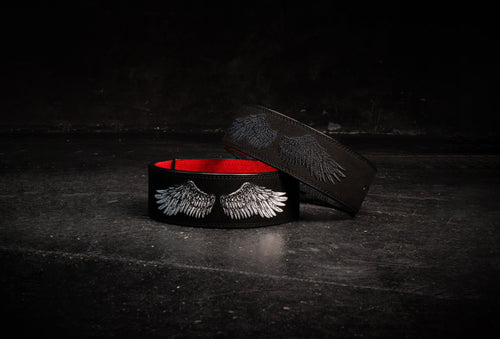
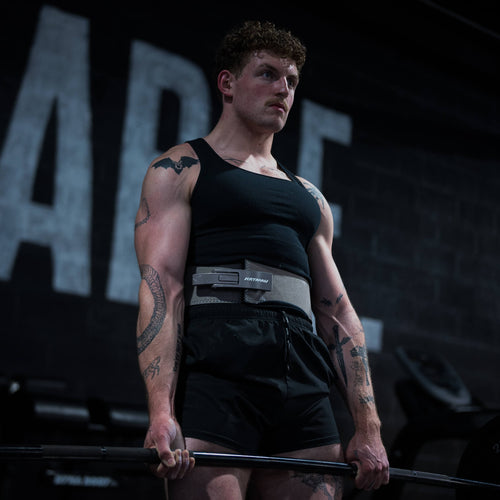
For squats, deadlifts, heavy rows, and pressing work, a quality lifting belt is one of the most valuable pieces of gear you can own. It gives you a firm surface to brace against, helping create the trunk stability required under heavier loads. It does not replace technique, breathing, or smart programming. It supports them.
Choose the style that matches your training. A lever belt offers fast, consistent tension for athletes who like a locked-in feel. A prong belt gives more adjustability, which can be useful when bodyweight fluctuates or when you prefer different tightness for squats and deadlifts. Keep it in a dedicated section of your bag so the buckle does not scrape your phone, headphones, or sunglasses.
Knee sleeves and wrist wraps
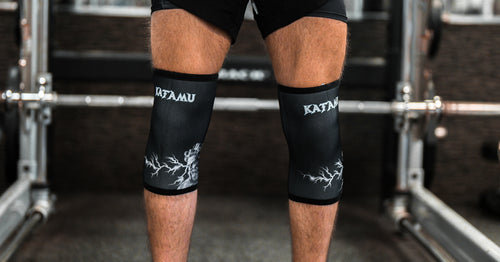
Knee sleeves bring warmth, compression, and a more secure feeling around the joint during hard leg sessions. They are especially useful for lifters who spend serious time squatting, leg pressing, lunging, or moving through high-volume lower-body work. Thickness and stiffness are a trade-off: more rigid sleeves can feel more supportive, while flexible sleeves are easier to wear through longer sessions.
Wrist wraps are built for another job. They help keep the wrist in a stronger, more comfortable position during pressing movements, front squats, and heavy dumbbell work. They should not be cranked down for every warm-up set. Use them when the load and movement demand extra structure, then take them off when you no longer need them.
Lifting straps
Straps are a smart bag essential for back days, pulling volume, and heavy hinge work when grip fatigue is holding back the target muscles. They are not a shortcut around building grip strength. They are a tool for keeping your lats, upper back, hamstrings, and glutes working when your hands are already taxed.
Bring them if your programming includes high-rep rows, Romanian deadlifts, shrugs, or pull variations. Leave them out of early warm-up work when you want to challenge your grip naturally. The best use of straps is intentional, not automatic.
Training apparel that moves with you
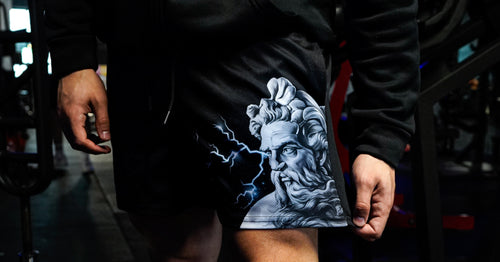
Your clothes are equipment too. A compression shirt can stay close to the body without bunching under a belt or riding up during presses. Training shorts should allow deep squat depth and hard conditioning without pulling at the seams. A hoodie earns its place for warm-ups, cold garages, late-night training, and the walk out after a session when your body temperature drops.
Pack a clean shirt and underwear if you are heading straight to work, school, or anywhere social afterward. It is a small move that makes a long training day feel far more controlled. Keep used clothing in a sealed wet bag or separate compartment so it does not turn your entire setup into a laundry basket.
The Small Items That Keep a Session Moving
The little items are where most gym bags get messy. They are also where preparation pays off. Keep these four basics together in a small zip pouch:
- A lock for lockers, especially if you train at a commercial gym or campus facility.
- Headphones and a charging cable or battery pack for long sessions.
- Athletic tape or thumb tape for pulling work, hook grip, or hot spots on your hands.
- A small towel for sweat, benches, and keeping your setup clean.
Hydration and Recovery Without Overpacking
A durable water bottle should be automatic. Dehydration can make a good session feel flat fast, especially in hot gyms or long training blocks. If you use intra-workout carbs, electrolytes, or pre-workout, carry them in tightly sealed containers rather than tossing full tubs into your bag.
A shaker bottle is useful, but wash it immediately after use. Old protein residue is one of the fastest ways to make a gym bag smell terrible. For athletes training on a tight schedule, a ready-to-eat post-workout snack can be more useful than another accessory. Think of it as preparation, not clutter.
Recovery tools require more restraint. A mini band can be worth carrying for warm-ups and activation work. A full-size foam roller, massage gun, and stack of mobility tools usually do not belong in an everyday bag unless you know you will use them at the gym. Save that space for the gear that directly supports your session.
Build Your Bag Around Your Training Days
The best gym bag essentials guide is not a random checklist. It is a system. Keep your non-negotiables in the bag at all times: belt, wraps, sleeves, straps, lock, headphones, towel, and water bottle. Then rotate day-specific gear based on the session.
For a heavy lower-body day, add your belt, knee sleeves, flat lifting shoes or squat shoes, and any bands you use in your warm-up. For a pull day, make straps and tape easy to reach. On a lighter conditioning or bodybuilding session, you may need only apparel, water, headphones, and a few targeted accessories.
This approach keeps your bag lean without leaving you unprepared. It also makes it easier to notice when something is missing before you arrive at the gym.
Keep Your Gear Ready, Not Just Packed
A high-performance setup needs maintenance. Air out knee sleeves and wrist wraps after training instead of sealing them in a damp bag for days. Wipe down your belt when needed. Empty trash, replace empty tape rolls, recharge headphones, and wash your bag regularly. Gear built for hard training can last, but neglect shortens the life of even the best equipment.
Before your next session, set your bag near the door and pack with purpose. Katamu athletes know training is not just something you fit into the day. It is a standard you carry with you. Build a bag that is ready for the work, and when it is time to lift, all that is left is execution.
