
 30-Day Money Back Guarantee

When the bar gets heavy, small gear decisions stop being small. A real lever belt review for heavy squats has to answer one thing first - does it actually help you stay tighter under serious load, or does it just look the part on leg day?
For lifters pushing hard sets, top singles, and low-rep work, a lever belt can make a real difference. Not because it squats the weight for you, and not because it fixes weak bracing, but because it gives you a more solid wall to brace against when every inch of torso stability matters. That is the point. Under a heavy squat, you want less movement where it should not exist and more confidence where it counts.
What matters most in a lever belt review for heavy squats
A lever belt lives or dies by four things: stiffness, consistency, comfort, and how fast it locks in. If one of those is off, you feel it immediately once the weight climbs.
Stiffness is the big one. For heavy squats, a belt should feel supportive from the first breath you take into it. A quality lever belt stays firm around the full circumference, so the belt does not fold, pinch, or collapse when you brace hard. That matters more for squats than people think. In the hole, when your torso angle changes and pressure shifts, a soft or uneven belt gets exposed fast.
Consistency is where the lever design earns its reputation. Once you set the prongs on a traditional belt, you can still end up one hole too loose or one hole too tight depending on how beat up you are that day. A lever gives you the same locked position every time. For heavy squat sessions, that repeatability is a serious advantage. You do not want to negotiate with your belt between warm-ups and your top set.
Comfort is more complicated. A lever belt is usually less forgiving than a softer prong belt, especially at first. If you wear it too high, it can dig into your ribs. Too low, and it can clash with your hips at depth. That does not mean the belt is bad. It means setup matters. A good lever belt for squats often feels aggressive before it feels comfortable.
Then there is speed. This is where lever belts shine. You can pop it open between sets, breathe, reset, and lock back in fast. In long squat sessions, that convenience is not just nice to have. It keeps your training moving.
The real advantages under heavy weight
The best reason to use a lever belt for squats is simple: it helps you create stronger, more consistent intra-abdominal pressure. That pressure gives your trunk more rigidity, which can help you stay stacked and controlled as the load increases.
On heavy low-bar squats, that can mean a more stable torso out of the hole. On high-bar squats, it can help you stay braced without feeling like your midline is leaking tension at the bottom. For powerlifters, it usually shows up as better confidence on max-effort work. For general strength athletes, it often shows up as cleaner reps and less energy wasted trying to re-brace mid-set.
There is also a mental side to it. Serious lifters know this feeling. You cinch the belt, flip the lever shut, and your setup becomes deliberate. It changes how you approach the bar. That does not replace skill, but it can sharpen intent. Under a heavy squat, intent matters.
A premium lever belt also tends to hold up better over time than cheaper belts that look stiff online but break down fast in real use. If the leather softens too much, the support changes. If the buckle has play, the whole belt starts feeling less trustworthy. When you are under real weight, trust in your gear is not optional.
Where lever belts fall short
A fair lever belt review for heavy squats has to talk about trade-offs. Lever belts are not perfect, and they are not automatically the best choice for every lifter.
The main drawback is adjustability. If your bodyweight fluctuates, if you bulk and cut aggressively, or if you like very different belt tightness for squats and deadlifts, a lever can be less convenient than a prong belt. You usually need to unscrew the lever to change the fit. That is fine if you want one locked-in setting for squats. It is less ideal if you need flexibility across movements.
They can also feel too rigid for some lifters early on. Newer athletes sometimes buy a heavy-duty lever belt before they have learned how to brace correctly, then wonder why it feels awkward. The issue is not always the belt. Sometimes the lifter is using it as a shortcut instead of a tool.
Body shape matters too. Lifters with shorter torsos can struggle to find a comfortable belt position, especially with thicker belts. If the belt jams into your ribs and hips at the same time, your squat mechanics can feel worse, not better. In that case, the answer may be a different width, a better placement strategy, or a different belt style altogether.
What to look for before you buy
If your goal is heavy squats, do not get distracted by hype. Focus on the parts that actually affect performance.
A 10mm or 13mm thickness is the usual conversation. For most lifters, 10mm is the smarter balance. It is supportive enough for heavy work but typically easier to break in and wear through full squat sessions. A 13mm belt can feel incredibly solid, but it is more demanding. Bigger lifters and advanced powerlifters may love that extra rigidity. Others will feel like they are fighting the belt more than using it.
The lever itself should close cleanly and feel secure without excessive wobble. A bad lever system can ruin an otherwise decent belt. You want a mechanism that locks with authority and opens without drama between sets.
Material quality matters more than branding language. Real support comes from dense, durable construction that stays consistent after months of hard use. Cheap belts often feel impressive out of the box, then lose their edge once they start bending and softening in the wrong places.
Sizing is where a lot of lifters mess up. Do not buy based on your jeans size and hope for the best. Measure around the area where you will actually wear the belt for squats. If you want a belt to perform, fit is everything. Even premium gear turns into dead weight if the size is wrong.
How a lever belt should feel on squats
A good lever belt should feel tight enough that you have to brace into it, not so tight that you cannot get a proper breath. That line matters. If you are gasping before the unrack, you went too far.
During your descent, the belt should stay present without shifting around. At the bottom, it should give you a firm surface to push your abs and obliques into. Coming up, you should feel more controlled through your trunk, especially when the rep slows down.
You should not expect instant magic. The first few sessions can feel awkward, especially if you have trained beltless for a long time. But once you learn your belt position and pressure, the payoff is obvious. The squat feels more locked in. More repeatable. More aggressive in a good way.
That is one reason serious athletes gravitate toward premium gear. They want equipment that matches intensity, not accessories that quit once training gets real. A well-built lever belt fits that standard.
Who should use one and who should wait
If you are regularly pushing heavy squats, training for strength, or working in lower rep ranges where bracing quality becomes a limiting factor, a lever belt makes sense. It is especially useful for lifters who want the same fit every set and do not want to waste time adjusting gear in the middle of a hard session.
If you are still learning squat mechanics, still building basic trunk control, or mostly doing lighter hypertrophy work, a lever belt is less urgent. Useful, yes. Necessary, not always. The belt works best when it supports skill that already exists.
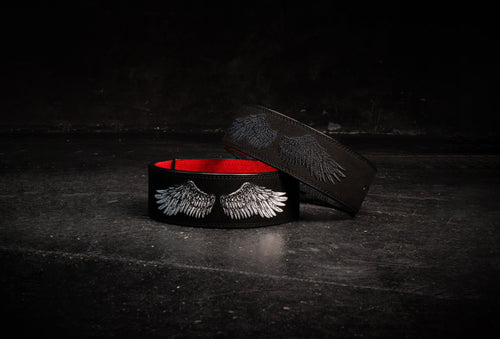
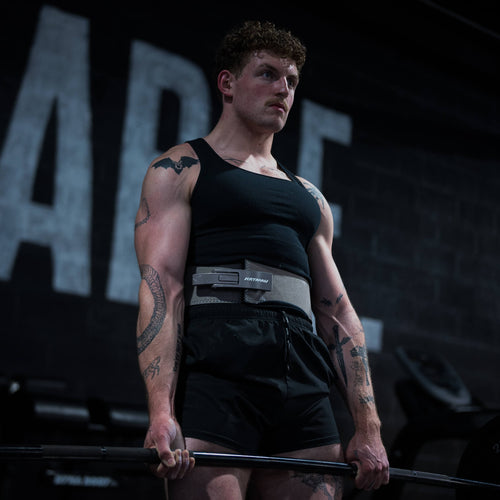
For lifters who want serious support with a clean, locked-in feel, a well-made option from a brand like Katamu fits the brief. The goal is not just looking sharp in the gym, though that does not hurt. The goal is stepping under heavy weight with gear that feels built for the moment.
Final take on a lever belt review for heavy squats
A lever belt is at its best when your training is heavy enough to expose weak links in your brace. That is where the design proves itself. It gives you speed, consistency, and a firmer platform to push against when squats get demanding.
It is not the right answer for every body type, every phase of training, or every preference. But for lifters chasing stronger, more confident squats, a quality lever belt is one of the few pieces of gear that can earn its place every single week. Buy one that fits right, learn how to brace into it, and let the bar test the rest.
