 30-Day Money Back Guarantee

That post-leg-day walk to the car can make any recovery promise sound convincing. So, does compression wear improve recovery after a hard lifting session? Yes, potentially - but not in the dramatic, skip-sleep-and-train-again-tomorrow way social media sometimes sells it.
Compression shirts, tights, socks, and sleeves can be a useful part of your post-training setup. The biggest upside is usually reduced soreness, less heavy-legged feeling, and better comfort while you move through the rest of your day. The catch: compression is an assist, not a replacement for food, sleep, smart programming, and enough time between hard sessions.
Does Compression Wear Improve Recovery? The Evidence
Research on compression garments points to modest, not miraculous, benefits. Many studies show that athletes report less delayed-onset muscle soreness after wearing compression following demanding exercise. Some research also suggests small improvements in how quickly strength, power, or repeated-sprint performance returns over the next 24 to 72 hours.
That matters when your training week is dense. If you squat heavy on Monday, pull on Wednesday, and need your lower body ready for another serious session by Friday, even a small reduction in soreness can make a difference in how you move, sleep, and train.
Still, results are not identical for everyone. Some lifters feel noticeably better in compression gear. Others barely notice a change. Studies also vary by garment pressure, fit, training style, wear time, and the measurements used to define recovery. Less soreness does not automatically mean your muscle tissue rebuilt faster or that your next PR is guaranteed.
The practical read is simple: compression wear may help you feel and function better after training, especially during high-volume blocks, competitions, travel, or back-to-back sessions. Treat it like a recovery tool with a real but limited role.
What Compression Can Actually Do
Compression applies gentle pressure around the muscle. This can support circulation and fluid movement, potentially helping limit the swelling and heavy feeling that follow a brutal session. It may also improve body awareness - that locked-in feeling where your legs or upper body simply feel more supported as you walk, work, or warm up again.
For lifters, the perceived benefit can be as valuable as the physiological one. When your quads are wrecked from high-rep squats, a quality pair of compression shorts or tights may make stairs less miserable. When your upper body is beat up after pressing volume, a compression shirt can feel more secure and less restrictive than loose cotton catching under a hoodie.
There is also a temperature and friction angle. Compression apparel can keep muscles warm between activities and reduce chafing during low-intensity movement. That does not repair muscle on its own, but it can make recovery days more comfortable and easier to stick with.
What compression does not do is flush lactic acid out of your body. Lactate clears relatively quickly after exercise and is not the reason you wake up sore two days later. It also cannot erase fatigue from poor sleep, low calories, dehydration, or a training plan that is too aggressive for your current capacity.
When It Makes the Most Sense
Compression earns its place when the rest of your recovery habits are already handled. Think of it as the final layer, not the foundation.
It is especially useful after high-volume leg sessions, long conditioning work, or a weekend where you are competing, traveling, and spending hours on your feet. Powerlifters may like it during a meet weekend, when warm muscles and a more comfortable lower body can help between attempts. Bodybuilders in a demanding hypertrophy phase may value the reduction in soreness when they need to keep training quality high across several sessions.
It can also make sense after training if you have a job or school day that keeps you moving. Sitting in stiff jeans after deadlifts is not always the move. Comfortable compression shorts, socks, or a fitted top can be an easy transition from the gym floor to the rest of your schedule.
If you train only a few times per week with plenty of recovery between sessions, the effect may be less noticeable. You may still enjoy the fit and confidence of compression apparel, but it is unlikely to change your progress as much as adding an extra hour of sleep or eating enough protein.
Fit Matters More Than Maximum Tightness
A garment that is too loose will not provide meaningful compression. One that is painfully tight, causes numbness, leaves deep marks, or restricts normal movement is not better. The goal is secure, even pressure and a close athletic fit that lets you breathe, bend, and move normally.
For upper body training, look for a compression shirt that stays in place through presses, rows, and overhead work without riding up. For lower body, waistband stability and fabric durability matter. You want coverage that holds up through deep squats, lunges, and deadlifts - not material that turns sheer or loses shape after a few washes.
Wear time is flexible. Some athletes put compression on immediately after training and keep it on for a few hours. Others wear it during travel, while walking, or overnight if it remains comfortable. There is no magic recovery window where the entire benefit disappears if you miss it. Consistency and comfort beat forcing yourself into a garment you cannot wait to take off.
Avoid using compression on areas with impaired circulation, unexplained swelling, active skin irritation, or a known vascular condition without guidance from a qualified medical professional. If a garment causes tingling, pain, or color changes in your skin, take it off.
Build Recovery Around the Big Levers
Compression cannot outwork a recovery plan built on fumes. Your body needs enough energy to adapt to training, especially when the goal is more size, strength, or volume tolerance. A hard session creates the signal. Food, rest, and recovery are what let you answer it.
Start with protein spread across the day and enough carbohydrates to support your training output. After a serious session, a meal with protein and carbs is more valuable than obsessing over a perfect compression schedule. Hydration matters too, particularly after long workouts, hot gym sessions, or conditioning work that leaves you drenched.
Sleep is where the biggest return lives. If you are wearing premium compression gear but cutting your nights short, you are leaving more recovery on the table than any garment can replace. Aim for a consistent sleep routine, then adjust training volume before you keep piling intensity onto fatigue.
Active recovery can pair well with compression. An easy walk, light bike work, mobility, or a few low-stress movements can reduce stiffness and get you out of the post-session slump. Keep it easy enough that it restores you rather than becoming another workout in disguise.
Use Compression as Part of the System
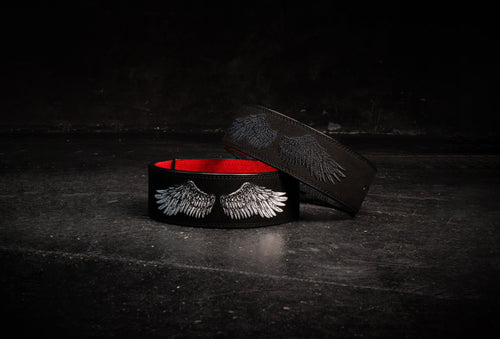
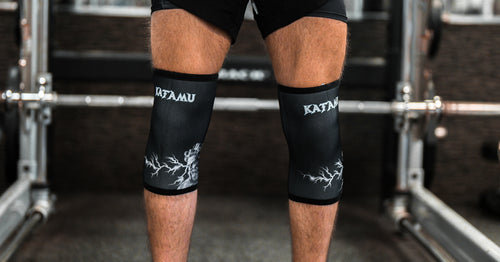
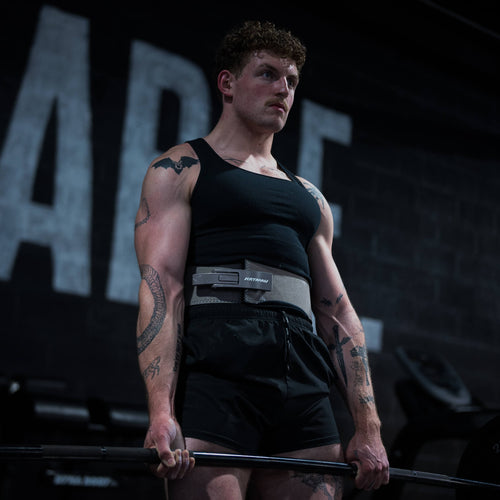
The best training gear earns its place by helping you show up ready for the next session. That might mean a belt that gives you confidence under a heavy bar, knee sleeves that keep your joints warm during squats, or compression apparel that makes the hours after training feel less punishing.
Katamu compression pieces fit that mindset: performance apparel built for lifters who train hard and want their kit to match the standard. Choose gear for the job it can actually do - comfort, support, durability, and confidence - rather than expecting it to rewrite recovery biology.
If compression helps your legs feel less wrecked, makes a long drive after training easier, or gets you moving better before your next lift, it is doing valuable work. Put it on, eat a real meal, get quality sleep, and come back ready to earn the next set.
