 30-Day Money Back Guarantee

A belt that folds at the edges after a few heavy sessions. Wrist wraps that lose their hold halfway through a press day. Straps with stitching that starts to pull when the bar gets serious. Equipment durability is not a bonus for lifters who train consistently. It is the difference between gear that earns a permanent place in your gym bag and gear that becomes another bad purchase.
Hard training puts every accessory under pressure. Sweat, friction, repeated stretching, loaded movement, crowded gym floors, and the trip between home and the rack all leave their mark. The best lifting gear is built to handle that reality while continuing to feel secure, comfortable, and ready when the weight climbs.
What Equipment Durability Really Means
Durability is not just about whether a product survives. For lifting equipment, it means the product can keep doing its job without losing the qualities that made you buy it in the first place.
A lifting belt should continue to provide stable support and maintain reliable fastening. Knee sleeves should retain useful compression instead of becoming loose tubes of fabric. Wrist wraps need to keep their tension and closure strength. Lifting straps should resist fraying at the contact point with the bar, where grip work creates constant abrasion.
That distinction matters because gym gear can look fine from a distance while performance is already slipping. A stretched-out sleeve may still have its color. A worn buckle may still close. But if the fit, tension, shape, or security has changed, the gear is no longer giving you the same training experience.
There is also a trade-off worth understanding. Gear designed for maximum stiffness or compression can feel less forgiving at first. Softer materials may feel great immediately but can wear faster if construction is weak. The right choice depends on how you train, how often you train, and whether you need support for heavy singles, high-volume work, or both.
The Materials Behind Durable Lifting Gear
Materials set the ceiling for equipment durability, but materials alone never tell the whole story. A premium-looking surface cannot compensate for thin layers, weak closures, or poor stitching underneath.
Belts need structure, not just thickness
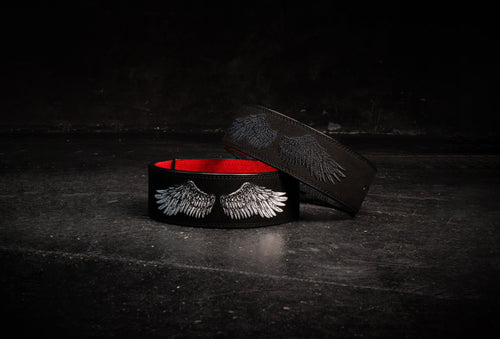
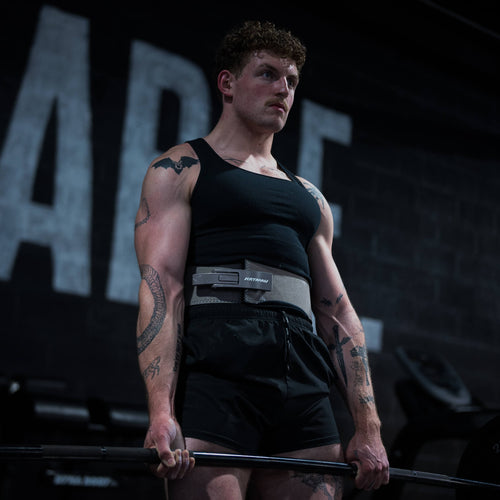
For a lifting belt, the goal is dependable structure. Quality leather should hold its shape through repeated bracing, while a well-built lever or buckle system should lock down without feeling unreliable under tension. The edges matter too. Clean finishing helps reduce peeling and rough wear where the belt rubs against clothing, benches, and gym bag interiors.
A belt does not need to feel identical forever. Leather naturally breaks in, and that is part of making it yours. What you do not want is a belt that quickly develops soft spots, cracks, warped layers, or a closure that starts to shift during a working set.
Sleeves and wraps need recovery
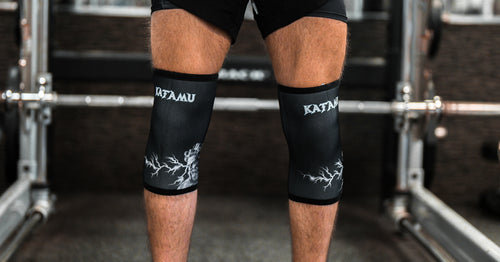
Knee sleeves, elbow sleeves, and wrist wraps live on elasticity. Their performance depends on how well the fabric recovers after being stretched again and again. Strong elastic fibers, dense material, and reinforced seams help products keep their intended fit through repeat sessions.
The catch is that elastic gear has limits. Leaving sleeves balled up in a damp bag or drying them with high heat can shorten their useful life no matter how good they were on day one. Durability is built by the manufacturer, then protected by the athlete.
Straps face a different kind of abuse
Lifting straps spend their life under friction. Every deadlift, row, pulldown, and heavy hold tests the point where the strap meets knurling. Durable straps need fabric that can take that scraping without thinning too quickly, along with stitching that stays locked where the loop and tail take the most load.
Comfort still counts. A strap that is too stiff or harsh can distract from your set, especially during volume work. The best balance is material that feels secure around the wrist while holding up against the bar’s texture over time.
Construction Is Where Gear Proves Itself
Look closely at the places where force changes direction. On a belt, that includes the buckle or lever attachment, holes, rivets, edges, and layered sections. On wraps and straps, inspect the stitching, loop construction, hook-and-loop closure, and reinforced contact zones. These are the details that separate serious gear from something made to look good in product photos.
Stitching should sit cleanly and consistently, without loose threads or uneven lines. Multiple lines of stitching in high-stress areas can add security, though more stitching is not automatically better if the thread or placement is poor. Hardware should feel firm and aligned. A lever buckle, for example, needs to close with confidence while allowing a lifter to get a consistent fit session after session.
Fit is part of construction, too. Gear that constantly shifts creates extra wear because it rubs, twists, and pulls in ways it was not meant to. A belt that fits your torso properly and wraps that suit your wrist size are more likely to stay useful than equipment you have to fight on every set.
How to Make Your Equipment Last Longer
You do not need a complicated maintenance ritual. You need a few habits that respect the gear you use under load.
Do not leave sweat-soaked sleeves, wraps, or apparel trapped in a sealed gym bag for days. Air them out after training and wash them according to their care instructions. High heat is usually the enemy of elastic materials, prints, and compression fabrics, so choose cooler wash cycles and air drying when possible.
For belts, wipe off chalk, sweat, and surface grime before it builds up. Store the belt flat or gently rolled only if the material allows it, rather than crushing it beneath plates, shoes, and shaker bottles. Keep leather away from prolonged moisture, and do not use harsh cleaners that can dry out or damage the finish.
Check closures and stitching before a heavy session, especially if the gear has seen months of regular use. A loose thread is easier to address before it becomes a split seam. A closure that feels inconsistent deserves attention before you trust it on a top set.
Your gym bag matters more than people think. It is where wet clothing, sharp zipper pulls, rough floor debris, and crowded storage create unnecessary wear. Give lifting accessories their own space instead of throwing everything together after a brutal session.
Signs It Is Time to Retire a Piece of Gear
Not every scuff means a product is done. Training equipment should show signs of work. The question is whether that wear is cosmetic or whether it affects performance and safety.
Replace or stop using gear when a belt’s layers separate, a buckle or lever does not secure reliably, a sleeve loses meaningful compression, or a wrap closure no longer stays fastened. Straps need to go when the fabric becomes visibly thin at the bar contact point, the loop starts to open, or the stitching is pulling apart.
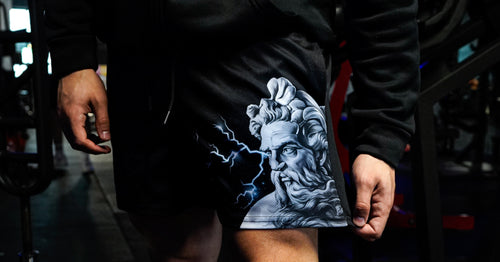
Apparel has its own signals. Compression shirts and training shorts can keep serving you through normal fading, but stretched seams, damaged fabric in high-movement areas, and loss of support are worth taking seriously. Your kit should help you focus on the lift, not make you question whether it will hold up.
A manufacturing warranty can provide useful protection when there is a genuine defect in materials or construction. It should not be confused with a promise that any product will last forever under constant hard use. Honest equipment durability means building for the work, then being realistic about the life cycle of gear that sees the bar every week.
Buy for Your Training, Not Just Your First Session
The cheapest option can become expensive if you replace it repeatedly. At the same time, the most specialized piece of gear is not always necessary for every lifter. A newer athlete may prioritize a versatile belt and dependable wraps, while a powerlifter preparing for a meet may need a more specific setup with a firmer feel and competition-focused support.
Choose equipment that matches your training frequency and intensity. If you lift four or five days a week, durable materials and reinforced construction are not luxuries. They are the baseline. If style matters to you too, it should not force a compromise. Gear can look sharp, reflect your identity, and still be built for real work. That is the standard Katamu brings to lifting essentials made for athletes who expect more from every session.
Treat your gear with the same respect you bring to your program. Buy pieces built to take pressure, care for them after the session, and replace them when performance starts to fade. Then when the next hard set calls, your equipment will be one less thing standing between you and the lift.
