 30-Day Money Back Guarantee

Struggling to find the perfect pioneer belt for your lifting goals in 2025? You are not alone. With so many options out there, from classic designs to innovative brands like Katamu Belts, the search can feel overwhelming.
This guide is here to simplify your decision. You will get expert, up-to-date advice to help you choose the right pioneer belt for your unique needs, whether you care about performance, budget, or style.
Inside, you will discover the latest belt types, materials, sizing tips, customization trends, and insider picks for 2025. If you want a standout look, Katamu Belts offer premium alternatives worth considering. Get ready to make your pioneer belt choice easy and confident.
Understanding Pioneer Belts: Types and Uses
Choosing the right pioneer belt can feel overwhelming, especially with so many models and features on the market in 2025. Understanding the different types and their uses is the first step to finding a belt that matches your lifting style and goals.
Overview of Pioneer Belt Categories
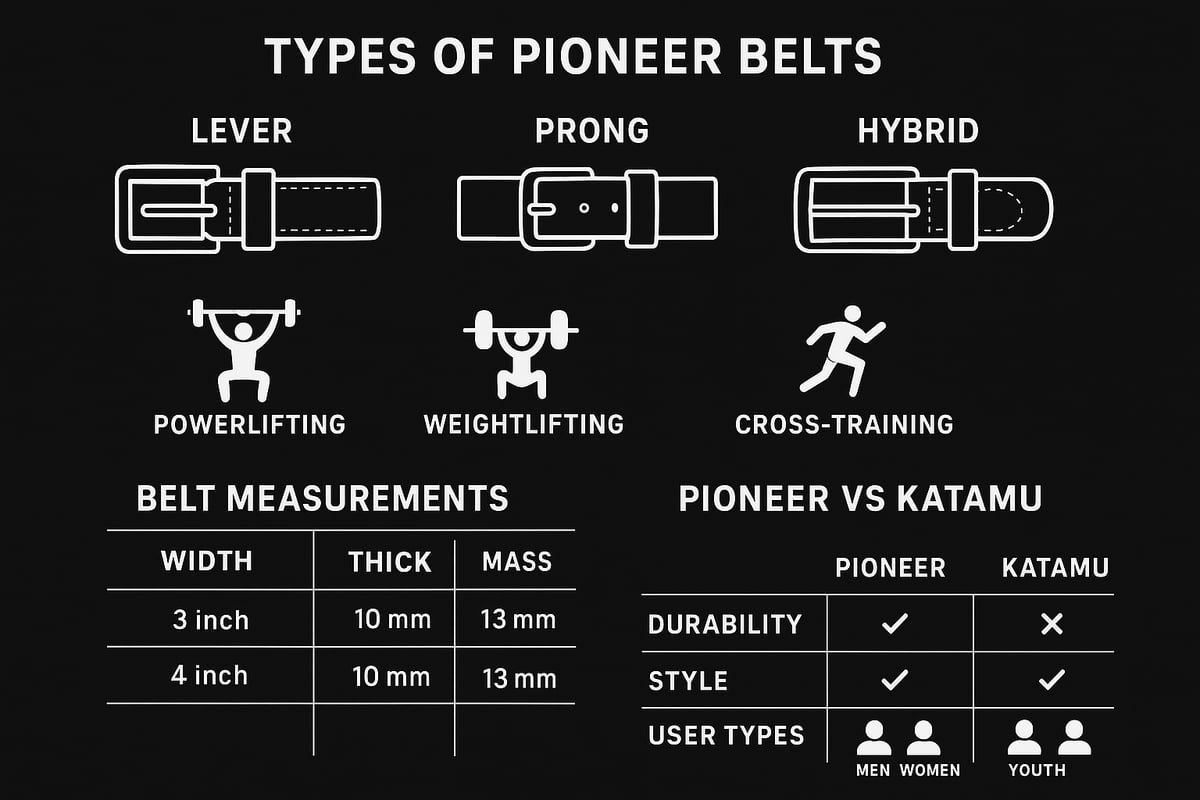
Pioneer belt options fall into two main categories: powerlifting belts and weightlifting belts. Powerlifting belts are designed for maximum support during heavy squats, deadlifts, and bench presses. In contrast, weightlifting belts offer more flexibility, making them suitable for Olympic lifts and dynamic movements.
The most popular pioneer belt models are lever, prong, and hybrid styles. Lever belts are known for their quick on-off mechanism and consistent tightness, making them a favorite for powerlifters chasing big numbers. Prong belts, available in single or double prong, provide versatile adjustment and are often chosen by lifters who value micro-adjustability over speed.
Hybrid belts combine features of both, offering a balance between support and comfort for cross-training and functional fitness. Here’s a quick comparison table:
| Type | Best For | Adjustability | Speed | Support Level |
|---|---|---|---|---|
| Lever | Maximal lifts | Low | Very Fast | High |
| Prong | Versatile training | High | Moderate | Medium-High |
| Hybrid | Cross-training | High | Fast | Medium |
Belt widths and thicknesses also matter. Most pioneer belt models come in 3-inch or 4-inch widths and 10mm or 13mm thicknesses. Thicker belts (13mm) offer more rigidity for advanced lifters, while 10mm belts are more forgiving and popular for all-around use.
Pros and cons for each type:
- Lever: Fast setup, secure fit, but limited adjustability on the fly.
- Prong: Easily adjustable, but slower to put on and take off.
- Hybrid: Comfortable and versatile, but may not provide maximum support for elite powerlifting.
Design impacts both performance and safety. For example, a lever pioneer belt is ideal for heavy singles, while a prong belt suits varied training days. In fact, the majority of pioneer belt sales are powerlifting-specific, showing the demand for robust support.
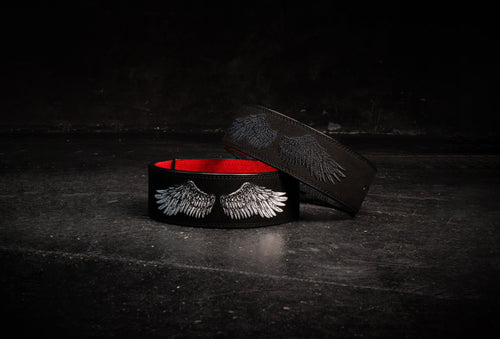
Katamu belts are also worth mentioning here. These premium lever belts are crafted for gymgoers seeking both quality and unique design. Their robust construction and artistically themed collections offer a fresh take for lifters wanting durability with style. For a deeper comparison of belt types and how to select the right one for your needs, check out this Powerlifting Belt Buying Guide.
Who Needs a Pioneer Belt?
A pioneer belt is not just for competitive lifters. Gymgoers who want to protect their core and boost confidence during heavy lifts will also benefit. The key is to assess your current stage and lifting goals.
Beginners may not need a pioneer belt for every session, but as you progress to heavier weights, adding one can increase safety and performance. Many start using a belt when they lift loads above 1.5 times their bodyweight. For intermediates, a pioneer belt becomes routine for heavy sets, while advanced lifters often rely on them for maximum attempts.
Consider how often you’ll use your pioneer belt. Some wear it only for top sets, others for all compound lifts. Frequency depends on your training style and recovery needs.
Real-world scenarios:
- Beginner: Starts using a pioneer belt for squats and deadlifts after mastering form.
- Intermediate: Wears a belt for heavy sets, focusing on progression.
- Advanced: Uses a belt for all major lifts during intense training cycles.
Men, women, and youth can all benefit from a pioneer belt, as long as sizing and fit are tailored. Women often prefer slightly narrower belts for comfort, while youth need extra guidance on proper use.
Katamu belts cater to everyday gymgoers who want standout style without sacrificing function. Their artistically themed designs and long-lasting materials appeal to those who value both performance and aesthetics in a pioneer belt.
Key Features to Consider When Choosing a Pioneer Belt
Selecting the right pioneer belt is about much more than just picking a size or color. To get the best value and performance, you need to understand what really sets each pioneer belt apart. Whether you are a first-timer or a seasoned lifter, these features can make or break your experience. Let’s break down what matters most so you can confidently invest in a pioneer belt that will serve you for years.
Material Quality and Construction
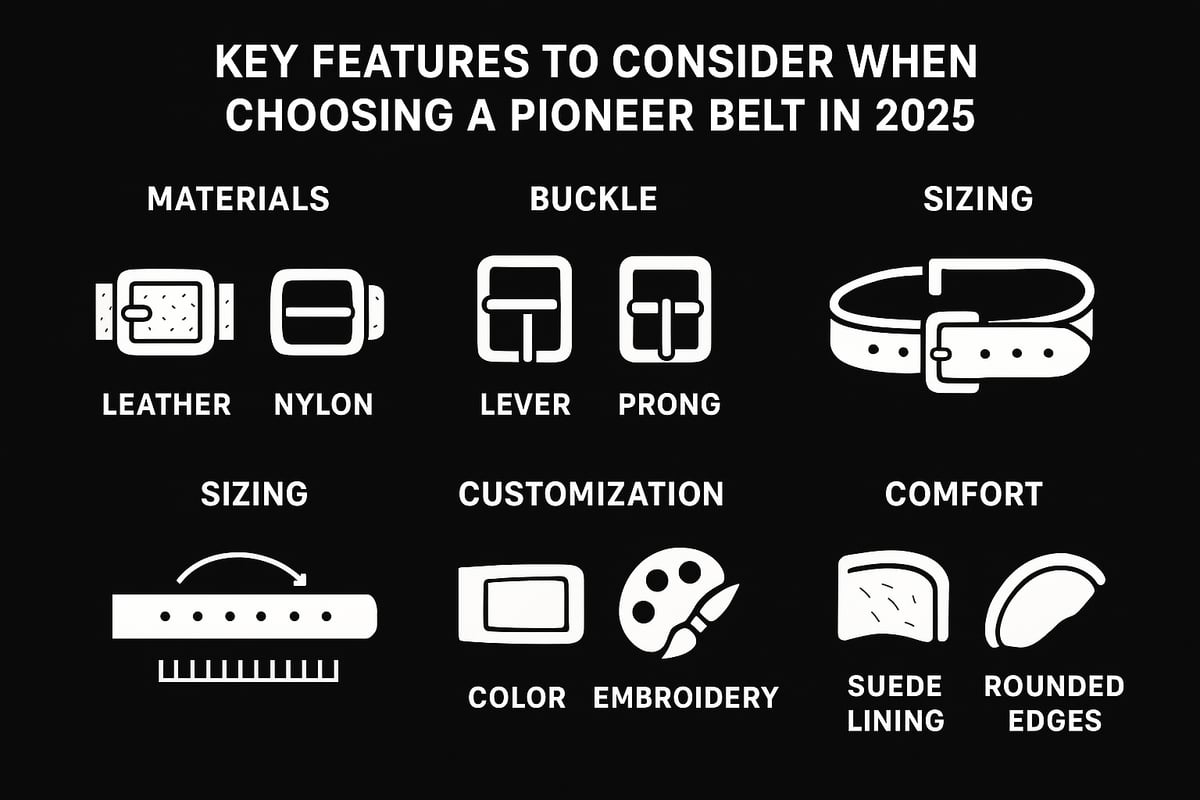
The foundation of every great pioneer belt is its material and build. Most pioneer belts feature high-quality leather, prized for its durability, rigidity, and ability to mold to your body over time. Leather belts can last over five years with proper care, making them a favorite among serious lifters. Nylon pioneer belts are less common but offer increased flexibility and lighter weight, which some athletes prefer for dynamic movements.
When comparing construction, consider:
- Single-ply vs. double-ply: Double-ply belts are stiffer and more supportive, ideal for max-effort lifts.
- Stitching and edge finishing: Look for reinforced stitching and smooth, rounded edges to prevent irritation.
- Hardware: Premium pioneer belts use stainless steel or zinc-plated hardware for longevity.
Katamu belts stand out in this area, offering robust materials and art-inspired designs that don’t sacrifice durability. Their commitment to premium leather ensures your pioneer belt will keep up with intense training.
| Feature | Leather Pioneer Belt | Nylon Pioneer Belt |
|---|---|---|
| Durability | 5+ years | 2–3 years |
| Flexibility | Low | High |
| Support | Maximum | Moderate |
| Popularity (eBay data) | 200+ listings | 1 listing |
Choosing the right material and construction will set the stage for your success with a pioneer belt.
Buckle Mechanisms: Lever, Prong, and More
The buckle system on your pioneer belt determines both ease of use and security. Lever buckles are popular for powerlifting because they allow quick on and off, which is perfect for meet settings or heavy sets. Prong buckles, available in single or double prong, offer a classic look and more micro-adjustability for a custom fit.
Consider these points:
- Lever buckles: Fast adjustment, ideal for consistent waist sizes.
- Prong buckles: Versatile, easy to fine-tune, suitable for fluctuating waist measurements.
- Quick-release/micro-adjustment: Some pioneer belts feature innovations for even faster changes and greater comfort.
Katamu lever belts provide a seamless experience, blending quick-release features with a secure fit. Maintenance is also straightforward, as replacement parts are widely available for both lever and prong systems.
Selecting your buckle style is a personal choice, but always prioritize security and adjustability in your pioneer belt.
Sizing and Fit
Getting the sizing right on your pioneer belt is crucial. Start by measuring your waist at the navel, not your pant size, to avoid common mistakes. Most brands, including Pioneer and Katamu, provide detailed sizing charts—be sure to follow them closely.
- Adjustability: Lever belts have set increments, while prong belts offer more flexibility.
- Fit tips: Always try to choose a pioneer belt that fits snugly but comfortably at your natural waist.
- Common mistakes: Buying too large or too small can limit the belt’s effectiveness and comfort.
For a step-by-step guide on accurate measurement, check the Pioneer Weightlifting Belt Sizing Guide before making your purchase.
A well-fitted pioneer belt not only boosts performance but also enhances safety during heavy lifts.
Customization and Aesthetics
Modern lifters want more from their pioneer belt than just function. Customization lets you express your style and even increase resale value. Options include:
- Color choices: From classic black or brown to bold hues.
- Stitching and embroidery: Personalized logos, names, or motivational text.
- Limited editions: Themed collections and artist collaborations.
Katamu belts excel in this area, offering unique designs and artistic themes that set your pioneer belt apart on the platform. Customization can make your belt a true reflection of your personality and can even make it more collectible over time.
Remember, while aesthetics are important, never compromise on material quality for looks alone. The right pioneer belt balances style and substance.
Comfort and Break-In Period
A new pioneer belt might feel stiff at first, but that’s a sign of quality leather. Expect a break-in period where the belt gradually softens and molds to your body. Here’s what to look for:
- Suede lining: Adds comfort and reduces slippage.
- Rounded edges: Prevent chafing and increase wearability.
- Break-in tips: Regular, short sessions and gentle bending can speed up the process.
Katamu belts are designed with comfort in mind, using plush linings and ergonomic cuts to minimize discomfort during the break-in phase. With patience and proper care, your pioneer belt will become a supportive, comfortable part of your lifting kit.
In summary, focusing on these key features ensures your pioneer belt enhances both performance and enjoyment in every training session.
Comparing Top Pioneer Belt Models for 2025
Choosing the right pioneer belt starts with understanding the top models available for 2025. Each pioneer belt design offers unique features, support levels, and customization options. Here, we break down the most popular types, including a look at Katamu lever belts for those seeking standout style and premium build.
Pioneer 10mm Lever Belt
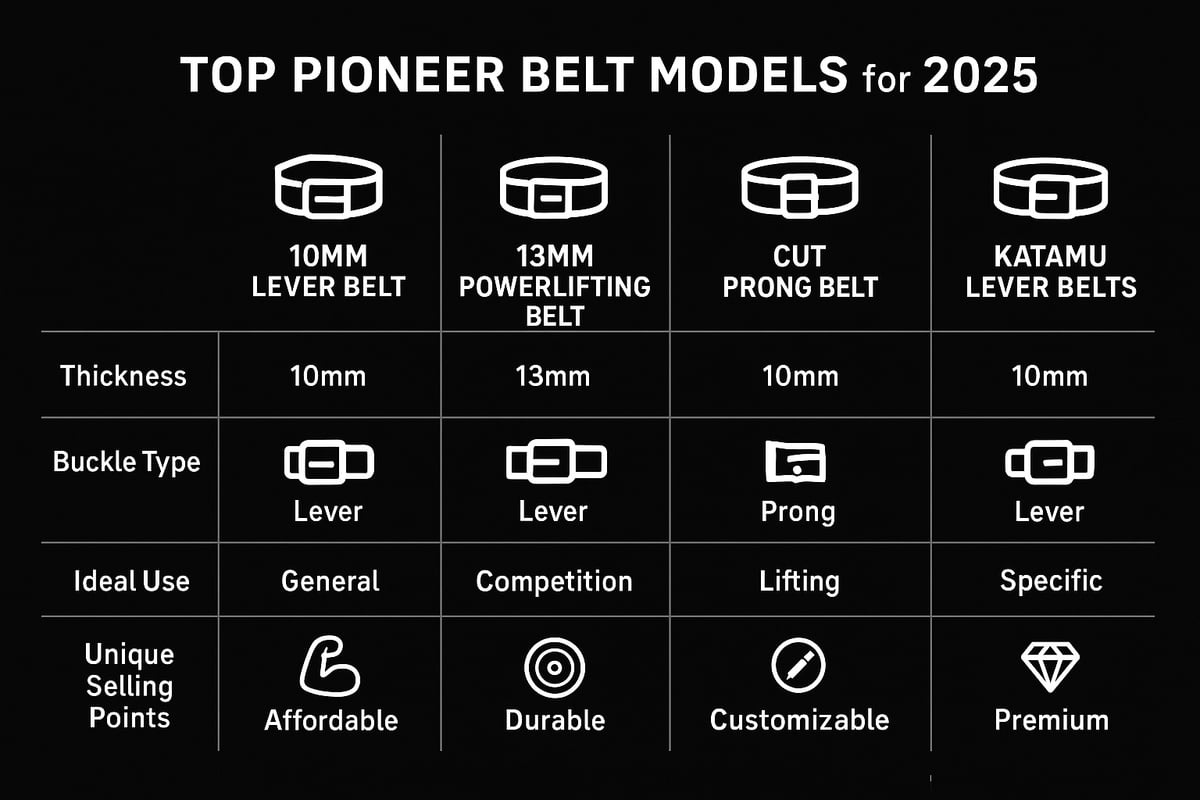
The Pioneer 10mm Lever Belt is a staple for serious lifters who want a pioneer belt that balances support and ease of use. This model features a 10mm thick single-ply leather construction, providing a firm yet flexible fit for most body types. The lever buckle mechanism allows for rapid tightening and removal, making it ideal for powerlifting sessions where speed is key.
- Thickness: 10mm
- Buckle: Lever
- Best for: Powerlifting, heavy compound lifts
- User feedback: Praised for comfort and reliability
Color options range from classic black and brown to vibrant custom finishes. Many lifters report that this pioneer belt breaks in quickly while maintaining long-term durability. For a deeper dive into user experiences and technical details, check out this Pioneer Weightlifting Lever Belt Review.
Pioneer 13mm Powerlifting Belt
Designed for maximum support, the Pioneer 13mm Powerlifting Belt is the go-to pioneer belt for advanced athletes pushing their limits. Its extra-thick 13mm leather construction delivers unmatched rigidity, which is essential for maximal squats and deadlifts. The increased stiffness means this pioneer belt is less forgiving during the break-in period but offers superior core stability once molded to your body.
- Thickness: 13mm
- Buckle: Lever or prong options
- Best for: Competitive powerlifters, max effort lifts
- Pros: Maximum support, competition-approved
However, some users find the initial feel stiff, especially if they are new to thick belts. Still, for those competing or needing extra support, this pioneer belt is a top pick.
Pioneer Cut Prong Belt
The Pioneer Cut Prong Belt stands out among pioneer belt options for its unique micro-adjustability. Unlike standard prong belts, the Pioneer cut design lets you fine-tune the fit in smaller increments, making it perfect for lifters who experience frequent weight changes or require custom tightness for different lifts.
- Buckle: Single or double prong
- Adjustability: Micro-increment holes
- Best for: Lifters needing frequent adjustments, multi-discipline athletes
- User reviews: High marks for versatility and security
This pioneer belt offers versatility for both gymgoers and competitors. The prong system is secure, and the micro-adjustment feature is a game-changer for dialing in the right amount of support.
Pioneer Hybrid and Custom Models
Hybrid and custom models expand the pioneer belt range to meet the needs of functional fitness enthusiasts and those seeking personalized flair. Hybrid pioneer belts blend lever or prong mechanisms with flexible materials, making them suitable for dynamic movements in CrossFit or general strength training.
- Customization: Colors, patterns, embroidery, logos
- Materials: Mix of leather types, suede lining, specialty finishes
- Best for: Cross-training, functional fitness, collectors
- Limited editions: Frequent themed drops and collaborations
The custom pioneer belt market continues to grow, with options for personalized text, logos, and unique colorways. These pioneer belts are also popular among collectors, as limited releases often appreciate in value.
Katamu Lever Belts: Premium Alternative
Katamu lever belts offer a fresh take in the lifting world, rivaling any pioneer belt for quality and visual impact. Crafted with robust materials and artistic design themes, Katamu belts are perfect for everyday gymgoers who want a belt that inspires confidence and stands out.
- Features: Durable construction, unique themes, wide range of sizes
- Benefits: 1-year warranty, free wrist wraps, free US shipping on orders over $75
- Audience: Lifters seeking originality, comfort, and long-term value
Katamu lever belts are designed to empower and motivate, blending function with style. For those who want the reliability of a pioneer belt but crave something distinctive, Katamu is a compelling choice.
Step-by-Step Guide: How to Choose the Right Pioneer Belt in 2025
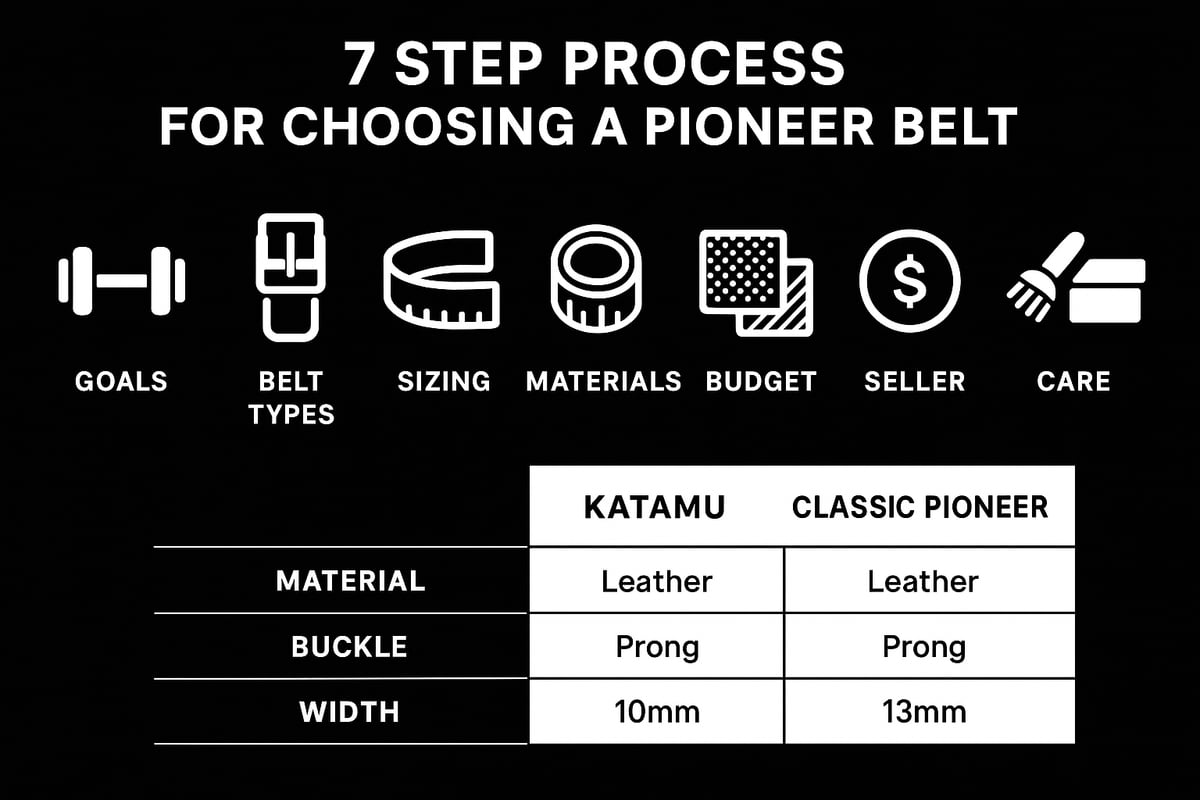
Choosing the ideal pioneer belt in 2025 can feel overwhelming, but breaking it down into clear, manageable steps makes the process simple. This guide walks you through each decision point, helping you find the perfect fit for your training style, physique, and preferences. Whether you’re a first-time buyer or upgrading your gear, follow these steps to ensure your next pioneer belt delivers on every rep.
Step 1: Define Your Lifting Goals and Needs
Start by getting clear about your training style and goals. Are you focused on powerlifting, bodybuilding, CrossFit, or general strength work? Your answer will guide which pioneer belt suits you best.
Think about how often you train and the intensity of your sessions. Competitive powerlifters often need maximum support, while recreational lifters may prefer a more versatile pioneer belt. Consider your experience level too; beginners often benefit from a belt that balances support with comfort.
Make a quick list of your top priorities, like support, adjustability, or aesthetics. This makes it easier to compare options later.
Step 2: Select the Appropriate Belt Type and Thickness
Now decide which type of pioneer belt matches your needs. Lever belts offer fast on and off, popular with powerlifters for heavy singles. Prong belts provide fine-tuned adjustments, making them great for varied workouts. Hybrid models combine features for cross-training.
Thickness matters too. A 10mm pioneer belt is flexible yet supportive, ideal for most lifters. A 13mm belt delivers maximum stiffness for advanced or competitive athletes. Consider your comfort and experience—thicker isn’t always better for everyone.
Want more guidance on lever options? Check out this Choosing the Right Lever Belt resource for an in-depth breakdown.
Step 3: Determine the Right Size and Fit
Accurate sizing is key for comfort and safety. Measure your waist at the navel, not where your pants sit. Always consult the brand’s sizing chart before ordering your pioneer belt.
Choose a belt with an adjustability range that fits your body type and allows for weight fluctuations. Lever belts offer set positions, while prong belts allow micro-adjustments. Avoid common mistakes like buying a pioneer belt that’s too large or too small.
If you’re unsure, use a flexible tape and double-check your measurements. It’s better to spend a few extra minutes now than deal with returns later.
Step 4: Choose Materials and Finish
Material choice impacts durability, comfort, and performance. Most pioneer belt models are made from high-quality leather for long-lasting support. Nylon offers more flexibility but is less common for serious lifting.
Look for belts with strong stitching, finished edges, and sturdy hardware. Customization matters too—select from a range of colors, embroidery, or even personalized logos. Brands like Katamu stand out for their robust construction and creative designs, making them a favorite for lifters wanting both quality and style.
Premium materials mean your pioneer belt will serve you for years, even with regular use.
Step 5: Set Your Budget and Compare Value
Pioneer belts range from $80 to $150+, depending on features and customization. Decide what you’re willing to invest, but remember that a high-quality pioneer belt is a long-term asset.
Compare what’s included: Are you getting a warranty, bonus gear, or free shipping? Katamu belts, for example, include a 1-year warranty and free wrist wraps, adding extra value to your purchase.
Look at both new and used options. Limited editions or custom designs may cost more, but they can also hold their value for resale.
Step 6: Research Seller Reputation and Warranty
Buy from authorized retailers to ensure authenticity and support. Check for official warranties and clear return policies before committing to a pioneer belt.
Read customer reviews, and don’t hesitate to reach out to sellers with questions. Trusted brands like Katamu and Pioneer offer strong guarantees and responsive customer service, which is essential for peace of mind.
A good warranty protects your investment and signals the brand’s confidence in its product.
Step 7: Make Your Purchase and Care for Your Belt
When you’re ready, place your order through a reputable site. After your pioneer belt arrives, follow care instructions to maximize its lifespan.
Break in your leather pioneer belt gradually—wear it during lighter sessions at first. Clean it with a damp cloth and air dry after each use. Store your belt flat or rolled loosely to maintain its shape.
With proper care, your pioneer belt will deliver reliable support for years, helping you hit new personal bests safely and comfortably.
Insider Tips and Expert Advice for 2025 Pioneer Belt Buyers
Choosing the right pioneer belt in 2025 goes beyond just specs or price tags. With so many new models, customization options, and premium brands like Katamu entering the scene, it pays to have insider knowledge before you buy.
Avoiding Common Mistakes
Even experienced lifters make errors when selecting a pioneer belt. The most frequent mistakes include:
- Picking the wrong size, leading to poor support or discomfort.
- Choosing a style that does not match your lifting discipline.
- Prioritizing flashy looks over material durability and construction.
To avoid these pitfalls, always measure your waist at the navel, check the manufacturer’s sizing charts, and select a pioneer belt suited to your main lifts. Remember, the right belt boosts both performance and safety.
Maximizing Comfort and Performance
Wearing your pioneer belt correctly is just as important as picking the right one. For optimal results:
- Position the belt at your midsection, not too high or low.
- Adjust tightness so you can brace your core but still breathe.
- Use the belt for heavy squats, deadlifts, or overheads, not every set.
If you feel pinching or restriction, consider a model with rounded edges or a suede lining. Taking time to break in your pioneer belt will pay off with lasting comfort and support.
Staying Ahead: 2025 Trends and Innovations
The pioneer belt market in 2025 is buzzing with innovation. Look out for:
| Trend | Description |
|---|---|
| Custom embroidery | Personal logos and themed art |
| Bold colorways | Limited drops in vibrant hues |
| Advanced materials | New leathers and eco-friendly options |
| Hybrid designs | Cross-training versatility |
Custom belts are gaining popularity, letting lifters express their personality while improving resale value. Expect more artist collaborations and tech upgrades in every new pioneer belt release.
Leveraging Community Insights
Listening to real lifters pays off. Online forums, social media groups, and review sites are full of honest feedback about pioneer belt models, sizing quirks, and performance. For detailed sizing tips and model suggestions, check out the Lifting Belt Suggestions and Sizing Discussion where lifters share hands-on advice.
Community-driven insights influence over 70% of purchases, so do your homework and ask questions before deciding on your next pioneer belt.
Accessorizing and Building Your Lifting Kit
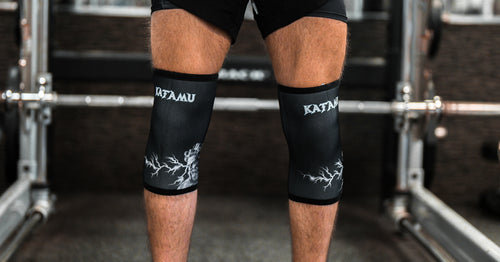
A pioneer belt is just one part of a complete lifting setup. Pair your belt with wrist wraps, straps, and sleeves for maximum support and style. Katamu Belts have made a splash in 2025 with their artistically themed lever belts, robust materials, and comprehensive gear kits. If you want originality and bundled value, explore their Weightlifting Accessories and Kits for inspiration.
Katamu offers free wrist wraps with every belt and US shipping over $75, making it easy to build a distinctive, high-performance kit that complements your pioneer belt.
Upgrading and Reselling: Belt Value Over Time
A well-maintained pioneer belt can last five years or more, retaining both function and resale appeal. Customization, limited editions, and unique colorways often boost resale value, especially for brands like Katamu. To keep your belt in top shape:
- Clean regularly with a soft brush or cloth.
- Store in a cool, dry place.
- Avoid excessive exposure to sweat or moisture.
Whether you upgrade to the latest model or pass your belt on, proper care ensures your pioneer belt remains a valuable asset for years to come.
Frequently Asked Questions About Pioneer Belts in 2025
Choosing the right pioneer belt can feel overwhelming, especially with so many options and new brands like Katamu entering the scene. Here are answers to the most common questions lifters have about pioneer belt selection, care, and value in 2025.
What’s the difference between lever and prong pioneer belts?
Lever pioneer belt models use a mechanical clasp for fast on/off and consistent tightness, making them ideal for powerlifting and heavy sets. Prong pioneer belt types, available in single or double prong, offer more adjustability for different waist sizes and training styles. Both are durable, but levers are more convenient for quick adjustments while prongs provide flexibility for various lifts.
How do I know if a pioneer belt is genuine?
To ensure your pioneer belt is authentic, buy from authorized retailers or the official Pioneer website. Genuine pioneer belt products feature high-quality stitching, premium leather, and clear branding. For custom options, use trusted tools like the Pioneer Powerlifting Belt Customizer to design and verify your purchase.
Can I use the same pioneer belt for all lifts?
A pioneer belt can be used for squats, deadlifts, bench, and overhead presses. However, some lifters prefer different thicknesses or stiffness for each lift. For example, a 10mm pioneer belt is versatile for most movements, while a 13mm is best for maximal efforts. Brands like Katamu also offer hybrid belts for those seeking all-around performance and style.
How long does a pioneer belt typically last?
With proper care, a quality pioneer belt can last over five years. Leather pioneer belt models are especially durable and withstand intense training. Clean your belt regularly, avoid excessive moisture, and store it flat to maximize its lifespan.
Are pioneer belts suitable for women and youth?
Yes, the pioneer belt is designed for all lifters. Pioneer offers a range of sizes and adjustments, making them suitable for men, women, and youth athletes. Katamu belts are also popular among women for their artistic designs and flexible sizing.
What’s the break-in period for a new leather pioneer belt?
A new leather pioneer belt may feel stiff at first. Most belts break in after two to four weeks of regular use. Suede linings, rounded edges, and quality materials like those found in Katamu belts can make the process more comfortable.
How do I clean and care for my pioneer belt?
To care for your pioneer belt, wipe it down with a damp cloth after workouts, air dry, and apply leather conditioner every few months. Avoid soaking or exposing your pioneer belt to extreme heat. Proper maintenance helps preserve both function and appearance.
Are custom designs worth the extra cost on a pioneer belt?
Custom designs add personality and can increase resale value of your pioneer belt. Features like embroidery, colored stitching, or themed artwork are popular in 2025. Katamu belts stand out for their unique artistry and limited edition drops. For a deep dive on options, check out this Custom Weightlifting Belt Features guide.
Where can I find the best deals and authentic sellers for pioneer belts?
Always check authorized pioneer belt retailers online, official brand sites, or reputable fitness stores. Watch for seasonal promotions, bundled gear deals, and new releases from premium brands like Katamu, which often include extras like wrist wraps or free shipping.
What are the warranty and return policies for pioneer belts?
Most pioneer belt purchases include a one-year warranty and flexible return policies, especially from trusted brands. Katamu belts come with a 1-year warranty and a satisfaction guarantee, providing peace of mind for your investment.
Now that you know exactly what to look for in a Pioneer belt and how to make the smartest choice for your lifting goals in 2025, why not take the next step toward building a setup that’s truly your own? At Katamu, you’ll find premium lever belts with unique designs, built to last and perfect for everyday lifters who want real support and style. Plus, you get lasting quality, a one year warranty, and a few awesome extras along the way. Ready to put your new knowledge to work? Build your setup and elevate your next session.


