 30-Day Money Back Guarantee

The lever buckle vs prong buckle decision comes down to one thing: how you want your belt to feel when the bar gets heavy. Both closures can anchor a serious lifting belt and help you create the pressure needed for hard bracing. But they deliver a very different experience between warm-ups, working sets, bodyweight changes, and max-effort attempts.
A belt is not a shortcut around technique. Your brace still does the work. The right closure simply helps you lock in a consistent fit, stay focused under load, and train without fighting your gear. If your sessions are built around heavy squats, deadlifts, presses, and the pursuit of stronger numbers, the buckle matters more than it first appears.
Lever Buckle vs Prong Buckle: The Core Difference
A lever buckle closes with a metal lever that snaps into place after the belt is set to a chosen hole. Once adjusted, it delivers the same tension every time you close it. A prong buckle works like a traditional belt: the prong passes through a hole, then the strap secures through the keeper.
Neither style automatically creates more support. Belt thickness, width, material quality, and your ability to brace have a major impact on performance. The closure changes how quickly you get tight, how easily you adjust that tightness, and how predictable the fit feels from set to set.
For lifters who want a locked-in, competition-ready feel, a lever buckle often has the edge. For athletes whose waist measurement shifts throughout the day or who want more flexibility across movements, a prong buckle remains a proven choice.
Why Lifters Choose a Lever Buckle
The lever buckle has one major advantage: repeatability. Find the position that lets you take a full breath into your abdomen and brace hard, and that is the position you return to every time. Close the lever, hear the click, and get under the bar.
That speed is meaningful when you are moving through demanding squat sets or training in a busy gym. You do not need to thread a prong through a hole while your heart rate is up and your hands are chalked. The closure is fast, direct, and built for lifters who like their setup dialed in.
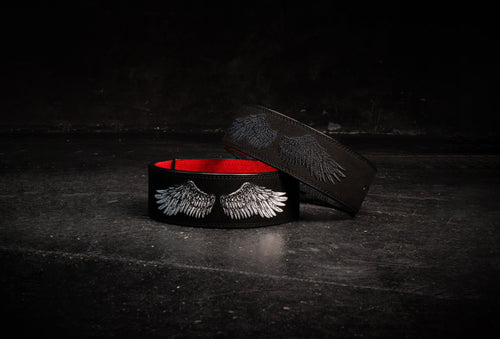
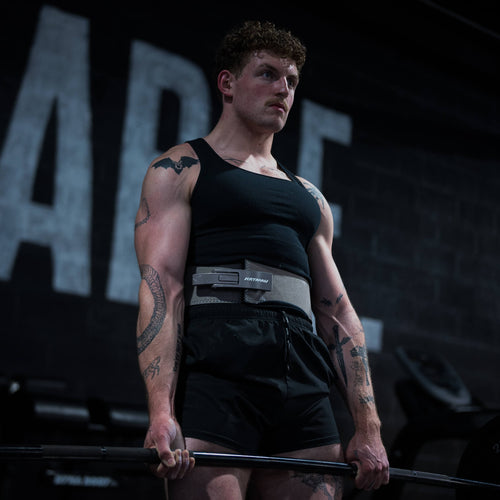
Lever belts also bring a distinct visual presence. The hardware looks purposeful, and the clean front profile fits the serious, no-compromise feel many strength athletes want from their gear. A premium lever belt is performance equipment, but it is also part of the uniform. When you train with intent, generic is not the goal.
There is a trade-off. Lever buckles are less convenient for quick micro-adjustments. If you are bloated after a meal, cutting weight, gaining size, or simply prefer a looser fit for one movement, changing the lever position can take more effort than moving a prong by one hole. Most lever systems require you to remove or reposition screws to make a meaningful adjustment.
That does not make lever belts rigid in a bad way. It makes them precise. Lifters who train at a similar bodyweight and want the same belt tension on every major set usually see that precision as a benefit.
Lever Buckles Are Best For
A lever buckle makes the most sense for powerlifting-focused training, consistent heavy squatting, and athletes who value a fast setup. It is especially strong for lifters who already know exactly how tight they like their belt and do not want to negotiate with their equipment before each set.
If you use a belt mainly for top sets and high-intensity work, a lever closure feels efficient. Set it once, close it hard, and direct your energy toward the lift.
Why the Prong Buckle Still Earns Its Place
The prong buckle is classic because it works. It is simple, durable, and highly adjustable. You choose the hole that matches the moment, which gives you more flexibility when your body or training changes.
That flexibility matters more than some lifters expect. Your waist can feel different after food, hydration, a long workday, or several hard sets. A prong buckle lets you loosen the belt for warm-ups, cinch it down for heavy attempts, or make a small adjustment between squat and deadlift without dealing with hardware.
Prong belts also tend to be easier to share across athletes or use through changing phases of training. A newer lifter still learning how to brace may appreciate the freedom to test different levels of tightness. Bodybuilders who move between compound lifts, machines, and accessories can also benefit from the quick range of adjustment.
The downside is speed and consistency. Threading the prong takes longer than closing a lever, especially when the belt is stiff and new. Getting the exact same tension every session can be harder too. One hole may feel ideal, while the next hole feels noticeably too loose or too tight.
A prong buckle is not less serious. Plenty of strong lifters trust them for brutal training and competition. It simply prioritizes versatility over the click-in consistency of a lever.
Prong Buckles Are Best For
Choose a prong buckle if your bodyweight fluctuates, you are still learning your preferred belt tension, or you use one belt across a wide variety of movements. It is also a smart option if you want uncomplicated hardware that can be adjusted in seconds.
For athletes building their first serious lifting setup, a prong belt can offer room to learn. You can experiment with fit instead of committing immediately to one exact setting.
Fit Matters More Than the Closure
The strongest buckle in the world cannot fix a belt that does not fit your body or training style. Before choosing either closure, start with the belt itself. Measure around the area where you will actually wear it, usually around the navel or slightly above it depending on your build and the lift. Do not use your pant size as the deciding number.
A properly fitted belt should close with enough room to expand your abdomen into it. You want firm contact around your torso, not a belt cranked so tight that you cannot take a full breath. The goal is to brace outward in all directions, creating a stable cylinder through your trunk.
For most lifters, a 4-inch belt provides strong all-around support for squats and pulls. Some athletes prefer a tapered design for deadlifts or for more room around the ribs and hips. Your torso length, hip shape, and comfort at the bottom of a squat all matter. The belt should feel like armor, not an obstacle.
How to Choose for Your Training
Think about your actual sessions, not just the hardest lift you plan to hit six months from now. If you arrive, warm up, tighten your belt for heavy compound work, and want zero wasted motion, choose a lever. Its appeal is control: the same position, the same closure, the same ritual before you attack the set.
If your training varies from heavy barbell work to hypertrophy sessions, or your fit changes frequently, choose a prong. It gives you more options without asking you to reset the hardware. This is useful for athletes who wear a belt only occasionally as well as lifters who use it throughout a long session.
Budget and long-term ownership can be part of the decision too. Quality hardware and belt construction are worth prioritizing over gimmicks. Look for solid materials, secure fastening points, clean finishing, and a closure that feels dependable in your hands. A belt is exposed to sweat, compression, friction, and repeated force. It should be built to keep showing up.
Katamu athletes who want a sharper, locked-in training setup often gravitate toward lever buckles because they match the pace and intensity of serious strength work. Still, the best choice is the one that lets you brace with confidence instead of thinking about your belt halfway through a heavy set.
Use Your Belt Like a Tool, Not a Crutch
Whether you choose a lever or prong buckle, spend time learning your setup. Place the belt where it gives you room to brace. Fill your torso with air, expand into the belt, and maintain that pressure through the demanding portion of the lift. Start on moderate loads until the position feels natural.
Do not wear it painfully tight just because tighter looks more hardcore. If you cannot breathe, set your brace, or move into a strong squat position, the fit is working against you. Your belt should amplify disciplined technique, not replace it.
The right closure is the one you trust when the weight stops feeling casual. Choose the fit that lets you step to the bar, lock your brace, and make every hard rep look intentional.
