

 30-Day Money Back Guarantee

Ready to power up your training and see results like never before? The right belt gym workout can be your secret weapon for unlocking new strength in 2026. With expert-backed techniques and the latest gear, you can train smarter, lift heavier, and protect your body for the long run.
This guide breaks down everything you need to know about belt gym workout strategies. Discover the science behind lifting belts, how to pick the perfect one, and real-world routines to take your performance to the next level. From top industry tips to step-by-step plans, get ready to transform your workouts and achieve your goals.
Understanding Belt Gym Workouts: Science & Benefits
Unlocking the power of a belt gym workout starts with understanding its true purpose. A belt gym workout incorporates a specialized lifting belt to support your core and spine during heavy lifts. This approach is gaining popularity in strength training circles, especially as lifters chase new personal bests in 2026.
What Is a Belt Gym Workout?
At its core, a belt gym workout is a structured training session that uses a lifting belt as a tool for maximizing strength and safety. The belt is worn tightly around the waist, typically during compound lifts like squats or deadlifts. Its main purpose is to enhance performance while protecting the lower back.
The Science: Core Stabilization and Intra-Abdominal Pressure
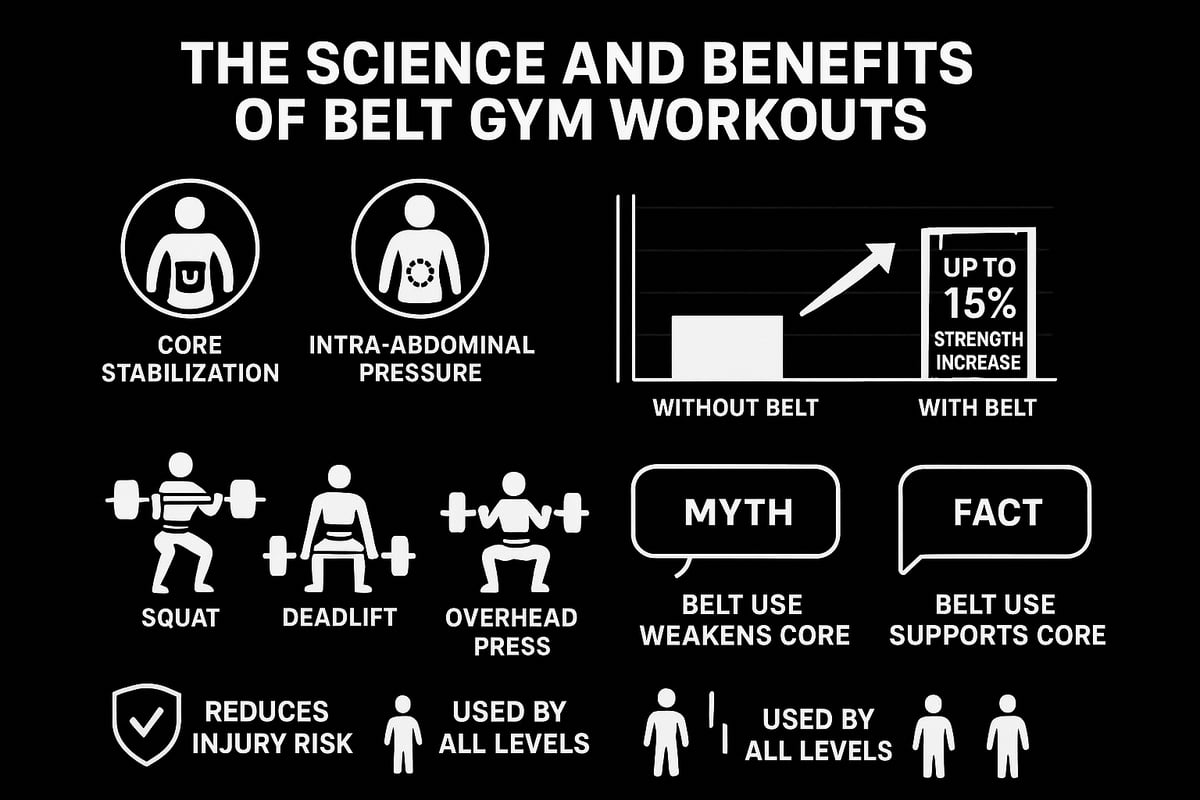
When you perform a belt gym workout, the belt acts as a cue for your body to brace the core. As you inhale deeply and push your abdominal muscles outward, the belt helps increase intra-abdominal pressure. This internal pressure acts like a natural weightlifting shield, supporting your spine during heavy lifts.
Biomechanically, this means your core muscles work together to stabilize the trunk. The belt does not replace your core, but it amplifies your body's natural bracing ability. This is especially important when lifting near-maximal loads, where even a slight loss of form can lead to injury.
How Belts Boost Performance and Reduce Spinal Stress
Research backs the benefits of a belt gym workout. According to the National Strength and Conditioning Association (NSCA), using a lifting belt can increase performance by up to 15 percent. The belt reduces spinal compression and helps transfer force more efficiently from your lower body to the barbell. For a deeper dive into these benefits, check out the Benefits of Using a Lifting Belt.
The belt also supports your lower back by limiting excessive spinal flexion. This means you can lift heavier weights with greater confidence and reduced risk of injury.
Common Misconceptions About Lifting Belts
One common myth is that a belt gym workout will weaken your core over time. In reality, if used correctly and combined with beltless training, a lifting belt supports—not replaces—core development. The key is to use the belt for your heaviest sets, not every single exercise.
Some people believe belts are only for powerlifters. In truth, anyone looking to lift safely and effectively can benefit from a well-structured belt gym workout.
Best Exercises for Belt Use
Not every movement requires a belt. The most significant benefits occur during heavy compound lifts, such as:
- Squats
- Deadlifts
- Overhead presses
These exercises put the most stress on your spine and core, making a belt gym workout particularly valuable. For rows, curls, or lighter isolation moves, it's best to train without a belt to keep your core engaged.
Belts for Beginners vs. Advanced Lifters
Beginners may wonder if a belt gym workout is right for them. The truth is, a belt can be helpful once you have learned proper lifting technique and are working with challenging weights. Advanced lifters use belts strategically to break through plateaus and push their limits safely.
Belts, Injury Prevention, and Training Longevity
A belt gym workout is not just about lifting heavier. The right belt can help prevent injuries by stabilizing your spine and reducing the load on vulnerable areas. Over time, this means more consistent training and fewer setbacks.
Incorporating a belt into your routine is a science-backed way to enhance your strength journey while protecting your body for the long haul.
Choosing the Right Lifting Belt for 2026
Selecting the perfect lifting belt is a crucial step in optimizing your belt gym workout. The right choice boosts your confidence under the bar, protects your spine, and helps you get the most from every session. With so many options in 2026, it's important to understand the features that match your needs.
Types of Lifting Belts & Key Features
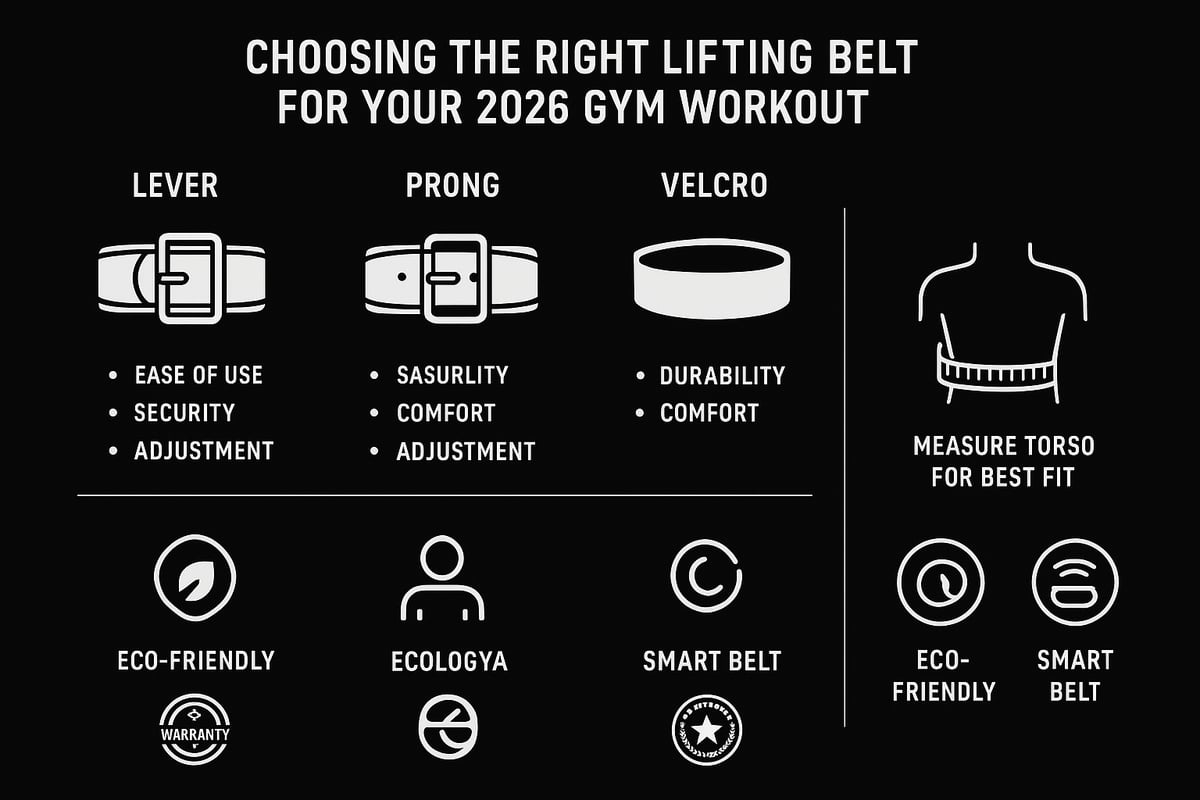
There are three main types of belts you'll encounter for a belt gym workout: lever, prong, and velcro. Lever belts offer quick adjustments and secure locking, making them popular for powerlifting. Prong belts, available in single or double-prong, provide classic support and are easy to fine-tune for comfort. Velcro belts are lightweight and favored for CrossFit or dynamic routines, offering flexibility but less rigidity.
Each type has unique benefits. For instance, lever belts excel in maximal lifts, while velcro options shine in high-movement workouts. If you're unsure which is best for your belt gym workout, check out this Choosing the Right Weightlifting Belt guide for a detailed breakdown of pros and cons.
Material Comparison & Specs
The material of your lifting belt matters for both performance and comfort in a belt gym workout. Leather belts are the gold standard, providing unmatched durability and firm support. They're ideal for heavy squats and deadlifts. Nylon belts, on the other hand, are lighter, more flexible, and comfortable for longer sessions or circuit training.
| Feature | Leather Belt | Nylon Belt |
|---|---|---|
| Durability | High | Moderate |
| Comfort | Stiff, supportive | Soft, flexible |
| Best For | Max lifts | Dynamic workouts |
Thickness and width also play a role. Standard widths range from 4 to 6 inches. Thicker belts (10-13mm) are best for strength athletes, while thinner belts suit general fitness routines.
Sizing and Fit for Optimal Support
Proper sizing is essential to maximize the benefits of your belt gym workout. Measure your torso at the point where you plan to wear the belt, typically just above the hips. Use the manufacturer's sizing chart, as sizes often differ from regular waist measurements.
A good fit should feel snug but not restrictive. The belt should allow you to brace your core fully during heavy lifts. Test different widths and thicknesses to find what feels best for your body and lifting style.
2026 Innovations, Price, Testing & Brands
In 2026, the belt gym workout scene features exciting innovations. Eco-friendly belts made from recycled materials are now widely available, appealing to environmentally conscious athletes. Custom designs with personalized colors and smart belts with built-in sensors for tracking performance are gaining popularity.
When investing in a belt, balance price and quality. Premium belts may cost more upfront, but their longevity and support make them worth it for a dedicated belt gym workout routine. Always test the belt before purchasing, checking for comfort, adjustability, and warranty coverage. Trusted brands often offer 1-year warranties and satisfaction guarantees for peace of mind.
Whether you're a beginner or a seasoned lifter, choosing the right lifting belt sets the foundation for safe, effective, and enjoyable belt gym workout sessions.
Step-by-Step Guide: Belt Gym Workout Routine for 2026
Unlocking your best performance in the gym starts with a structured approach. This step-by-step guide breaks down the essentials of a successful belt gym workout routine for 2026. Each phase is designed to help you lift smarter, reduce injury risk, and maximize every rep.
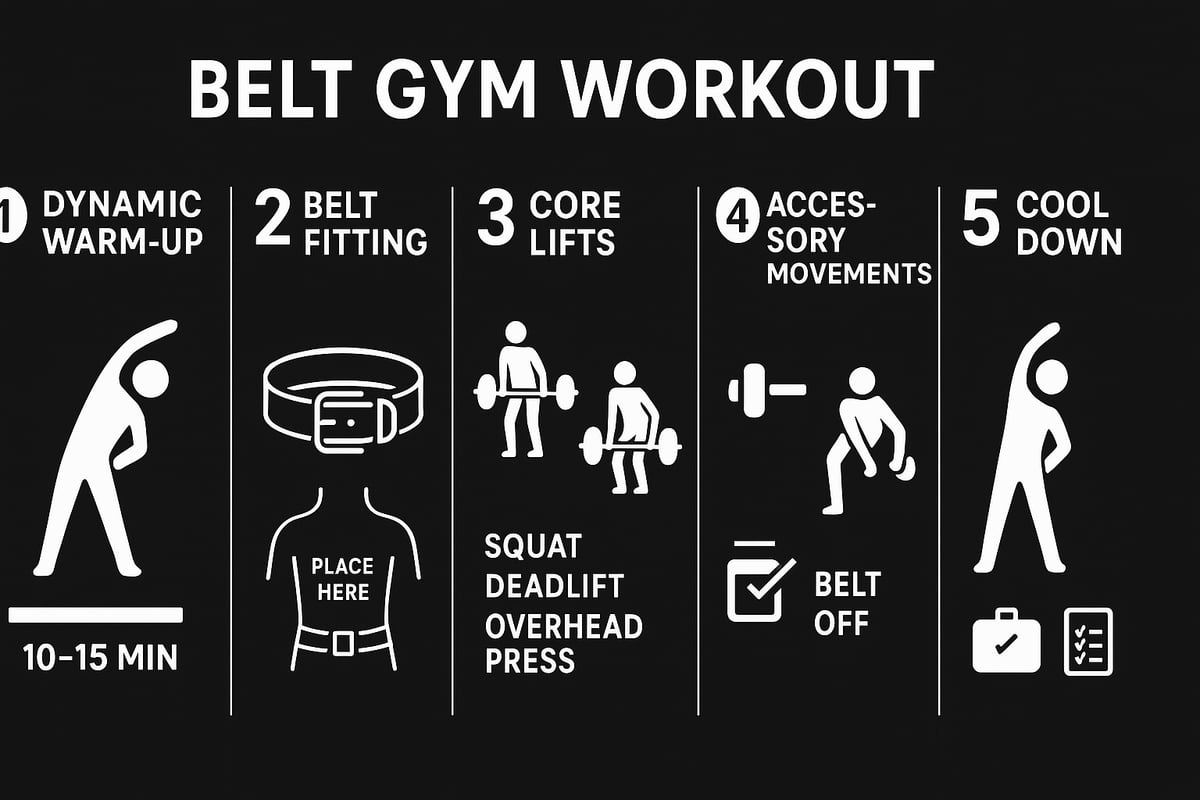
Step 1: Warm-Up & Mobility Preparation
Every effective belt gym workout begins with a thorough warm-up. Prepping your body with dynamic movements primes your muscles, joints, and core for heavy lifting. Start with 5-10 minutes of light cardio, like rowing or cycling, to increase blood flow.
Next, focus on mobility drills that target your hips, ankles, and shoulders. Try walking lunges, hip circles, and arm swings. These movements boost joint flexibility and help prevent injuries.
Before strapping on your belt, activate your core with planks or bird dogs. This primes your midsection for the demands of a belt gym workout. Remember, a solid warm-up ensures your body is ready for heavier loads and powerful lifts.
Step 2: Belt Placement & Bracing Technique
Proper belt placement is the foundation of any belt gym workout. Position the belt around your midsection, just above your hip bones. The belt should feel snug but not restrictive, allowing you to take a deep breath and brace your core.
Master the bracing technique by inhaling deeply, expanding your abdomen against the belt, and maintaining tension throughout the lift. This increases intra-abdominal pressure and stabilizes your spine.
Common mistakes include wearing the belt too high or too loose. For a detailed guide on getting this step right, check out the Proper Belt Placement and Technique. Fine-tuning your setup elevates your belt gym workout and keeps you safe under heavy loads.
Step 3: Core Lifts with Belt Integration
Core lifts like squats, deadlifts, and overhead presses are the heart of any belt gym workout. Integrating your belt during these compound movements helps you move more weight with better form.
For strength, try a 5x5 squat routine: five sets of five reps at 75-85% of your max. For hypertrophy, 3-4 sets of 8-12 reps work well. Always brace before each rep and focus on controlled movement.
As you progress, gradually add weight while maintaining perfect technique. The belt gym workout routine encourages safe progression, letting you push your limits without sacrificing form.
Step 4: Accessory Movements & When to Remove the Belt
Not every exercise in a belt gym workout requires a belt. For accessory moves like rows, curls, or lateral raises, it's often best to go beltless. This keeps your core engaged and prevents over-reliance on external support.
Balance is key. Alternate between belted and beltless sets to maintain core strength. Try this sample circuit:
- Dumbbell rows: 3x10 (no belt)
- Plank holds: 3x30 seconds
- Walking lunges: 3x12 (no belt)
- Face pulls: 3x15
This approach ensures a well-rounded belt gym workout, promoting stability and longevity in your training.
Step 5: Cool Down & Post-Workout Care
Finish your belt gym workout with static stretching for your hips, glutes, and back. Spend 5-10 minutes on deep breathing and gentle core stability exercises like dead bugs or side planks.
After your session, wipe down your belt and store it flat or hanging to preserve its shape. Track your lifts, belt usage, and progress in a workout log or app. As your strength improves, adjust how and when you use the belt to keep challenging your body.
Consistent post-workout care extends the life of your gear and ensures every belt gym workout delivers results.
Expert Tips for Maximizing Belt Gym Workouts
Unlocking the full potential of your belt gym workout takes more than just strapping on a belt. The secret lies in timing, technique, and a holistic approach. Top coaches and athletes agree: your belt should be an extension of your training, not a crutch. Let’s break down their top advice to help you maximize every rep and set.
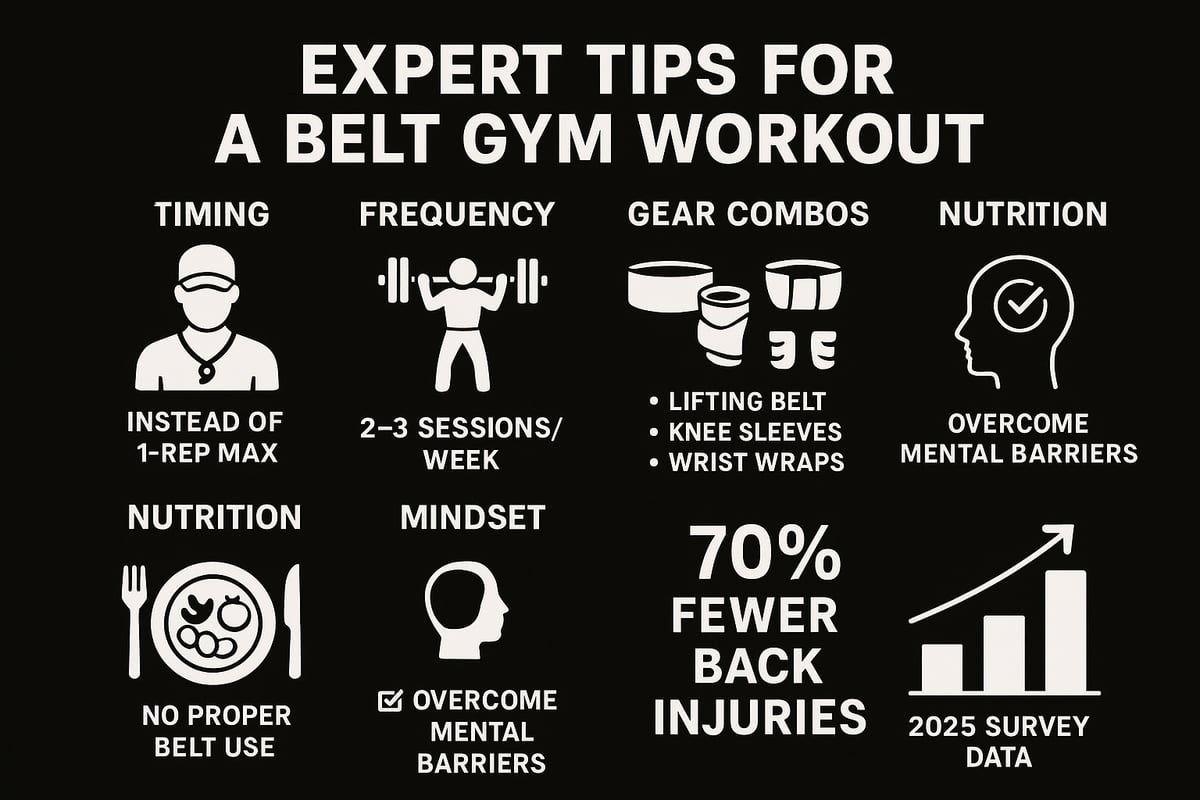
Learn from the Pros: Timing and Frequency
Elite lifters use their belts strategically. Rather than wearing it for every move, they reserve it for the heaviest, most compound lifts. A well-planned belt gym workout means using your belt for top sets of squats, deadlifts, or overhead presses—usually when working at 80% or more of your one-rep max.
Coaches recommend starting your session beltless to warm up your core and only adding the belt when the load truly demands extra support. This keeps your core strong and prevents dependency.
Break Through Plateaus with Intentional Belt Use
When you hit a plateau, a smart belt gym workout can help you push past it. The belt provides instant feedback on your bracing technique, helping you generate more intra-abdominal pressure. Try incorporating the belt during high-intensity phases, such as 5x5 or 3x3 strength blocks.
Here’s a simple approach:
- Use the belt for heavy sets only.
- Alternate belt and beltless days to maintain balance.
- Track performance with and without the belt to spot trends.
This method supports progress while building confidence under heavier loads.
Don’t Over-Depend: Listen to Your Body
A belt gym workout is most effective when you listen to your body. Avoid the temptation to use the belt for every exercise. Over-reliance can limit core development and may mask fatigue or technical flaws.
If you notice discomfort or decreased performance, check your belt fit and positioning. Remember, the goal is support, not restriction. Mix in beltless training to keep your core engaged and responsive.
Combine Gear and Prioritize Recovery
To get the most from your belt gym workout, pair your belt with other supportive gear as needed. Knee sleeves and wrist wraps offer joint support during heavy lifts, while lifting shoes can enhance stability.
Nutrition and recovery play a crucial role. Focus on protein-rich meals and ample hydration after tough sessions. Sleep and active recovery—like foam rolling and light stretching—help your muscles and core adapt to increased demands.
Quick Gear Comparison Table
| Gear | Purpose | When to Use |
|---|---|---|
| Lifting Belt | Core support | Heavy compound lifts |
| Knee Sleeves | Knee protection | Squats, lunges |
| Wrist Wraps | Wrist stability | Presses, heavy pulls |
Real-World Usage, Data, and Mindset
A 2025 survey found that 70% of intermediate lifters experienced fewer back injuries when using proper belt technique. Still, many gymgoers misuse belts or misunderstand their role. According to weight lifting belt use patterns among health club members, belts are often used on lifts that don’t require them, highlighting the need for education and self-awareness.
To overcome mental barriers, treat your belt as a tool for building confidence under heavy loads. Visualize successful lifts and use the belt as a cue for strong bracing. Celebrate small wins and adjust your routine as your strength grows to keep motivation high.
Common Mistakes & How to Avoid Them
Even with the best intentions, many lifters fall into common traps during their belt gym workout journey. Knowing what to avoid is just as important as knowing what to do right. Let’s break down the most frequent mistakes and how you can sidestep them for optimal results.
Using the Belt on the Wrong Exercises
A frequent error is wearing a belt for every lift, even light or isolation movements. This overuse limits your core development and can make you reliant on the belt for support you don’t need. Instead, save your belt gym workout for compound lifts like squats, deadlifts, and overhead presses where extra stability is crucial. For a deeper dive on when to use a belt, check out Weightlifting Belt Use for Beginners.
Incorrect Fit and Failing to Adjust as You Progress
A poorly fitted belt can hinder your performance and even cause discomfort. Make sure your belt gym workout routine includes checking that the belt sits snugly around your core, but not so tight that it restricts breathing. As you get stronger and your technique improves, you may need to adjust your belt’s tightness or placement. Don’t ignore these small tweaks—they can make a significant difference in both comfort and results.
Neglecting Core Training and Believing Outdated Myths
Some believe that using a belt weakens the core. In reality, the opposite is true when used properly. Still, it’s a mistake to skip direct core work during your belt gym workout program. Incorporate planks, carries, and rotational exercises to maintain strong, functional abs. Belief in outdated myths about belts can also be harmful. Despite what you may have heard, recent research shows no evidence that back belts reduce injury, so always rely on proper technique and balanced training.
Ignoring Maintenance and Troubleshooting Issues
Neglecting your belt’s care can shorten its lifespan. Always follow the manufacturer’s cleaning and storage guidelines. After each belt gym workout, wipe down your belt and store it in a dry place. Address any discomfort or performance drop-offs by reviewing your form, fit, and frequency of use. Here’s a quick checklist to keep you on track:
- Use the belt only for heavy, compound lifts
- Check fit and adjust as needed
- Maintain core training alongside belt use
- Challenge outdated beliefs with current research
- Clean and store your belt properly
Learning from these mistakes ensures your belt gym workout is both safe and effective for years to come.
Belt Gym Workout Progression & Tracking for 2026 Success
Unlocking your true strength with a belt gym workout requires more than just strapping on a belt. To make real progress, you need a plan for setting goals and measuring every lift. Start by defining both short-term targets, like adding 5 kg to your squat in a month, and long-term aims, such as mastering advanced lifts by the end of 2026.
A simple tracking table helps you visualize your belt gym workout progress:
| Metric | Example Goal | Tracking Tool |
|---|---|---|
| Squat Max (kg) | +5 kg/month | App/Notebook |
| Belt Use (sets) | 50% of core lifts | Digital Log |
| Core Exercises | 2x/week beltless | Weekly Planner |
Keep this table updated after each session. Consistent logging ensures you stay focused and can adjust your belt gym workout strategy as your strength improves.
Setting Goals and Tracking Progress
Leverage modern analytics tools and apps to take your belt gym workout to the next level. Many 2026 platforms allow you to log sets, reps, volume, and even note when you use your belt. Over time, you’ll spot trends, plateaus, and breakthroughs.
For example, tracking how your core stability or spinal alignment changes with belt use can be informed by research like Effects of a lifting belt on spine moments and muscle recruitments, which highlights the biomechanical impact of proper belt integration.
Leveraging Analytics and Progression
As you become more data-driven, review your records monthly. When your belt gym workout numbers plateau, it might be time to increase intensity or try new routines. Don’t forget to incorporate regular beltless sessions. This keeps your core strong and ensures you aren’t relying solely on external support.
Set reminders to periodically test lifts without a belt. Compare performance and note how your technique or stability evolves over time.
Celebrating Success and Staying Motivated
Every milestone in your belt gym workout journey deserves recognition. Whether you hit a new personal best, master a challenging technique, or maintain a perfect log for a month, celebrate these wins. Motivation stays high when you see tangible results and reward your consistency.
Remember, progression is not always linear. Trust your data, adjust as needed, and enjoy the process as you build lasting strength and resilience for 2026 and beyond.
Now that you know how the right lifting belt can boost your performance and protect your back, it’s time to take action on your 2026 fitness goals. Whether you’re just starting out or leveling up your strength routine, choosing quality gear makes all the difference. Katamu’s premium lever belts and accessories are made for real gymgoers like us—built tough, stylish, and ready for everyday training. If you’re ready to see what expert-approved support feels like, check out their collection and Secure your belt for your next workout. Your strongest lifts are just getting started!
