 30-Day Money Back Guarantee

Did you know that in 2025, the demand for belt support gym gear is at an all-time high? More gym-goers than ever are making injury prevention and peak performance their top priorities, sparking intense interest in choosing and using the right belt for every workout.
Understanding belt support gym essentials can help you lift heavier, protect your lower back, and walk into the gym with greater confidence. This guide shares expert tips on picking the perfect belt, mastering proper use, avoiding common mistakes, and staying updated with the latest recommendations for 2025.
The Science Behind Belt Support: Why It Matters in 2025
The science of belt support gym gear is evolving rapidly, making it crucial for anyone serious about safe, effective lifting in 2025. Whether you are a beginner or a seasoned athlete, understanding how and why gym belts work can be a game-changer for your training results.
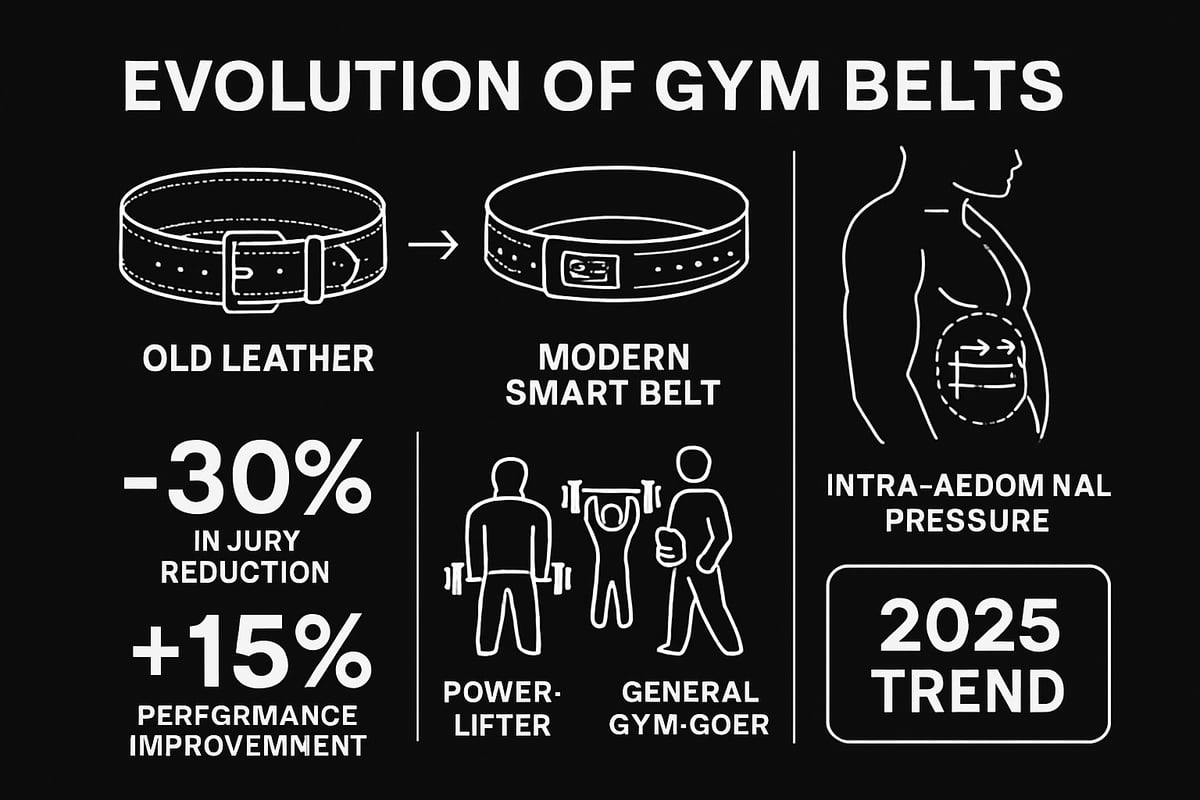
Evolution of Lifting Belts in Fitness
Lifting belts have traveled a fascinating journey from the powerlifting platforms of the 1970s to today’s mainstream gyms. Originally, these belts were thick, stiff leather bands, designed for maximum rigidity but not always for comfort. As fitness culture expanded, so did belt innovation.
In 2025, belt support gym equipment benefits from high-tech materials, ergonomic designs, and adjustable mechanisms. Compare the old-school leather belts to modern lever and prong belts in the table below:
| Feature | Old-School Leather Belt | Modern Lever/Prong Belt |
|---|---|---|
| Material | Stiff leather | Advanced synthetics, softer leather |
| Adjustability | Buckle only | Lever or prong for quick changes |
| Comfort | Minimal padding | Contoured, padded, breathable |
These advances are not just about looks. According to Innovations in Weightlifting Belt Materials, new materials are driving both performance and safety. The result? Belt support gym gear is now more accessible and effective than ever.
Biomechanics and Injury Prevention
Why does a belt support gym safety? The answer lies in biomechanics. When you wear a lifting belt correctly, it increases intra-abdominal pressure. This pressure acts like an internal brace, stabilizing the spine during heavy lifts.
Research shows that using a belt can reduce the risk of lower back injuries by up to 50% when used properly. Imagine a lifter preparing for a heavy deadlift. With proper belt support gym technique, the core is braced and the lower back protected, significantly lowering injury risk.
A real-life example: Many seasoned lifters have avoided major setbacks by using belts during high-intensity phases. The science is clear—belt support gym strategies are essential for anyone looking to train smart and stay injury-free.
Performance Enhancement Benefits
Beyond injury prevention, belt support gym gear directly impacts performance. Studies have revealed that lifters using belts can see a 5-15% increase in their one-rep max for compound movements like squats and deadlifts.
The reason is simple. The extra core stability from a belt allows you to lift heavier with better form. For example, a powerlifter may add 10-20 pounds to their squat simply by adding a belt to their routine. This boost is not just for elite athletes—recreational lifters also see tangible gains.
With belt support gym practices, you can safely push your limits and achieve new personal bests.
Who Should Use a Belt?
Who really needs a belt support gym accessory? The answer depends on your goals and training style. Powerlifters and competitive athletes rely on belts for maximal lifts, while casual gym-goers might use them occasionally for added confidence.
There are myths around belts, like the idea that they make you weak or replace core training. In reality, when used correctly, belts do not decrease core activation. The key is to use a belt support gym tool as an aid, not a crutch.
A belt is essential for heavy compound lifts, but optional for lighter loads or accessory work. Always match belt use to your training intensity and needs.
2025 Trends: Smarter Training, Smarter Support
Looking ahead, belt support gym technology is only getting smarter. Expect to see belts with integrated sensors that track form and pressure, giving real-time feedback.
Gym culture in 2025 is focusing more on safety, form, and personalized training. As a result, adoption rates for high-quality belts are rising, and more gym members are making informed choices about their gear.
With these innovations, belt support gym practices will continue to set new standards for both safety and performance.
Choosing the Right Belt: Materials, Types, and Sizing
Finding the best belt support gym gear is crucial for anyone serious about safety, performance, and progress. The right belt can make a world of difference in both protection and confidence during heavy lifts. With so many options available in 2025, understanding the types, materials, sizing, and value is more important than ever.
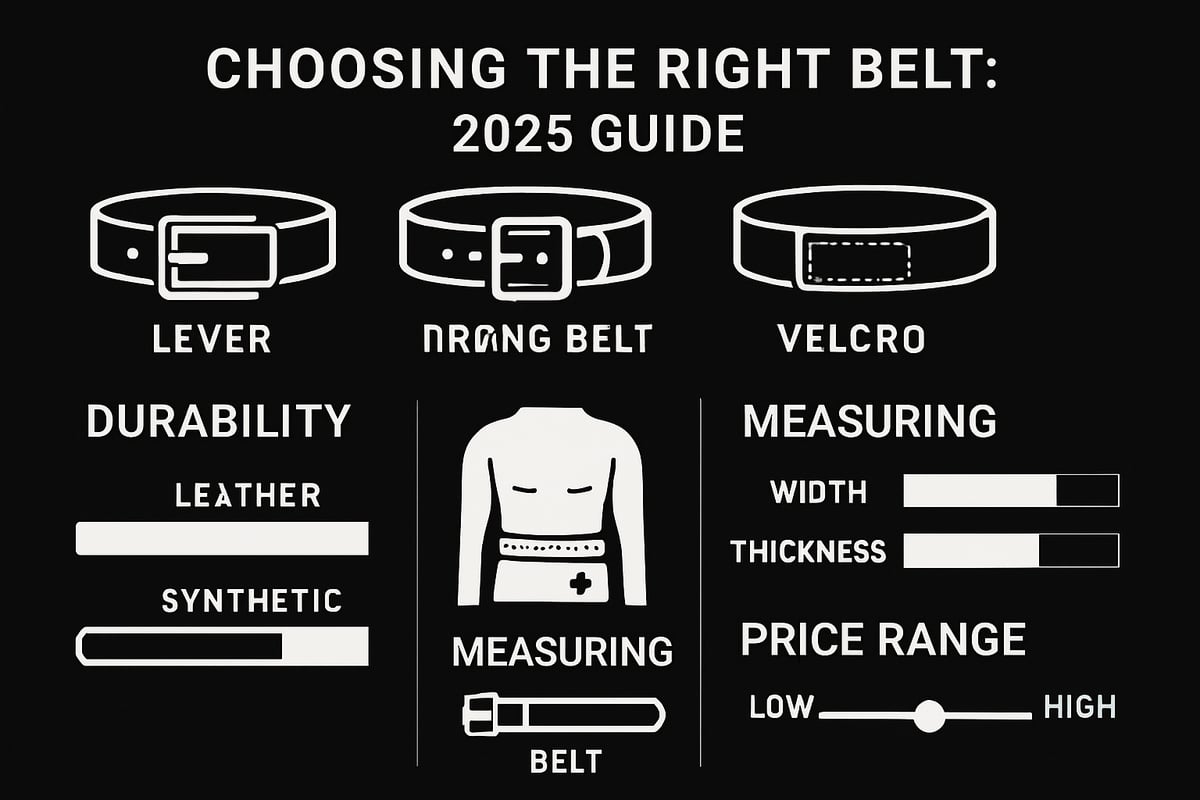
Belt Types Explained: Lever, Prong, Velcro, and More
Belt support gym options come in several main types, each with specific benefits. Lever belts are popular for powerlifters who want fast, secure adjustments without fuss. Prong belts offer classic reliability and fine-tuned tightness, preferred by those who like a traditional feel. Velcro belts are lightweight and flexible, making them ideal for CrossFit or functional training.
- Lever belts: Quick release, strong lock, best for heavy lifts.
- Prong belts: Adjustable, durable, classic style.
- Velcro belts: Lightweight, easy to wear, versatile for dynamic workouts.
Choosing the right type depends on your training style and personal comfort. Remember, the right belt support gym product should match your goals and lifting demands.
Material Matters: Leather vs. Synthetic
Material choice greatly impacts your belt support gym experience. Leather belts are the gold standard for durability and firmness, often lasting three times longer than synthetic alternatives. Genuine leather molds to your body over time and provides consistent support, while synthetic belts are lighter and sometimes more affordable.
| Material | Durability | Comfort | Eco Options | Average Lifespan |
|---|---|---|---|---|
| Leather | High | Firm | Yes | 5+ years |
| Synthetic | Medium | Soft | Yes | 1–2 years |
In 2025, eco-friendly and vegan belts have gained traction, offering sustainable options without sacrificing support. When picking materials, weigh your environmental values alongside the need for reliable belt support gym gear.
Sizing and Fit: How to Measure for Maximum Support
Getting the right fit is essential for belt support gym effectiveness. Measure your waist at the level where the belt will sit, typically just above your belly button. Always follow the brand's sizing chart and double-check before purchasing.
- Use a soft tape measure for accuracy.
- Pull snug but not tight, allowing room for breathing.
- Compare your measurement to the manufacturer’s chart.
For a detailed walkthrough, check out this Weightlifting belt sizing guide. A poor fit can reduce belt support gym benefits, causing discomfort or even increasing injury risk.
Thickness and Width: What’s Right for You?
Thickness and width directly affect the level of belt support gym offers. Standard thicknesses are 10mm and 13mm. Thicker belts provide more rigidity for heavy lifts, while thinner ones are flexible for general fitness.
- 10mm belts: Suitable for most lifters, balance of support and comfort.
- 13mm belts: Maximum support, ideal for competitive powerlifting.
- Width (4-inch): Common for powerlifting, covers more of the core area.
- Width (6-inch): Offers broader support, sometimes favored for strongman or taller athletes.
Choose based on your body type and the lifts you perform. The right thickness and width will enhance your belt support gym experience and keep you lifting safely.
Budget vs. Premium: What Should You Invest In?
Belt support gym products range from budget-friendly to high-end. Entry-level belts start around $40, while premium options can exceed $150. Investing in a quality belt often pays off with better durability and comfort.
- Budget: Basic support for beginners, shorter lifespan.
- Mid-range: Improved materials, solid performance.
- Premium: Top-notch leather, advanced features, long warranties.
Consider cost per use—premium belts may seem pricey but last significantly longer. If you train regularly, investing in a higher-quality belt support gym accessory can be a smart move that boosts both safety and satisfaction.
How to Use a Gym Belt: Step-by-Step Expert Guide
Ready to get the most out of your belt support gym experience? Using a gym belt properly is a game-changer for safety, performance, and confidence. This step-by-step guide breaks down exactly how to use your belt, from knowing when to put it on to keeping it in top shape. Follow these expert tips to avoid common mistakes and maximize every rep.
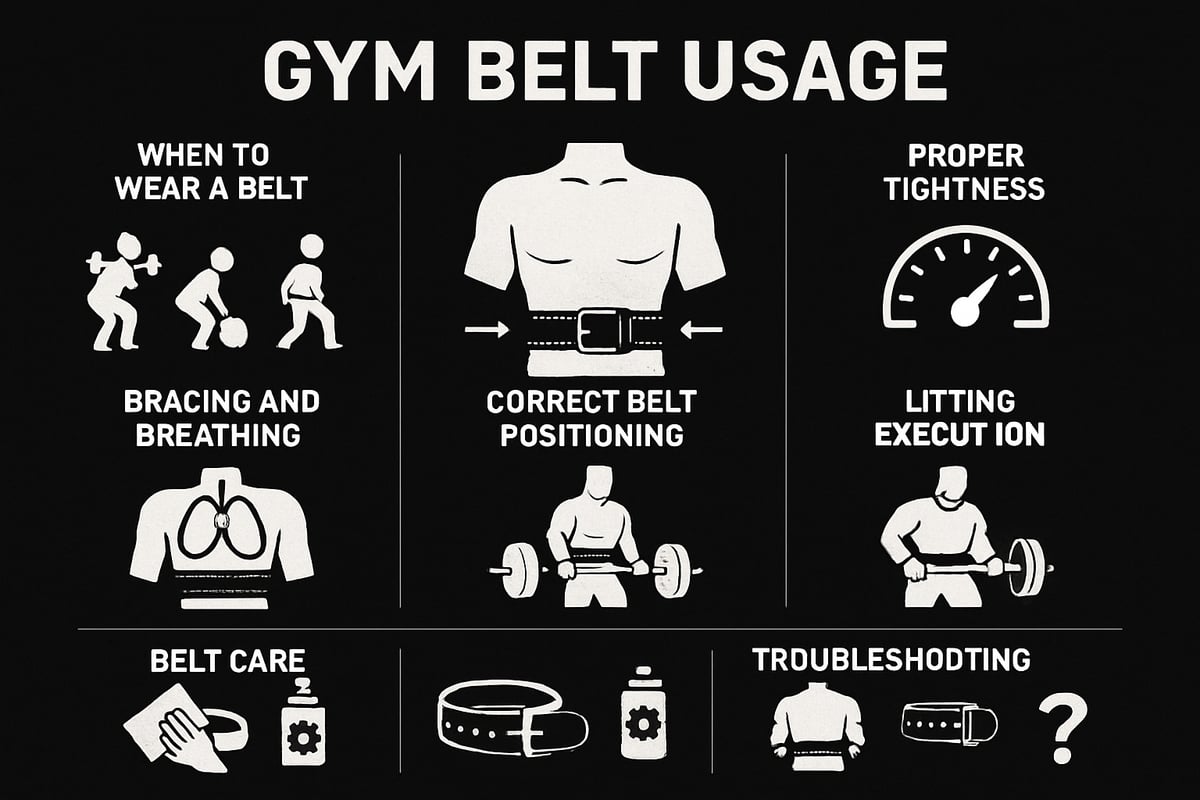
When and When Not to Wear a Belt
The first step in mastering belt support gym routines is knowing exactly when to use your belt. Belts are most beneficial during heavy compound lifts like squats, deadlifts, and overhead presses, especially at loads above 80% of your one-rep max. For lighter weights or accessory movements, your core should do the heavy lifting without support.
Wearing a belt for every exercise can actually hinder progress. Save your belt for high-intensity sets or max attempts. Deciding between a belt and other accessories? Check out this Deadlift straps vs. belts resource for a clear comparison of when each tool shines.
For general fitness, belts are optional, but as you progress to heavier lifts, the belt support gym approach can help you lift more safely and effectively.
Step 1: Positioning the Belt Correctly
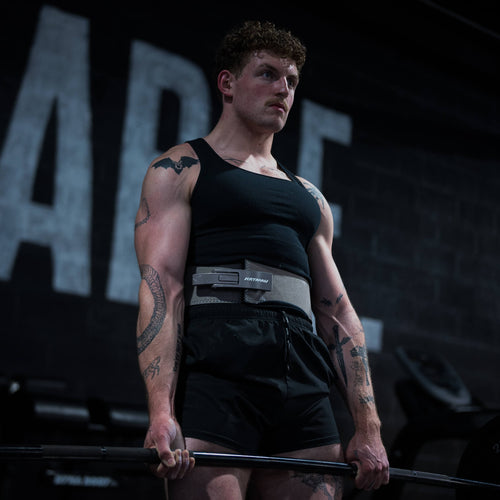
Getting the placement right is crucial for belt support gym success. Position the belt over your navel, covering the lower back and abdomen evenly. The belt should sit just above the hip bones, not on your ribs or too low across the hips.
A common mistake is wearing the belt too high, which limits support, or too low, which can dig into your hips. Use a mirror or ask a training partner to check your alignment. When properly positioned, the belt creates a stable platform for your core to brace against, maximizing your lifting potential.
A well-placed belt means you'll feel more confident and protected during every rep.
Step 2: Securing the Belt – Tightness and Comfort
The next step in belt support gym routines is securing your belt just right. Tighten the belt until it feels snug but not suffocating. You should be able to slide a finger between the belt and your torso, ensuring support without restricting breathing.
Test the fit by inhaling deeply; the belt should resist expansion without causing discomfort. Lever and prong closures allow for precise adjustments, so experiment to find your sweet spot. Too tight, and you risk bruising; too loose, and you lose stability.
Remember, comfort and support go hand in hand for effective lifting sessions.
Step 3: Bracing and Breathing Techniques
Proper bracing amplifies the power of your belt support gym gear. Before you lift, take a deep breath into your belly, not your chest. Push your core out against the belt, creating intra-abdominal pressure.
Maintain this tension throughout the lift. This technique, often called the Valsalva maneuver, helps protect your spine and boosts performance. Practice bracing during warm-ups to make it second nature.
With the right breathing and bracing, your belt becomes a powerful ally, not just a fashion accessory.
Step 4: Lifting with the Belt – Execution Tips
Now that your belt support gym routine is dialed in, focus on form during each rep. Use the belt as a cue to engage your core, but don't rely on it as a crutch. Keep your back neutral and drive through your legs for compound lifts.
Pro athletes use belts to push past plateaus, but they also train beltless to keep their core strong. Alternate between belted and non-belted sets for balanced development.
Remember, a belt should complement your technique, not replace solid fundamentals.
Step 5: Removing and Caring for Your Belt Post-Workout
After crushing your belt support gym session, take care of your gear. Remove the belt gently, avoiding excessive bending or folding. Store it flat or hang it to maintain its shape.
For leather belts, wipe down with a damp cloth and let air dry. Synthetic belts can be cleaned with mild soap and water. Avoid leaving your belt in direct sunlight or damp gym bags, as moisture and heat can degrade materials.
Proper care extends the life of your belt, making it a reliable partner for years.
Troubleshooting Common Problems
Even with the best belt support gym practices, issues can pop up. Discomfort or pinching? Adjust the position or loosen the fit. Bruising often means the belt is too tight or worn incorrectly.
If your belt slips during lifts, check for wear on the closure or sizing errors. Persistent problems might mean it's time to upgrade to a better-fitting model. Always inspect your belt for cracks or fraying.
A well-maintained belt keeps you safe and comfortable, letting you focus on progress, not problems.
Common Mistakes and Myths About Belt Support
Choosing and using a belt support gym accessory can make or break your lifting experience. Yet, many lifters fall into traps due to outdated beliefs, poor habits, or marketing noise. Let’s break down the most common errors and myths so you can train smarter and safer in 2025.
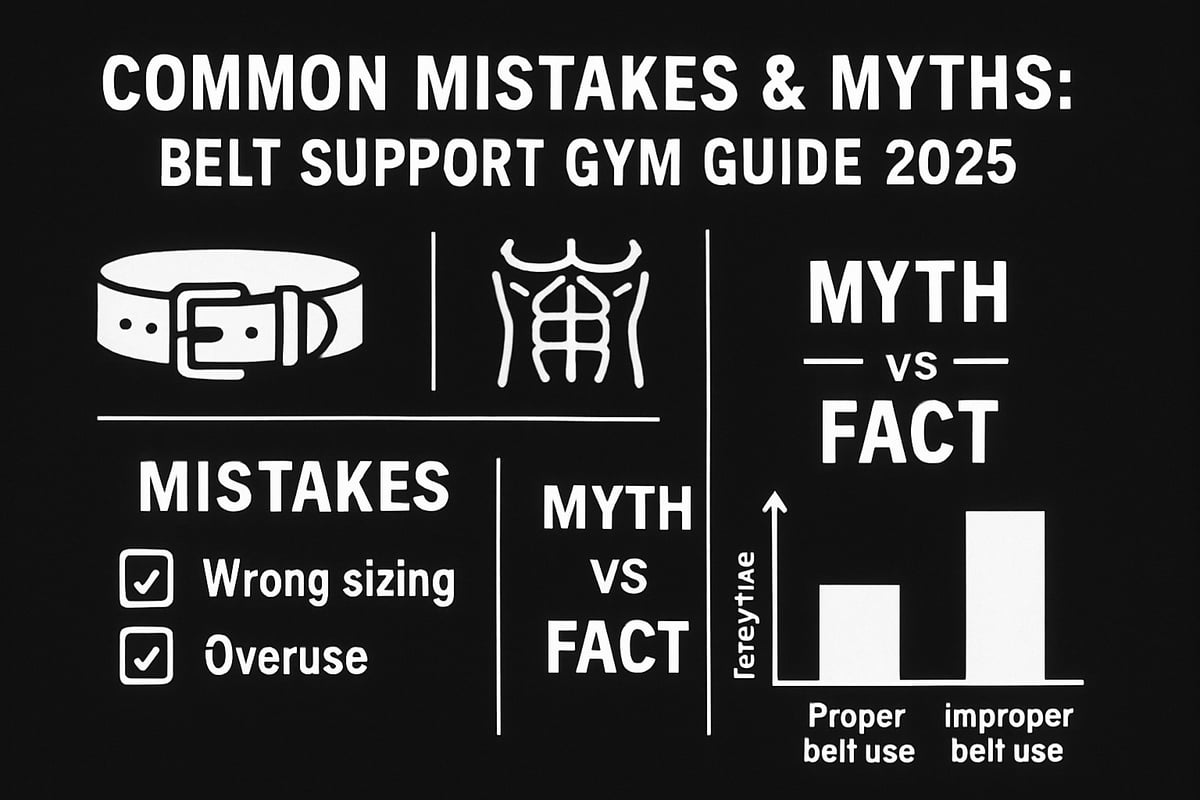
Misconceptions That Hurt Progress
One of the most persistent myths in the belt support gym world is that using a belt will weaken your core. In truth, research shows that when you use a belt correctly, core muscle activation does not decrease. Electromyography (EMG) studies confirm that lifters wearing belts still engage their core muscles effectively.
Proper belt support gym usage is about enhancing stability, not replacing your natural strength. Belts act as a tool to reinforce your bracing during heavy lifts, especially squats and deadlifts. If you train smart and keep challenging your core, you will not lose strength or stability by incorporating a belt.
Overusing the Belt: When Less is More
Another mistake in the belt support gym approach is wearing a belt for every single exercise. Relying on a belt during all workouts, including light sets and accessory movements, can actually hinder your overall development.
To build a strong core, alternate between belted and beltless sets. Save the belt support gym accessory for maximal lifts or when you truly need extra support. This strategy helps you strengthen your core while still protecting your spine during the heaviest work.
Poor Belt Fit and Sizing Errors
Incorrect sizing is a leading cause of discomfort and reduced safety with belt support gym gear. A belt that is too tight can restrict breathing and cause bruising, while a loose belt offers little support.
Always follow manufacturer guidelines and use a tape measure for accuracy. Remember, different brands may have unique sizing charts. Double-check your fit before every session to ensure your belt support gym equipment gives you the best performance and protection.
Ignoring Individual Needs and Goals
There is no one-size-fits-all approach to belt support gym use. Powerlifters, Olympic lifters, and general fitness fans all have different requirements based on their training style, body type, and goals.
Take time to assess what you need from a belt support gym product. Consider your typical lifts, intensity, and comfort preferences. Tailoring your belt choice and usage to your personal situation leads to safer, more effective training outcomes.
Falling for Marketing Hype
With so many brands and new features hitting the market, it is easy to get caught up in the latest belt support gym trends. Remember, not all "premium" belts deliver on their promises. Look past flashy designs and read real user reviews before investing.
Pay attention to data and independent analyses, such as the Weightlifting Belt Market Forecast 2024-2031, which highlights actual trends and technological advances. Make informed decisions by focusing on fit, function, and durability instead of just the brand name.
Belt Support for Different Training Styles and Goals
Finding the right belt support gym strategy is crucial for every athlete, but not all routines are created equal. Whether you’re chasing powerlifting records, building muscle, or just staying active, belt support gym needs shift with your goals. Let’s break down how to optimize your belt support gym use for every training style in 2025.
Powerlifting and Strength Training
For powerlifters, belt support gym routines are built around maximizing heavy lifts like the squat, deadlift, and bench press. The belt is a staple in almost every max-effort set. Powerlifters typically use thick leather lever or prong belts for maximum stability and intra-abdominal pressure.
- Use: Squats, deadlifts, and sometimes bench press.
- Belt: 10mm or 13mm thick, lever or prong closure.
- Focus: Maximal support for heavy loads.
Many competitors rely on premium options like the Graduation Lifting Belt features for consistency and performance. A well-fitted belt can boost confidence under the bar and help lifters safely push their limits.
Bodybuilding and Hypertrophy Workouts
In bodybuilding, the belt support gym approach is more selective. Belts are not needed for most hypertrophy sets, but can be useful during heavy compound lifts or when fatigue sets in at the end of a session.
- Use: Heavy squats, Romanian deadlifts, barbell rows.
- Belt: Medium thickness, comfortable fit, often prong or Velcro for quick adjustments.
- Focus: Occasional support, not for every set.
Bodybuilders want to maintain core engagement, so overusing a belt can be counterproductive. Instead, alternate between belted and beltless sets to build both muscle and core strength.
CrossFit and Functional Fitness
CrossFitters and functional athletes have unique belt support gym requirements. Their routines mix Olympic lifts, powerlifts, and high-intensity circuits. Belts are often lighter and use Velcro for fast transitions.
- Use: Max-effort lifts, WODs with heavy loads.
- Belt: Velcro or thin prong, easy to take on and off.
- Focus: Mobility, quick adjustments, not worn all workout.
The global rise in functional fitness has influenced the Weightlifting Belt Market Analysis 2025-2034, with more athletes seeking versatile, comfortable belt options for dynamic training environments.
Olympic Weightlifting
Olympic lifters need a belt support gym plan that balances stability and mobility. Lifts like the snatch and clean and jerk require explosive movement and deep positions, so belts are often narrower and more flexible.
- Use: Heavy snatch, clean and jerk, front squats.
- Belt: Tapered or 4-inch width, softer materials.
- Focus: Core support without restricting movement.
Elite lifters may only use a belt for their heaviest attempts, relying on technique and natural core strength for lighter lifts and warm-ups.
General Fitness and Everyday Gym-Goers
For most people, belt support gym routines are about safety and confidence during progressive overload. Beginners should focus on mastering form before introducing a belt, then use it for heavy sets of squats, deadlifts, or rows.
- Use: Heavy compound lifts, not isolation exercises.
- Belt: Comfortable, easy to adjust, matches activity level.
- Focus: Injury prevention, gradual progression.
A well-chosen belt can make lifting safer and help users transition from bodyweight to loaded movements. Always ensure the fit is right and use the belt as a tool, not a crutch.
Special Populations: Women, Older Adults, and Rehab
Women and older adults have unique belt support gym needs. Female lifters may prefer belts with narrower widths for comfort. Older adults can benefit from added support during heavier lifts to reduce injury risk. In rehab, belts are sometimes used to gently reintroduce load and movement.
- Use: Tailored to individual needs and goals.
- Belt: Lighter, ergonomic, sometimes extra padding.
- Focus: Comfort, safety, gradual return to strength.
Consult with a coach or physical therapist to determine when and how a belt fits your recovery or training plan. Customization and proper fit are key.
Belt Usage Comparison Table
| Training Style | Belt Type | When to Use | Key Focus |
|---|---|---|---|
| Powerlifting | Lever/Prong, Thick | Max lifts | Max support |
| Bodybuilding | Prong/Velcro, Med. | Heavy compounds | Core/muscle balance |
| CrossFit | Velcro, Thin | Heavy WODs | Mobility/speed |
| Olympic Weightlifting | Tapered, Soft | Max attempts | Flexibility/stability |
| General Fitness | Comfortable, Adj. | Heavy sets | Safety/injury prevent. |
| Special Populations | Ergonomic, Light | Individualized | Comfort/protection |
The right belt support gym strategy can elevate your training, regardless of your starting point. By matching your belt use to your style, you’ll maximize results and minimize risk in 2025.
The Future of Belt Support: Innovations and Expert Predictions for 2025
The future of belt support gym technology is evolving rapidly. As fitness trends shift, lifters are demanding smarter, safer, and more personalized options. Here’s a look at the innovations shaping belt support gym gear for 2025 and beyond.
Smart Belts and Wearable Tech
Tech is transforming the belt support gym world. In 2025, smart belts with built-in sensors are tracking core engagement, posture, and even rep counts in real time. These belts connect to apps, giving feedback on technique and safety.
Brands are racing to integrate Bluetooth connectivity and haptic alerts. Imagine a belt that buzzes if your form slips or your bracing weakens. This kind of innovation promises to make belt support gym routines more efficient and safer.
Sustainable and Customizable Materials
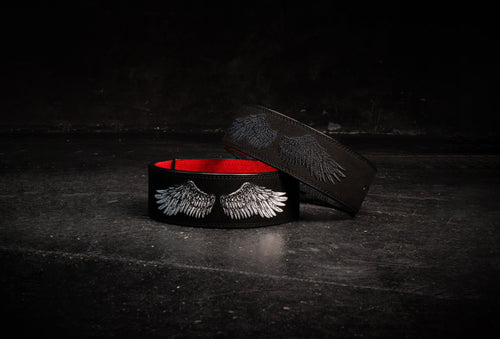
Eco-conscious lifters want sustainable belt support gym solutions. The rise of vegan leathers, recycled synthetics, and even 3D-printed belts is making waves. Customization is another big trend, with lifters able to select thickness, width, and even artwork for a truly personal fit.
Modern options, like the Japanese Samurai Lever Belt details, show how style and performance come together using advanced materials. Expect more brands to offer eco-friendly choices and tailored designs for every belt support gym user.
Enhanced Education and Coaching
Better education is on the horizon for belt support gym users. Online platforms and mobile apps now offer video tutorials, form checks, and step-by-step guides. This means fewer mistakes and more confident lifters.
Virtual coaching is becoming a standard feature. New gym onboarding programs include belt support gym education, ensuring members use their gear correctly. These resources help bridge the gap between beginners and seasoned athletes.
Community and Social Trends
Belt support gym gear is becoming a status symbol in fitness communities. Social media is fueling trends, with viral challenges and influencer endorsements driving belt popularity. Unique designs and limited edition releases are highly sought after.
Online forums and fitness apps encourage users to share belt support gym tips and experiences, building community around safe lifting. Expect to see more lifters flaunting their belts as both functional gear and a reflection of personal style.
Expert Predictions: What’s Next for Belt Support?
Experts see belt support gym usage rising sharply in coming years. Coaches predict stricter safety guidelines and more gyms requiring education before allowing heavy lifts with belts. Industry analysts highlight the projected growth in the Weightlifting Belt Market Trends 2025-2032, driven by innovation and user demand.
Survey data shows lifters want smarter, greener, and more customizable options. The future of belt support gym gear is bright, blending technology, sustainability, and community for safer, more effective workouts.
Now that you know how the right belt support can boost your confidence and protect your lower back in any 2025 workout, why not put that knowledge into action? At Katamu, you’ll find premium lever belts and lifting gear that combine standout designs with unbeatable durability—so you can train hard and look good doing it. Whether you’re just starting out or pushing for new PRs, the right setup makes all the difference. Ready to get serious about your gym progress? Build your setup and feel the difference every time you lift.
