 30-Day Money Back Guarantee

The fastest way to ruin a heavy squat session is to wear shorts that fight you at the bottom. If the waistband rolls, the crotch binds, or the fabric turns see-through under tension, your focus is gone before the set even starts. The best training shorts for squats do one job above everything else - they stay out of the way while you move serious weight.
That sounds simple, but squat-friendly shorts are not the same as general gym shorts. A pair that feels fine on a treadmill or upper-body day can fall apart once you hit deep squats, lunges, leg press, or RDLs. For lifters who train with intent, fit and construction matter just as much as the logo on the leg.
What makes the best training shorts for squats?
Start with range of motion. Squatting well means loading your hips, knees, and ankles through a full movement pattern. Your shorts should stretch with that pattern, not pull against it. That usually comes down to fabric blend, gusseted construction, and how the inseam works with your build.
Four-way stretch fabric is the baseline. If a short has a stiff, board-short feel, it may look clean but it will not feel right once you sit into depth. A squat-ready short needs enough give through the glutes and inner thigh to let you hit bottom position without feeling resistance.
A gusseted crotch is another detail that separates real training shorts from average activewear. It reduces tension where most shorts fail first and gives you a more natural movement path. For lifters who train legs hard multiple times a week, that detail is not extra - it is part of durability.
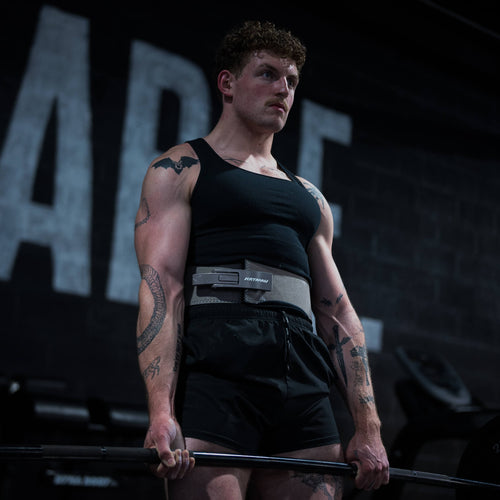
The waistband matters more than most people think. Heavy training creates pressure from every angle, especially if you wear a lifting belt. A good waistband stays planted without digging in, folding over, or sliding down. If it bunches under a lever belt or turns loose once you start sweating, it becomes a distraction you will notice every set.
Fit is where most lifters get it wrong
A lot of athletes buy shorts the same way they buy casual gym gear - whatever looks good standing up. Squat shorts need to be judged in motion. If they look perfect upright but pull across the quads and glutes when you descend, the fit is wrong.
The sweet spot for most lifters is athletic, not painted-on and not oversized. Too tight, and the fabric gets stressed at the bottom of every rep. Too loose, and you deal with extra material catching on your legs, riding up, or making the whole short feel sloppy under load.
Your body type changes the answer. Lifters with bigger quads and glutes usually need more room through the seat and thigh, even if they prefer a lean look. A slim-cut short can still work, but only if the fabric actually stretches and the patterning was built for training instead of just aesthetics.
If you are between sizes, think about how you train. For bodybuilding-style leg days with high volume, pumps change the fit fast. For powerlifting sessions with a belt and heavier top sets, waistband stability matters more. Sometimes sizing up gives you better mobility, but sometimes it creates too much movement at the waist. It depends on your build and whether the short is truly athletic-cut or just marketed that way.
Inseam length changes how squats feel
Inseam is not a style-only choice. It affects mobility, coverage, and comfort.
A 5-inch inseam is a strong option for lifters who want minimal restriction and a modern, aggressive look. It tends to free up the thigh more and works especially well for athletes with strong legs who hate fabric stacking above the knee. The trade-off is coverage. Some lifters love that freedom, others feel too exposed during deep squats or machine work.
A 7-inch inseam is the safest middle ground for most people. It gives enough coverage for all-around training while still moving well through squats, deadlifts, and accessory work. If you want one short that can handle lower body days without feeling too short or too long, this is usually the most reliable zone.
Longer inseams can work, but they need to be cut correctly. Once shorts start drifting too close to the knee, they can interfere with the top of knee sleeves, bunch during squats, or make shorter lifters feel boxed in. For some taller athletes, that extra length feels balanced. For others, it kills the clean, unrestricted feel you want under the bar.
Fabric quality shows up under pressure
The problem with cheap shorts is not just that they wear out. It is that they usually feel cheap exactly when training gets hard. Thin fabric can go transparent in a deep squat. Low-grade stretch material loses shape after a few washes. Weak stitching starts to separate at the inner thigh, which is one of the most common failure points for lifters.
The best training shorts for squats need fabric that feels substantial without getting heavy. You want enough structure to hold shape and enough stretch to move freely. Breathability helps, especially during high-volume sessions, but ultra-light fabric is not always better. If it saves weight by sacrificing durability, you will pay for it later.
Sweat management matters too. Leg day is not subtle. Good training shorts should dry reasonably fast and avoid that soaked, clingy feel that makes every set more annoying than it needs to be. Fabric that stays comfortable under pressure keeps you locked into the session instead of thinking about your gear.
Features that actually matter in the rack
Some design details are worth paying for. Others are just decoration.
Pockets are useful, but they need to be placed well. Deep side pockets can work for warm-ups and daily wear, but bulky pocket construction can shift awkwardly during squats. Zipper pockets are great if you move between gym floor and daily life, though they should stay low-profile.
Side splits can improve mobility, especially on shorter inseams. They are not mandatory, but many lifters prefer them because they reduce that trapped feeling at the outer thigh. Flat seams are another underrated win because they cut down on rubbing during long sessions.
Built-in liners are a personal call. Some athletes like the added support and locked-in feel. Others hate the compression, especially with bigger legs or longer sessions. If you already wear compression underneath, a liner can feel redundant fast.
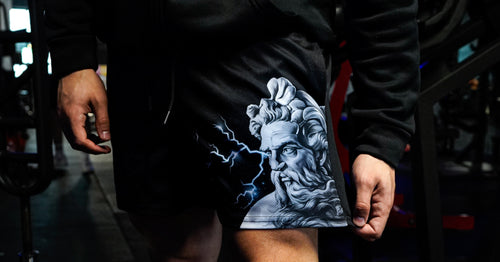
Branding matters less than construction, but style still counts. Serious gym athletes do not want gear that performs and looks generic. The right short should feel premium and hit with purpose. That mix of function and identity is exactly why strong brands stand out in a crowded market.
How to choose the right pair for your training style
If your priority is powerlifting, look for stability first. You need a secure waistband, durable seams, and enough room to squat with a belt on without the short collapsing around your waist. You are not chasing minimal fabric as much as dependable performance under heavy loads.
If you train more for bodybuilding, comfort through high volume matters just as much as raw durability. You will probably appreciate softer stretch fabric, a dialed-in athletic fit, and an inseam that keeps your quads free during squats, hacks, lunges, and extensions.
If you want one pair for everything, go balanced. Choose a medium inseam, strong stretch, and clean construction without too many extra features. That kind of short can handle heavy compounds, conditioning work, and daily wear without feeling specialized in a bad way.
For lifters who care about gym presence as much as performance, aesthetics are part of the buy. That is not vanity - it is part of how you show up. A premium pair from a brand that understands lifting culture, like Katamu, should look sharp, hold up, and move like it was built for real sessions instead of generic fitness marketing.
Red flags to avoid
If the fabric feels stiff in your hands, it probably will not get better under a barbell. If the waistband is thin and flimsy, do not expect it to stay stable under a belt. If the shorts are overly tapered through the thigh, they may photograph well and train badly.
Be cautious with shorts designed mainly for running. They are often too lightweight, too short on structure, or built around movement patterns that do not match loaded squats. Cross-training shorts can work, but only if they truly have the stretch and reinforcement strength athletes need.
And if you have to constantly adjust them in the fitting room, you will definitely adjust them during your workout. That alone is enough reason to move on.
The right squat shorts should disappear once the set starts. No pulling, no riding, no second-guessing depth because your gear is fighting back. When your training is serious, every piece of apparel should earn its place - and your shorts should be ready for the same pressure you put on the bar.
