 30-Day Money Back Guarantee

You feel the difference fast when your setup is right. A real best strength training gear bundle does more than save money - it puts the essentials in one place so you can train harder, recover cleaner, and stop wasting sessions on gear that slips, pinches, or breaks down under load.
That matters because most lifters don’t need more random accessories. They need the right combination of support, grip, and durability for the way they actually train. A bundle only earns its spot if every piece pulls its weight, from heavy top sets to high-volume backdowns.
What makes the best strength training gear bundle?
The short answer is simple: it should match your training style, not just your cart value. A good bundle gives you the pieces you’ll use every week, holds up over time, and feels built for serious training instead of casual fitness marketing.
For most lifters, the core bundle starts with a lifting belt, knee sleeves, wrist wraps, and lifting straps. That combination covers the biggest demands in strength training. The belt helps with bracing and torso stability on squats, deadlifts, rows, and presses. Knee sleeves add warmth, compression, and confidence under heavy lower-body work. Wrist wraps help create a stronger, more stable stack when pressing. Straps save grip from becoming the weak link on pulling volume.
The best bundles also get the balance right between support and overreliance. If every piece is aggressive and stiff, newer lifters may end up wearing gear they haven’t learned to use well. If every piece is soft and minimal, experienced athletes may outgrow it fast. That middle ground matters.
Start with your training goal, not the discount
A lot of people shop bundles backward. They see a price break, then try to justify every item. That’s how you end up with gear that sits in a drawer while you keep reaching for the same two pieces.
If your focus is powerlifting or heavy compound work, your bundle should lean toward structure and support. A lever belt becomes a strong anchor because it offers a fast, consistent lock-in for repeated heavy sessions. Knee sleeves and wrist wraps make sense here because barbell training asks a lot from joints under load, especially when intensity climbs.
If your training is more bodybuilding-focused, you still want support, but the priorities shift a little. Straps become more valuable because they let you bias the target muscle instead of letting forearm fatigue limit rows, RDLs, or pulldowns. Compression apparel can also make more sense in this lane because comfort, movement, and session flow matter when volume is high.
If you’re newer to lifting, the best strength training gear bundle is usually the one that covers fundamentals without overcomplicating things. You probably don’t need every accessory on day one. But you do benefit from a small kit that grows with you, especially if you’re training consistently and starting to push real weight.
The pieces that usually deserve a spot
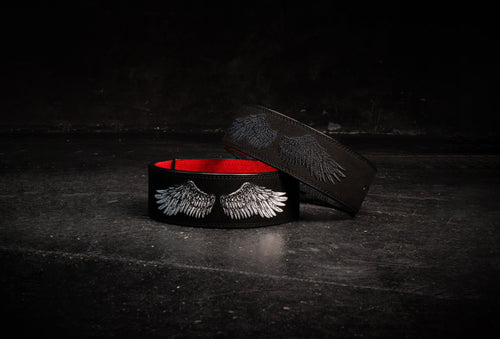
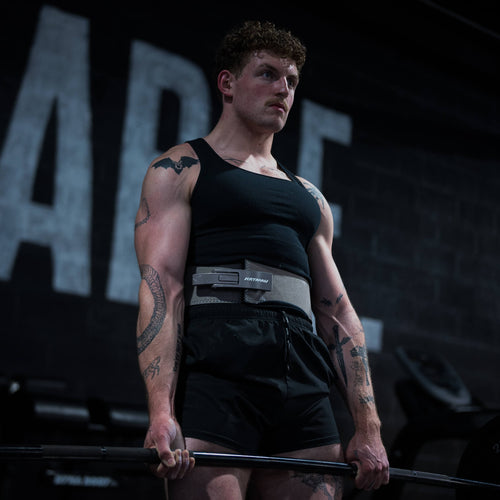
The belt is the centerpiece. For serious barbell lifters, a quality lever belt stands out because it creates consistent tightness and saves time between sets. It feels secure, especially when you’re moving from warm-ups into working weight. The trade-off is that lever belts are more specialized. They’re perfect for lifters who know their preferred tightness, but less flexible if your fit changes often or you want quick adjustability during longer, mixed sessions.
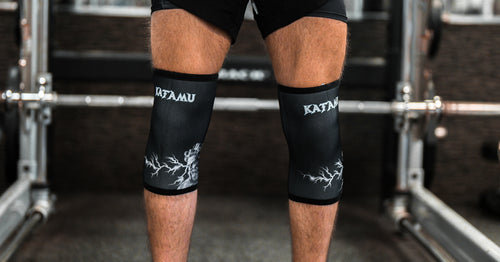
Knee sleeves are one of the easiest wins in any bundle. They don’t magically add pounds to the bar, but they can make squats and leg sessions feel more stable and more repeatable. The main thing to watch is stiffness. Some lifters want a tighter, more supportive feel for heavy work, while others prefer a sleeve that stays comfortable through full sessions instead of only top sets.
Wrist wraps make the most sense for anyone who benches, overhead presses, or front racks regularly. Good wraps help reduce that shaky feeling at the bottom of presses and create a stronger hand-to-forearm position. The catch is that some wraps are so stiff they feel great for max effort singles but annoying for regular volume. If you train across rep ranges, versatility matters.
Lifting straps belong in more bundles than some lifters want to admit. Grip strength matters, but so does being able to train your back and hamstrings hard enough. Straps help when your hands are the limiting factor, especially on high-volume pull days. That doesn’t mean you should use them on every set. It means they’re there when they serve the goal instead of getting in the way.
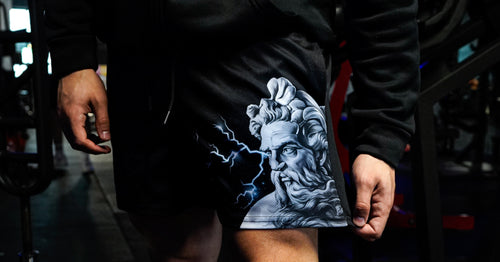
A gym bag or compression top can round out a bundle, but only if they fit how you train. A gym bag is useful if you carry a full setup and don’t want your gear smashed together with shoes, chalk, and a water bottle. Compression wear is more about feel, movement, and look than direct support, but for lifters who care about presence in the gym, that matters too.
How to tell if a bundle is actually premium
Premium isn’t just a heavier price tag and cleaner product photos. In this category, it shows up in materials, construction, and how the gear performs after months of hard use.
A belt should feel stable and built to keep its structure. Knee sleeves should hold compression without getting loose too quickly. Wrist wraps should stay secure through repeated use, and straps should feel tough enough to handle heavy pulls without fraying early. If one item in the bundle feels like filler, the whole package loses value.
Design matters too. Serious lifters want gear that performs, but they also want gear that looks like it belongs in their training world. That’s not vanity - it’s identity. The right setup should feel sharp when you open your bag, put it on, and step into your work. That’s one reason brands with a stronger visual point of view stand out. They understand that strength gear isn’t only equipment. It’s part of how athletes show up.
Best strength training gear bundle by lifter type
For the heavy compound lifter, the strongest bundle usually includes a lever belt, knee sleeves, and wrist wraps, with straps as the fourth piece if deadlift volume or back work is high. This is the most balanced setup for athletes who live around squat racks, platforms, and bench stations.
For the hypertrophy-focused lifter, a smart bundle often starts with straps and wrist wraps, then adds a belt if compounds are still a major part of the week. Knee sleeves can still be valuable here, especially for hack squats, leg presses, and high-volume squat work, but the order of importance may change.
For students or budget-conscious lifters, value matters, but cheaping out usually costs more later. The smarter move is a tighter bundle with three pieces you’ll use constantly, instead of a larger kit padded with lower-impact accessories. This is where well-built strength kits make the most sense. You get better cohesion, better use, and less trial-and-error.
For the lifter building a full identity around training, the best bundle reaches beyond support gear alone. A serious setup can include your lifting essentials plus apparel that holds up and looks dialed in. Katamu plays well in that lane because the gear isn’t treated like a generic add-on. It’s built as part of a complete strength aesthetic.
When a bundle is not the right move
There are times when buying individually makes more sense. If you already own a belt you trust, forcing another belt into the purchase doesn’t add value. The same goes for lifters with very specific fit preferences. Knee sleeves, especially, can be personal. Some athletes want a brutally tight fit for maximal support, while others need something they can keep on through an entire session.
Bundles can also miss if they mix advanced and beginner needs too aggressively. A newer lifter may not need a full competition-style setup yet. An advanced lifter may want more exact specs than a broad bundle offers. That doesn’t make bundles bad. It just means the best one feels intentional, not generic.
What smart buyers should look for before checkout
Look at the actual product mix first, then the savings. Ask yourself whether each piece solves a real problem in your training. Then look at the quality signals: warranty coverage, return confidence, fit guidance, and whether the brand clearly understands lifting culture instead of just selling gym-themed products.
That last part matters more than people think. Brands that live close to the sport tend to build better bundles because they know how gear gets used in real sessions. They know the difference between something that looks good in a package and something that earns a permanent spot in your bag.
The best strength training gear bundle should make your training cleaner, stronger, and more focused from the first week you use it. If it only saves you a few dollars but leaves you replacing half the kit in three months, it was never the right call. Buy the setup that matches your standard, because the gear you trust is the gear you keep reaching for when the weight gets real.
Build around what you actually use, choose quality you won’t outgrow in a month, and let your setup reflect the level you’re training for next.
