 30-Day Money Back Guarantee

Unlock your true lifting potential in 2026 with the right inzer lifting belt. Whether you are a seasoned powerlifter or just starting your strength journey, choosing the right belt can make a noticeable difference.
In this comprehensive guide, you will discover expert-backed tips for selecting, using, and maintaining your inzer lifting belt to achieve optimal performance and safety. We will explore the evolution of Inzer belts, key features, expert advice on selection, step-by-step fitting instructions, advanced usage strategies, and practical care tips.
Get ready to improve your lifts and boost your confidence in the gym with proven, actionable advice.
The Evolution of Inzer Lifting Belts
Unlocking the story behind the inzer lifting belt gives valuable insight into why it is trusted by lifters globally. From humble beginnings to industry leader, Inzer Advance Designs has shaped the way athletes approach strength training. Let’s explore how Inzer belts have evolved, the milestones that set them apart, and what makes them essential equipment in 2026.
History and Brand Reputation
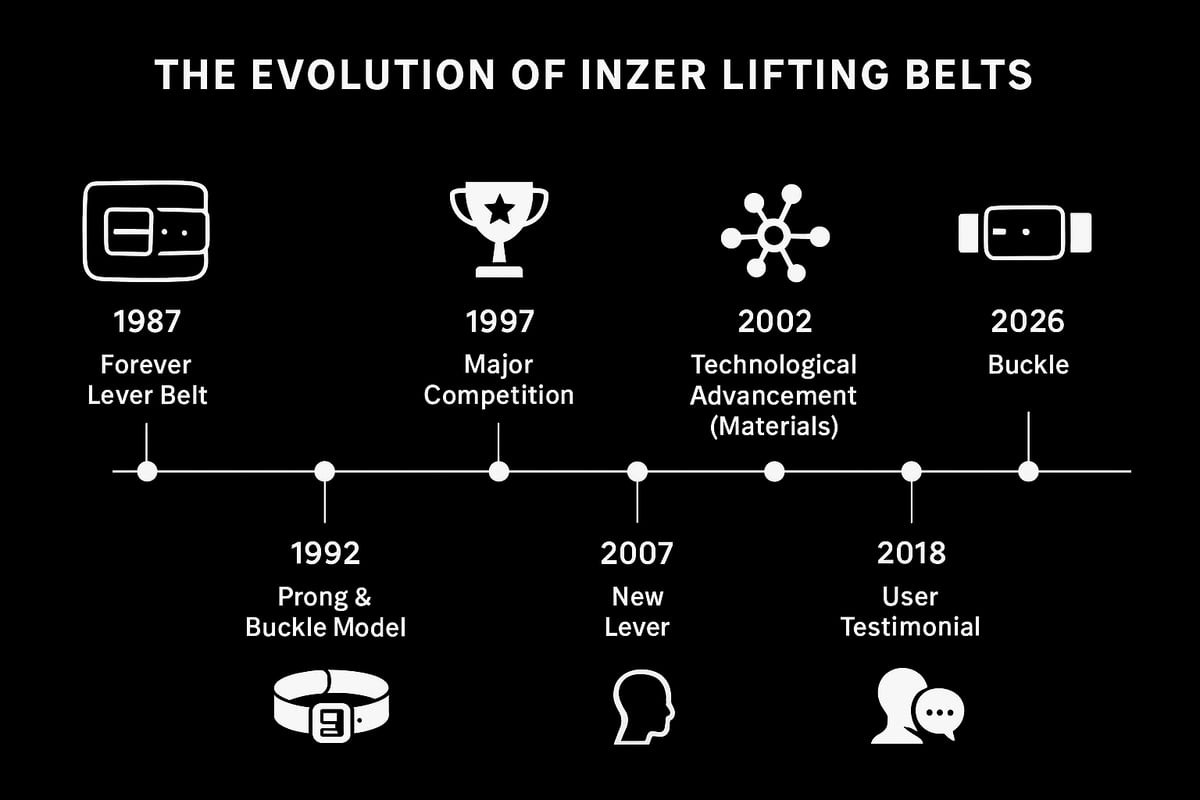
The inzer lifting belt story begins in the 1980s with Inzer Advance Designs’ commitment to supporting powerlifters and strength athletes. Inzer quickly gained a reputation for reliability, with its belts becoming a staple at national and international competitions.
Notable athletes have worn Inzer belts on the world stage, with many breaking records while trusting their support. When compared to other brands, Inzer stands out for its consistent quality and innovation. The company’s focus on athlete feedback and performance needs has helped set industry standards that others strive to match.
Key Milestones in Product Development
A defining moment for the inzer lifting belt was the introduction of the Forever Lever Belt, a game-changer for quick adjustments and security. Over the years, Inzer has rolled out improvements like reinforced stitching, upgraded hardware, and new materials, all informed by real user experiences.
The development timeline includes updates that meet evolving lifting federation rules, ensuring every inzer lifting belt stays competition-ready. Technological advancements, such as enhanced water resistance and greater customization options, have further cemented Inzer’s reputation. Listening to customer feedback has played a crucial role in refining each model.
Why Inzer Belts Stand Out in 2026
In 2026, the inzer lifting belt is recognized for its unmatched durability, adjustability, and support. International lifting federations have approved these belts for top-tier events, while market data shows Inzer’s dominant share in the lifting belt segment.
User satisfaction remains high, with testimonials praising comfort and performance. Trends in 2026 highlight growing interest in personalized belts and advanced lever systems. For lifters comparing options, the Best weightlifting belts guide provides an in-depth look at why Inzer remains a top choice for serious athletes.
Belt Types Offered by Inzer
The inzer lifting belt lineup includes lever, prong, and buckle models, each catering to different preferences and budgets. Lever belts offer fast adjustments and are favored for their convenience in competitions. Prong belts provide micro-adjustments and are popular among traditionalists. Buckle models balance ease of use and affordability.
Inzer offers both leather and synthetic materials to suit durability and comfort needs. Custom colors, embroidery, and finishes are trending in 2026, letting lifters match their belt to their style. Popular models are tailored for everything from heavy powerlifting to general gym use, making it easy to find the perfect inzer lifting belt for any training goal.
Key Features and Innovations of Inzer Lifting Belts
Choosing the right inzer lifting belt means understanding the standout features that set these belts apart. From premium materials to advanced buckle technology, every detail is engineered for serious lifters. Explore what makes these belts a top pick for athletes in 2026.
Material Quality and Construction
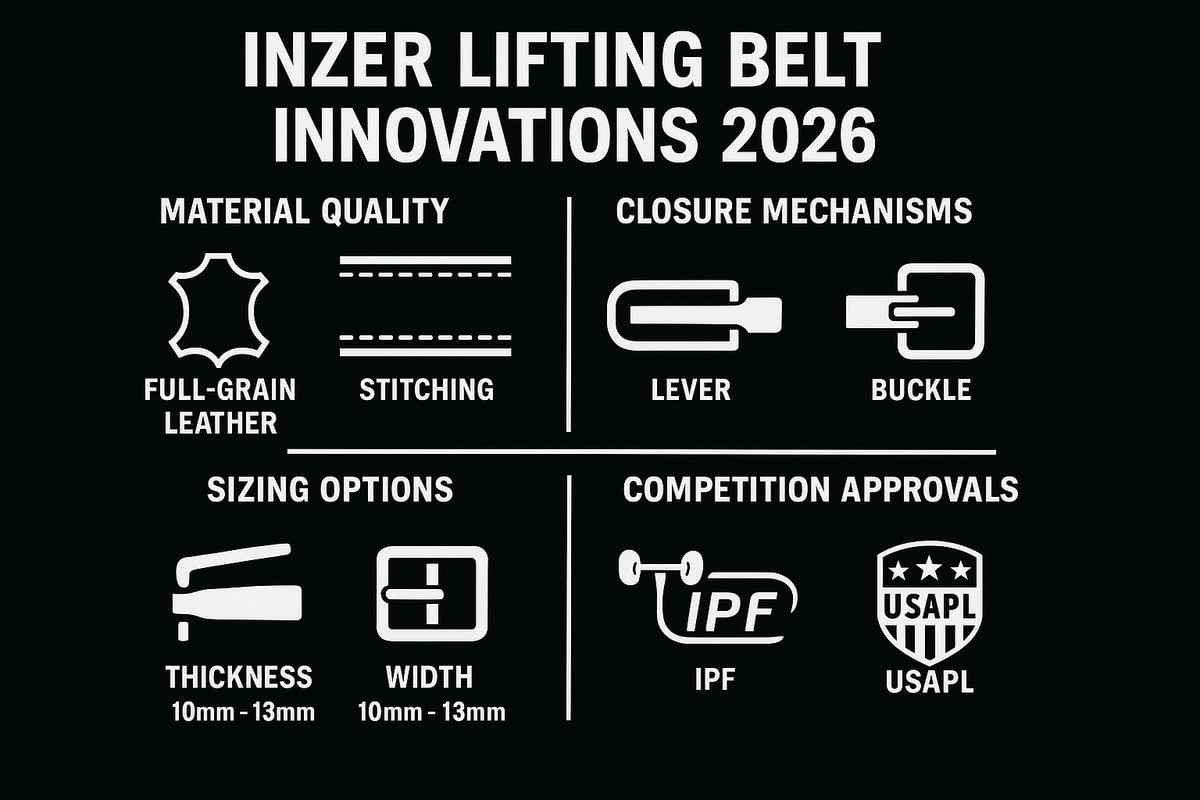
The material quality of an inzer lifting belt is a major reason for its reputation. Inzer uses full-grain leather on most models, providing superior durability and unmatched support. This leather resists stretching and maintains its structure even after years of heavy use.
The belts feature double or quadruple stitching, ensuring the edges do not fray and the belt retains its shape. Hardware like buckles and levers are made from high-grade metals, which resist rust and wear. Many users appreciate the water resistance, making maintenance simple with just a wipe down. The weight and rigidity of an inzer lifting belt offer a balance between support and comfort, ideal for both training and competition.
Lever vs. Prong vs. Buckle Mechanisms
Choosing a closure system is all about preference and performance. The inzer lifting belt is available in lever, prong, and buckle models, each with unique benefits. Lever belts are prized for their quick-release convenience and secure fit, while prong belts allow micro-adjustments for a custom feel.
Here's a quick comparison:
| Mechanism | Quick Release | Adjustability | Popularity |
|---|---|---|---|
| Lever | Yes | Medium | Powerlifting |
| Prong | No | High | Versatile |
| Buckle | No | Medium | General Fitness |
For more details, check out this Lever vs. prong lifting belts guide, which breaks down the pros and cons for different lifters. In 2026, lever technology continues to improve, with smoother action and stronger locking systems.
Sizing, Thickness, and Width Options
An inzer lifting belt comes in a variety of thicknesses and widths to match different lifting needs. Standard options include 10mm and 13mm thicknesses. A 10mm belt is flexible and easier to break in, while 13mm offers maximum support for heavy lifts.
Belt widths range from 4 inches, common for powerlifting, to 6 inches for added back support. Accurate sizing is crucial, so always use the brand's measurement chart and measure at your navel. Inzer offers belts tailored for men, women, and youth, plus options for color and embroidery. Customization trends in 2026 make it easy to find a belt that fits both your body and your style.
Certifications and Competition Approval
If you compete, using an inzer lifting belt that's officially approved is essential. Inzer belts are recognized by major federations like IPF and USAPL. Rule changes in 2026 have been addressed in their latest models, ensuring compliance for all sanctioned events.
Competitive lifters rely on the inzer lifting belt for both its build quality and its compliance with strict standards. You’ll spot these belts at top competitions worldwide, a testament to their reliability and popularity among elite athletes. Always check the latest federation rules to confirm your belt is approved before hitting the platform.
How to Choose the Right Inzer Lifting Belt for Your Goals
Selecting the ideal inzer lifting belt can elevate your training, boost safety, and help you reach your goals faster. With a variety of styles, mechanisms, and features, it is essential to match your belt to your lifting style, body, and preferences.
Assessing Your Lifting Needs
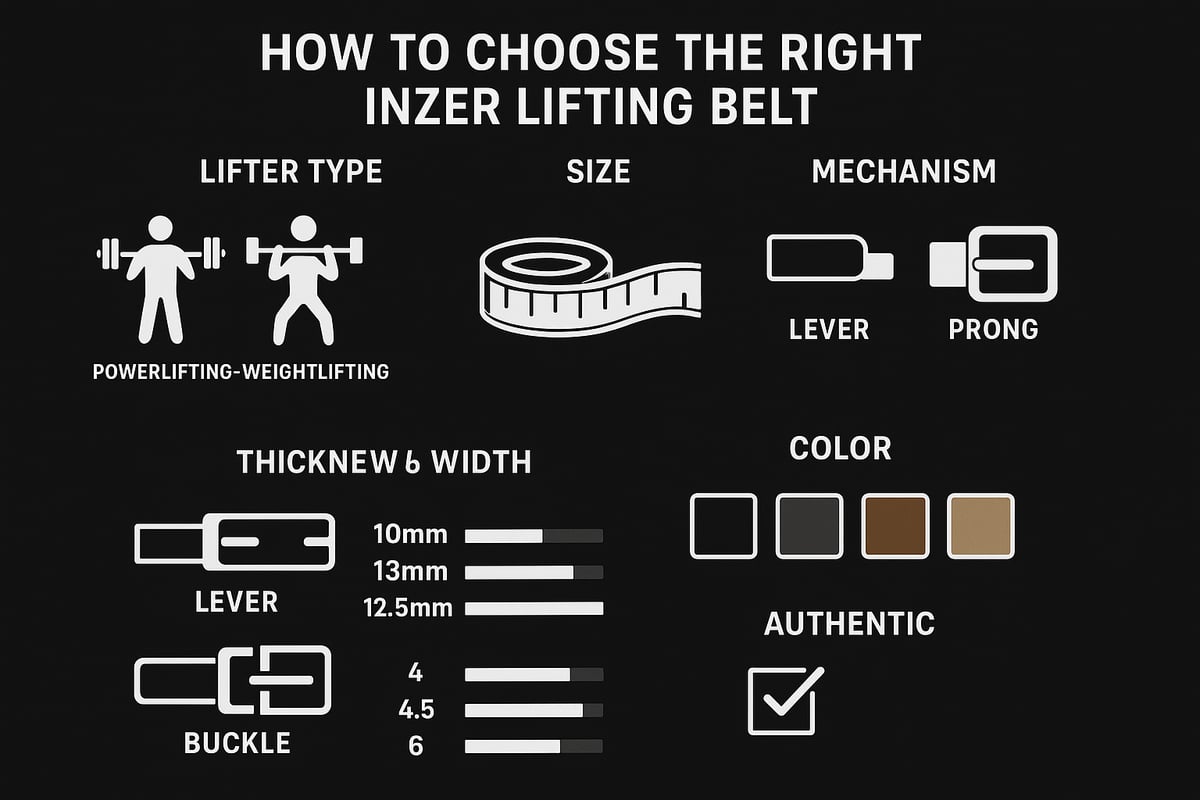
Before purchasing an inzer lifting belt, assess your training discipline and specific needs. Are you focused on powerlifting, Olympic weightlifting, or general strength training? Powerlifters often seek maximum support for heavy squats and deadlifts, while weightlifters may prefer a belt that allows more mobility for dynamic lifts.
Think about the main lifts you perform and how often you train. If you lift heavy frequently, a stiffer, thicker inzer lifting belt might be best. For general fitness or circuit training, comfort and quick adjustments could be more important.
Consider your budget as well. While all Inzer belts offer quality, some models and customizations are pricier. Matching your goals to the right belt style ensures your investment pays off.
Understanding Belt Sizing and Fit
Fit is crucial when choosing an inzer lifting belt. Measure your waist at the level where the belt will sit, usually just above the navel, not your pant size. Avoid common mistakes like measuring over clothing or sucking in your stomach.
Inzer belts feature various adjustability options, making it easier to achieve the perfect fit. If possible, try different sizes or consult sizing charts before buying. For a step-by-step guide, check out this helpful resource on fitting and sizing a weightlifting belt.
Remember, fit can differ for men, women, and youth. Take time to find the right size for your body, as a poorly fitted belt can compromise both comfort and performance.
Selecting the Right Thickness and Width
Choosing the correct thickness and width for your inzer lifting belt impacts both support and mobility. Common thicknesses are 10mm and 13mm. A 10mm belt offers flexibility and comfort, making it suitable for most lifters, while the 13mm variant provides maximum rigidity for advanced powerlifters.
Width matters too. A standard 4-inch belt is ideal for powerlifting, offering uniform support. Some prefer a 6-inch width for extra back coverage, but this is less common and may restrict movement.
| Thickness | Best For | Support Level | Comfort |
|---|---|---|---|
| 10mm | Beginners, general | Moderate | High |
| 13mm | Advanced, powerlifters | Maximum | Lower |
Balance your need for support with comfort. Test both sizes if possible, and remember, a thicker belt is not always better for everyone.
Choosing Between Lever, Prong, and Buckle
The closure mechanism of your inzer lifting belt affects ease of use and fit. Lever belts are popular for their quick-release function, allowing fast adjustments between sets. Prong belts offer micro-adjustments for a personalized fit, making them a favorite among both beginners and experienced lifters.
Buckle models, while less common, provide a blend of security and adjustability. Think about your training style. Do you need to remove or adjust your belt quickly? If so, a lever might be ideal. Prefer fine-tuned tightness? Prong options excel here.
User feedback highlights that lever belts are often chosen by competitive powerlifters, while prong belts remain versatile for various training environments.
Color, Customization, and Style Options
Inzer lifting belt options go beyond function, offering a wide array of colors and custom designs. From classic black to vibrant limited editions, there is a look for every personality. Personalization options include embroidered names, logos, or unique finishes.
Matching your belt to your gym apparel is a growing trend in 2026. Keep in mind, though, that customized belts may cost more and take longer to deliver. If you value individuality, explore the latest colorways and design upgrades when choosing your inzer lifting belt.
Where to Buy Authentic Inzer Belts
To ensure you receive a genuine inzer lifting belt, always purchase from the official Inzer Advance Designs website or authorized retailers. Beware of counterfeit belts, which may look similar but lack the durability and warranty of authentic products.
Be sure to check price ranges for both new and used belts. While used belts can offer savings, inspect for excess wear and confirm warranty status. Always review the return and warranty policies before buying to protect your investment.
A reputable seller will provide clear sizing guidance and support, ensuring you get the right inzer lifting belt for your goals.
Step-by-Step Guide: Fitting and Breaking In Your Inzer Belt
Unlocking the full potential of your inzer lifting belt starts the moment it arrives. This step-by-step guide ensures your belt is ready for action, fits perfectly, and supports you through every lift. Follow these essential tips to maximize comfort, safety, and performance from day one.
Unboxing and Initial Inspection
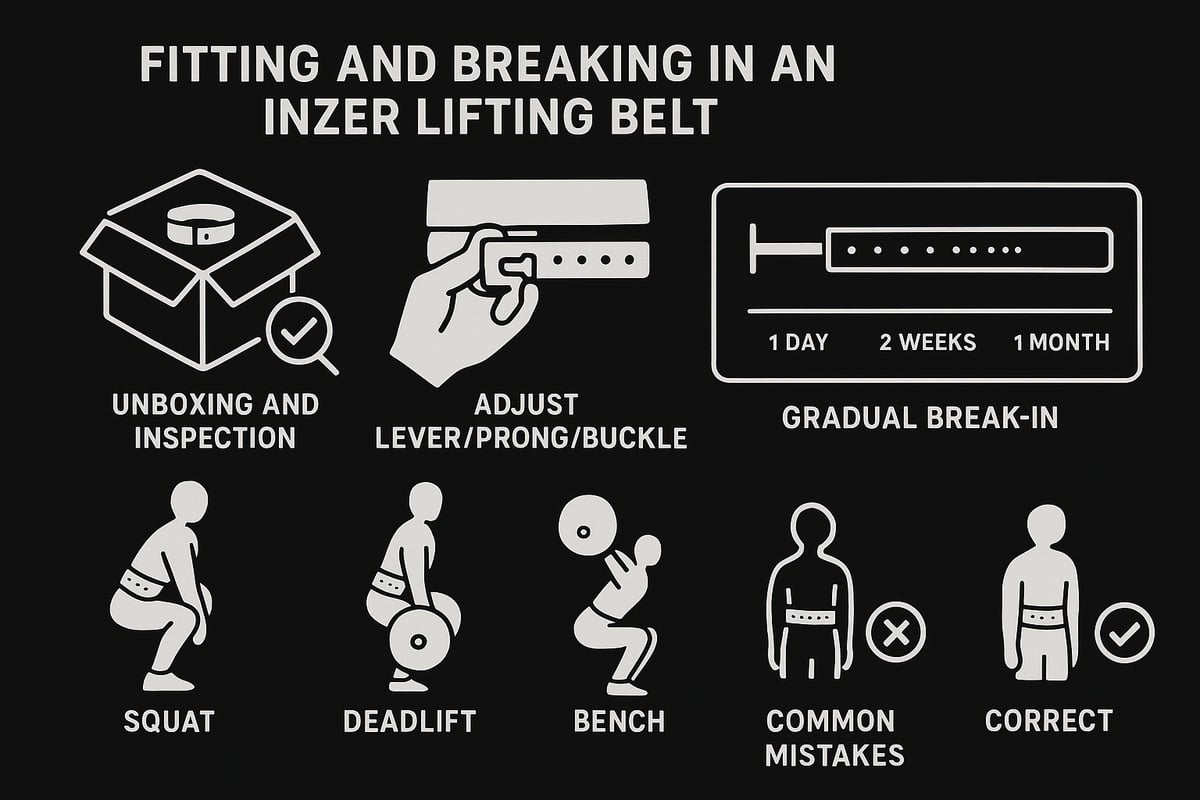
When your inzer lifting belt arrives, take a few moments to inspect it thoroughly. Look for any manufacturing defects, such as uneven stitching, damaged hardware, or cracks in the leather or synthetic material.
Check these points:
- Examine all stitching for loose threads or gaps
- Test the lever, prong, or buckle for smooth operation
- Ensure the edges are finished and free of sharpness
- Confirm your order details match the product received
Register your inzer lifting belt if the manufacturer offers this option. This step can streamline warranty support should you need it. Before your first use, gently flex the belt in your hands to get a feel for its initial stiffness and prepare it for adjustment.
Adjusting for the Perfect Fit
Achieving the right fit is crucial for both comfort and effectiveness. Place your inzer lifting belt around your waist, centering it over your core. For lever models, set the lever to a notch that allows the belt to be snug but not restrictive. Prong and buckle models offer micro-adjustments for even more precision.
Tips for optimal fit:
- The belt should sit just above your hip bones, not too high or low
- Tighten enough to create support without limiting your ability to breathe or brace
- Try different settings for squats versus deadlifts, as preferred fit can vary
If you notice pinching or excessive looseness, adjust the mechanism and retest. A well-fitted inzer lifting belt stays secure during lifts but allows you to expand your core for bracing.
Breaking In Your New Inzer Belt
A new inzer lifting belt is often stiff right out of the box. Expect it to soften gradually with regular use, particularly during warm-ups and moderate sets. Avoid soaking, heating, or over-oiling the belt, as these methods can damage the materials.
Safe break-in techniques:
- Wear the belt for short periods during each session at first
- Flex and roll the belt gently by hand between uses
- Let the natural heat and movement from your body soften the leather
Most users report a comfortable level of flexibility after two to four weeks of consistent training. Patience pays off, as a properly broken-in inzer lifting belt will mold to your body and provide reliable support for years.
Wearing Your Belt for Different Lifts
Proper placement and tightness can change depending on the lift. For squats, position the inzer lifting belt slightly lower to support your back and core. In deadlifts, some athletes prefer the belt a bit higher for better hip hinge support. On the bench press, a looser fit may allow more arch and breathing room.
Consider these tips:
- Adjust tightness based on lift intensity and movement
- Remove the belt during accessory work to avoid overreliance
- For more on correct usage and performance, see Lifting belt benefits and usage
Experiment with placement and fit to discover what feels best for each movement. The right technique ensures your inzer lifting belt becomes a trusted asset in your training.
Common Mistakes and How to Avoid Them
Even experienced lifters can make errors when using an inzer lifting belt. Avoid these pitfalls to get the most out of your equipment and stay safe.
Top mistakes to watch for:
- Over-tightening, which restricts breathing and movement
- Wearing the belt too high or too low on the torso
- Skipping warm-ups before belting up, risking injury
- Using the belt as a substitute for proper form and bracing
- Failing to inspect and maintain the belt regularly
Make a habit of checking your inzer lifting belt before each session. A well-maintained, properly fitted belt supports your progress and helps prevent setbacks.
Advanced Tips: Maximizing Performance and Longevity
Ready to level up your results with your inzer lifting belt? These advanced tips help you get the most from your gear, support your long-term progress, and ensure your belt lasts for years. Let’s dive into the practices that experienced lifters and coaches rely on.
Proper Bracing and Breathing Techniques
Mastering bracing is essential for anyone using an inzer lifting belt. Start by standing tall, placing the belt snugly around your core. Take a deep breath into your belly, not your chest, and push outward against the belt.
This creates intra-abdominal pressure, stabilizing your spine during heavy lifts. Practice diaphragmatic breathing with the belt both in warm-ups and working sets. Remember, the goal is not just tightness but also controlled expansion.
Try drills like paused squats or deadlifts wearing your inzer lifting belt, focusing on holding a strong brace through the movement. Over time, this technique leads to better performance and reduced injury risk.
Integrating Belt Use into Your Training Program
Knowing when to wear your inzer lifting belt is key. Use it for maximal or near-maximal lifts, like heavy squats and deadlifts, but train beltless for lighter sets to build core strength.
Many athletes cycle belt use in their programs. For example, reserve the belt for sets above 80% of your one-rep max. This approach helps balance safety, progressive overload, and raw strength development.
Track your progress with and without the inzer lifting belt to identify where it gives you the greatest benefit. Top coaches recommend this periodized approach for steady, long-term gains.
Belt Maintenance and Cleaning
A well-maintained inzer lifting belt will serve you for years. For leather models, wipe down after sessions to remove sweat. Use a damp cloth, then let it air dry—never use harsh chemicals.
For synthetic belts, gentle soap and water work well. Avoid storing your belt in gym bags for long periods, as trapped moisture can cause odor or mildew. Hang the belt flat or roll it loosely.
Check hardware and stitching regularly. Proactive care prevents issues and preserves the belt’s support and appearance season after season.
Troubleshooting and Repairs
Even the best inzer lifting belt may need attention over time. Common issues include loose levers, worn prongs, or frayed stitching. Many minor problems can be fixed at home—tighten screws, or restitch loose threads with heavy-duty needle and thread.
If you encounter a broken lever or significant wear, contact Inzer for genuine replacement parts. Know when to repair and when to replace; if you see cracks in the leather or compromised hardware, it may be time for a new belt.
User stories show that with basic troubleshooting, an inzer lifting belt can last through years of tough training.
Upgrading or Customizing Your Belt in 2026
Customization is more popular than ever. In 2026, lifters add aftermarket levers, custom embroidery, and colored finishes to make their inzer lifting belt unique. Upgrades like the latest lever mechanisms can enhance both function and style.
When considering modifications, stick to compatible parts and check with Inzer to ensure warranty coverage. For a deep dive into the performance of popular upgrades, check out this Inzer Forever Lever Belt Review.
Accessories like chains or hooks expand training options. Just remember, some modifications may affect federation approval or warranty status.
Expert and User Insights for 2026
Competitive lifters and coaches consistently praise the inzer lifting belt for its durability and support. Recent reviews highlight improved lever designs and customization options as major wins for users.
Community forums are full of practical advice, from fit tweaks to cleaning hacks. Data from user surveys in 2026 show high satisfaction rates, especially among powerlifters.
Expert interviews emphasize that the right belt, paired with smart training, makes a measurable difference in both safety and performance.
Inzer Lifting Belt Alternatives and Comparison
If you are exploring the best lifting belt for your training, it helps to compare the inzer lifting belt with other leading brands. Inzer competes with names like Rogue, SBD, Titan, and Pioneer. Each offers unique features, price points, and competition approvals.
Below is a quick brand comparison:
| Brand | Key Features | Price Range | Federation Approval | User Reviews |
|---|---|---|---|---|
| Inzer | Lever/prong, custom | $$-$$$ | IPF, USAPL, USPA | High durability |
| Rogue | US-made, prong/buckle | $$-$$$ | USAPL, some IPF | Comfortable, sturdy |
| SBD | Precision, prong | $$$ | IPF, USAPL | Stiff, premium feel |
| Titan | Budget, lever/prong | $-$$ | IPF, USAPL, USPA | Great value |
| Pioneer | Custom, lever/prong | $$-$$$ | USPA, some IPF | Personalized service |
For a deep dive into how Inzer stacks up directly against Pioneer, check out this Inzer vs. Pioneer Belt Comparison. This resource breaks down the details so you can make an informed decision.
Comparing Inzer to Other Top Brands
The inzer lifting belt is well-known for its durability and support, but how does it measure up to competitors? Rogue belts are praised for comfort and US manufacturing, while SBD offers a stiff, premium experience favored in international competitions. Titan delivers on value and budget, and Pioneer stands out for customization.
Many lifters choose Inzer for its proven reputation and broad federation approval. If you compete in federations like the IPF, you can confirm Inzer’s status on the IPF Approved Equipment List. Consider your needs, budget, and preferred closure style when comparing.
Pros and Cons of Inzer Belts
Choosing an inzer lifting belt comes with clear benefits and a few considerations. Here is a breakdown:
Pros:
- Exceptional durability and support
- Customization options for color and embroidery
- Lever and prong closures for fast adjustments
- Widely approved for competitions
Cons:
- Higher price than some alternatives
- Longer break-in period for leather models
- Occasional stock shortages due to demand
Inzer belts are best for lifters seeking long-term reliability and competition use. If you prioritize comfort right out of the box or need a budget pick, Titan or Rogue may appeal more. Recent 2026 updates have improved lever mechanisms and color options, boosting user satisfaction.
Used vs. New Inzer Belts
Should you buy a new or used inzer lifting belt? Buying used can save money, especially if you are on a budget. However, you risk missing out on warranty coverage and might encounter hidden wear or sizing issues.
Tips for buying used:
- Inspect for cracks, bent levers, or loose stitching
- Confirm authenticity to avoid counterfeits
- Ask about original purchase date and usage
New belts come with full warranty and the latest design updates. Reputable used belts are often found in lifting forums or specialty resale sites, but avoid deals that seem too good to be true. Always check for fit and remaining lifespan.
Frequently Asked Questions About Inzer Belts
How long does an inzer lifting belt last?
With proper care, many users report belts lasting 5-10 years or longer.
What if I order the wrong size?
Inzer offers exchanges, but check their policy for custom belts.
Are Inzer belts legal in competition?
Yes, most models are approved by major federations, but always verify with your specific event.
How long does a custom order take?
Lead times can vary, typically 4-8 weeks for custom embroidery or finishes.
How do I troubleshoot fit or comfort issues?
Double-check your waist measurement and adjust closure mechanisms. Contact support if problems persist.
Now that you know what makes an Inzer lifting belt stand out and how to choose the right one for your goals, why not put that knowledge to work? Investing in a premium lever belt can make all the difference—better support, more confidence, and a style that reflects who you are in the gym. At Katamu, you’ll find top-quality belts with awesome designs that are built to last, plus all the accessories you need to complete your setup. Ready to take your training up a notch? Build your setup


