 30-Day Money Back Guarantee


The bar is loaded, your breathing is deliberate, and the next rep demands a brace that does not move when you do. That is where a lever belt earns its place. This lever belt review breaks down what the design actually changes in training, who should wear one, and how to choose a belt that feels like part of your setup instead of another distraction between sets.
What a Lever Belt Changes Under Load
A lifting belt is not a shortcut to strength. It is a tool that gives your torso something solid to brace against. When you take a deep breath and create pressure through your midsection, the belt helps you maintain a firmer, more controlled position through demanding reps.
The lever system changes the experience compared with a traditional prong belt. Instead of feeding a prong through holes every time you put it on, you close the belt with a lever. Once the fit is dialed in, the closure is fast, decisive, and consistent. You get the same tightness from your first heavy set to the last rep of the session.
That consistency matters when training gets serious. Whether you are squatting, deadlifting, pressing, or working through heavy accessory movements, fewer adjustments mean more focus on execution. Your belt should support the ritual, not interrupt it.
Lever Belt Review: The Feel, Fit, and Trade-Offs
The defining quality of a good lever belt is security. It should feel firm around the torso without creating a sharp, restrictive pinch when you brace. When it closes, there should be no question that it is locked in. That confidence can make a real difference when you approach a heavy working set.
A lever belt also has a cleaner feel between sets. Opening the lever releases tension quickly, which makes it easier to breathe, walk, and reset before the next effort. For lifters who train with intent and move efficiently through their sessions, that quick on-and-off action is a major advantage.
There is a trade-off. A lever belt is built around a set fit, so it is less convenient if your waist measurement changes often or if you prefer dramatically different tightness from one lift to another. A prong belt may offer more immediate adjustment in those situations. But for athletes who know their preferred brace and want repeatable tension, the lever system is hard to beat.
The belt should feel snug when relaxed and very supportive once you take a full breath. If you can barely breathe before you brace, it is probably too tight. If it shifts, rides up, or gives you nothing to push against, it is likely too loose. The right fit is powerful, not punishing.
Why the Lever Closure Matters
The lever is more than a convenience feature. It creates a repeatable setup. You close it, establish your brace, and get to work. That is especially valuable on days when you are chasing a heavy top set and do not want to second-guess whether your belt is one hole tighter or looser than last week.
It also fits the pace of modern strength training. A serious gym session can move from warm-ups to compound lifts to accessories without much wasted time. A belt that closes quickly and stays planted helps keep your attention where it belongs: on the bar, your position, and the next rep.
What a Lever Belt Will Not Do
No belt can fix rushed technique, weak bracing habits, or loading decisions that ignore your current level. If you have never learned to create tension through your trunk, begin there. Practice breathing into your midsection, keeping your rib cage controlled, and maintaining pressure through the full range of the lift.
Think of the belt as force multiplication for a skill you already practice. It can make a strong brace more repeatable. It cannot replace the brace.
Who Benefits Most From a Lever Belt?
A lever belt makes the most sense for lifters whose training includes regular heavy compound work. Powerlifting-focused athletes, bodybuilders pushing hard through leg training, and general strength athletes can all benefit from the added support and consistent closure.
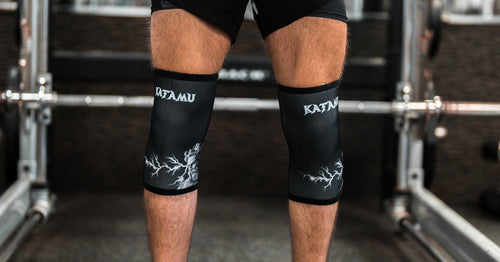
It is especially useful if you have reached the point where your top sets require more than casual gym gear. When your setup, warm-up sequence, and working weights matter to you, your equipment needs to keep up. A well-built lever belt belongs in that category alongside dependable sleeves, wraps, straps, and shoes.
Newer lifters can wear a belt too, but they should not rush into relying on it for every exercise. Spend time learning how to brace without one. Use the belt for your heavier sets rather than cinching it on for every machine movement, light warm-up, or casual pump set. Your body should still know how to create tension on its own.
If your training is mostly conditioning, high-rep circuits, or movements that demand frequent changes in torso position, a lever belt may be more gear than you need. The best equipment is the equipment that fits the way you train, not the equipment that looks toughest in the locker room.
How to Choose the Right Lever Belt Fit
Start by measuring where you plan to wear the belt. That may not be where you wear your everyday pants. Most lifters position a belt around the midsection, but the exact placement depends on torso length, comfort, and the lifts you prioritize.
Do not guess based on jean size. Measure yourself and compare that number with the sizing guidance provided for the belt you are considering. A belt that is too large will never deliver the locked-in feeling you want. One that is too small can turn every setup into a fight.
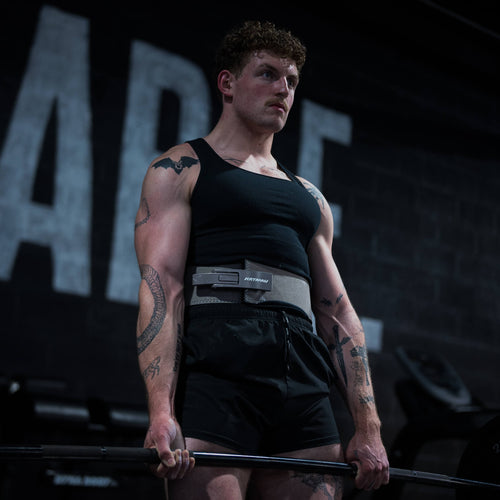
Next, consider your training style. If you primarily squat, you may prefer a position that allows you to stay upright and brace hard at the bottom. If deadlifts are your main event, experiment with placement so the belt does not interfere with your starting position. There is no single perfect placement for every body or every lift.
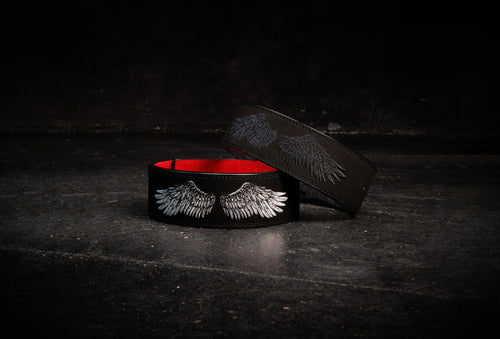
The material and finish should also match your standards. Look for a belt that feels substantial, maintains its shape, and has hardware that closes with confidence. Premium lifting gear should hold up to repeated sessions while looking sharp enough to match the rest of your training kit. Performance and identity do not need to be separate choices.
Getting More From Your Belt in Training
Wear the belt for a few lighter sets before trusting it on your heaviest work. Learn how it feels when you inhale, descend, and stand back up. The goal is not to crank it down as hard as possible. The goal is to create a firm surface around your torso that you can actively brace into.
For squats, set the belt, take your breath, and press your midsection outward in every direction. Maintain that pressure as you lower and drive up. For deadlifts, establish your position first, then brace hard before the pull. In both cases, keep the belt as part of the setup rather than the entire setup.
Pay attention after the session, too. If the belt leaves you with sharp discomfort, bruising, or a constant pinch in one area, adjust the position or tension next time. A belt can feel intense under load without feeling wrong. The difference is worth learning.
Is a Lever Belt Worth It?
For the athlete who trains with progressive overload and wants a more repeatable heavy-lift setup, yes. A lever belt brings speed, security, and a distinct sense of readiness to the lifts that matter most. It is a focused piece of equipment for focused training.
Katamu’s approach to lifting gear fits that standard: gear should look intentional, feel premium, and earn its place in your rotation. A belt is not just something you throw in your gym bag. It is part of the moment you decide the weight moves.
Choose the fit carefully, build your bracing skill, and give the belt time to become familiar. When the load gets serious, the right lever belt should make one thing clear: you are ready to attack the rep.
