
 30-Day Money Back Guarantee

A forgotten belt on heavy squat day changes the whole session. So does digging through a damp shirt for your wrist wraps while the platform is open. Knowing how to pack a gym bag is not about carrying more gear. It is about showing up with exactly what your training demands, protected, organized, and ready when the weight gets serious.
Your bag should work like part of your setup. Every item needs a purpose, a place, and a reason to make the trip. Pack for the session you are actually training, not for every possible workout you might do.
How to Pack a Gym Bag Without Carrying Dead Weight
Start with your program. A powerlifting day, bodybuilding session, conditioning workout, and post-work class each call for a different loadout. The goal is to remove friction before you leave the house, so your focus stays on the next set rather than missing equipment.
Think in three layers: training essentials, support gear, and recovery or hygiene items. Your essentials are what make the session possible: shoes, clothes, water, and a lock if your gym requires one. Support gear is specific to the lifts you are doing. Recovery and hygiene items keep the bag usable after the work is done.
Avoid turning your gym bag into a storage unit. A bag overloaded with random accessories is slower to pack, harder to clean, and more likely to hide the one item you need. Keep your daily core consistent, then swap in lift-specific gear before each session.
Build a base kit that stays in the bag
Your base kit should cover the non-negotiables for most training days. Keep a clean set of training clothes, socks, deodorant, a small towel, water bottle, headphones, lock, and basic toiletry pouch ready to go. If you train after work or class, this is what prevents a rushed trip home from becoming a skipped workout.
A spare shirt is worth carrying even if you do not expect to use it. Hard sessions produce sweat, and walking out in a soaked top is uncomfortable at best. A compact plastic or waterproof pouch for used clothes keeps moisture away from the rest of your equipment.
Shoes deserve their own consideration. Flat lifting shoes, squat shoes, running shoes, and general trainers all serve different purposes. If your gym session includes heavy lower-body work, pack the footwear that gives you a stable base rather than relying on whatever is already on your feet.
Pack Lifting Gear for the Day’s Main Work
Your accessories should follow your training plan. Do not blindly bring every piece of gear you own. Bring the equipment that supports the movements, loads, and volume on the schedule.
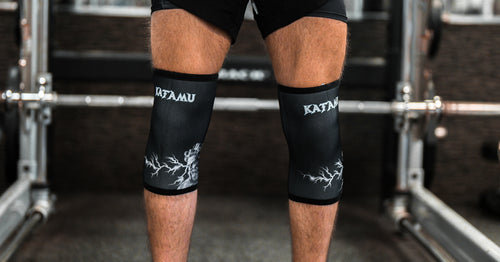
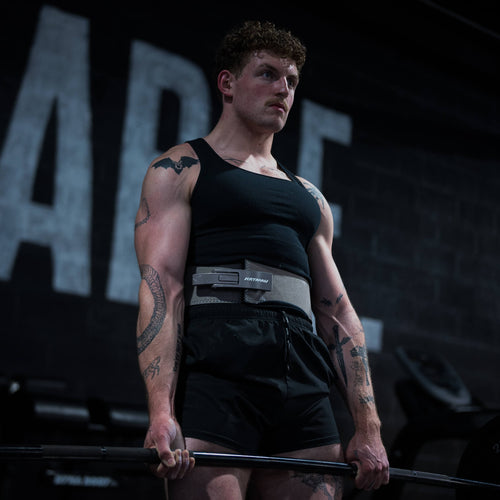
For a heavy squat or deadlift day, a belt may be central to your working sets. Knee sleeves can provide warmth and compression during demanding lower-body training, while lifting straps make more sense when pulling volume, rows, or heavy hinges could limit your grip before your back is fully trained. On pressing days, wrist wraps can help create a more secure, supported setup under load.
There is a trade-off here. More gear can be useful, but it should not become a substitute for preparation, technique, or progressive training. Pack accessories as tools, not armor. If you only need straps for your final back movements, keep them in the bag until then instead of building your entire warmup around them.
A clean way to organize your strength gear is by use frequency. Put the belt, wraps, or straps you will use first near the top. Less urgent items can go into internal pockets. A Katamu gym bag with separate compartments makes this easier, especially when you are carrying apparel and lifting equipment in the same loadout.
Use compartments with intention
The best organization system is simple enough to repeat when you are tired. Keep clean clothes in the largest dry compartment. Use a smaller pocket for valuables such as keys, wallet, student ID, and earbuds. Store wraps, straps, and sleeves together so they do not disappear under a hoodie or towel.
Separate anything sweaty, wet, or dirty from fabric you plan to wear. That includes used socks, a towel, and knee sleeves after a long lower-body session. If your bag does not have a dedicated shoe compartment, use a washable shoe bag or pouch. It keeps the soles off your clean clothes and prevents chalk, dirt, and gym-floor moisture from spreading through the bag.
Do not leave food loose beside your gear. A crushed protein bar or leaked shaker can turn a premium bag into a cleanup project. Put snacks in a sealed container and keep powders dry until you are ready to mix them.
A Practical Gym Bag Checklist
Before you zip the bag, run through this quick check. It takes less than a minute and saves you from the most common training-day misses:
- Training clothes, socks, and the right shoes for the session
- Water bottle, headphones, lock, and any pre-workout or post-workout nutrition
- Belt, sleeves, wraps, or straps matched to the day’s main lifts
- Towel, deodorant, and a clean pouch for sweaty clothes
- Keys, phone, wallet, and gym access card
- Optional recovery items, such as a shaker bottle or quick snack
Pack the Night Before, Not in the Parking Lot
The strongest gym bag habit happens before the day gets busy. Packing at night gives you time to check your program, charge your headphones, refill your water bottle, and replace anything you used the day before. It also keeps your early morning training from depending on half-awake decisions.
After each session, empty the bag when you get home. Pull out damp clothes, let sleeves and wraps air dry, wash the towel, and wipe down the interior if it needs it. This protects your gear from odor and unnecessary wear. Leather belts, fabric wraps, and compression apparel last longer when they are not trapped in a damp, closed bag for days.
Then reset the base kit. Restock the essentials, return your valuables to their usual spot, and leave the lift-specific compartment empty until you see tomorrow’s program. This small reset makes your gear feel deliberate instead of chaotic.
Adjust Your Bag for Your Training Lifestyle
How you pack also depends on where training fits into your day. If you go straight from campus to the gym, prioritize a change of clothes, deodorant, and a secure spot for electronics. If you train before work, bring what you need to clean up and transition fast. If you drive directly to the gym, you may have more room for extra shoes or a meal, but that does not mean your bag has to become cluttered.
For athletes who move between commercial gyms, powerlifting meets, and outdoor conditioning, consider keeping a separate event kit. Competition day brings different demands: approved apparel, a backup shirt, food, tape, chargers, and any equipment rules you need to follow. Your everyday gym bag should stay focused on everyday execution.
A well-packed bag is a quiet advantage. It tells you that the work is already accounted for before you touch the bar. Pack with intent, keep your equipment clean, and let every item earn its place. When it is time to train, all that remains is to lift.
