 30-Day Money Back Guarantee

The wrong training shirt becomes obvious halfway through a hard session. It rides up during rows, traps sweat under a belt, or loses its shape after a few washes. This compression apparel review is for lifters who expect more from what they wear under load: a locked-in fit, real mobility, and a look that matches the work.
Compression gear is not magic strength equipment. It will not add plates to your bar or replace smart programming. What it can do is remove distractions, manage sweat, and give your training kit a more deliberate feel from warm-up sets to the final rep.
What Compression Apparel Should Do in the Gym
For strength athletes, compression apparel has a different job than it does for a casual runner. It needs to stay in place under a lifting belt, move through deep ranges of motion, and hold up against benches, barbells, rough knurling, and repeated wash cycles.
A quality compression shirt or short should feel close to the body without feeling restrictive. You should be able to brace hard, reach overhead, hinge into an RDL, and sink into a squat without fighting the fabric. If the garment pulls across the shoulders, rolls at the waistband, or turns sheer when stretched, the fit is wrong or the material is not built for serious training.
The best pieces also manage temperature. Compression fabric will not make a packed gym feel cool, but moisture-wicking material can keep sweat from sitting heavy against your skin. That matters when you are training for 90 minutes, wearing a belt between working sets, or moving from high-volume accessories into conditioning.
Compression Apparel Review: The Details That Matter
A clean design can catch attention, but construction decides whether compression wear earns a permanent place in your rotation. Start with fabric composition. Most performance compression apparel uses a blend of polyester or nylon with elastane. Polyester is typically lightweight and quick-drying. Nylon often feels smoother and can offer a more premium, durable hand feel. Elastane provides stretch and recovery.
More stretch is not automatically better. A garment with too much stretch can feel great in the fitting room and then lose its shape after a month of heavy use. Too little stretch creates a stiff, over-compressed feel that limits movement. The target is controlled elasticity: enough tension to stay locked in, enough recovery to return to form after every session.
Fit Should Feel Secure, Not Suffocating
Compression means close-fitting, not circulation-cutting. A good top should sit flat across the chest and back, with sleeves that stay put without digging into the arms. A good pair of compression shorts should have a waistband that does not fold when you brace or squat.
Sizing is where most athletes get it wrong. Buying a size down for maximum squeeze is rarely the move. Overly tight apparel can restrict shoulder movement, make breathing during heavy bracing uncomfortable, and wear out faster at high-stress seams. Use your chest, waist, and hip measurements first. If you are between sizes, your decision should reflect how you train. Choose the tighter option only if you prefer an aggressively athletic fit and the garment is designed with generous stretch.
Seams Are a Performance Feature
Seams are easy to ignore until they rub your skin raw during high-rep work. Flatlock seams are a strong sign because they reduce bulk and friction against the body. Strategic seam placement matters too. Underarm, inner-thigh, and shoulder areas take constant stress during lifting, so poorly positioned seams can become the first point of failure.
Look for reinforced stitching around the waistband, crotch, and shoulder panels. These are the areas that get tested when you squat, pull, press, and wash your gear repeatedly. Loose threads after a few sessions are not character. They are a warning.
Opacity and Coverage Are Non-Negotiable
For compression shorts and leggings, test opacity under tension. The fabric should maintain coverage at the bottom of a squat, not turn transparent when stretched. For tops, check whether the material clings excessively when wet or becomes see-through under bright gym lighting.
Length matters as well. Compression shorts that are too short can ride up during lunges and deadlifts. Shorts that are too long may bunch behind the knee during deep squats. There is no universal perfect inseam, but the garment should move with your mechanics instead of constantly asking for adjustment.
Where Compression Gear Delivers Most
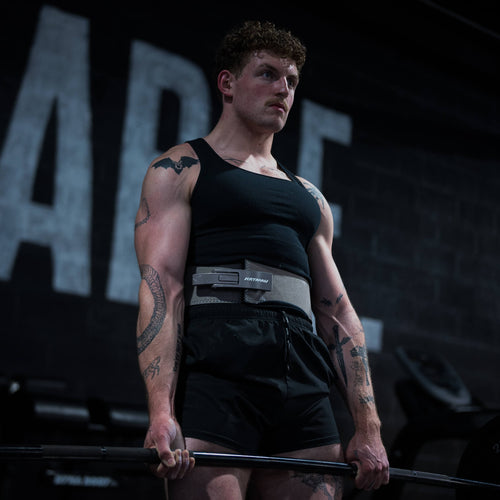
Compression apparel earns its place in the gym when comfort and control matter. It is especially useful for high-volume bodybuilding sessions, conditioning work, long training days, and layered cold-weather warm-ups. A fitted base layer keeps fabric from shifting under hoodies, training shorts, knee sleeves, and belts.
For powerlifting-style sessions, the advantage is often practical rather than dramatic. A compression top can keep your upper body covered and warm between bench sets without excess fabric interfering with setup. Compression shorts can provide a secure base under training shorts while reducing bunching during squats and pulls.
There is also a confidence factor. Serious training is physical, but it is not only physical. Gear that fits well, holds its form, and looks intentional can help you show up with a sharper mindset. That does not replace discipline. It supports it.
The Trade-Offs Before You Buy
Compression apparel is not the best choice for every session or every athlete. Some lifters prefer a looser pump cover during warm-ups or heavyweight tees for a more relaxed training feel. If you train in a very hot gym, a thick compression top may feel warmer than a lightweight technical shirt. If you are sensitive to tight waistbands or seams, the wrong pair of compression shorts can become more irritating than helpful.
Price is another trade-off. Budget compression gear can look similar online, but lower-quality blends often lose elasticity, pill quickly, or develop weak seams. Premium gear costs more upfront because fabric weight, stitching, patterning, and fit development cost more to get right. It depends on how often you wear it. If it is a once-a-week layer, a basic piece may be enough. If it is part of your core weekly rotation, durability is worth paying for.
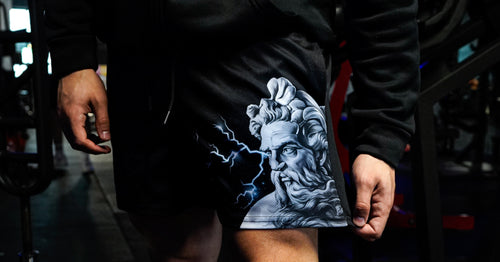
Style should not be dismissed either. Generic black compression wear is functional, but it does not always reflect how you want to train. For athletes building a gym wardrobe around strength and identity, pieces with stronger cuts, intentional graphics, and collection-driven design bring more energy to the floor. Katamu approaches performance apparel with that same standard: built for the work, designed to look like it belongs there.
How to Make Compression Apparel Last
Performance fabric needs basic care, not complicated rituals. Wash it after hard sessions, especially when sweat, chalk, and deodorant build up. Turn garments inside out to reduce friction on graphics and outer fabric. Cold water and a mild detergent are usually the safer choice for preserving stretch fibers.
Avoid high heat when possible. Excess dryer heat can damage elastane over time, which is why a garment that once felt supportive can eventually feel loose and tired. Air drying takes longer, but it protects fit and shape. Do not wash compression pieces with rough items like belts, wraps with aggressive hook-and-loop closures, or heavily textured towels if you can avoid it.
A quick inspection after laundry goes a long way. Check for thinning fabric at the inner thigh, stretched necklines, and loose seam threads before they become a full failure. Rotation helps, too. Two or three quality pieces will last longer than forcing one shirt through every session of the week.
The Standard to Train In
The strongest compression apparel does not demand attention once the session starts. It stays close, handles sweat, moves through every rep, and keeps its shape long after cheaper gear has checked out. Choose fit before hype, construction before logos, and fabric that can survive the workload you actually put in.
Your training gear should feel like part of your standard. Put on something that can keep up, then make the session count.
