 30-Day Money Back Guarantee

Miss a squat because your knees feel unstable, and the question gets real fast: knee sleeves vs knee wraps. Both have a place in serious training, but they do very different jobs under load. Pick the right one, and you get more confidence, better consistency, and support that actually matches the way you lift.
Knee sleeves vs knee wraps: the core difference
If you want the short version, knee sleeves are built for compression, warmth, and everyday support. Knee wraps are built for maximum tightness and rebound, usually when the goal is to move the most weight possible for a low number of reps.
That difference matters because support is not one thing. Some lifters need their knees to feel warm and stable through an entire session. Others want aggressive spring out of the bottom of a squat. Sleeves help you train. Wraps help you attack heavy attempts.
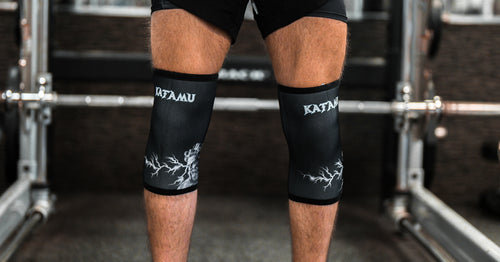
A knee sleeve is typically made from neoprene and slides over the joint like a compressive layer. It hugs the knee, traps heat, and can make squats, lunges, leg presses, and even warm-up sets feel smoother. A knee wrap is a long elastic strip wound tightly around the knee joint. The tighter the wrap, the more resistance and rebound you create.
So if you are comparing knee sleeves vs knee wraps, start here: sleeves support movement quality and joint comfort, while wraps are more about maximizing output in specific lifts.
Why lifters choose knee sleeves
Knee sleeves are the go-to for most gym athletes because they fit real training better. You can wear them through a full lower-body session without turning every set into a setup ritual. They give you compression, a more secure feeling at the bottom of squats, and a warmer joint once the session gets rolling.
That warmth is a bigger deal than some people realize. A warm knee often feels better under repeated volume, especially if you squat multiple times per week or stack compounds with accessory work. Sleeves do not magically fix pain, but they can reduce that beat-up feeling many lifters get when training hard week after week.
They also feel more natural. Your movement pattern stays closer to your normal squat, which matters if you want support without changing the lift too much. For bodybuilding, general strength work, athletic training, and most intermediate lifters, sleeves are usually the better fit.
Another reason sleeves win for daily use is consistency. Once you find the right thickness and fit, they are easy to put on, easy to keep on, and easy to rely on. That makes them ideal for athletes who train with intensity but do not want their gear slowing down the session.
What sleeves actually help with
Sleeves can improve confidence under the bar, especially when you hit working sets and your knees start feeling the load. They may also help you feel more stable during the eccentric and more connected coming out of the hole. Some lifters report a small performance boost, but it is usually subtle compared to wraps.
Think of sleeves as support you can live in. They are not there to dominate the lift. They are there to make training feel stronger, tighter, and more repeatable.
Why some lifters choose knee wraps
Knee wraps are a different animal. When applied tightly, they store energy as you descend and give you pop out of the bottom. That is why powerlifters chasing max squat numbers often use them, especially in federations or divisions where wraps are allowed.
The support is more aggressive, but it comes with trade-offs. Wraps can feel restrictive, uncomfortable, and technically demanding. If they are too loose, you lose the benefit. If they are too tight, they can throw off your groove, cut circulation, and make it hard to hit depth consistently.
They also change the lift more than sleeves do. That is not automatically a bad thing, but it means wraps are a specialized tool, not general-purpose support. If your goal is to squat as much as possible in a wrapped context, they make sense. If your goal is strong, repeatable training across an entire leg session, they often become more hassle than help.
Wraps are not just for extra support
A lot of newer lifters assume wraps are simply the stronger version of sleeves. Not exactly. Wraps are not just more support. They create a different training experience. The rebound can help you move heavier loads, but it also affects timing, descent control, and how the bottom position feels.
That is why wraps tend to make the most sense for advanced lifters, competitive powerlifters, or athletes specifically practicing heavy top-end squat work. For everyone else, they can be overkill.
Which one is better for strength training?
It depends on what kind of strength training you mean.
If you are a general strength athlete, bodybuilder, or someone building serious squat numbers without competing in wraps, sleeves are usually the better call. They support the joint without taking over the movement. They work across higher volume, accessories, and mixed training days. You can wear them for front squats, hack squats, split squats, and machine work without constantly rethinking your setup.
If you are peaking for competition, testing one-rep maxes, or training specifically for wrapped squats, wraps have a clear advantage. They can help you handle bigger numbers, but only if you know how to use them and your training style justifies the trade-off.
That is the key point. Better is context-dependent. More aggressive gear is not always smarter gear.
Knee sleeves vs knee wraps for beginners
Beginners almost always do better with sleeves, or with no knee support at all until they build a base. Early on, the priority is learning how to squat well, control positions, and get stronger through clean reps. Sleeves can add comfort and confidence without masking the feel of the movement.
Wraps tend to add complexity where beginners do not need it. They take time to apply, they can distort feedback from the lift, and they encourage some lifters to chase load before earning stable mechanics. That is a bad trade.
If you are new and your knees feel sketchy, the answer is not automatically tighter gear. It might be better programming, improved technique, or more thoughtful load management. Support gear should sharpen good training, not replace it.
Fit, comfort, and day-to-day use
This is where sleeves separate themselves fast. A quality sleeve should feel tight but not deadening. You want compression, not distraction. Too loose, and you lose support. Too tight, and you fight the sleeve more than the set.
Wraps are less forgiving. Their effectiveness depends heavily on how they are wrapped, how tight they are, and whether you or your training partner can apply them consistently. Some lifters love that ritual. Others hate everything about it.
There is also the recovery side of training to think about. If you are hitting volume, moving quickly between exercises, or training in a commercial gym, sleeves fit the flow better. They keep the session moving. Wraps slow it down and demand more intention.
For most athletes, that alone answers the question.
When to choose sleeves
Choose sleeves if you train legs hard more than once a week, want support that feels athletic instead of extreme, or need something versatile enough for squats, accessories, and general lower-body work. They are also the stronger choice if your priority is knee comfort, joint warmth, and consistency across full sessions.
For the majority of lifters, sleeves hit the sweet spot between support and practicality. That is why they are a staple in serious gym bags.
When to choose wraps
Choose wraps if you are an experienced lifter chasing maximum squat performance, competing in a format that allows them, or specifically training heavy low-rep work where rebound out of the hole is part of the plan.
Just be honest about your goal. If you want a tool for lifting the biggest possible number on squat day, wraps earn their place. If you want something you will actually use every lower-body session, sleeves usually win.
The smarter buy for most lifters
For most people reading this, sleeves are the smarter investment. They are easier to use, easier to recover in, and far more versatile across real training. They support the way most athletes actually lift - hard, often, and across more than one exercise.
Wraps are powerful, but narrow. Sleeves are balanced, durable, and practical. In a training setup built for performance, that usually matters more than chasing the most aggressive support possible.
If your gym life includes squats, accessories, and the kind of sessions that demand both function and durability, sleeves are the gear you will keep reaching for. That is exactly why serious athletes build around dependable support first and specialized tools second.
The right gear should match your training, not your ego. Pick the option that lets you show up stronger, move with confidence, and keep stacking quality sessions.
