 30-Day Money Back Guarantee

A heavy leg session exposes weak apparel fast. Training shorts for leg day need to survive deep squats, wide stances, walking lunges, leg presses, and the part of the workout where your sweat level rises but the weight does not come down. If your shorts pinch at the bottom, slide at the waist, ride up between sets, or make you think twice before hitting depth, they are not built for the work.
Leg day is not a place for throwaway gym clothes. The right pair supports unrestricted movement while looking sharp enough to match the standard you bring to the rack. Fit, fabric, inseam, waistband, and pocket design all change how a pair performs once the session gets serious.
What Training Shorts for Leg Day Need to Do
The core job is simple: move when you move, then stay in place. That sounds obvious, but it is where most generic athletic shorts fail. A pair that feels comfortable standing still can become restrictive under a loaded barbell or bunch up during a set of Bulgarian split squats.
Start with mobility. Leg training asks for hip flexion, abduction, and rotation in multiple directions. Squats need room through the hips and glutes. Lunges need a fabric that does not pull across the front thigh. Machine work may be more controlled, but it still exposes tight seams and waistbands that fold or dig in once you are seated.
Next comes coverage. Shorts that are too long can catch around the knee during high-rep work, while shorts that are too short may leave you constantly adjusting between sets. There is no universal inseam that wins for every lifter. It depends on your height, quad size, preferred silhouette, and whether you wear compression shorts underneath. The right length gives you room to move without becoming a distraction.
Finally, leg-day shorts should hold their structure. Thin fabric can feel light, but it often turns clingy after a hard warmup. A better performance fabric keeps its shape, handles repeated friction against benches and machines, and does not become see-through when it stretches at the bottom of a squat.
Fit Comes Before Every Other Feature
A strong leg-day fit starts at the waist. Look for a waistband that sits secure without feeling like a second belt. Elastic is useful for comfort, but a drawcord matters when you train hard. It lets you lock the shorts down before squats, deadlifts, sled drags, or conditioning finishers, instead of pulling them up after every set.
The hip and thigh area should feel intentional, not oversized. A relaxed fit gives bigger legs room to work, especially if you have built quads that do not fit comfortably into standard athletic cuts. Too much material, however, can hang awkwardly, snag on equipment, and lose the clean profile that makes training apparel feel premium.
Try the movement test before deciding a pair is right. Drop into a bodyweight squat, take a wide lateral step, bring one knee toward your chest, and sit into a deep lunge. You should not feel tension at the crotch seam or the inside thigh. If you do, that restriction will only get louder once the bar is loaded.
For many lifters, a 5-inch to 7-inch inseam hits the sweet spot. A shorter cut gives maximum range and puts quad development on display. A 7-inch option provides more coverage while still clearing the knee for squats and lunges. Taller athletes or lifters who prefer a less aggressive silhouette may want more length, but avoid fabric that falls into the path of your movement.
Fabric Should Work Under Load
Cotton-heavy shorts have a place for casual wear, but they can absorb sweat, become heavy, and lose their shape during high-volume lower-body sessions. Training demands a fabric with stretch and recovery. Stretch lets you reach depth. Recovery means the material returns to form instead of staying bagged out after every set.
A performance blend with polyester, nylon, and elastane is usually the smarter choice for hard training. Polyester helps with moisture management and durability. Nylon adds a smooth, resilient feel that stands up to repeated use. Elastane gives the fabric the flex needed for deep positions. The exact blend matters less than the result: light enough to move, substantial enough to feel secure, and durable enough for weekly leg days.
Do not mistake ultra-thin for high performance. The lightest short in the gym is not automatically the best short for heavy squats. A slightly more substantial fabric can offer better coverage, less cling, and a more premium drape. If you train in a hot gym or live in a warm climate, prioritize breathability, but do not sacrifice structure just to save a few grams.
Details That Separate Good Shorts From Gym Staples
The small details are what make shorts reliable across a full training block. Deep pockets are useful for moving your phone, keys, or locker card before and after a session, but loose or shallow pockets can become a problem when you are lifting. Zippered pockets are a strong option if you carry essentials through a crowded gym.
Side splits can improve freedom of movement, especially for lifters with developed glutes and quads. They are not mandatory, but a well-designed split reduces pulling at the outer thigh during lunges, leg curls, and wide-stance squats. The key is restraint. The short should move with your body, not flare open so aggressively that it loses coverage.
Pay attention to seams as well. Flat, reinforced seams are less likely to rub during high-rep work or break down from repeated stretching. Cheap stitching often reveals itself first in the inner thigh and crotch area, exactly where leg-day movement puts the most stress on the garment.
If you wear compression shorts or tights under your training shorts, choose an outer layer that has enough room to sit cleanly over them. The combo can add confidence and reduce friction, but only if both layers move well together. Overly tight outer shorts can trap the base layer, creating bunching that becomes unbearable by the time you reach accessories.
Choose Shorts for Your Training Style
Powerlifters typically need stability, a secure waist, and enough room to set up for a wide squat stance. The priority is not flashy fabric or oversized pockets. It is a dependable fit that stays put under a belt, knee sleeves, and a serious barbell.
Bodybuilders often benefit from a shorter, athletic cut that gives the thighs space and makes it easier to see quad positioning during warmups or posing practice. For high-volume sessions, soft fabric and low-friction seams become more valuable because the total time under tension adds up.
Hybrid athletes need a more versatile balance. If your lower-body training includes sled pushes, box jumps, step-ups, and interval work after lifting, select shorts that stay light when wet and do not restrict explosive movement. A drawcord and flexible fabric are non-negotiable here.
The best choice is the one that fits your actual session, not the one that looks best folded on a shelf. If your training is built around compound lifts, prioritize range and security. If you spend more time on machines and hypertrophy work, comfort through long sessions may matter more. Both deserve apparel that holds up.
Build a Leg-Day Uniform You Trust
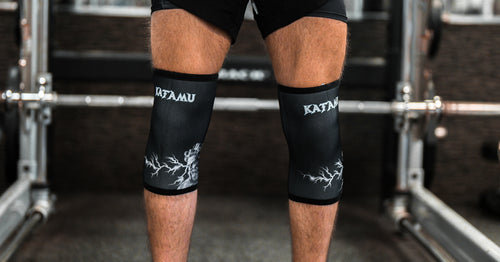
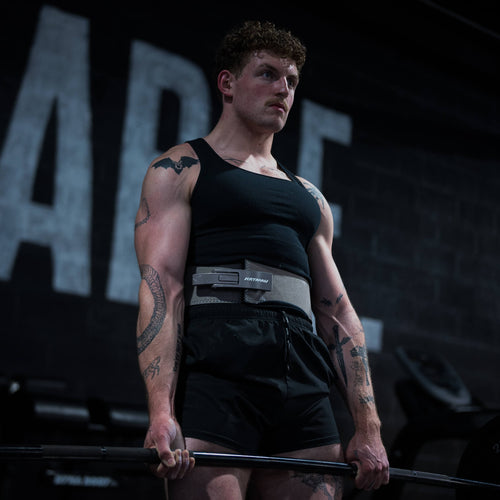
Confidence before a big set is built from repetition. You use the belt that feels right. You reach for the sleeves that stay locked in. Your shorts should earn the same place in your rotation. When every piece of your kit does its job, you can focus on bracing, depth, control, and execution.
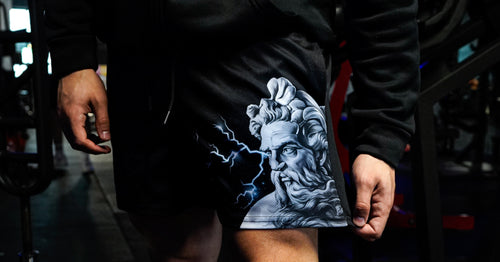
Katamu training apparel is made for that standard: performance-focused pieces with a streetwear edge, built for lifters who expect their gear to look as strong as it performs. Choose a fit that gives your legs room, fabric that can take the volume, and details that do not quit halfway through the session.
Your next leg day will still be brutal. Your shorts just should not be part of the problem.
