 30-Day Money Back Guarantee

Struggling to pick the right lifting leather belt for your training sessions in 2026? You’re definitely not alone. With endless options and confusing specs, finding a belt that matches your goals, body, and budget can feel overwhelming. This expert guide will break down each step so you can choose a lifting leather belt with total confidence. We’ll cover key benefits, must-have features, sizing tips, the best picks for 2026, care advice, and answers to common questions. Say goodbye to guesswork and get ready to lift smarter and safer.
Why Choose a Leather Lifting Belt?
Searching for the best lifting leather belt can feel overwhelming, especially with so many options on the market. But there’s a reason leather remains the gold standard for serious lifters. Let’s explore why choosing a lifting leather belt is a smart investment for your training and safety.
Superior Support and Safety
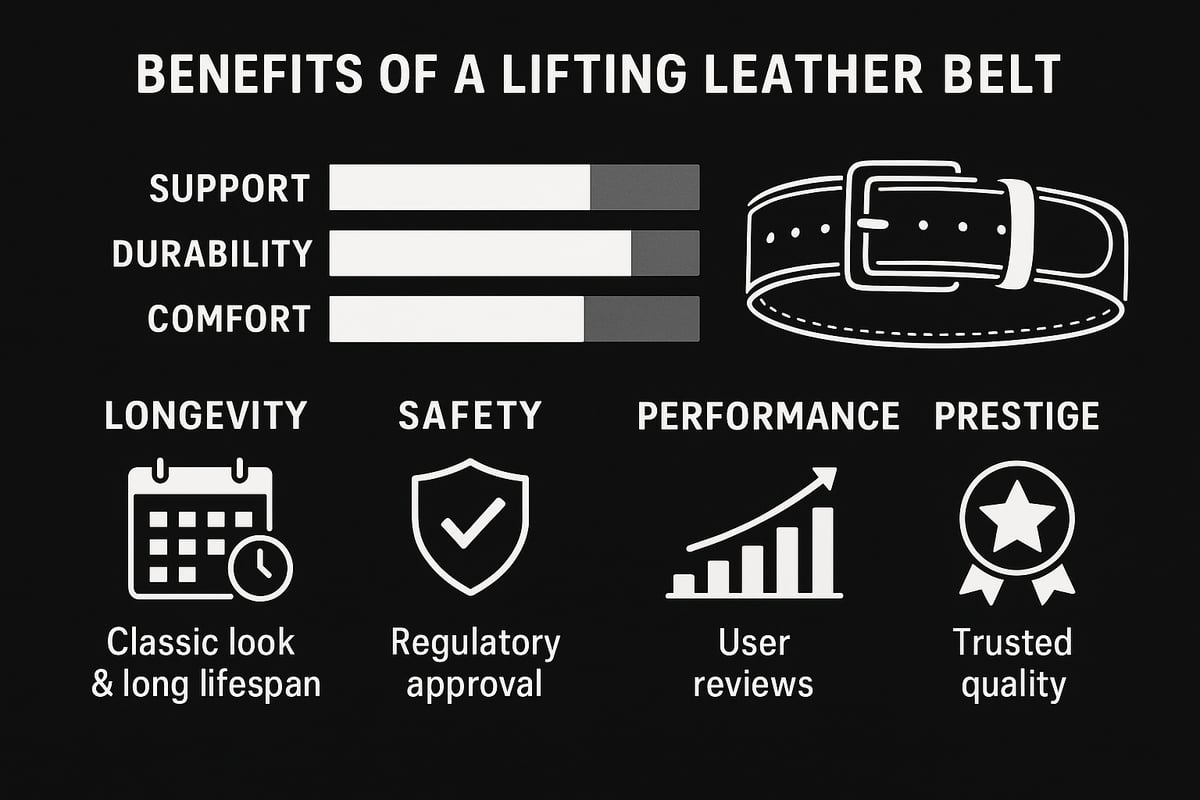
A lifting leather belt provides unmatched support for your lower back and core during heavy lifts. Its natural rigidity helps prevent excessive spinal flexion, which can significantly reduce your risk of injury. Competitive lifters and everyday gym-goers alike praise the support and comfort, describing it as “really supportive, but not uncomfortable at all.”
Leather belts are trusted by federations like the USPA and are commonly chosen for powerlifting competitions. For a deeper dive into how belts improve safety and performance, check out this guide on gym belt uses and benefits.
Durability and Longevity
When you invest in a lifting leather belt, you’re choosing a product built to last. High-quality leather, often reinforced with industrial stitching and strong rivets, can outlive most synthetic alternatives. Many users report their belts lasting for years, even with regular, intense use.
For example, belts crafted from sole bend leather are renowned for their sturdiness. Some lifters even say their belt could last their entire lifting career, making it a wise long-term investment.
Performance Enhancement
Wearing a lifting leather belt helps you create more intra-abdominal pressure, which is crucial for bracing and lifting heavier weights safely. Athletes and coaches consistently recommend leather belts for maximizing performance on squats, deadlifts, and presses.
Both beginners and advanced lifters report noticeable improvements in their lifts after switching to a leather belt. It’s not just about safety; it’s about unlocking new levels of strength and progress.
Comfort and Customization
One of the standout features of a lifting leather belt is how it molds to your body over time. The leather gradually softens, providing a fit that feels custom-made. Whether you prefer a wider or narrower belt, or need a specific thickness, there’s a leather option to match your needs.
Various widths and thicknesses allow you to tailor the belt for your training style and body type, ensuring comfort and optimal support.
Aesthetic and Prestige
There’s something undeniably classic about a lifting leather belt. The look and feel of genuine leather carry a sense of tradition and professionalism. Many top lifters prefer leather not just for performance, but for the prestige it brings.
Owning a quality leather belt signals commitment to your sport and respect for the craft of lifting. It’s an iconic piece of equipment that stands the test of time.
Key Features to Consider When Buying a Lifting Leather Belt
Choosing the right lifting leather belt can feel overwhelming, especially with so many options available in 2026. Understanding the key features will help you narrow down your choices and invest in a belt that matches your needs and goals. Let’s break down what matters most when shopping for your next lifting leather belt.
Material Quality and Construction
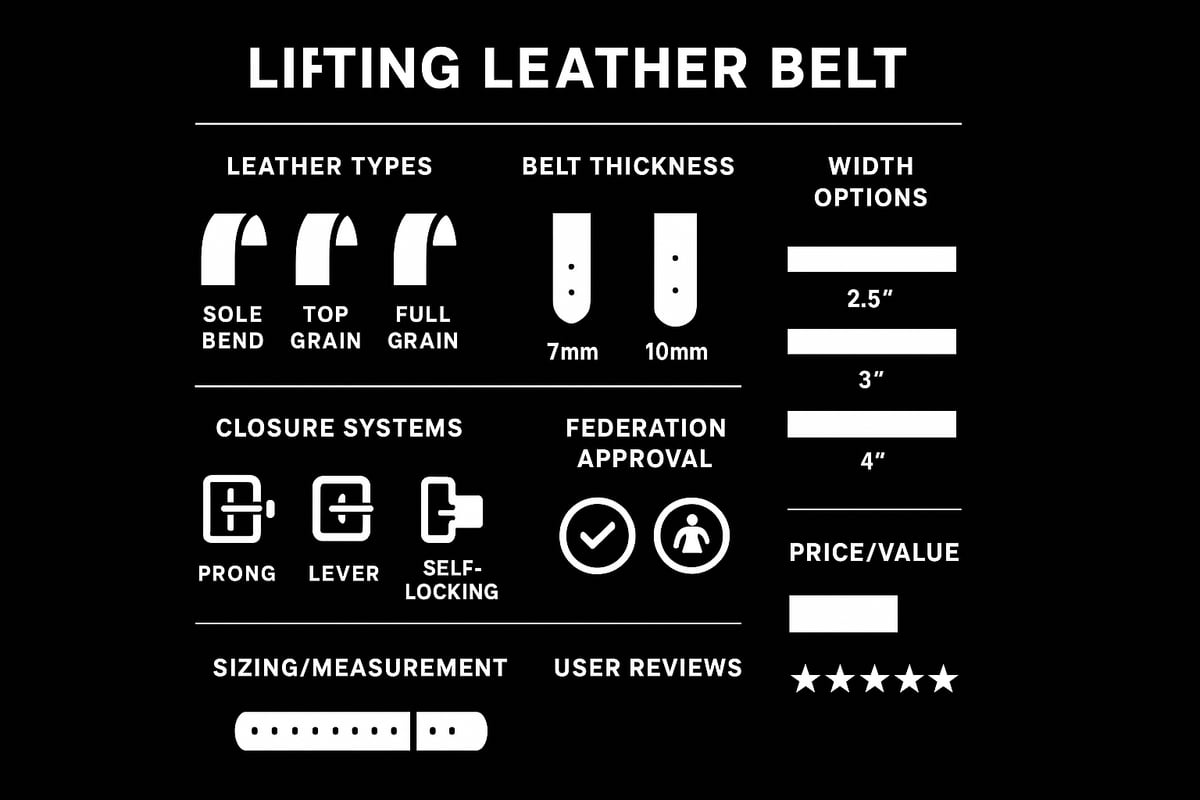
The material of your lifting leather belt plays a huge role in its performance and lifespan. Most top belts use sole bend, top grain, or full grain leather. Sole bend is known for maximum durability and stiffness, making it ideal for heavy lifting. Top grain is slightly more flexible, while full grain offers a balance of comfort and strength.
Thickness matters too. A 7mm belt provides flexibility and easier break-in, while a 10mm belt delivers extra rigidity and support for max efforts. Pay close attention to stitching and rivets. Double stitching and industrial rivets signal superior craftsmanship. Hand-made belts often offer better quality control than mass-produced options.
Here’s a quick comparison:
| Leather Type | Durability | Flexibility | Best For |
|---|---|---|---|
| Sole Bend | High | Low | Max support |
| Top Grain | Medium | Medium | All-around use |
| Full Grain | High | High | Comfort, support |
Belt Width and Thickness
Belt width and thickness are not just about comfort—they directly affect your lifting performance. Standard widths include 2.5, 3, and 4 inches. A 2.5 or 3-inch belt is perfect for Olympic lifts and smaller frames, as it enables more mobility. Most powerlifters prefer a 4-inch belt for maximal core support during squats and deadlifts.
Thickness comes down to your support needs. Thicker belts (10mm) provide a solid, rigid platform for bracing, while thinner belts (7mm) are more comfortable and easier to break in. Always check if your chosen width and thickness meet the regulations for your sport, especially if you plan to compete.
Buckle and Closure Systems
Closure systems can make or break your experience with a lifting leather belt. The three main options are prong, lever, and self-locking. Prong buckles are classic, offering micro-adjustments for a precise fit. Lever buckles are popular for their quick, easy adjustments and secure lock—perfect for powerlifters who need to tighten up fast between sets.
If you’re curious about the mechanics and benefits of lever belts, check out this Lever Belt for Weightlifting Explained guide for deeper insights.
Self-locking belts are gaining traction for their ease of use and safety features. When choosing, consider which closure system matches your training style and convenience needs.
Sizing and Adjustability
Proper sizing is critical. Measure your waist at the belly button, then subtract two inches for the best fit. Each lifting leather belt brand uses its own sizing chart, so always double-check before you order. Look for belts with multiple adjustment holes or settings to accommodate changes in your body composition or training progression.
If you gain or lose weight, adjustability ensures your belt remains effective and comfortable. Avoid belts with minimal adjustment options if you expect significant changes in your waist size.
Certification and Competition Approval
If you plan to compete, your lifting leather belt must meet federation standards. The USPA, IPF, and other organizations have specific rules for width, thickness, and closure type. Always check your belt’s certification before purchasing, especially if you’re aiming for official competitions. Many reputable brands clearly state which federations approve their belts.
Price and Value
Lifting leather belts come in a range of prices. Entry-level belts start around $50, while premium, hand-made options can exceed $200. Higher-priced belts often feature better leather, stronger stitching, and longer warranties. It’s smart to consider cost-per-use—a well-cared-for premium belt can last years, making it a worthwhile investment if you lift regularly.
When budgeting, factor in your commitment to lifting and how much use you expect from the belt. Sometimes, spending more upfront saves you money and hassle in the long run.
User Reviews and Reputation
Never underestimate the value of user reviews when selecting a lifting leather belt. Verified feedback highlights issues you may not notice at first glance, such as long-term durability or comfort during heavy lifts. Look for belts with consistently high ratings and positive comments on support, fit, and craftsmanship.
Reputable brands tend to have robust customer support and clear warranty policies. Prioritize belts with a strong reputation in the lifting community to ensure lasting satisfaction.
Step-by-Step Guide: How to Choose the Best Lifting Leather Belt for You (2026)
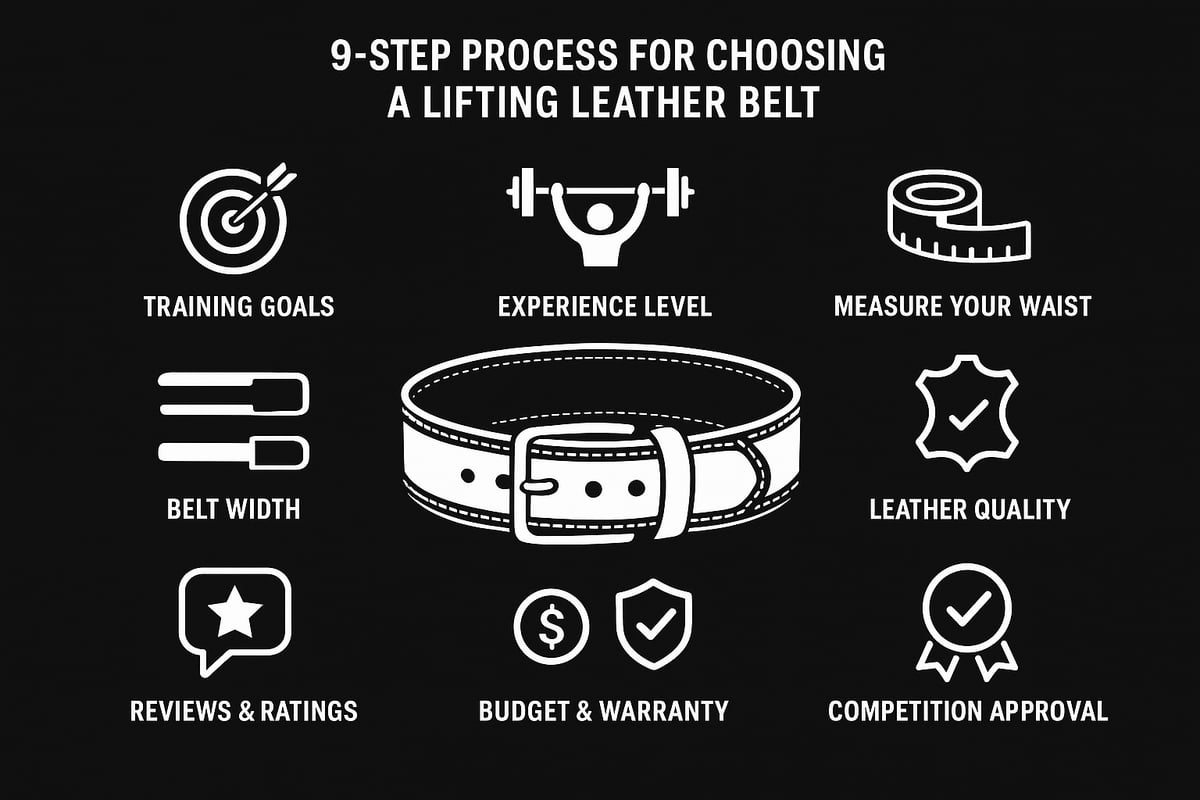
Finding the ideal lifting leather belt can feel overwhelming, but a clear, step-by-step approach will help you confidently select the right option for your goals, body, and training style.
Step 1: Define Your Training Goals
Start by identifying your main training focus. Are you into powerlifting, Olympic lifting, CrossFit, or general strength work? Each discipline places unique demands on your lifting leather belt. Powerlifters typically need maximum support, while Olympic lifters benefit from more mobility. Knowing your main lifts will help narrow your search.
Step 2: Assess Your Experience Level
Consider your lifting experience. New lifters often find a single-ply lifting leather belt more comfortable and easier to break in. Advanced lifters, aiming for heavier loads, may prefer double-ply options for greater support. Matching belt construction to your current skill level ensures both safety and comfort.
Step 3: Measure for the Perfect Fit
Proper fit is crucial for a lifting leather belt. To measure, wrap a soft tape around your waist at the belly button and subtract two inches. This accounts for the snug fit needed during lifts. Remember, your waist size may change with training, so choose a belt with some room for fluctuations.
Step 4: Select Width and Thickness
Belt width and thickness directly impact support and flexibility. Standard widths include 2.5, 3, and 4 inches. Smaller frames or Olympic lifters often prefer 2.5 or 3-inch belts for mobility, while powerlifters usually select 4-inch belts for maximum core stability. Thickness matters too: 7mm offers flexibility, 10mm provides rigid support.
| Width | Best For | Thickness | Support vs. Flexibility |
|---|---|---|---|
| 2.5" | Olympic lifts, small | 7mm | More flexible, less support |
| 3" | Mixed, mid-size | 7-10mm | Balanced |
| 4" | Powerlifting, max | 10mm | Most support, less flexible |
Step 5: Choose Closure Type
The closure system affects how easily you can adjust your lifting leather belt. Lever belts allow for quick, secure fastening, making them popular for powerlifters. Prong closures offer incremental adjustments, which is great for accommodating changes in waist size. Self-locking mechanisms can be convenient for rapid on-off use, especially in varied workouts.
Step 6: Check Material and Build Quality
Inspecting the quality of your lifting leather belt is essential. Look for premium leather types, such as sole bend or full grain, and check for even stitching and sturdy rivets. Hand-made belts often show superior craftsmanship. Reliable construction means your belt will last through years of training.
Step 7: Compare Brands and Read Reviews
Research brands with established reputations for quality and customer satisfaction. Verified user reviews can reveal real-world durability and comfort. For more tips on what to look for, check out this guide on Choosing Good Lifting Belts to help you make an informed decision.
Step 8: Budget and Warranty Considerations
Set a realistic budget for your lifting leather belt. Entry-level belts can cost less but may not offer the same durability as premium models. Consider the long-term value and look for warranties or guarantees, such as a one-year manufacturing warranty or trial period, to protect your investment.
Step 9: Confirm Competition Approval (if needed)
If you plan to compete, make sure your lifting leather belt meets federation standards, such as USPA or IPF requirements. This ensures your belt will be allowed in official meets and avoids last-minute surprises.
Quick Recap Table
| Step | Key Action |
|---|---|
| 1. Goals | Define your training focus |
| 2. Experience | Match belt to your skill level |
| 3. Fit | Measure waist and choose the right size |
| 4. Width/Thick | Select for your lifts and support needs |
| 5. Closure | Choose lever, prong, or self-locking |
| 6. Quality | Inspect leather, stitching, and build |
| 7. Reviews | Check brands and user feedback |
| 8. Budget | Set budget and check warranty |
| 9. Approval | Verify federation compliance |
Following these steps will help you select the best lifting leather belt for your needs, ensuring confidence and safety in every lift.
Top Lifting Leather Belts for 2026: Expert Recommendations
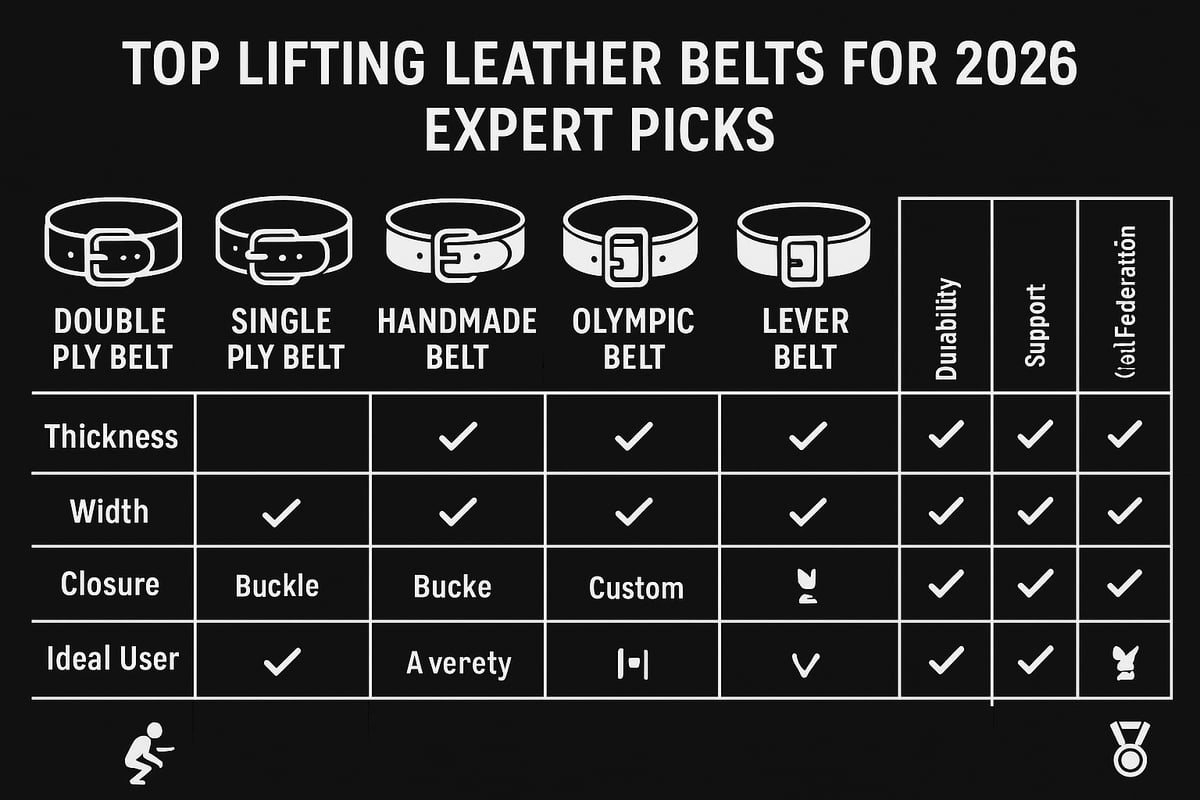
Struggling to choose the right lifting leather belt for your training in 2026? With so many options, it can feel overwhelming. To make your decision easier, we’ve curated expert recommendations for every type of lifter. Whether you’re a beginner, a powerlifter, or looking for value, you’ll find your perfect fit below.
Best Overall: Premium Double Ply Leather Belt
If you want the ultimate in support and longevity, the premium double ply lifting leather belt is the gold standard for 2026. With a solid 10mm thickness and double-ply construction, this belt offers unmatched rigidity for heavy squats, deadlifts, and bench presses.
Industrial-grade stitching and reinforced rivets ensure the belt withstands years of intense training. Many competitive lifters prefer this style because it meets most federation standards and provides consistent performance under high loads.
User reviews consistently praise the double ply lifting leather belt for its “more hoop tension and support,” making it a top choice for both advanced athletes and serious hobbyists. The belt’s ability to mold to your body over time also means comfort improves with every session.
| Feature | Premium Double Ply Belt |
|---|---|
| Thickness | 10mm |
| Construction | Double Ply |
| Closure | Lever or Prong |
| Federation Approved | Yes |
| Ideal For | Powerlifters, Advanced |
For those looking to invest in a belt that will last for years and provide maximum support, this lifting leather belt is a smart pick.
Best for Beginners: Single Ply Leather Belt
Starting your lifting journey? The single ply lifting leather belt is perfect for newcomers in 2026. With a 7mm thickness, it delivers enough support for foundational lifts without feeling overly stiff or restrictive.
This belt is easier to break in, so you won’t have to struggle with discomfort during your first weeks of use. Novices often find that a single ply lifting leather belt helps them focus on technique while still offering essential core stability.
Many users highlight its comfort, saying it’s “sufficiently supportive and more comfortable for newer lifters.” It’s also lighter, which makes it easier to wear through longer sessions or for general strength training.
If you’re unsure about belt sizing or want something that adapts as you progress, look for adjustable prong closures and reputable brands that offer clear sizing charts.
Best Value: Durable Hand-Made Leather Belt
Looking for a lifting leather belt that balances price and performance? The best value option in 2026 is a durable, hand-made leather belt. These belts are crafted with industrial rivets and robust stitching, providing impressive longevity even with heavy use.
Hand-made belts often use high-quality full grain or sole bend leather, which means they mold to your body over time for a custom fit. Many users report that their hand-made lifting leather belt “can last the rest of your lifting career,” making the cost-per-use extremely low.
If you want more details on the top options for every budget, check out this Best Weightlifting Belts Guide for a deeper dive into the most reliable choices.
Choose a belt from a reputable maker, and you’ll enjoy the perfect blend of durability, comfort, and style for years to come.
Best for Olympic Lifting: 3" or 2.5" Width Leather Belt
Olympic lifters and athletes with smaller frames need a lifting leather belt that provides support without limiting mobility. The best choice here is a 3 inch or 2.5 inch width leather belt, designed for dynamic lifts like cleans and snatches.
These belts are narrower, allowing for greater range of motion and less interference with torso bending. Despite the slimmer profile, a quality lifting leather belt in this category still offers excellent core support and helps maintain proper bracing during explosive movements.
Many Olympic lifters prefer a single ply or slightly thinner construction, which is easier to break in and more comfortable for fast-paced workouts. If you’re focused on speed, flexibility, and versatility, this is the ideal belt for your needs.
Best for Powerlifting: 4" Lever Belt
Powerlifters demand maximum support, especially during heavy squats and deadlifts. The best lifting leather belt for this purpose in 2026 is the classic 4 inch lever belt. With its 10mm thickness and rigid structure, this belt offers unbeatable stability for your heaviest attempts.
The lever closure system allows for quick, secure adjustments between sets, so you’re always locked in for optimal performance. Most federation-approved belts use this design, ensuring you’re ready for competition.
Users rave about the lever mechanism’s convenience and the belt’s ability to provide “a snug, secure fit every time.” If you’re aiming to push your PRs and need a belt that matches your intensity, this is the lifting leather belt to trust.
Proper Care and Maintenance of Leather Lifting Belts
Keeping your lifting leather belt in top condition is essential for both performance and longevity. Regular care not only preserves the look but also ensures the belt remains safe and supportive for every session. Let’s break down the best practices for cleaning, storing, breaking in, inspecting, and extending the life of your lifting leather belt.
Cleaning and Conditioning
After each workout, wipe down your lifting leather belt with a dry or slightly damp cloth to remove sweat and chalk. This prevents salt buildup and keeps the leather supple. About once a month, apply a leather conditioner to prevent drying and cracking. Always use products designed for genuine leather.
- Do not soak the belt in water.
- Never use harsh chemicals or machine wash.
- Allow the belt to air dry if it gets damp.
Regular cleaning is a practice supported by gym members, as highlighted in this weightlifting belt use patterns study, which found that proper care habits help extend belt life and maintain hygiene. Keeping your lifting leather belt clean also prevents unpleasant odors.
Storage Tips
Proper storage is vital to keep your lifting leather belt in shape. Store your belt in a cool, dry area away from direct sunlight, which can fade and weaken the leather. Avoid leaving it in your gym bag for extended periods, as trapped moisture may cause mold or mildew.
Hang your belt on a sturdy hook or lay it flat on a shelf. This keeps the belt from warping or developing permanent bends. Never fold or twist the belt, as this can damage the internal structure and reduce its effectiveness.
Breaking In Your Belt
A new lifting leather belt may feel stiff at first, but it will gradually mold to your body with regular use. To speed up the break-in process safely:
- Wear it for short sessions initially.
- Gently flex the belt with your hands, but never roll it tightly.
- Apply a small amount of conditioner to soften the leather.
Avoid forceful bending or using oils not intended for leather products. With patience, your lifting leather belt will become more comfortable and provide a custom fit.
Inspecting for Wear and Tear
Routine inspection is crucial for maintaining the safety of your lifting leather belt. Look for frayed stitching, loose rivets, or cracks in the leather. Check the buckle and closure system for signs of excessive wear or malfunction.
If you notice any structural damage, discontinue use until repairs are made. Regular inspections ensure your belt remains reliable and minimizes the risk of failure during heavy lifts.
Extending Belt Lifespan
To get the most out of your lifting leather belt, rotate between multiple belts if you own more than one. This spreads out wear and allows each belt to rest and recover its shape. Handle your belt carefully, avoiding excessive bending or rolling during transport.
Clean and condition regularly, store properly, and inspect for damage to maximize the lifespan. With these steps, your lifting leather belt can last for many years and continue to provide the support you need.
Frequently Asked Questions About Lifting Leather Belts
Choosing the right lifting leather belt often sparks a lot of questions, especially as you aim to train smarter and safer. Let’s break down the most common concerns lifters have about lifting leather belt selection, use, and care.
Do I Really Need a Leather Lifting Belt?
A lifting leather belt is not always required, but it can be a game changer for heavy or maximal lifts. Research, including this biomechanical assessment of lifting belts, shows that belts improve trunk stability and help reduce spinal stress during demanding lifts. If your goal is to maximize safety and performance, especially in squats and deadlifts, a lifting leather belt is worth considering. For lighter or accessory work, it may not be necessary.
How Do I Know If My Belt Fits Correctly?
Proper fit is key for any lifting leather belt. It should sit snugly around your core, letting you brace fully without restricting your breathing. Most brands recommend measuring at your belly button, then subtracting two inches for an accurate size. If your belt digs in or rides up, it’s likely too tight or too loose. Always double-check the brand’s sizing chart before you buy.
Can I Use the Same Belt for All Lifts?
While a lifting leather belt offers versatility, some lifts benefit from specialized designs. A standard 4 inch belt is perfect for squats and deadlifts, but Olympic lifts or those with more mobility may feel better with a 2.5 or 3 inch belt. Some lifters keep one all purpose belt, while others opt for a different size or thickness depending on the movement. Choose based on your training focus.
How Long Does a Good Leather Belt Last?
With proper care, a high quality lifting leather belt can easily last five years or more. Factors like stitching, leather grade, and frequency of use matter. Regular conditioning and storage away from heat or moisture will help maintain durability. Many lifters report their belts outlasting cheaper synthetic options by years.
Are Leather Belts Allowed in Competitions?
Most powerlifting and Olympic federations allow lifting leather belt use, but there are strict specs for width, thickness, and closure type. Always check your federation’s rules before competing. Approved belts usually have clear labeling and documentation from the manufacturer.
What’s the Difference Between Lever and Prong Belts?
Both closure types are popular among lifters, but each has unique pros and cons. Here’s a quick comparison:
| Feature | Lever Belt | Prong Belt |
|---|---|---|
| Adjustability | Quick, fixed settings | Micro adjustments possible |
| Ease of Use | Fast on/off | Takes longer to fasten |
| Security | Very secure | Secure, but may loosen slightly |
A lifting leather belt with a lever is great for quick changes between sets, while a prong belt offers more flexibility in fit.
How Do I Clean and Maintain My Belt?
To keep your lifting leather belt in top shape, wipe it down after each use to remove sweat and chalk. Use a leather conditioner every few months to prevent drying and cracking. Never soak or machine wash your belt. For more detailed advice, check out the NIOSH back belts safety review for tips on maintaining belt integrity and safety.
Now that you know exactly what to look for in a lifting leather belt and how the right choice can level up both your comfort and performance, why not put that knowledge into action? At Katamu, you’ll find premium lever belts that combine serious support with standout designs—plus they’re built to last through years of workouts. Whether you’re just starting your lifting journey or pushing for new PRs, you deserve gear that matches your goals and style. Ready to take the next step toward a stronger, safer setup?
Build your setup
