 30-Day Money Back Guarantee

Every serious lifter knows the frustration of wrist discomfort during heavy pressing movements. Whether you're pushing through a new bench press personal record or grinding out high-rep overhead work, your wrists bear tremendous stress. A quality weight lifting wrist brace provides the stability and support needed to push your limits safely while protecting these vulnerable joints from both acute injuries and chronic overuse problems.
Understanding Wrist Support in Strength Training
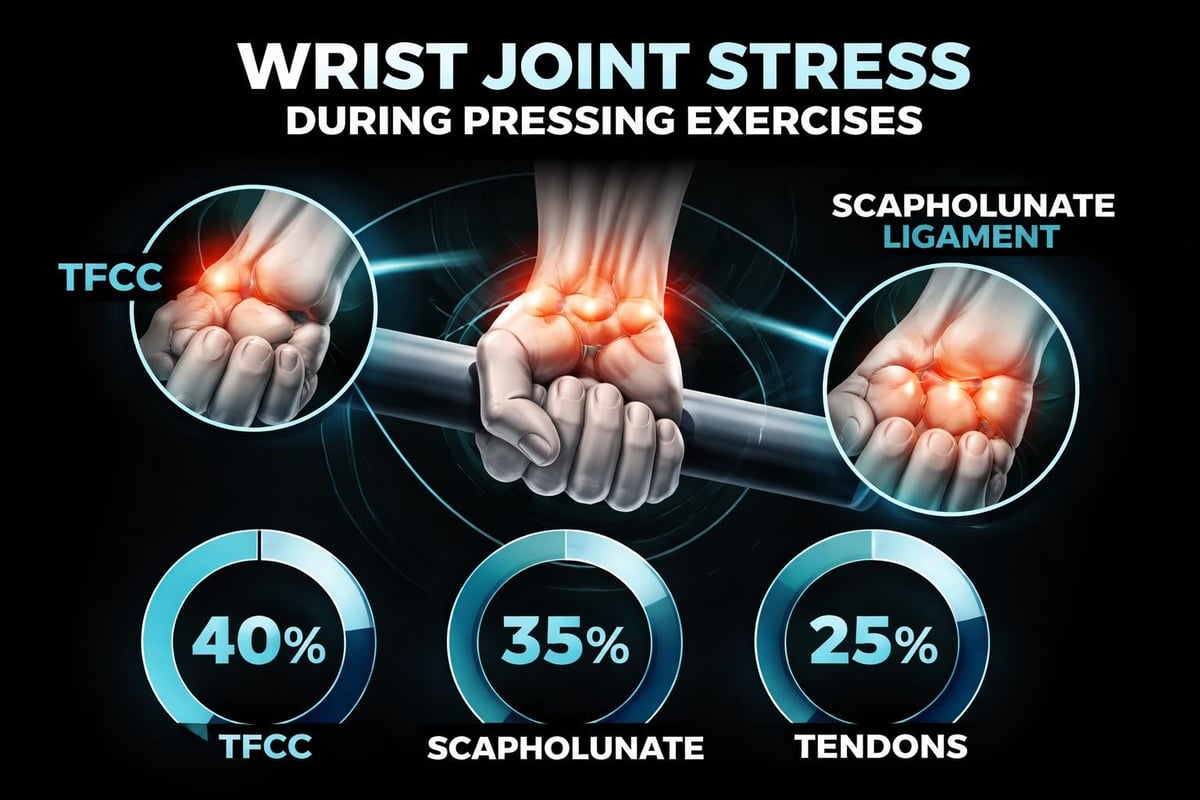
The wrist joint consists of eight small carpal bones connected by ligaments, making it inherently mobile but also vulnerable under heavy loads. During pressing movements, your wrists extend backward to support the barbell or dumbbells, creating significant strain on these connective tissues.
Without proper support, this repeated stress leads to common weightlifting injuries including sprains, strains, and inflammation of the tendons. Research on wrist braces demonstrates their effectiveness in increasing weight-bearing capacity, particularly for individuals with underlying wrist conditions.
The Biomechanics of Wrist Strain
When you perform a bench press, your wrists must maintain a neutral or slightly extended position while supporting hundreds of pounds. This creates compression forces through the carpal bones and tension forces across the ligaments.
Key stress points during lifting:
- Triangular fibrocartilage complex (TFCC) on the ulnar side
- Scapholunate ligament between carpal bones
- Flexor and extensor tendons crossing the wrist
- Median nerve running through the carpal tunnel
A weight lifting wrist brace addresses these vulnerabilities by limiting excessive extension and providing external stabilization. This allows the muscles and tendons to focus on generating force rather than constantly fighting to maintain joint position.
Types of Wrist Support for Lifters
Not all wrist support equipment serves the same purpose. Understanding the distinctions helps you choose the right tool for your training needs.
| Support Type | Primary Function | Best For | Rigidity Level |
|---|---|---|---|
| Wrist Wraps | Compression and adjustable support | Heavy compound lifts | Moderate to High |
| Wrist Braces | Medical-grade stabilization | Injury recovery | High |
| Wrist Sleeves | Warmth and light compression | General training | Low |
| Rigid Splints | Complete immobilization | Acute injuries | Maximum |
Wrist Wraps Versus Braces
The wrist wraps available from premium brands differ from medical braces in construction and purpose. Wraps use elastic or cotton-blend materials that you wrap around the wrist in multiple passes, creating customizable compression and support levels.
Medical-grade wrist braces typically feature rigid stays or splints sewn into fabric sleeves. These provide more consistent immobilization, making them ideal for injury rehabilitation or chronic conditions. However, many lifters find them too restrictive for dynamic training movements.
Hybrid designs combine elements of both, offering removable stays and adjustable strapping systems. These versatile options work well for lifters who need significant support but want the flexibility to modify restriction levels between exercises.
Benefits of Using a Weight Lifting Wrist Brace
Incorporating wrist support into your training routine delivers multiple advantages beyond simple injury prevention. Studies on sports wrist braces show significant reductions in both acute and overuse wrist injuries among athletes who consistently use them.
Physical performance benefits:
- Increased confidence when approaching max-effort lifts
- Reduced trembling or instability in overhead positions
- Better force transfer from forearms through hands to the bar
- Decreased post-workout wrist soreness and inflammation
Injury Prevention and Recovery
A quality weight lifting wrist brace serves as both preventive armor and therapeutic tool. For lifters with no existing injuries, braces reduce the cumulative stress that leads to overuse problems over months and years of training.
For those recovering from sprains, strains, or conditions like TFCC tears, braces provide the stabilization necessary to continue modified training. This allows you to maintain fitness and muscle mass while healing occurs, rather than taking complete time off from the gym.
The psychological benefits shouldn't be overlooked either. Research on wrist wrap benefits indicates that lifters report increased mental confidence when their wrists feel secure, allowing them to focus fully on technique and exertion.
Choosing the Right Wrist Brace for Your Training
Selecting appropriate wrist support requires considering your training style, experience level, and any existing wrist issues. The wrong choice can hinder performance rather than enhance it.
Material Considerations
Modern wrist braces use various material combinations, each with distinct characteristics:
-
Neoprene-based designs provide excellent warmth and compression, promoting blood flow to the area. They work particularly well in cold gym environments but can become uncomfortable during long training sessions due to heat buildup.
-
Cotton-elastic blends offer breathability and comfort for extended wear. These materials wash easily and maintain their elasticity through numerous training cycles.
-
Synthetic performance fabrics wick moisture effectively while providing firm support. Premium options incorporate antimicrobial treatments to prevent odor buildup from sweat.
The premium lifting gear from brands like KatamuCo emphasizes durable construction that withstands years of regular use, making material quality a crucial investment consideration.
Sizing and Fit Requirements
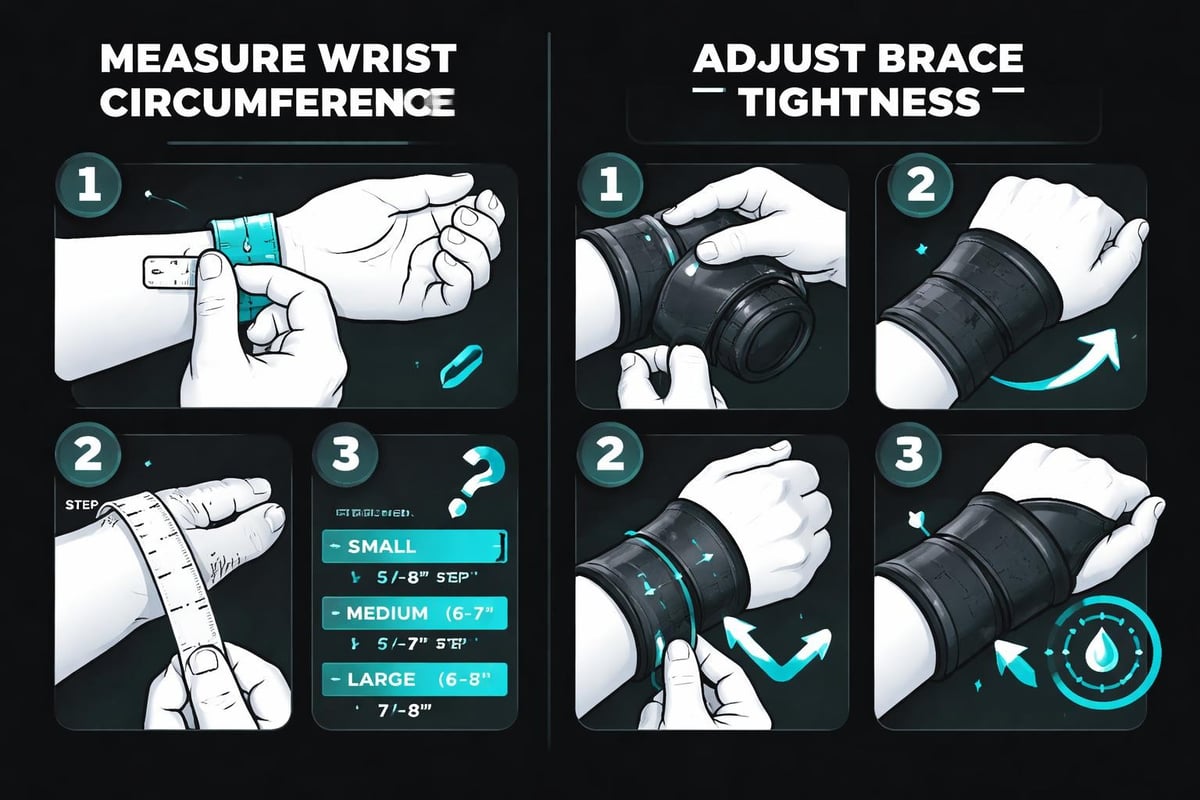
Proper fit determines whether a weight lifting wrist brace provides effective support or becomes a frustrating liability. Measure your wrist circumference at its widest point, typically just below the hand where it meets the forearm.
Sizing guidelines:
- Small: 5.5-6.5 inches circumference
- Medium: 6.5-7.5 inches circumference
- Large: 7.5-8.5 inches circumference
- Extra Large: 8.5+ inches circumference
A correctly fitted brace should feel snug without cutting off circulation. You should be able to slide one finger between the brace and your skin when tightened for training. If you experience numbness, tingling, or color changes in your fingers, the brace is too tight.
Application Techniques for Maximum Support
Simply owning a quality weight lifting wrist brace doesn't guarantee benefits. Proper application technique ensures you receive optimal support during your lifts.
Pre-Workout Preparation
Apply your wrist brace approximately five to ten minutes before beginning pressing movements. This allows your wrist to adjust to the support and ensures proper positioning before loading the joint.
Application sequence:
- Start with the brace slightly loose around your wrist
- Position the support directly over the wrist joint, not on the forearm
- Gradually tighten the straps or wrapping, checking for even pressure
- Perform a few air presses to verify the brace doesn't shift or bind
- Make final adjustments based on how the support feels during movement
Exercise-Specific Adjustments
Different lifts require different support levels. Bench press typically demands maximum tightness to handle heavy loads in a stable position. Overhead press might require slightly less restriction to allow natural wrist positioning as the bar moves from shoulder to lockout.
Many experienced lifters adjust their wrist support between exercises rather than maintaining the same tightness throughout their entire session. This approach optimizes support where needed while preventing unnecessary restriction during movements that don't stress the wrists as severely.
Guidance on proper wrist brace usage emphasizes the importance of learning to feel the difference between helpful support and counterproductive over-restriction.
Common Misconceptions About Wrist Support
Several myths about wrist support equipment persist in gym culture, potentially preventing lifters from benefiting from these valuable tools.
The Weakness Debate
Perhaps the most prevalent concern is that using a weight lifting wrist brace will cause wrist weakness or dependency. Evidence examining this question shows that appropriate brace use doesn't lead to muscle atrophy or reduced strength when combined with proper training.
Your wrist stabilizer muscles don't become weaker from external support any more than your core becomes weak from wearing a lifting belt. The key lies in strategic application rather than constant dependence.
Smart usage approach:
- Use braces primarily for heavy compound pressing movements
- Perform isolation work and lighter accessories without support
- Include specific wrist strengthening exercises in your routine
- Gradually reduce dependency as wrist strength improves
Performance Enhancement Claims
Some marketing suggests wrist braces dramatically increase your lifting numbers. While support certainly helps, viewing a brace as a performance-enhancing device sets unrealistic expectations.
The primary value of a weight lifting wrist brace lies in injury prevention and confidence building. Any strength increases come from training more consistently because your wrists feel healthier, not from the brace magically making you stronger.
Integration with Complete Lifting Gear Systems
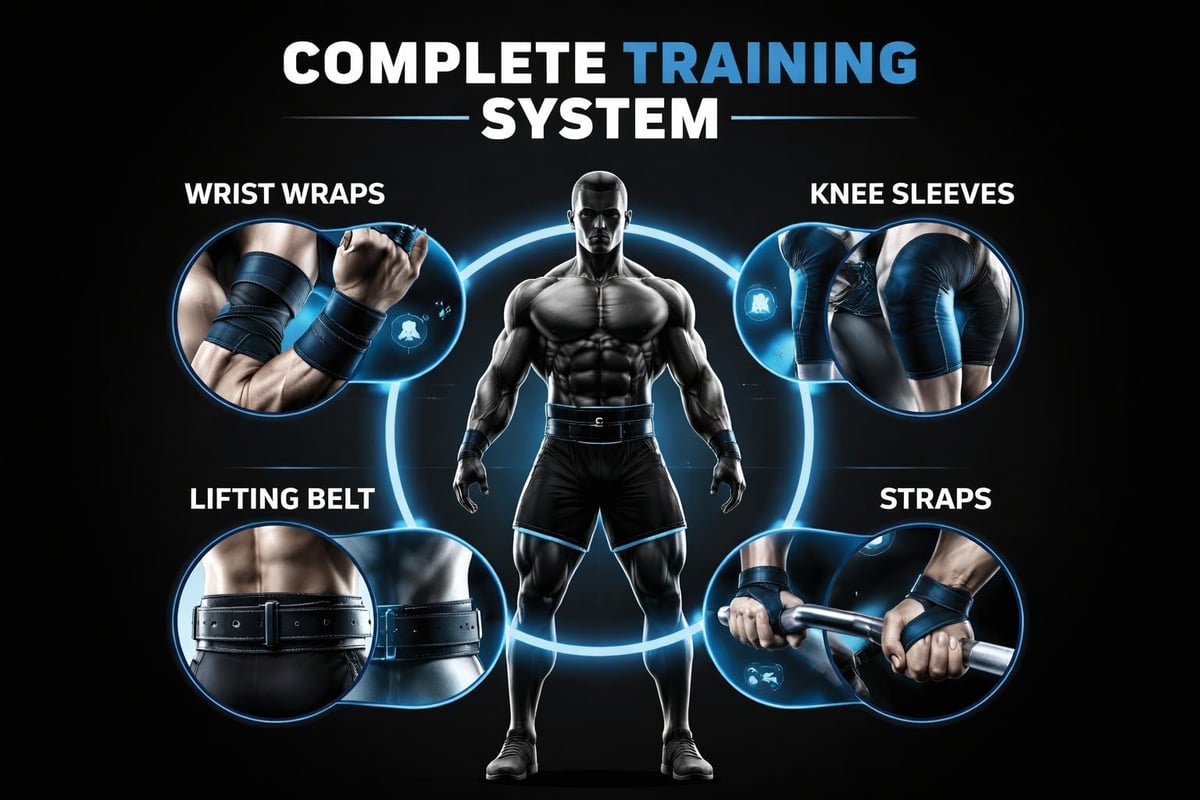
Wrist support works best as part of a comprehensive approach to lifting equipment and technique. Consider how your wrist brace interacts with other gear in your gym bag.
| Gear Combination | Compatibility Notes | Training Focus |
|---|---|---|
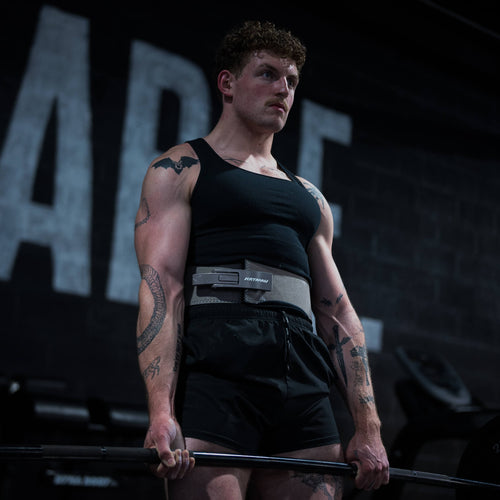
| Wrist Brace + Lifting Belt | No interference; supports different body regions | Heavy compound lifts |
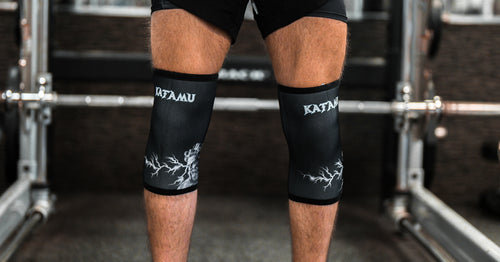
| Wrist Brace + Knee Sleeves | Complementary joint support | Full-body strength sessions |
| Wrist Brace + Lifting Straps | Can overlap; apply straps over brace | Pulling movements with wrist support |
| Wrist Brace + Gloves | Avoid; creates excessive bulk | Generally incompatible |
Building Your Support System
Knee sleeves protect your knee joints during squats and lunges the same way wrist braces protect your wrists during presses. Lifting straps assist your grip on deadlifts and rows, allowing you to focus on back engagement rather than forearm fatigue.
Creating a complete gear system ensures every vulnerable joint receives appropriate protection. This doesn't mean wearing every piece of equipment for every exercise. Strategic application based on movement demands and your individual weak points produces the best results.
Training Programming with Wrist Support
Incorporating a weight lifting wrist brace into your routine requires thoughtful programming decisions. The goal is enhancing performance and longevity, not creating equipment dependency.
Progressive Implementation
Introduce wrist support gradually rather than immediately wearing braces for every pressing movement. This allows your body to adapt while you learn proper application techniques.
Four-week introduction protocol:
Week 1: Wear braces only for your heaviest working sets (85%+ of one-rep max) Week 2: Add braces for any sets above 75% intensity Week 3: Include braces for overhead movements and heavy dumbbell work Week 4: Evaluate which movements benefit most and establish your regular usage pattern
Monitoring Progress and Adjustment
Track your wrist comfort levels and performance metrics to determine whether your brace usage pattern serves your goals. Keep notes on when wrist pain occurs, which exercises feel better with support, and whether you're maintaining or improving strength in unsupported movements.
Enhanced wrist support and stability during training allows progressive overload to continue safely, but you should still periodically test your raw pressing strength without equipment.
Maintenance and Longevity
Premium wrist braces represent an investment in your training career. Proper care extends their functional lifespan and maintains hygiene.
Care recommendations:
- Hand wash with mild detergent after every third to fourth use
- Air dry completely before storage to prevent mildew
- Store flat or loosely rolled, never tightly compressed
- Inspect stitching and fasteners monthly for signs of wear
- Replace when elastic loses significant tension or fabric shows thinning
The durability difference between budget and premium options becomes apparent after several months of regular use. Quality lifting gear designed to last years maintains consistent support characteristics through hundreds of training sessions, while cheaper alternatives often lose effectiveness within weeks.
When to Replace Your Brace
Even well-maintained equipment eventually requires replacement. Signs that your weight lifting wrist brace has reached the end of its useful life include persistent slipping during use, visible fraying or tears in the fabric, broken or bent stays in rigid models, and Velcro that no longer grips securely.
Don't compromise your wrist health by continuing to use worn-out equipment. The cost of a new brace pales in comparison to medical bills and lost training time from a preventable injury.
Special Considerations for Different Lifting Styles
Your training methodology influences how you should approach wrist support equipment selection and usage.
Powerlifting Applications
Powerlifters focus on the squat, bench press, and deadlift. Only the bench press creates significant wrist stress in competition. Guidelines on when to use wrist support suggest powerlifters benefit most from rigid braces during heavy bench training and competition.
Competition rules vary by federation regarding wrist support equipment. Familiarize yourself with your federation's regulations well before meet day to ensure your preferred brace complies with equipment standards.
Bodybuilding and Hypertrophy Training
Bodybuilders perform higher volume with moderate weights compared to powerlifters. This creates cumulative stress rather than single-rep maximum loads. A weight lifting wrist brace helps manage the inflammation and soreness that accompanies high-volume chest and shoulder work.
Consider using lighter support during pump-focused training and saving maximum restriction for your heavy strength-building phases. This approach balances joint protection with the mind-muscle connection that drives hypertrophy.
CrossFit and Functional Fitness
The varied movement patterns in CrossFit create unique wrist support challenges. You might transition from handstand push-ups to kettlebell snatches to barbell thrusters within a single workout. Athletes using wrist braces for functional fitness should prioritize low-profile designs that don't interfere with dynamic movements while still providing stabilization.
Quick-release fastening systems prove valuable when you need to remove support between exercises or adjust tightness rapidly during timed workouts.
Advanced Support Strategies
Experienced lifters often develop sophisticated approaches to wrist support that optimize performance across their entire training cycle.
Periodization Integration
Align your wrist brace usage with your training phases. During high-volume accumulation blocks, wear support more frequently to manage cumulative stress. During deload weeks, reduce or eliminate brace usage to allow natural recovery and maintain unassisted wrist strength.
Competition prep phases for powerlifters should include practice sessions with the exact brace you'll use on meet day, ensuring you're familiar with how it affects your setup and bar path.
Unilateral Versus Bilateral Support
Some lifters experience asymmetrical wrist issues, with one wrist requiring more support than the other. Using a weight lifting wrist brace on only your problem wrist during certain exercises is completely acceptable.
However, for symmetrical movements like barbell bench press, wearing braces on both wrists prevents compensatory patterns that could create new problems. During dumbbell work, you can support only the wrist that needs it without affecting movement symmetry.
Protecting your wrists with proper support allows you to train harder and more consistently while minimizing injury risk. Whether you're pushing for new personal records or building muscle through high-volume training, a quality weight lifting wrist brace serves as essential equipment in your gym bag. Ready to upgrade your lifting game with gear that lasts? Explore the complete collection of premium lifting accessories and supportive equipment at KatamuCo, where quality construction meets functional design for serious athletes who demand the best.
