 30-Day Money Back Guarantee

You feel it before the set even starts. The bar is loaded, your hands are chalked, and there’s one question in the room - will everything hold when the weight gets serious? Strength training performance is not just about how motivated you feel on a random Monday. It’s about how consistently you can produce force, stay tight, repeat quality reps, and keep progressing when training gets demanding.
That matters because most lifters do not plateau from a lack of effort. They plateau from leaks. A setup that shifts under load. A brace that breaks. Grip that fades before the target muscles do. Knee tracking that gets sloppy in later sets. Recovery habits that look fine until intensity rises. If you want better output, you have to close those leaks.
What Actually Drives Strength Training Performance
A lot of people talk about performance like it’s one thing. It isn’t. It’s a stack. Programming, technique, recovery, intent, and equipment all influence what shows up on the platform or gym floor.
Programming gives your training direction. If volume, intensity, and fatigue are poorly managed, even strong lifters stall. Too much heavy work for too long and bar speed dies. Too little exposure to demanding loads and top-end strength never develops. The right plan is rarely the one that feels hardest every day. It’s the one that lets you hit quality work often enough to adapt.
Technique is your force delivery system. Two athletes can have similar muscle mass and very different outputs because one knows how to stay stacked, brace hard, and keep efficient positions under fatigue. Small errors get expensive when the bar gets heavy. A loose upper back in the squat, soft lockout in the bench, or hips shooting up in the deadlift can cost reps fast.
Recovery is where lifters get humbled. Sleep debt, under-eating, and inconsistent hydration do not always show up in warm-ups. They show up when the last working set moves like concrete. Strength is built in training, but strength training performance on the day depends heavily on whether your body actually has the resources to express it.
Then there’s gear. Not as a shortcut, and not as a replacement for skill. Good gear supports strong movement. Bad gear distracts you, breaks down early, or creates instability where you need confidence.
The Difference Between Feeling Strong and Performing Strong
Every serious lifter knows these are not the same thing. Feeling strong is emotional. Performing strong is measurable.
You can feel fired up and still miss your numbers because your brace collapses, your wrists fold, or your grip gives out before your posterior chain is challenged. On the other hand, some of the best sessions happen on low drama days when your setup is clean, your equipment is reliable, and every rep looks the same.
That’s why performance should be judged by repeatability. Can you create the same tension every set? Can you keep positions when fatigue rises? Can you trust your gear without thinking about it? When your system is locked in, confidence stops being fake hype and starts becoming earned.
How Gear Affects Strength Training Performance
There’s a lazy take that gear only matters for advanced lifters. That sounds tough, but it ignores reality. Equipment matters the moment load, volume, and repetition start testing your weak points.
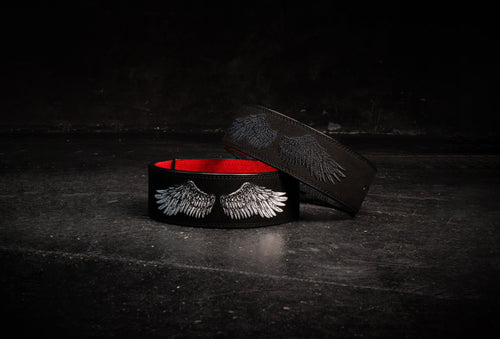
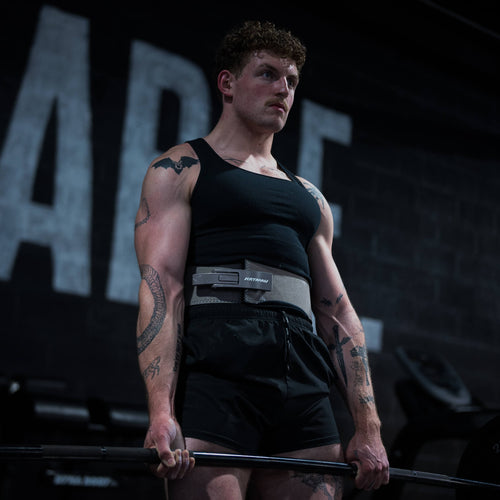
A belt can improve bracing by giving your trunk something to push against. That does not mean it magically makes you strong. It means it can help you organize pressure better and stay more rigid through heavy squats, pulls, and presses. For lifters moving real weight, that added consistency matters.
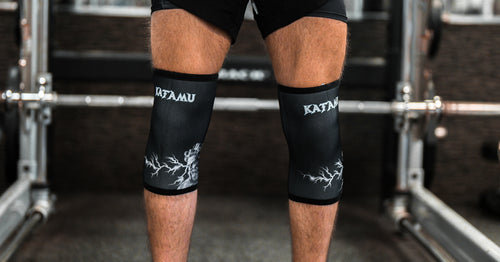
Knee sleeves are another example. They do not squat for you, but they can provide warmth, support, and a more secure feel at the bottom position. For high-volume leg sessions or repeated heavy work, that can mean better confidence from set one through set five.
Wrist wraps help when pressing volume climbs or front rack positions stress the joint. Lifting straps let you train back and posterior chain work without grip becoming the limiting factor on every pulling movement. Compression apparel can improve comfort and reduce distraction, especially during long sessions when sweat, friction, and shifting fabric become part of the battle.
The key is knowing the trade-off. Gear should support the goal of the lift, not hide a problem you refuse to fix. If straps are helping you load rows hard enough to grow your back, that makes sense. If you cannot hold onto a basic warm-up deadlift without them, your grip likely needs direct work too.
Where Most Lifters Lose Performance
The biggest losses usually come from inconsistency, not intensity. Lifters love peak moments, but strength responds to repeatable execution.
One common issue is using different standards every week. Depth changes. Touch points drift. Rest times get shorter when the gym is crowded. Warm-ups become rushed. Then people wonder why numbers feel random. If your process changes, your output changes.
Another issue is wearing gear that looks fine but performs poorly. A belt that shifts, sleeves that slide, wraps that loosen, or apparel that restricts the wrong areas can chip away at focus. That may sound minor until you remember heavy lifting is already a high-skill task. If your attention is split, force production usually drops with it.
There’s also the problem of training ego. Too many lifters chase numbers that their current structure cannot support. They load the bar for the rep they want instead of the rep they own. Real progress comes from stacking technically strong lifts until heavier loads become normal, not from surviving ugly grinders every week.
Building Better Strength Training Performance in Real Life
If you want stronger numbers, cleaner sessions, and more carryover over time, tighten the system around your lifts.
Start with your main movements. Pick the lifts that define your current goal and train them with enough frequency to build skill, not just fatigue. A better squat usually comes from more quality squat exposure, not a random pile of extra accessories.
Then audit your setup. Film top sets. Look at bar path, bracing, pace, and where positions break. Most performance issues are visible before they become chronic. If your chest drops in the squat every hard set, that’s information. If your wrists keep extending hard on bench, that’s information too.
Next, match gear to demand. Heavy compound days call for support you can trust. Volume days often need comfort and durability just as much as max-effort work does. Premium gear earns its place when it stays consistent over months of hard use instead of feeling worn out after a training block.
Recovery has to be treated like part of the program, not an optional add-on. If you are sleeping five hours, skipping meals, and wondering why your deadlift is stuck, the answer is probably not a more aggressive peaking cycle. More often, it is better basics done without excuses.
Strength Training Performance and Identity
This part gets ignored by people who do not understand lifting culture. Performance is physical, but it is also mental and environmental. What you wear, what you trust, and how you carry yourself into a session affect intent.
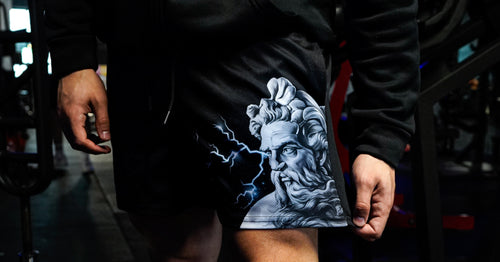
No, a hoodie or pair of sleeves does not add pounds to the bar by itself. But there is a difference between showing up in gear that feels disposable and showing up in gear that makes you feel ready to attack the session. Confidence is not fluff when the load is high. It changes how decisively you unrack, how tightly you brace, and how committed you are through the hardest point of the rep.
That is why serious athletes care about build quality and design at the same time. They want equipment that performs, but they also want a look that matches the standard they train with. Katamu sits in that space well - gear for lifters who want support, durability, and style without choosing one over the other.
When More Support Helps - And When It Doesn’t
There is always an it depends here. More support is not automatically better.
If you are learning a movement, relying on every piece of equipment too early can blur what your raw positions actually look like. You need to know how to brace, hinge, and press well before adding layers of support. At the same time, refusing useful equipment just to look hardcore is not smart either. Once loads become meaningfully challenging, support tools can help you train harder with better consistency.
Use the minimum needed to execute the goal well. Maybe that means a belt only on top sets. Maybe it means sleeves for lower-body volume and wraps for heavy pressing phases. The point is not to cosplay as an equipped lifter. The point is to create stable, repeatable output.
The Standard to Aim For
The best strength training performance does not look chaotic. It looks controlled, sharp, and repeatable. The warm-up builds toward the work instead of draining you. The gear disappears into the session because it does its job. The reps are aggressive without being reckless.
Chasing strength is easy to romanticize, but the real game is cleaner than that. Build a better brace. Use gear that holds up. Recover like your next session matters. Keep your standards high even when nobody is watching.
That’s how performance stops being a good day and starts becoming your normal.
