 30-Day Money Back Guarantee

The bar breaks from the floor, your back position holds, and then your grip starts opening before your posterior chain is even close to done. That is where a real deadlift accessories comparison begins. The best gear is not the gear that makes the lift feel artificially easy. It is the gear that removes the weak link you are actually trying to solve, while keeping your training honest.
Deadlifting asks a lot from a lot of places at once: grip, bracing, positioning, skin, joints, and confidence under a heavy bar. A belt, pair of straps, knee sleeves, or wrist wraps can all earn a place in your gym bag. They just do very different jobs. Buy for the problem in front of you, not because every lifter on your feed wears the same setup.
Deadlift Accessories Comparison: What Each Piece Does
A strong deadlift setup starts with understanding whether an accessory changes support, comfort, or the limiting factor of the lift. Those are not interchangeable benefits.
Lifting belts: built for a stronger brace
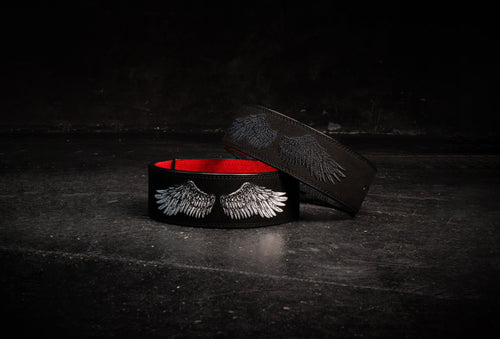
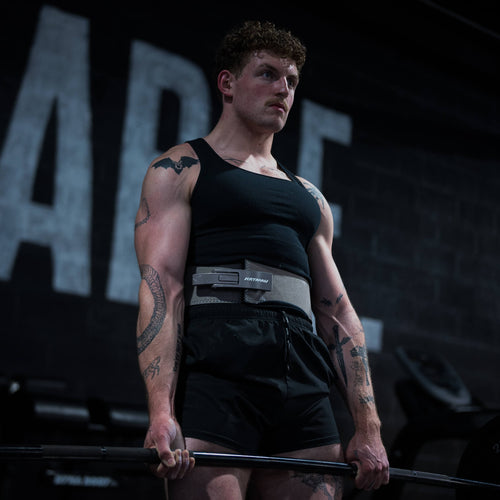
A lifting belt is the primary accessory for lifters pushing heavy conventional, sumo, or deficit deadlifts. Its purpose is not to hold your back in position for you. It gives your trunk something firm to brace against, helping you create more pressure and a more stable torso when the weight gets serious.
For many lifters, a lever belt is the best choice for hard working sets because it locks in at a consistent tightness. Once you find the setting that lets you take a full breath, brace hard, and reach the bar without fighting the belt, it becomes repeatable. That consistency matters when every detail of your setup needs to stay sharp.
The trade-off is simple: a stiff belt can feel restrictive during deep hip flexion, especially if you pull sumo or have a longer torso. It also cannot fix a weak brace. If your ribs flare, hips shoot up, or you lose tension before the bar leaves the ground, reduce the load and own the position. The belt should reinforce skill, not replace it.
Choose a belt when trunk stability is the limiter. Save it for top sets, heavy doubles and singles, or volume that is demanding enough to challenge your brace. You do not need it for every warm-up set.
Lifting straps: when grip is stealing your back work
Straps are the most misunderstood deadlift accessory because they are often treated as either cheating or mandatory. Neither is true. Straps are a tool for separating grip training from posterior-chain training.
If your hands fail before your hamstrings, glutes, and back have received enough stimulus, straps let you keep loading the movement. They are especially useful for Romanian deadlifts, stiff-leg deadlifts, high-rep pulling, barbell rows, and back-off sets after heavy competition-style work. In those cases, the target is usually not your ability to hold a bar with tired fingers.
For conventional deadlifts, straps can be valuable when you are building muscle, accumulating volume, or working around irritated hands. For powerlifting-specific training, however, you still need plenty of strapless work. Meet standards do not care how strong your back is if you cannot keep both hands on the bar.
There are differences within the category. Standard cotton lifting straps are versatile, durable, and give you a secure wrap around the bar. They take a few seconds to set up, but that is a fair exchange for control. Figure-eight straps lock you in faster and can feel extremely secure, though they are less convenient for quick bailouts and may not be right for every training environment. If you want one dependable option for general strength work, classic straps are the hard-to-beat choice.
Knee sleeves: warmth, compression, and confidence
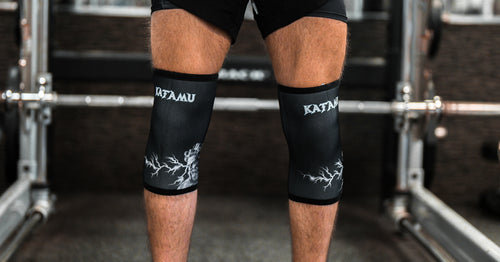
Knee sleeves do not directly increase your deadlift the way a better brace or a stronger grip can. Their value is comfort and consistency. A quality pair keeps the knee joint warm, adds compression, and can make your setup feel more locked in before a heavy pull.
They make the most sense for lifters who squat and deadlift in the same session, train in colder gyms, or simply feel better with some compression around the knee. They can also protect your legs from bar contact during certain pulling variations, depending on your technique and the sleeve material.
Do not buy sleeves expecting them to cure knee pain or solve poor mechanics. If the bottom position of your deadlift hurts, examine your stance, bar path, mobility demands, fatigue, and programming first. Sleeves are support, not diagnosis.
Wrist wraps: useful, but not a deadlift priority
Wrist wraps are elite accessories for pressing, front-rack work, and movements where the wrist is held extended under load. For deadlifts, their role is more limited. A neutral wrist should not need much external support when you pull.
That does not mean wraps are useless in a deadlift session. If you move from bench work or overhead pressing into pulls, they may already be part of your setup. Some lifters also prefer light wraps for the feeling of stability around the wrist. But if your budget is limited and deadlifting is the mission, put a belt or straps ahead of wraps.
If wrists hurt while pulling, do not just crank down a wrap. Check whether you are over-gripping, letting the bar sit too deep in the palm, twisting into a mixed grip, or using straps that place your hand in an awkward position. Better mechanics beat tighter gear.
Match Your Gear to Your Training Goal
The right deadlift accessory setup changes with the phase of training. A lifter chasing a one-rep max needs a different priority than someone building muscle through controlled sets of eight.
For strength-focused conventional or sumo pulling, begin with a belt and develop your grip through warm-ups and selected working sets. Add straps to volume work if grip is cutting sets short. Keep your heavy, competition-relevant pulls strapless often enough that your hands stay prepared.
For hypertrophy, straps move higher on the list. Your lats, spinal erectors, glutes, and hamstrings cannot grow from sets you end early because your fingers gave out. Use straps with intention, control the eccentric, and keep the bar close. A belt may still help on demanding RDLs or heavy deadlift variations, but it is not required for every set.
For newer lifters, less is usually more. Learn to wedge into the bar, create tension before you pull, and maintain a neutral, stable wrist. A belt can be introduced once you understand how to brace. Straps can come in when the training goal calls for more posterior-chain volume than your grip can support. Gear should add precision to good habits, not cover up rushed ones.
Build a Deadlift Kit That Fits the Work
A serious deadlift kit does not need to be overloaded. Start with the accessory that addresses your biggest limiter. If your torso folds under hard sets, get a dependable belt. If your grip turns RDLs into forearm tests, get durable straps. If you train hard in a cold garage gym or want knee compression through squat-and-pull sessions, add sleeves.
Quality matters because deadlift gear gets punished. A belt needs secure hardware and material that holds its shape. Straps need stitching and fabric that can take repeated tension without becoming slick or frayed. Sleeves should maintain compression rather than becoming loose after a handful of washes. Premium gear is not about showing off between sets. It is about trusting your setup when the bar is loaded.
Katamu gear is built for lifters who want that standard without dressing like everyone else in the room. Performance comes first. The identity you bring to the platform is part of the work too.
The Accessory Rule That Keeps Training Honest
Use accessories to extend quality work, not to avoid building the qualities your lift demands. Train your brace even when you wear a belt. Train your grip even when straps are in your bag. Learn the difference between useful support and a crutch.
The right piece of gear should make you more confident stepping to the bar, not more dependent on a ritual. Build the lift first, then choose the equipment that lets you attack the next hard set with more control, more intent, and no wasted strength.
