 30-Day Money Back Guarantee

Struggling with grip on heavy lifts? You’re not alone. In the world of strength training, grip strength can be the difference between breaking a personal record or missing a lift. Lifting accessories, especially straps, are now essential tools for both serious athletes and beginners.
This guide is your go-to resource for the 8 lifting straps experts recommend for 2026. You’ll learn about the different types, the science-backed benefits, and how to choose and use straps for every training style.
Ready to level up your performance? Read on for expert picks, pro tips, and step-by-step guidance that will help you get the most out of your 8 lifting straps.
Why Use Lifting Straps? Benefits & Science
Struggling to keep your grip during heavy lifts? You are not alone. Lifting straps have become an essential tool for both new and advanced athletes. In this section, we break down the science-backed benefits, expert insights, and real-world impact of using 8 lifting straps in your training.
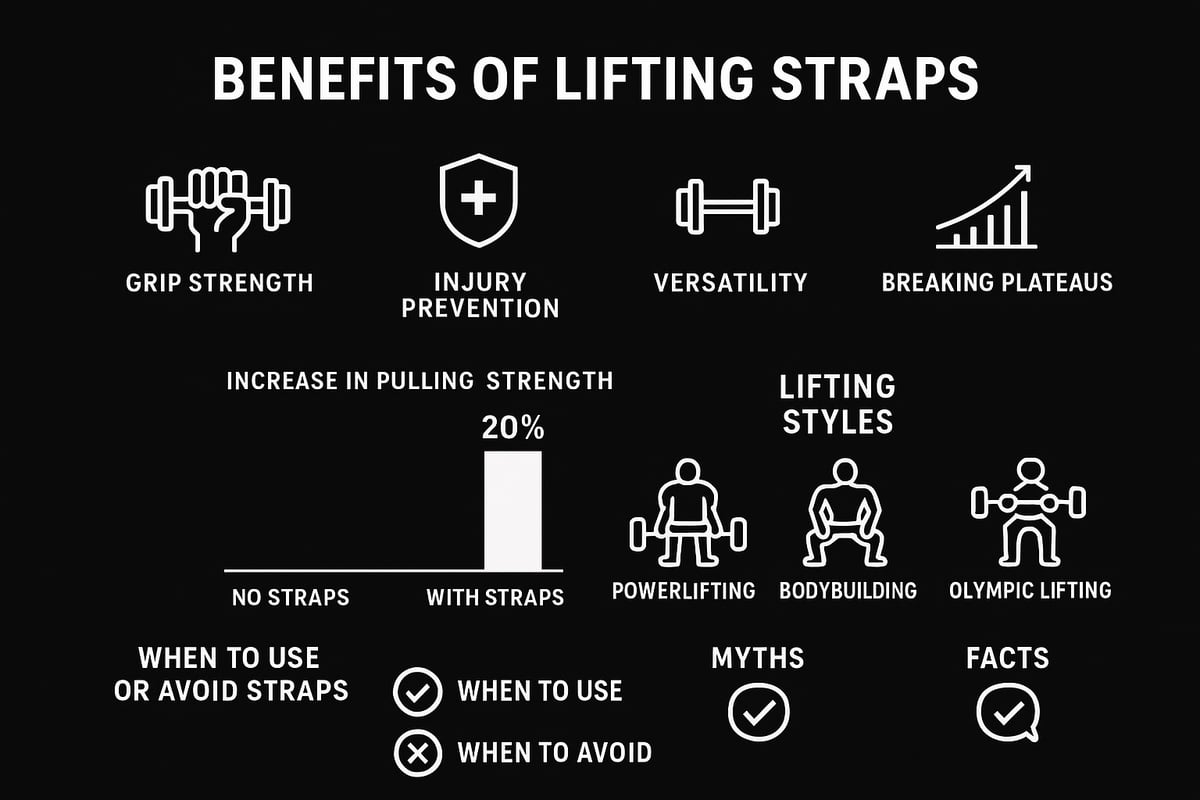
Enhanced Grip Strength & Performance
One of the biggest advantages of 8 lifting straps is their ability to enhance grip on heavy lifts. By minimizing grip fatigue, you can focus on targeting the intended muscle groups without your hands giving out first.
Research shows that using high-quality straps can improve pulling strength by up to 20 percent. For instance, many strongman competitors regularly set new deadlift personal records thanks to lifting straps. If you want a deeper dive into these benefits, check out the Benefits of lifting straps.
Injury Prevention & Training Longevity
Using 8 lifting straps can help reduce unnecessary strain on your wrists and forearms. This is crucial for preventing overuse injuries, especially during high-volume training cycles.
By distributing the load more evenly, straps allow you to train harder and longer without risking chronic pain or repetitive stress injuries. Many competitive athletes report fewer strains and longer training careers when incorporating straps strategically.
Versatility Across Lifting Styles
Another reason 8 lifting straps are so popular is their adaptability. Whether you are a powerlifter chasing a new deadlift max, a bodybuilder focusing on rows, or a CrossFit athlete tackling high-rep sets, straps fit seamlessly into various training styles.
They are also indispensable for Olympic weightlifters who need a quick-release grip on snatches and cleans. This versatility makes them a staple in many gym bags.
Overcoming Plateaus
If grip fatigue is holding you back, 8 lifting straps can be the key to smashing through progress plateaus. Many lifters find that once they add straps, they can boost their deadlift by 50 pounds or more.
Case studies show that removing grip as a limiting factor lets you overload target muscles and reach new strength milestones. This can mean the difference between stagnation and steady progress.
When (and When Not) to Use Straps
8 lifting straps shine during heavy sets, high-rep workouts, and injury rehab sessions. They are also helpful when your grip is already taxed from previous exercises.
However, it is important not to rely on straps for every set. Skip them during grip-specific training days to ensure your natural grip strength develops alongside your overall lifts.
Expert Opinions
Coaches and elite lifters agree that 8 lifting straps are most effective when used strategically, not as a crutch. Many top athletes recommend integrating straps only for your heaviest or most demanding sets.
Their advice? Use straps as a tool to support progress, not as a replacement for strong hands. This approach helps balance performance and long-term development.
Common Myths Debunked
A common myth is that using 8 lifting straps will make your grip weak. In reality, when used alongside regular grip training, straps help you lift heavier without sacrificing hand strength.
The key is moderation. By understanding when and how to use straps, you can enjoy all their benefits while still building a powerful, resilient grip.
Types of Lifting Straps Explained
Choosing the right lifting straps can make a huge difference in your training results. With so many styles and materials, it is easy to get overwhelmed. This section breaks down the main types to help you find the best fit for your goals, hand size, and lifting style. If you want to browse real examples, check out this Lifting straps collection for a closer look at the options discussed here.
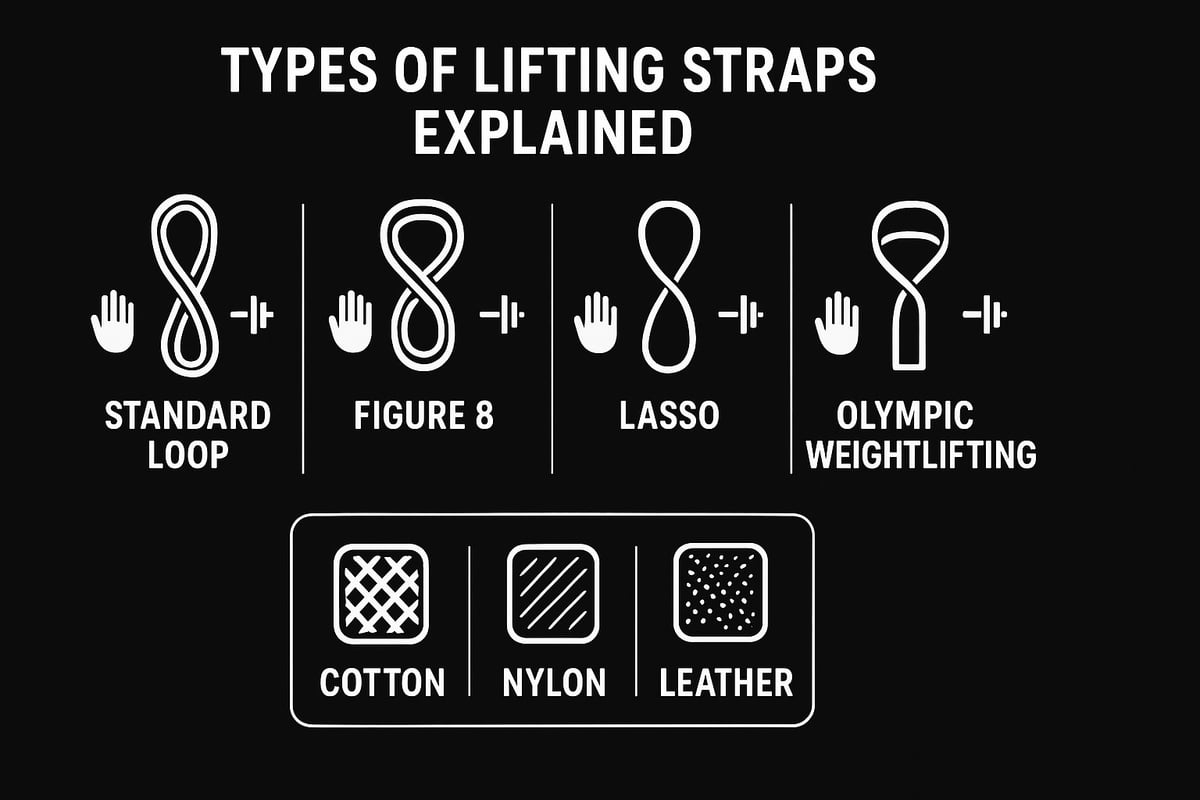
Standard Loop Straps
Standard loop straps are the classic choice for gym-goers and beginners. They feature a simple design: a single piece of fabric with one end threaded through a loop to form a secure hold on the bar. These straps are ideal for various movements, from deadlifts to rows, making them a staple in most sets of 8 lifting straps. The main benefits are affordability and ease of use, but they may wear faster with heavy loads.
Figure 8 Straps
Figure 8 straps are designed for maximal security, especially during heavy pulls and strongman lifts. Their double-loop shape wraps around both your wrist and the bar, locking you in for high-weight sets. Many elite lifters rely on figure 8 straps when testing their limits, and some have used this style in strongman competitions to pull over 1,000 lbs. If your 8 lifting straps set needs unbeatable grip, this style is a top contender.
Lasso (Closed Loop) Straps
Lasso, or closed loop, straps combine adjustability with versatility. They feature a looped end that you can tighten to fit various bar diameters, making them suitable for intermediate and advanced athletes. Lasso straps are common in 8 lifting straps collections for those who want more control and a snug fit, especially on specialty bars or for mixed grip training. Their versatility sets them apart from more rigid designs.
Olympic Weightlifting Straps
Olympic weightlifting straps are shorter and designed for quick-release, making them perfect for snatches and cleans. Their streamlined build allows you to bail out safely if needed, which is crucial during technical lifts. While not always included in every 8 lifting straps kit, they are essential for Olympic lifters who prioritize safety and speed. These straps are less suited for max deadlifts but shine in dynamic, fast-paced sessions.
Material Differences: Cotton, Nylon, Leather
Lifting straps come in cotton, nylon, or leather, each offering unique benefits. Cotton is soft and comfortable, ideal for long sessions. Nylon stands out for strength and durability, holding up to heavy use. Leather offers unmatched longevity and a traditional feel, though it can be stiffer at first. When building your 8 lifting straps arsenal, consider which material aligns with your comfort, durability, and performance needs.
Sizing and Fit Considerations
Proper sizing is key for both comfort and safety. Check manufacturer charts for recommended lengths and widths based on your hand size and bar type. For example, smaller hands may need shorter straps for Olympic bars, while larger hands or axle bars require longer options. A well-fitted strap ensures you get the most out of every lift, so always take a moment to measure before you buy.
8 Best Lifting Straps for 2026: Expert Picks
Choosing the right pair from the 8 lifting straps featured here can make a world of difference in your training. Each model on this list is handpicked based on durability, user feedback, expert recommendations, and specialized features for different lifting needs. Whether you’re a strongman, powerlifter, or just looking to break your deadlift plateau, you’ll find a strap that fits your goals.
1. Infinity™ Figure 8 Lifting Straps – Heavy Duty
The Infinity™ Figure 8 Lifting Straps are a standout in the 8 lifting straps lineup for 2026. Built with ultra-durable material and a secure figure 8 shape, these straps are trusted by elite strongmen and powerlifters worldwide.
- Features: Heavy-duty woven construction, double-stitched seams, available in S/M/L/XL sizes.
- Performance: Load tested over 1,000 lbs, proven in competition settings.
- Pros: Maximal security for heavy deadlifts and axle bar lifts.
- Cons: Less versatile for Olympic movements or quick-release needs.
Users praise the Infinity™ for its unyielding grip and comfort, with a 4.9/5 average rating from 49+ reviews. Photo and video testimonials show lifters crushing new PRs. If you want to push your limits, this strap is a top contender among the 8 lifting straps.
2. Gymreapers Figure 8 Lifting Straps
Gymreapers Figure 8 Lifting Straps are a favorite among strength athletes who demand reliability from their 8 lifting straps. These straps feature reinforced stitching for extra durability and a comfortable fit that stands up to repeated heavy pulls.
- Features: Reinforced seams, thick cotton blend, ergonomic design.
- Best for: Strongman events, powerlifting, and pulling heavy loads.
- User feedback: Widely praised for lasting through months of intense training without fraying.
Lifters love the confidence these straps provide on max effort lifts. For athletes seeking a secure grip on the bar, Gymreapers delivers.
3. Rogue Fitness Ohio Lifting Straps
The Rogue Fitness Ohio Lifting Straps are classic loop-style straps included in our 8 lifting straps guide for their comfort and versatility. Made from soft cotton webbing, these straps are perfect for general gym use and bodybuilding routines.
- Features: 100% cotton, 20-inch length, classic loop design.
- Application: Great for deadlifts, rows, and accessory work.
- Pros: Affordable, comfortable, easy to use.
- Cons: Cotton may wear faster with heavy volume.
With thousands of satisfied users, Rogue’s straps are a budget-friendly choice for everyday lifters.
4. Harbinger Padded Cotton Lifting Straps
Harbinger Padded Cotton Lifting Straps offer a blend of comfort and support, making them one of the most accessible options among the 8 lifting straps. Neoprene padding cushions the wrists, which is ideal for high-rep or high-volume training.
- Features: Neoprene wrist padding, durable cotton, standard loop.
- Best for: Beginners and lifters in commercial gym settings.
- Example: Frequently seen on gym floors due to affordability and comfort.
These straps are a go-to for those just starting out or anyone seeking extra wrist comfort during longer sessions.
5. IronMind Sew-Easy Lifting Straps
IronMind Sew-Easy Lifting Straps stand out in the 8 lifting straps collection for Olympic weightlifting. Their short, quick-release design supports fast transitions in snatch and clean movements.
- Features: Short length, quick-release build, robust material.
- Pros: Trusted by competitive Olympic lifters for safety and speed.
- Cons: Not recommended for maximal deadlifts or strongman events.
Used by champions worldwide, IronMind’s reputation for quality makes these a reliable pick for dynamic lifts.
6. Bear KompleX Lasso Straps
Bear KompleX Lasso Straps bring adjustability and toughness to the 8 lifting straps list. The lasso-style design fits a variety of bar diameters, while heavy-duty nylon ensures these straps withstand serious use.
- Features: Adjustable lasso, thick nylon webbing, reinforced stitching.
- Versatility: Compatible with Olympic bars, axle bars, and more.
- User insights: High marks for adjustability and secure fit.
Ideal for intermediate or advanced lifters who want one pair of straps for multiple applications.
7. Element 26 Figure 8 Straps
Element 26 Figure 8 Straps cater to lifters who value both comfort and grip security within the 8 lifting straps category. Their hybrid design combines the best of figure 8 and padded straps, with reinforced stitching for confidence under heavy loads.
- Features: Hybrid figure 8 build, padded contact points, premium materials.
- Best for: Lifters seeking extra wrist comfort without sacrificing grip.
- Customer data: Positive reviews highlight improved PRs and reduced wrist fatigue.
These straps are a solid choice for anyone looking to balance support and versatility.
8. Warm Body Cold Mind Leather Lifting Straps
Warm Body Cold Mind Leather Lifting Straps round out the 8 lifting straps guide as the premium pick for experienced lifters. Crafted from genuine leather, they offer unmatched longevity and a classic feel.
- Features: High-grade leather, traditional loop style, robust stitching.
- Application: Heavy pulls, powerlifting meets, and advanced training.
- Example: Frequently used in powerlifting competitions and by seasoned athletes.
Leather straps break in over time, molding to your wrist for a personalized fit that can last years.
Comparison Table: Key Specs & Ratings
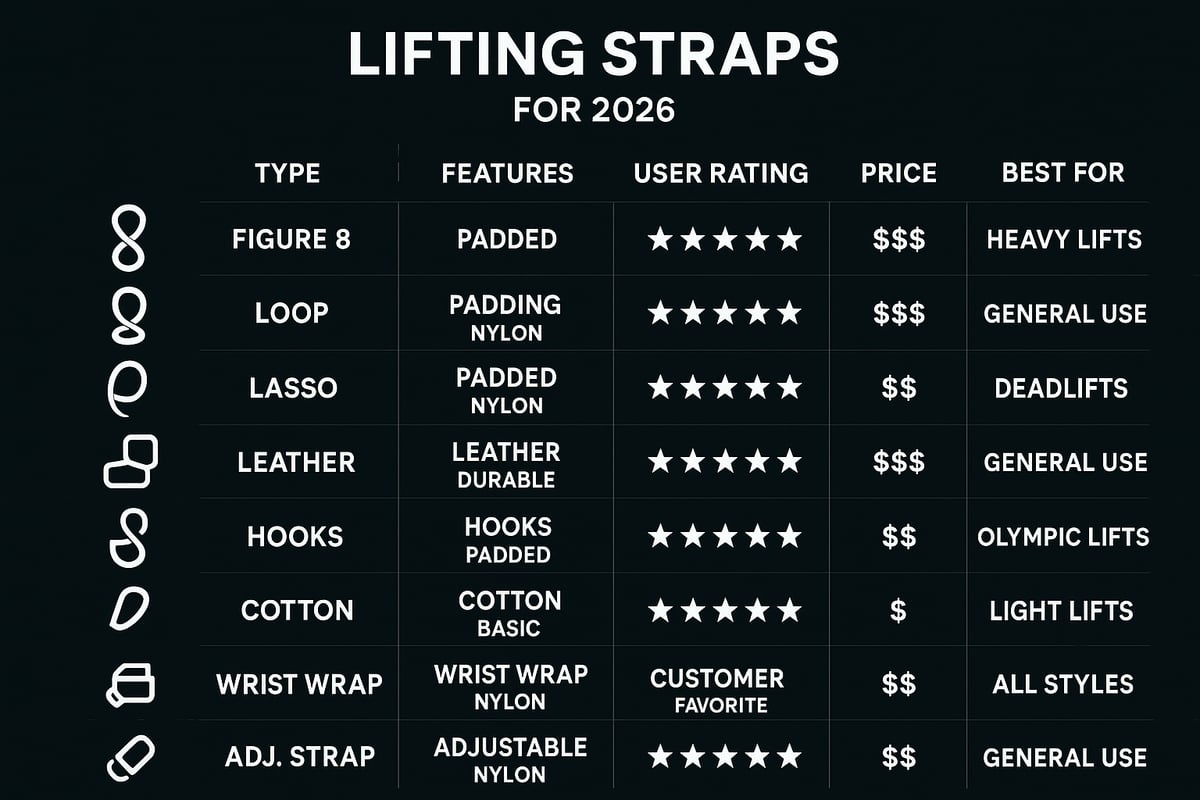
Below is a quick reference table to help you compare the 8 lifting straps at a glance. Use this to match the right strap to your goals, budget, and lifting style.
| Strap Name | Style | Material | Best Use | User Rating | Price Range |
|---|---|---|---|---|---|
| Infinity™ Figure 8 | Figure 8 | Heavy-duty | Strongman, deadlift | 4.9/5 | $$$ |
| Gymreapers Figure 8 | Figure 8 | Cotton blend | Powerlifting, strongman | 4.8/5 | $$ |
| Rogue Fitness Ohio | Loop | Cotton | Gym, bodybuilding | 4.6/5 | $ |
| Harbinger Padded Cotton | Loop | Cotton/neoprene | Beginners, high-rep | 4.7/5 | $ |
| IronMind Sew-Easy | Short loop | Nylon | Olympic lifting | 4.8/5 | $$ |
| Bear KompleX Lasso | Lasso | Nylon | Versatile, multiple bars | 4.7/5 | $$ |
| Element 26 Figure 8 | Hybrid 8 | Padded blend | Comfort, heavy lifts | 4.8/5 | $$ |
| Warm Body Cold Mind Leather | Loop | Leather | Powerlifting, longevity | 4.9/5 | $$$ |
If you want additional tips on choosing the right strap for your needs, check out this Guide to wrist straps, which covers sizing, usage, and care for all 8 lifting straps mentioned here.
How to Choose the Right Lifting Straps for You
Choosing the perfect pair from the 8 lifting straps on today’s market can make or break your lifting experience. The right choice depends on your unique training style, goals, and personal preferences. Let’s break down the key factors so you can confidently match your needs to the ideal strap.
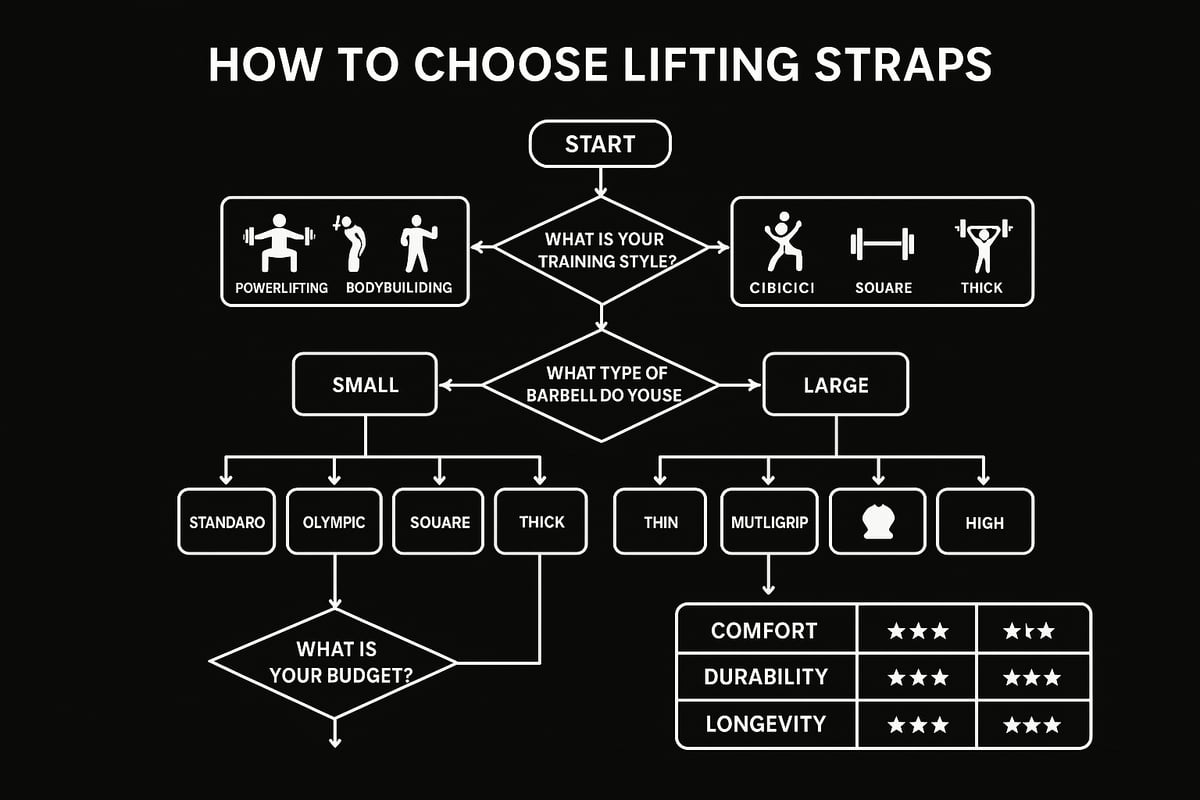
Assessing Your Lifting Goals
Start by thinking about your main training focus. Are you a powerlifter chasing new PRs, a bodybuilder aiming for high volume, or an Olympic lifter needing quick releases? Each of the 8 lifting straps is designed for specific needs. For example, figure 8 straps excel in strongman and heavy pulls, while standard loops offer all-around utility.
If your workouts involve frequent heavy deadlifts or grip-intensive moves, prioritize straps built for security and load. For dynamic lifts like snatches, opt for shorter, quick-release options. Matching your goals to the right style is the first step to maximizing your results.
Hand Size and Bar Diameter
Fit matters more than you might think when it comes to the 8 lifting straps. Your hand size and the bar’s diameter both influence comfort and effectiveness. Many brands offer various lengths and widths. For example, Infinity™ Figure 8 Lifting Straps come in S, M, L, and XL to suit different bar sizes and hand shapes.
| Hand Size | Bar Type | Recommended Strap Size |
|---|---|---|
| Small | Olympic bar | Small/Medium |
| Large | Axle bar | Large/XL |
Selecting the correct fit ensures you get secure support without extra bulk or slipping during your heaviest sets.
Material Preferences
The 8 lifting straps come in cotton, nylon, or leather. Cotton is breathable and soft, making it comfortable for long sessions. Nylon brings extra strength and durability, ideal for those pulling massive weights. Leather, while less common, stands out for its longevity and premium feel.
If you have sensitive skin or allergies, check for hypoallergenic materials or added padding. Consider the climate as well: cotton dries faster, while leather needs more care to avoid cracking.
| Material | Comfort | Durability | Longevity |
|---|---|---|---|
| Cotton | High | Medium | 1 year |
| Nylon | Medium | High | 1-2 years |
| Leather | Medium | High | 2+ years |
Budget and Longevity
Price points for the 8 lifting straps vary. Basic cotton loops are budget-friendly, while heavy-duty leather or figure 8 designs cost more but last longer. Consider how often you train. If you lift heavy multiple times per week, investing in premium straps pays off in the long run.
Compare expected lifespan with cost. Sometimes, spending a bit more upfront saves money by reducing the need for frequent replacements.
User Reviews and Brand Reputation
When choosing among the 8 lifting straps, verified user reviews are gold. Look for consistent praise about durability, comfort, and grip enhancement. Trusted brands like Infinity™ and Rogue Fitness often have higher customer satisfaction and offer warranties.
Reading reviews can also reveal how straps perform over months of real-world use. Favor brands with transparent return policies and responsive customer service for peace of mind.
Special Features
Some of the 8 lifting straps offer extra features like neoprene padding, reinforced stitching, or quick-release mechanisms. If you have wrist sensitivity, padding can make a big difference. Adjustable lasso styles allow for a custom fit on various bars.
Consider your specific needs. Do you want fast setup between sets? Is maximum grip security your top priority? Prioritize features that align with your training style and comfort requirements.
Where to Buy
Always buy your 8 lifting straps from official brand websites, specialty fitness retailers, or authorized dealers to avoid counterfeits. Beware of deals that seem too good to be true, as low-quality straps can fail unexpectedly.
For a broader look at top gym gear and trusted retailers, check out the Best gym accessories guide, which includes more information on reputable brands and related equipment.
Take your time comparing options. A thoughtful purchase ensures your straps help you break plateaus and train with confidence.
Step-by-Step Guide: How to Use Lifting Straps Properly
Mastering the use of 8 lifting straps can transform your performance and safety in the gym. Proper technique ensures you get the most out of every set, whether you’re new or experienced. Let’s break down the essential steps for using lifting straps with confidence.
1. Threading and Wrapping Techniques
To get started with 8 lifting straps, identify your strap type: standard loop, figure 8, or lasso. For standard loops, thread the strap through its loop, then wrap it around the bar. Figure 8 straps require looping each end around your wrist and the bar. Lasso straps allow you to adjust fit for various bar sizes.
- Always keep the strap flat to avoid bunching.
- Practice the motion with an unloaded bar first.
- Ensure the strap is snug but not overly tight.
Mastering these basics helps you use 8 lifting straps efficiently every session.
2. Securing the Strap for Maximum Grip
Securing 8 lifting straps correctly is key for grip and control. Once wrapped, pull the strap tight so it sits firmly around your wrist and the bar without cutting off circulation. Your hand should feel connected to the bar, but not restricted.
- Even wrapping prevents slippage during heavy pulls.
- Double-check alignment before each rep.
- Grip the bar as usual for extra security.
Research on the ergogenic effects of lifting straps during deadlifts shows that proper strap use can boost grip and pulling performance, making technique even more important.
3. Safety Checks Before Lifting
Before you lift with 8 lifting straps, safety comes first. Inspect your straps for any signs of wear like fraying, stretching, or weakened stitching. This quick check can prevent accidents.
- Check both sides of the strap for damage.
- Confirm the strap is securely wrapped and not twisted.
- Make sure your hands and wrists feel comfortable.
A habit of consistent checks keeps your workouts safe and your 8 lifting straps dependable.
4. Lifting With Straps
When lifting with 8 lifting straps, position your hands so your wrists stay neutral and aligned. The bar should rest in your palm, not just your fingers. Maintain a strong grip and focus on pulling with your back or target muscle group.
- Keep elbows slightly bent for control.
- Avoid excessive wrist flexion to reduce injury risk.
- Engage your core for stability.
With the right form, 8 lifting straps help you lift heavier while protecting your hands and wrists.
5. Releasing Safely After the Set
Finishing your set safely is just as important as starting. To release, carefully loosen the strap while keeping control of the bar. For figure 8 straps, slide your hand out gently. With loops or lasso straps, unwind them slowly.
- Never yank your hand free.
- Lower the bar before removing straps.
- Practice release techniques during warm-ups.
This approach keeps your hands safe and prevents strap tangling.
6. Common Mistakes to Avoid
Avoid over-tightening 8 lifting straps; this can restrict blood flow or damage the strap. Improper wrapping, like twisting the strap or leaving slack, can cause slips. Neglecting regular maintenance leads to unexpected failures.
- Don’t use damaged straps.
- Avoid using straps for all sets; train grip separately.
- Keep straps clean and dry.
Correcting these habits ensures longevity and safety.
7. Video Tutorials and Visual Aids
Visual learning makes mastering 8 lifting straps easier. Many manufacturers and coaches provide detailed how-to videos. Look for step-by-step guides from trusted brands on YouTube or their official sites.
- Watch different strap types in action.
- Compare wrapping techniques for each lift.
- Pause and practice along with the video.
These visual aids help you perfect your form and avoid common pitfalls.
Care, Maintenance & When to Replace Lifting Straps
Keeping your 8 lifting straps in top shape not only protects your investment but also ensures every lift is safe and effective. Proper care, routine checks, and timely replacement are essential steps for anyone serious about strength training.
Cleaning and Odor Prevention
Sweat and chalk can quickly build up on your 8 lifting straps, leading to odor and bacteria growth. For cotton and nylon straps, hand wash them in mild detergent and cold water. Rinse thoroughly and let them air dry flat.
Leather straps require a different touch. Wipe them with a damp cloth and use a leather conditioner to keep the material supple.
- Never machine wash or dry leather straps.
- Avoid harsh chemicals to preserve material integrity.
Regular cleaning keeps your 8 lifting straps fresh and extends their lifespan.
Storage Tips
After cleaning, always let your 8 lifting straps dry completely before storing. Damp straps can harbor mildew or weaken over time. Store them in a cool, dry place, away from direct sunlight.
A mesh gym bag works well for daily use, while a drawer or closet keeps them safe at home. Avoid packing straps with wet gear to prevent moisture buildup.
Proper storage practices will help maintain the quality of your 8 lifting straps for years.
Inspecting for Wear and Tear
Before each session, take a moment to inspect your 8 lifting straps. Look for frayed edges, stretched material, or weakened stitching. Any visible damage can compromise safety during heavy lifts.
Use this quick checklist:
- Are there loose threads or tears?
- Is the material thinning or losing firmness?
- Are the loops or seams intact?
Promptly addressing wear can prevent strap failures that might lead to injury.
Lifespan Expectations
The average lifespan of 8 lifting straps depends on material, frequency of use, and maintenance. Here’s a quick reference:
| Material | Typical Lifespan | Usage Notes |
|---|---|---|
| Cotton | 6–12 months | Comfortable, wears faster |
| Nylon | 12–18 months | Durable, resists stretch |
| Leather | 1–2 years | Longest-lasting, premium |
Heavy users may need to replace their 8 lifting straps more often, especially when used for intense sessions several times a week.
When to Replace Your Straps
If you notice any serious fraying, loss of elasticity, or compromised stitching, it’s time to replace your 8 lifting straps. Strap failures have occurred during competition when athletes ignored warning signs.
Don’t risk your safety for a few extra sessions. It’s better to swap out old straps than face a preventable injury. Regular replacement ensures your grip support stays reliable, especially as your training volume increases.
Environmental Considerations
When your 8 lifting straps reach the end of their life, consider sustainable disposal options. Cotton straps can sometimes be composted if free from synthetic dyes. Nylon and leather straps may be recyclable at specialty centers.
- Check local recycling programs for acceptance.
- Repurpose old straps as tie-downs or for home projects.
By caring for your 8 lifting straps and disposing of them responsibly, you help protect both your health and the environment.
Pro Tips: Maximizing Your Lifting Strap Performance
Unlocking the full potential of your 8 lifting straps takes more than just wrapping them around the bar. With the right strategies, you can elevate your performance and keep your training balanced for long-term gains.
Integrating Straps Into Your Program
To get the most from your 8 lifting straps, use them strategically. Reserve straps for your heaviest sets or high-rep work, and dedicate other sessions to raw grip training. This balance helps you build true grip strength without missing out on the benefits of straps. Incorporate grip-specific accessory work, like farmer’s walks or static holds, to maintain a well-rounded program.
Accessory Gear to Pair With Straps
Maximize your lifting efficiency by pairing 8 lifting straps with supportive gear. Consider these combinations:
- Wrist wraps for extra joint stability
- Chalk for enhanced friction on sweaty days
- Supportive belts for maximal lifts
- Knee sleeves for full-body support
Research on lifting straps and lat pull-down performance suggests that using straps can help you push past sticking points, especially when paired with the right accessories.
Advanced Techniques for Heavy Lifts
Elite lifters often use advanced methods to make the most of their 8 lifting straps. Try double wrapping for extra security on maximal pulls, or experiment with a mixed grip when using figure 8 styles. Strongman athletes often adapt their strap technique for thick bars or axle lifts. Always ensure your wrist alignment is spot on to reduce injury risk.
Customizing Strap Fit
A personalized fit can make all the difference. Adjust the loop size or padding for comfort, or add a thin layer of tape if your hands are smaller. Some lifters even modify their straps with extra stitching or DIY padding for a custom feel. Test your adjustments on lighter sets before going heavy with your 8 lifting straps.
Learning From Elite Lifters
Watch how top athletes incorporate 8 lifting straps into their routines. Many strongman and Olympic lifters share tips in video reviews and testimonials. For example, a recent study on deadlift performance in females found straps can improve both grip strength and barbell velocity, highlighting their value at every level.
Avoiding Over-Reliance
It’s easy to become dependent on your 8 lifting straps, but don’t neglect your natural grip. Rotate between strap and non-strap days, and challenge yourself with grip-intensive exercises. This approach ensures your grip keeps pace with your pulling strength and reduces long-term injury risk.
Staying Updated With 2026 Trends
Lifting strap technology is evolving fast. Look for innovations in materials, quick-release designs, and hybrid styles as the new year approaches. Staying informed will help you get the most out of your 8 lifting straps and keep your training ahead of the curve.
You’ve seen how the right lifting straps can make a huge difference in your training—helping you power past plateaus, protect your grip, and focus on your form. Whether you’re chasing a new PR or just want to make every session more comfortable, having reliable gear matters. If you’re ready to take what you’ve learned and put it into practice, why not explore lifting straps and accessories designed to last and look great, too We’ve got your back as you level up your gym setup. Level up your lifts
