 30-Day Money Back Guarantee

Finding the best gym for weightlifting can transform your training from mediocre to exceptional. Whether you're pursuing powerlifting, Olympic lifting, or general strength training, the right facility provides the equipment, environment, and support systems necessary for consistent progress. In 2026, weightlifting gyms have evolved beyond basic squat racks and benches to become specialized training centers that cater to serious lifters who demand quality, functionality, and a community that shares their dedication to getting stronger.
Essential Equipment That Defines Quality Weightlifting Gyms
The foundation of any best gym for weightlifting starts with its equipment selection. Premium facilities understand that barbells aren't just metal bars - they're precision instruments that directly impact performance and safety.
Olympic Platforms and Competition-Grade Barbells
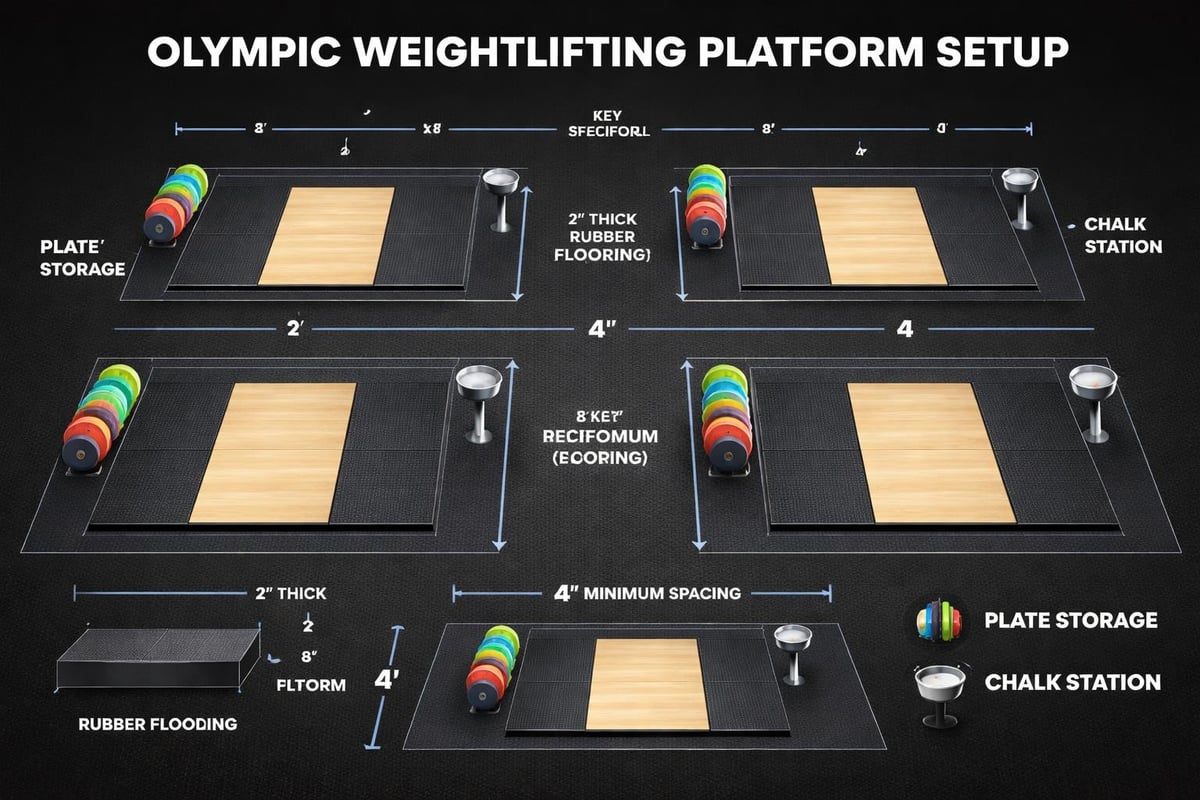
Dedicated lifting platforms separate great gyms from average ones. These specialized areas allow lifters to perform cleans, snatches, and heavy deadlifts without worrying about damaging floors or disturbing other members. Look for facilities that offer multiple platforms during peak hours to ensure you're not waiting 30 minutes for your turn.
Competition-grade equipment from manufacturers like Eleiko represents the gold standard. These precision-engineered bars feature proper knurling depth, accurate weight ratings, and bearing systems that allow smooth rotation during Olympic lifts. While not every gym needs to stock exclusively premium brands, the best facilities invest in quality where it matters most.
Power Racks and Functional Training Equipment
Multiple power racks or squat stations indicate a gym's commitment to strength training. The best gym for weightlifting should have at least one rack per 50-75 members to minimize wait times during busy periods.
Advanced facilities feature:
- Adjustable safety arms set at various heights for different lifts
- Band pegs for accommodating resistance training
- Built-in pull-up bars with multiple grip options
- J-hooks with protective coating to prevent barbell damage
- Plate storage integrated into rack design
Beyond basic racks, look for specialty equipment like mono-lifts for equipped powerlifting, glute-ham developers for posterior chain work, and reverse hyper machines for lower back rehabilitation and strengthening.
Specialized Equipment Inventory and Variety
A comprehensive equipment list separates mediocre gyms from world-class training facilities. Total Performance Sports showcases extensive specialized equipment that serious weightlifters need for complete programming.
| Equipment Category | Essential Items | Advanced Options |
|---|---|---|
| Free Weights | Olympic bars, bumper plates, calibrated plates | Specialty bars (safety squat, trap bar, log press) |
| Machines | Cable systems, leg press, hack squat | Belt squat machine, inverse curl, jammer arms |
| Accessories | Benches, dumbbells up to 150lbs, kettlebells | Strongman equipment, chains, specialty grips |
The Importance of Plate Selection
Serious lifters know that plate quality matters tremendously. Iron plates work perfectly for powerlifting movements where the bar stays close to the ground. Bumper plates become essential for Olympic lifting and any movement requiring bar drops from overhead positions.
The best gym for weightlifting stocks calibrated competition plates for lifters preparing for meets. These precisely weighted plates ensure you're lifting exactly what you think you're lifting, which becomes crucial when attempting personal records or following percentage-based programming.
Facility Design and Training Environment
Physical layout dramatically impacts training quality and efficiency. The Weight House demonstrates thoughtful equipment placement that maximizes floor space while creating distinct training zones for different lifting styles.
Proper Spacing and Training Zones
Crowded gyms create safety hazards and reduce training effectiveness. Premium facilities allocate adequate square footage per member, typically 50-75 square feet per person during peak capacity. This spacing allows lifters to perform exercises safely without worrying about hitting other members with barbells or dumbbells.
Distinct zones help organize the training environment:
- Olympic lifting area with platforms, bumper plates, and coaching space
- Powerlifting section featuring competition-spec equipment and heavier iron plates
- Accessory work zone with machines, cables, and bodybuilding equipment
- Functional training space for conditioning and dynamic movements
Climate Control and Flooring Quality
Temperature regulation affects performance more than most lifters realize. The best gym for weightlifting maintains temperatures between 65-72°F year-round, with humidity control to prevent equipment rust and member discomfort.
Flooring choices reflect a gym's understanding of weightlifting demands. Rubber flooring with minimum 3/8-inch thickness protects both dropped weights and the building's foundation. Competition areas should feature regulation platforms while general lifting zones can use high-density rubber tiles that balance durability with shock absorption.
Coaching Expertise and Programming Support
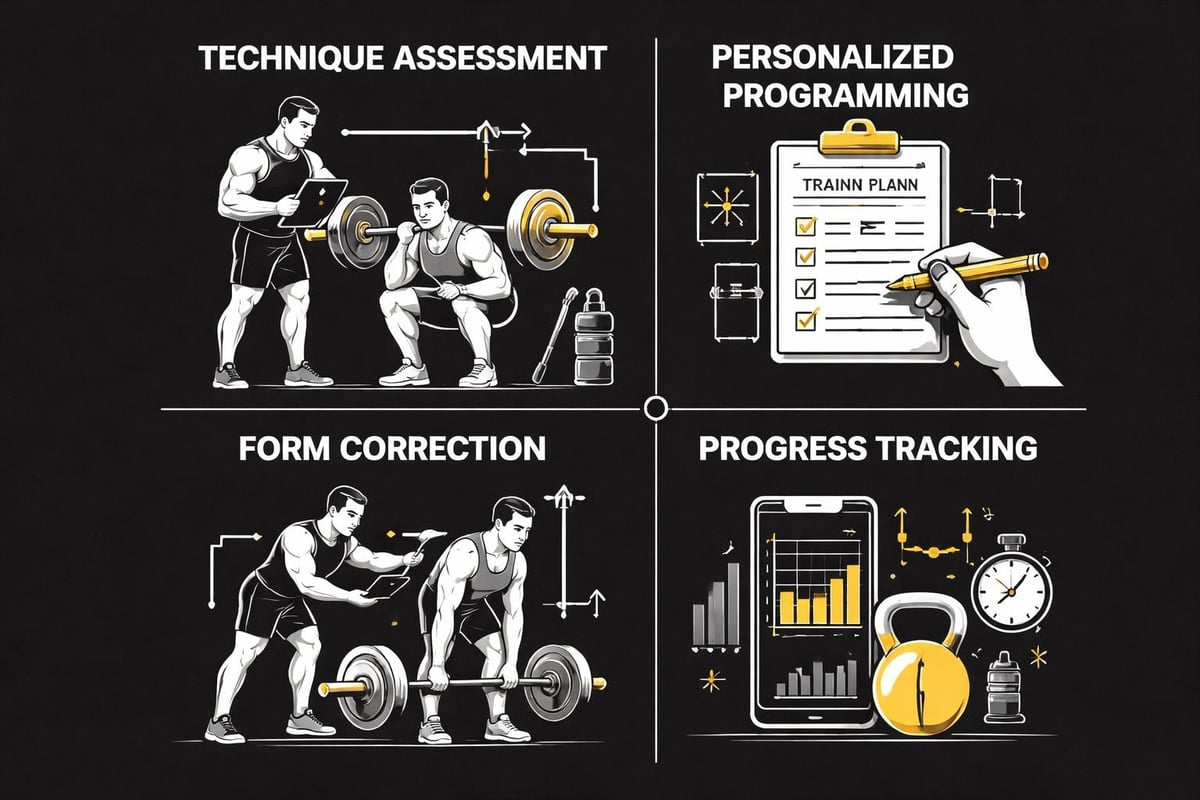
Equipment alone doesn't create the best gym for weightlifting. Knowledgeable coaching staff who understand progressive overload, periodization, and proper technique separate good facilities from exceptional ones.
Certified Coaching Standards
Look for facilities employing coaches with recognized certifications from organizations like USA Weightlifting (USAW), National Strength and Conditioning Association (NSCA), or International Powerlifting Federation (IPF). These credentials indicate coaches have studied biomechanics, program design, and injury prevention strategies specific to barbell training.
The best facilities offer multiple coaching levels:
- Drop-in form checks included with membership for quick technique questions
- Semi-private training for small groups working toward similar goals
- Individual coaching for competitors preparing for specific meets or competitions
- Remote programming for experienced lifters who prefer self-directed training with expert oversight
Programming and Progression Systems
Elite weightlifting gyms provide structured programs rather than expecting members to design their own training. Whether following linear periodization for beginners or undulating periodization for advanced lifters, having access to proven programming templates accelerates progress and reduces injury risk.
Some facilities partner with strength and conditioning programs like LSU's extensive facility to develop evidence-based training protocols that members can follow independently or with coaching support.
Member Community and Training Culture
The social environment profoundly influences training consistency and enjoyment. The best gym for weightlifting cultivates a supportive community where experienced lifters mentor newcomers and members celebrate each other's progress without excessive ego or intimidation.
Competitive Opportunities and Events
Regular in-house competitions provide motivation and practical meet experience without the pressure of official sanctioned events. Quality facilities host:
- Monthly or quarterly lifting competitions in various formats
- Technique clinics focusing on specific lifts or training methodologies
- Guest coaching seminars from nationally recognized strength athletes
- Team challenges that build camaraderie while encouraging progress
These events create accountability and connection that keep members engaged long-term. When you're invested in a community, you're far less likely to skip training sessions or abandon strength goals during challenging periods.
Training Partner Availability
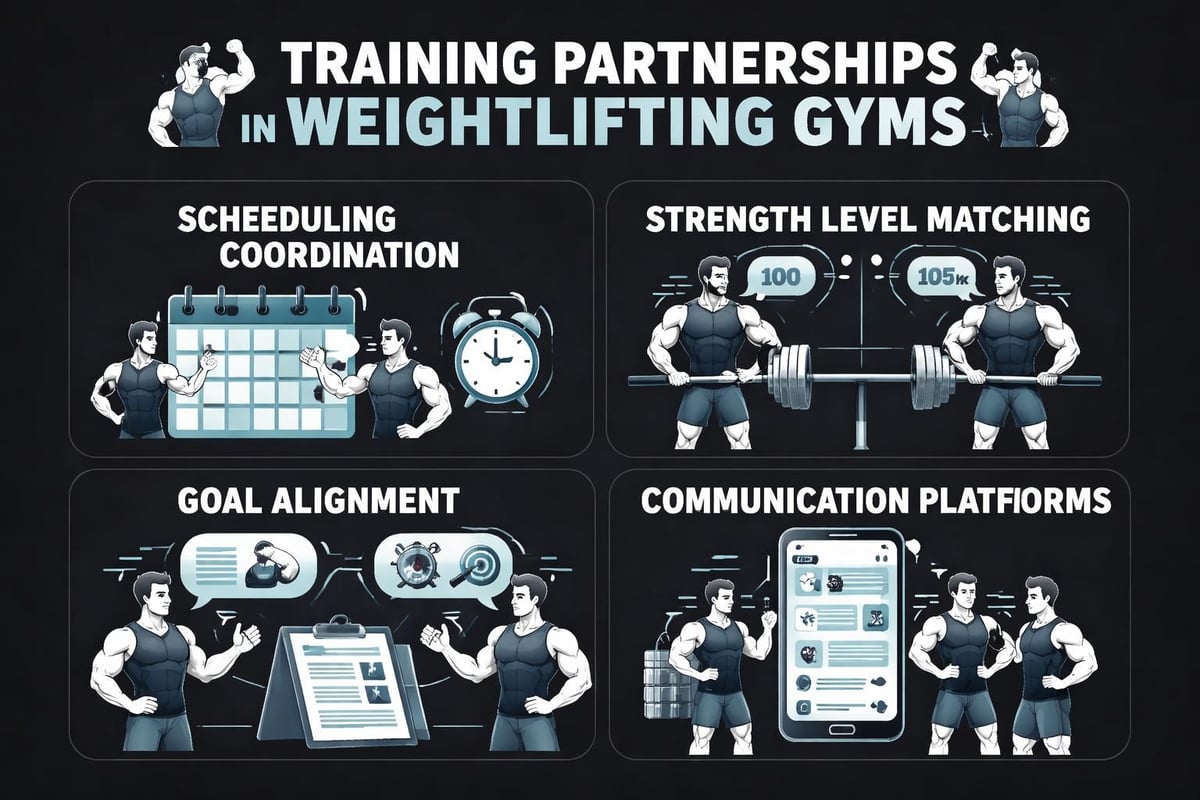
Having reliable training partners makes spotting safer, motivation higher, and sessions more enjoyable. The best facilities naturally attract serious lifters, increasing the likelihood you'll find partners who match your schedule, experience level, and training intensity.
Membership Structure and Accessibility
Pricing models vary significantly across weightlifting-focused gyms. Understanding what you're paying for helps identify genuine value versus overpriced facilities trading on hype rather than substance.
Tiered Membership Options
The best gym for weightlifting typically offers multiple membership levels:
| Membership Tier | Access Hours | Coaching Included | Monthly Cost Range |
|---|---|---|---|
| Basic | Standard hours only | None | $50-$80 |
| Premium | 24/7 access | Monthly form check | $80-$120 |
| Elite | 24/7 plus guest privileges | Weekly coaching session | $120-$200 |
Premium doesn't always mean better for your specific needs. If you have extensive training experience and primarily need equipment access, basic memberships often provide everything necessary without paying for unused coaching services.
Geographic Convenience and Hours
Location matters more than most lifters initially consider. A gym 30 minutes away might seem acceptable until traffic, weather, or fatigue make that drive a barrier to consistency. The best gym for weightlifting is often the quality facility closest to your home or workplace that meets your equipment and community requirements.
Extended hours accommodate diverse schedules. Facilities like METfit offering open gym access recognize that serious lifters train at various times depending on work shifts, family obligations, and personal preference.
Supporting Your Lifting Journey with Quality Gear
While finding the right facility forms the foundation of training success, having proper personal equipment enhances both performance and safety. Quality lifting accessories protect your body during heavy loads and help you maintain proper positioning throughout demanding sets.
Essential Personal Lifting Equipment
Serious weightlifters invest in their own gear rather than relying entirely on gym-provided items. When you're checking out facilities to find the best gym for weightlifting, consider which gyms allow members to use personal equipment freely.
Key personal gear includes:
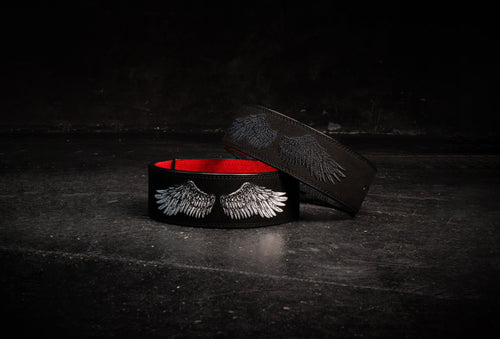
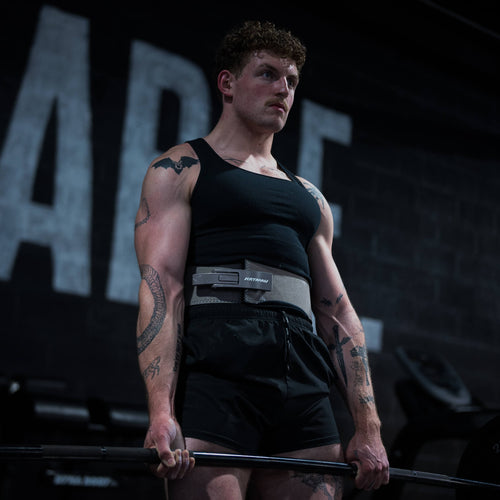
- Lifting belts that provide intra-abdominal pressure support during maximal efforts
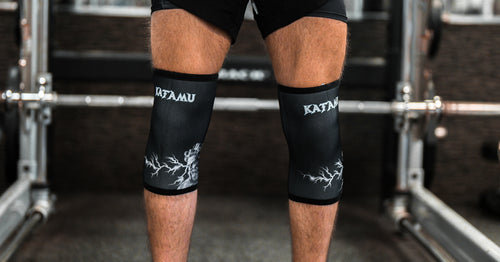
- Knee sleeves offering joint warmth and minor compression without restricting movement
- Wrist wraps stabilizing the wrist joint during heavy pressing movements
- Lifting straps for pulling volume work when grip becomes the limiting factor
Premium gear from companies like Katamu combines durability with thoughtful design, ensuring your equipment lasts years rather than months. When you're investing significant time at the gym, quality accessories become training partners that support every session.
Footwear Considerations for Weightlifting
Proper gym shoes designed for weightlifting provide the stable base necessary for moving heavy loads safely. The best gym for weightlifting won't restrict footwear choices, allowing members to wear specialized lifting shoes with elevated heels for Olympic movements or flat-soled shoes for powerlifting and deadlifts.
Understanding proper fit guidelines ensures your personal gear enhances rather than hinders performance. Ill-fitting belts, sleeves, or wraps create discomfort and reduce effectiveness, turning potentially helpful tools into frustrating hindrances.
Evaluating Gym Cleanliness and Maintenance
Equipment maintenance directly correlates with safety and longevity. The best gym for weightlifting demonstrates commitment to upkeep through regular inspection, prompt repairs, and replacement of worn components before they become hazards.
Daily Cleaning Protocols
Visit potential gyms at different times to assess cleanliness standards. Quality facilities maintain sanitation throughout the day, not just early morning after overnight cleaning crews finish. Look for:
- Readily available cleaning supplies and paper towels at multiple stations
- Staff actively monitoring and maintaining cleanliness during operating hours
- Members who respect shared space by reracking weights and wiping equipment
- Absence of accumulated chalk dust, which indicates infrequent deep cleaning
- Well-maintained locker rooms and restroom facilities
Equipment Inspection and Replacement
Well-run facilities maintain inspection logs documenting regular safety checks of cables, pulleys, barbell sleeves, and other components subject to wear. Ask managers about their maintenance schedule and replacement protocols. Facilities that can't clearly articulate their maintenance program likely don't have one.
Premium gyms rotate equipment strategically, moving older but functional pieces to less-demanding applications while installing new equipment in high-traffic areas. This approach maximizes equipment lifespan while ensuring members have access to reliable, safe gear.
Specialty Considerations for Different Lifting Styles
Different strength sports require specific equipment and environments. The best gym for weightlifting depends partly on which discipline you're pursuing.
Olympic Weightlifting Focus
Facilities specializing in Olympic lifting prioritize technique coaching, video analysis capabilities, and competition preparation. The Strength Warehouse exemplifies comprehensive weightlifting gym setups with equipment and coaching specifically designed for snatch and clean & jerk development.
These gyms typically offer:
- Multiple lifting platforms with competition-spec equipment
- Coaches certified through USA Weightlifting or similar organizations
- Regular technique clinics and meet preparation programs
- Video recording setups for movement analysis
- Programming designed around Olympic lifting periodization models
Powerlifting and Strength-Focused Training
Powerlifting-oriented facilities emphasize squat, bench press, and deadlift specialization. Equipment needs differ significantly from Olympic lifting gyms, with greater emphasis on mono-lifts, competition benches, and calibrated iron plates.
The best powerlifting gyms maintain strong relationships with federation officials and regularly host sanctioned meets, providing members with competitive opportunities and exposure to meet-day protocols and equipment standards.
Amenities Beyond the Lifting Floor
Supporting facilities enhance the overall training experience without directly contributing to strength gains. While not essential for progress, these amenities improve member satisfaction and recovery quality.
Recovery and Mobility Resources
Progressive facilities recognize that recovery drives adaptation. Look for gyms offering:
- Dedicated stretching areas with foam rollers, lacrosse balls, and mobility tools
- Sauna or cold plunge access for temperature-based recovery protocols
- Massage services either in-house or through partnerships with local therapists
- Physical therapy referrals from professionals who understand strength training demands
Nutrition and Supplementation Support
Some weightlifting gyms partner with nutritionists or dietitians who specialize in strength athlete fueling. While not necessary for everyone, having professional nutrition guidance available simplifies another variable in the training equation for those seeking comprehensive support.
Making Your Final Decision
After touring facilities and evaluating options, decision-making becomes easier by ranking priorities systematically. Create a simple scoring system rating each gym on your must-have criteria.
Consider creating a comparison matrix:
- Equipment quality and variety (weighted most heavily)
- Coaching expertise and availability
- Member community and culture fit
- Location convenience and hours
- Pricing relative to value provided
- Cleanliness and maintenance standards
The best gym for weightlifting isn't necessarily the most expensive or the one with the most equipment. It's the facility where you'll train consistently, progress safely, and find the support needed to reach your strength goals. Trust your instincts about whether you feel comfortable and motivated in the space, as those intangible factors influence long-term adherence as much as equipment quality.
For questions about selecting the right personal equipment to complement your gym training, Katamu's FAQ section addresses common concerns about sizing, durability, and gear selection based on training style and experience level.
Selecting the best gym for weightlifting requires evaluating equipment quality, coaching expertise, community culture, and practical factors like location and hours. The right facility provides the foundation for consistent progress while supporting your specific strength goals, whether you're pursuing powerlifting, Olympic lifting, or general strength development. As you build your training program, equipping yourself with durable, well-designed gear enhances both performance and safety throughout every session. Katamu offers premium lifting accessories built to withstand years of heavy training, giving you reliable tools that complement your commitment to getting stronger. Explore our collection to find gear that matches your dedication to the iron.
