 30-Day Money Back Guarantee


The difference between compression tops versus cotton shirts gets real halfway through a hard session. Your back is soaked, the bar is loaded, and the shirt that felt fine during warm-ups is either staying locked in or becoming a heavy distraction. The better choice is not about following a gym uniform. It is about matching your gear to the work in front of you.
A cotton tee has earned its place in lifting culture. It is familiar, comfortable, and built for the no-frills lifter who wants to train hard without overthinking a shirt. Compression gear brings a different edge: a close athletic fit, less loose fabric, and a more dialed-in feel when the session turns serious.
Neither is automatically better. But they perform differently under sweat, movement, temperature, and the kind of training you do.
Compression Tops Versus Cotton Shirts: The Real Difference
The biggest difference is fabric behavior. Cotton is soft and breathable when dry, but it absorbs sweat rather than moving it away from your skin. That can feel comfortable during a short strength session in a cool gym. During long hypertrophy work, conditioning, or summer training, it can leave you wearing a damp, heavier layer by the end.
Compression tops are designed to sit close to the body. Performance-oriented fabrics generally manage moisture better than standard cotton and dry faster after you start sweating. The fabric also stays in place through rows, presses, carries, and high-rep accessory work, rather than shifting around your torso.
That close fit creates the feeling many lifters want: contained, focused, and ready to work. It can also make your physique more visible, which is either a source of confidence or something you would rather skip on a given day. There is no wrong answer. Training apparel should make you feel capable, not self-conscious.
When a Compression Top Earns Its Place
A compression top is a strong option when your training is fast-paced, high-volume, or hot. Think supersets, conditioning finishers, loaded carries, bodybuilding sessions with short rest periods, or a crowded gym with weak air conditioning. Less fabric moving around means one less thing competing for your attention.
Movement Without Loose Fabric
Loose sleeves and hems are rarely a major problem, but they can get annoying when you are constantly setting up for lifts. A fitted top stays closer to your body during bench press, overhead work, cable movements, and machine training. It can also sit more cleanly under a hoodie during a cold start or on the walk into the gym.
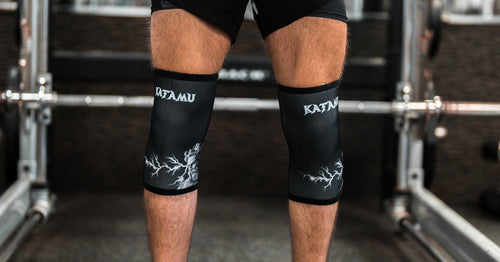
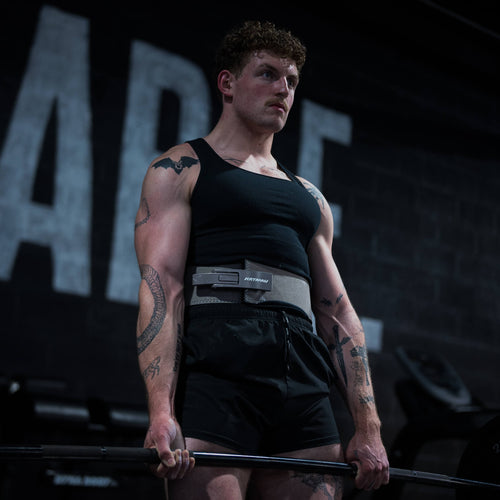
For lifters who wear belts, wrist wraps, knee sleeves, and straps, fitted apparel can make the whole setup feel more intentional. Your gear has a job. Your shirt should not get in the way of it.
Compression fabric can also reduce the bunching that happens when you brace hard against a belt. That does not replace good bracing technique, and it does not make weight lighter. What it can do is provide a more secure, less distracting layer between you and the rest of your training kit.
Sweat Control and Post-Training Comfort
There is a major difference between being sweaty and staying soaked. A compression top will not stop you from sweating, nor should it. But it can feel lighter as the session builds because it is less likely to hold the same amount of moisture as a cotton shirt.
That matters after the final set too. If you are driving home, heading to class, or moving straight into the rest of your day, a shirt that dries quickly is easier to live in. For athletes packing a gym bag with shoes, a belt, wraps, and a change of clothes, separating damp gear from the rest of the load becomes part of the routine.
A More Defined Training Look
Compression wear is not just functional. It carries a clear gym identity. The fit highlights the work you have put in and gives a sharper silhouette than an oversized tee. For some athletes, that visual feedback is motivating. You see the posture, the movement, and the progress in real time.
That does not mean every session needs to look like a photo shoot. It means your apparel can reflect the standard you bring to training. A well-fitted compression shirt has a purpose-built look that pairs naturally with serious lifting gear and a disciplined approach to the gym.
When Cotton Is Still the Right Call
Cotton is not outdated. A quality cotton shirt is often the better choice when comfort, casual style, and a relaxed fit matter more than sweat management. Many lifters prefer the familiar feel of cotton for heavy low-rep days with longer rest periods, especially in a cooler facility.
Comfort That Does Not Feel Technical
Cotton has a softer, more natural hand feel than most performance fabrics. If you do not enjoy the close sensation of compression gear, forcing yourself into it will not improve your session. A shirt that lets you focus is more valuable than a trend you tolerate.
Cotton also works well if your gym time blends into everyday life. You can train, grab food, run errands, or meet friends without looking like you forgot to change out of specialized athletic gear. A heavyweight or well-cut cotton tee brings a classic lifting look that never feels out of place.
Better for a Relaxed Fit and Layered Style
Some training days call for less structure. Maybe you are training arms, working technique, or taking a lighter day after a demanding block. A cotton shirt gives you room without hugging every part of your upper body.
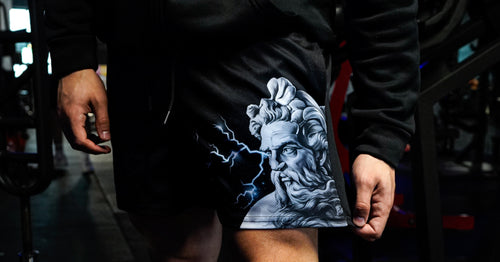
It is also the natural outer layer when you want a more streetwear-driven gym fit. Pair it with training shorts, a hoodie, and your daily lifting essentials, and the look stays strong without feeling overly technical. This is where bold graphics, dark color palettes, and collection-driven apparel can carry just as much presence as a fitted performance top.
The trade-off is simple: cotton can become heavy when wet. If you sweat heavily or train in heat, bring a second shirt or save cotton for the lower-intensity portion of your day.
Fit Matters More Than the Label
The wrong compression top feels restrictive. The wrong cotton shirt catches on equipment, rides up, or turns into a sweat-soaked towel. Fit determines whether either option actually performs.
A compression top should feel snug across the chest, shoulders, and arms without limiting your ability to reach overhead, take a full breath, or set your upper back for pressing. If the fabric pulls sharply at the shoulders or makes you avoid full range of motion, it is too tight. Compression should feel supportive, not punishing.
A cotton shirt should give you enough room to brace and move without drowning you in fabric. Oversized can be a style choice, and it is a popular one, but there is a line between relaxed and distracting. Check how the shirt behaves during a hinge, an overhead press, and a deep squat before deciding it is your go-to training piece.
If you are between sizes, think about how you train most. Choose the closer fit if you want a performance layer that stays put. Choose more room if comfort and casual wear are the priority.
Choose by Session, Not by Hype
The smartest gym wardrobe has both options. You do not need to swear loyalty to one fabric for every lift, every season, and every mood.
Reach for compression when you expect heat, high volume, conditioning, or a session where you want minimal distraction. It is also the move when you want a sharper silhouette and a training-ready feel from the moment you walk in.
Reach for cotton when the gym is cool, the session is less sweat-heavy, or you want a relaxed layer that carries from the rack to the rest of your day. It is hard to beat for casual comfort and classic lifting style.
For many athletes, the answer is rotation. Start in a compression top for warm-ups and high-output work, then throw on a cotton tee or hoodie after training. Or train in cotton on heavy, low-volume strength days and use performance apparel when the pace accelerates.
Build a Kit That Matches Your Standard
The shirt is one part of the system. The stronger your sessions get, the more you notice whether your apparel works with the rest of your gear. A lifting belt should feel secure. Wraps and sleeves should be ready when the load climbs. Your clothing should let you move, brace, sweat, and leave the gym feeling like you handled business.
Katamu apparel is built for athletes who want that system to look as serious as it feels. The goal is not to wear compression because it is expected or cotton because it is safe. Wear the layer that lets you attack the session without adjusting, second-guessing, or holding back.
Your best training shirt is the one you stop noticing after the first working set. That is when the focus belongs where it should be: on the next rep.
