
 30-Day Money Back Guarantee

Olympic lifting platforms have become essential equipment for serious strength athletes, powerlifters, and fitness enthusiasts who want to train safely and effectively. These specialized training surfaces provide the stability, shock absorption, and durability needed for heavy barbell movements, protecting both your equipment and your training space. Whether you're setting up a home gym or managing a commercial facility, understanding the nuances of olympic lifting platforms will help you make informed decisions that enhance performance and longevity.
What Makes Olympic Lifting Platforms Essential
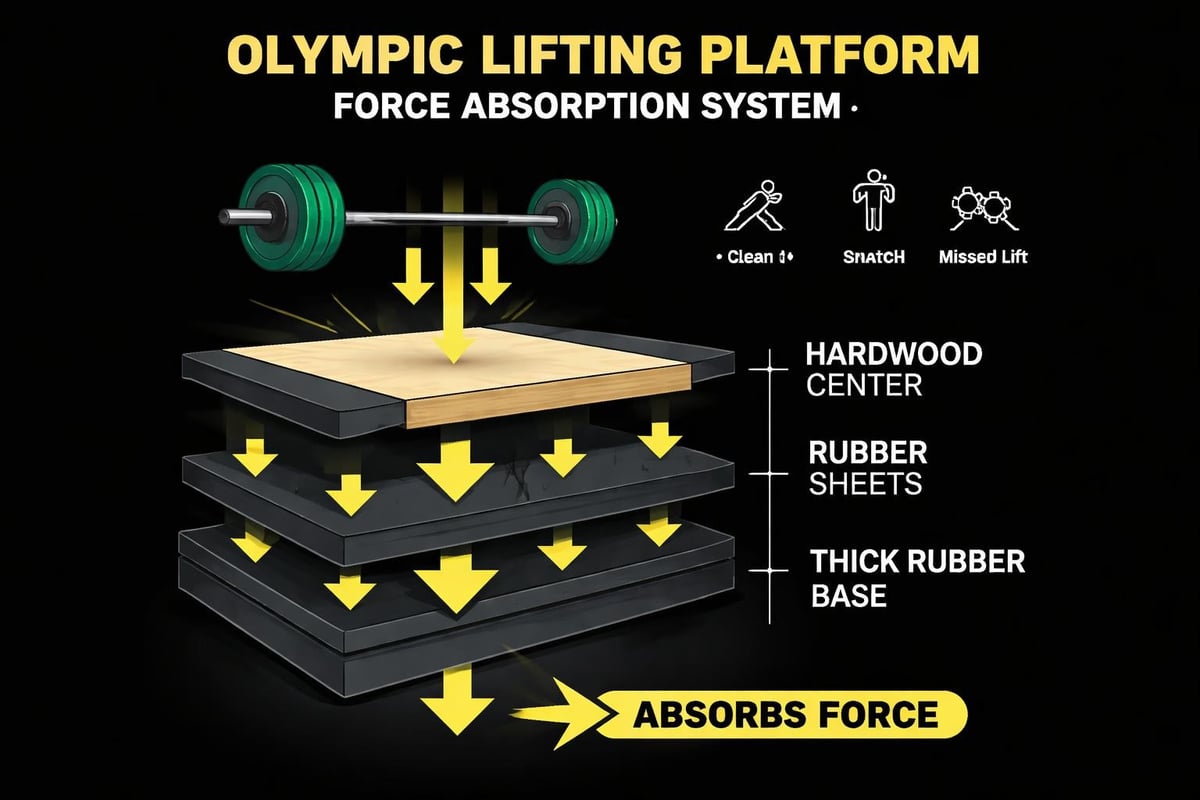
The primary function of olympic lifting platforms extends far beyond simply providing a flat surface for training. These platforms absorb impact from dropped weights, reduce noise transmission, and protect your flooring from damage caused by heavy barbell exercises.
Key benefits include:
- Impact absorption that protects both weights and floors
- Reduced vibration transfer to surrounding areas
- Enhanced stability for technical lifts
- Designated training zones that improve gym organization
- Extended equipment lifespan through proper shock distribution
When you drop a loaded barbell from overhead during a snatch or clean, the forces involved can easily crack concrete, damage subflooring, or destroy your bumper plates. Olympic lifting platforms distribute these forces across a wider surface area while the rubber sections compress to absorb energy. This engineering makes platforms indispensable for anyone serious about strength training.
Standard Dimensions and Specifications
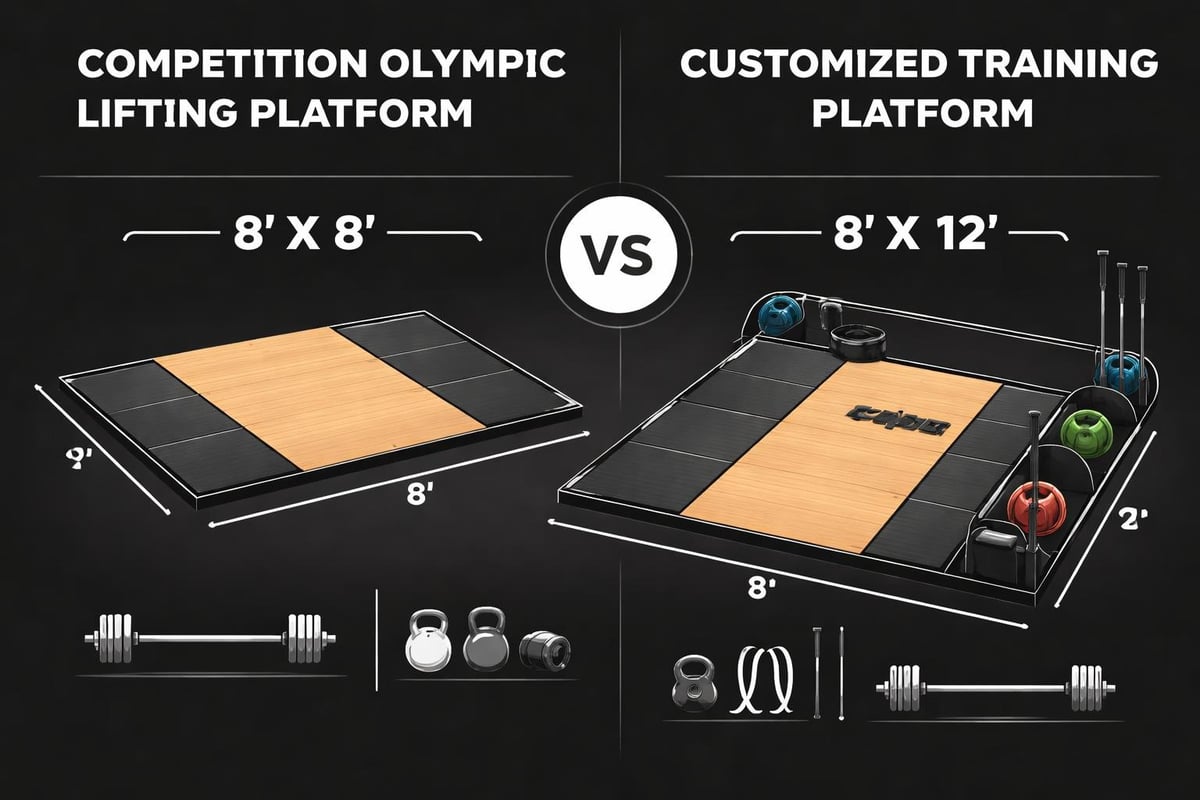
The USAPL's official platform construction standards outline precise requirements for competition-grade platforms. Most olympic lifting platforms measure 8 feet by 8 feet, providing adequate space for the lifter plus weight plate clearance on both sides of the barbell.
| Platform Component | Standard Specification | Purpose |
|---|---|---|
| Total Dimensions | 8' x 8' (96" x 96") | Accommodates lifter movement and plate drop zones |
| Center Section | 4' x 8' hardwood | Provides stable lifting surface |
| Rubber Strips | 2' x 8' each side | Absorbs impact from dropped weights |
| Total Height | 2.5" - 3.5" | Elevates lifting surface appropriately |
The center hardwood section, typically made from plywood or solid hardwood, creates a firm, non-compressive surface where your feet remain planted during lifts. The rubber strips flanking each side catch falling plates and prevent them from bouncing unpredictably. Understanding these spatial and flooring considerations helps ensure proper installation.
Construction Materials and Quality Considerations
Building or selecting olympic lifting platforms requires attention to material quality that directly impacts performance and durability. Premium platforms use multiple layers of structural plywood topped with hardwood, creating a stable base that won't flex under heavy loads.
The rubber sections deserve equal scrutiny. High-density rubber mats, typically made from recycled tire rubber, offer superior impact resistance compared to cheaper alternatives. Look for rubber that's at least three-quarters of an inch thick, ensuring it can withstand repeated impacts from hundreds of pounds dropping from overhead height.
DIY Platform Construction
Many lifters choose to build their own lifting platform to save money and customize dimensions. A basic platform requires:
- Base layer: Two sheets of 4' x 8' plywood (3/4" thick)
- Middle layer: Two more sheets of 4' x 8' plywood (3/4" thick)
- Top layer: One sheet of hardwood plywood or stall mats (center), two rubber mats (sides)
- Hardware: Wood screws, construction adhesive, measuring tools
- Assembly: Layer and secure materials, ensuring level surface throughout
The construction process involves carefully aligning each layer, applying adhesive between sheets, and securing everything with screws placed strategically to avoid creating bumps in the lifting surface. This methodical approach ensures your platform remains flat and stable under maximum loads.
Just as investing in quality premium lifting gear enhances your training experience, using high-grade materials for your platform pays dividends through years of reliable service. Cheap plywood delaminates quickly, while quality hardwood maintains structural integrity through countless training sessions.
Platform Placement and Space Requirements
Proper placement of olympic lifting platforms maximizes their effectiveness while ensuring safety for all gym users. Each platform requires clearance space beyond its physical footprint to accommodate lifter movement and equipment storage.
Minimum space requirements:
- 10' x 10' total floor space per platform
- 18-24 inches clearance on all sides
- 8-10 foot ceiling height minimum
- Adequate ventilation for intensive training
- Distance from mirrors and walls to prevent collision
Commercial facilities should consider the rules and guidelines established by training centers that prioritize safety and proper usage. These protocols help prevent accidents and ensure platforms serve their intended purpose effectively.
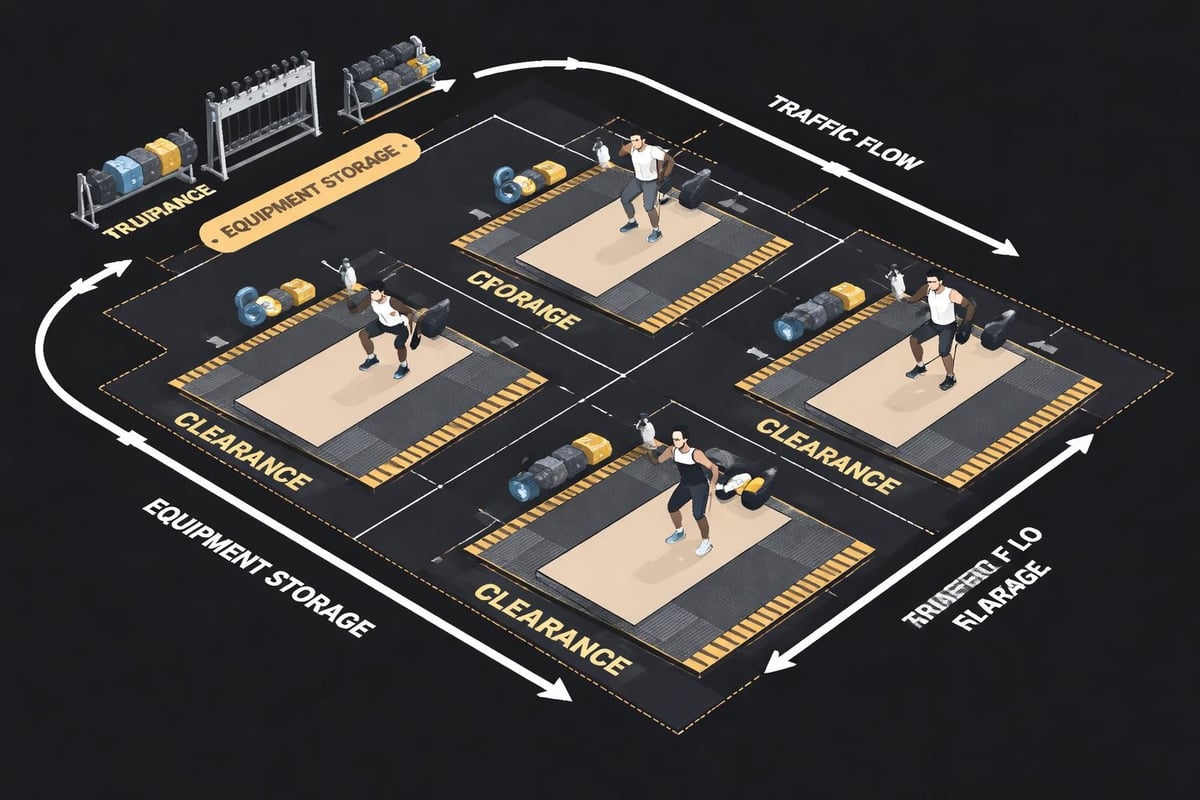
Placing platforms on concrete slabs provides the most stable foundation, though proper underlayment can make installation on wooden subflooring viable. Avoid positioning platforms near high-traffic walkways where passing gym members might accidentally step into a lifting zone during a set.
Surface Preparation and Installation
Before installing olympic lifting platforms, assess your existing flooring condition and prepare the surface appropriately. Uneven concrete requires leveling compound to prevent rocking or instability. Wooden subfloors need inspection for structural integrity, as platforms concentrate significant weight in small areas.
The installation process involves:
- Measuring and marking platform locations
- Cleaning the installation area thoroughly
- Laying down base underlayment if needed
- Positioning the platform and checking level
- Securing (if permanent) or marking boundaries (if movable)
Some facilities prefer permanent installation using concrete anchors, while others keep platforms movable for layout flexibility. Your choice depends on available space, training requirements, and facility management preferences.
Safety Features and Training Protocols
Olympic lifting platforms incorporate safety features that protect lifters and equipment during intense training sessions. The rubber drop zones represent the most obvious safety element, but proper platform design includes additional considerations that minimize injury risk.
| Safety Feature | Function | Benefit |
|---|---|---|
| Rubber Drop Zones | Absorb plate impact | Prevents equipment damage |
| Non-slip Surface | Provides traction | Reduces foot slippage during lifts |
| Level Construction | Ensures stability | Prevents balance issues |
| Adequate Size | Allows movement | Accommodates technical lifts |
| Defined Boundaries | Marks training space | Prevents collision with others |
Understanding common mistakes to avoid on Olympic platforms helps lifters maximize safety while improving performance. Technical errors compound when combined with improper platform usage, creating dangerous situations.
Maintenance and Longevity
Regular maintenance extends platform lifespan significantly. Sweep or vacuum platforms daily to remove chalk, dirt, and debris that can scratch hardwood surfaces or embed in rubber sections. Inspect rubber mats monthly for tears, separation, or excessive wear that compromises shock absorption.
The hardwood center section requires periodic treatment with appropriate wood sealers or finishes that enhance durability without creating slippery surfaces. Avoid oil-based products that make the platform dangerous when combined with chalk dust or sweat.
Monthly maintenance checklist:
- Inspect all connections and fasteners
- Check for surface damage or delamination
- Clean thoroughly with appropriate products
- Tighten any loose hardware
- Assess rubber mat condition and wear patterns
Platforms in commercial gyms experience substantially more wear than home setups, requiring more frequent inspection and potential component replacement. Budget for replacing rubber sections every 3-5 years in high-traffic facilities, while home platforms might last a decade or more with proper care.
Competition Standards and Specifications
Competitive powerlifters and Olympic weightlifters must train on platforms that match competition specifications to ensure proper movement patterns and spatial awareness. The International Powerlifting Association's general rules detail specific requirements for platform construction and dimensions used in sanctioned meets.
These standards exist for good reasons beyond mere regulation. Practicing on properly sized platforms helps athletes develop accurate depth perception for lift setup, learn appropriate spacing for their stance, and build muscle memory for competition environments.
Competition vs Training Platforms
While competition platforms must meet exact specifications, training platforms offer more flexibility in design and construction. Home gym enthusiasts can modify dimensions slightly to fit available space, though deviating too far from standard sizes can negatively impact skill transfer.
The United States Strengthlifting Federation's technical rules provide additional context for platform specifications in powerlifting competitions. Athletes preparing for meets should prioritize training on platforms that closely match these standards.
Training platforms may incorporate additional features like:
- Integrated plate storage pegs
- Barbell holders or j-hooks
- Chalk bowls or accessory holders
- Custom dimensions for specific movements
- Enhanced rubber thickness for frequent drops
These modifications enhance training efficiency without compromising the fundamental platform characteristics that matter most: stability, impact absorption, and appropriate surface texture.
Cost Considerations and Investment Value
Olympic lifting platforms represent a significant investment, whether purchasing pre-built units or constructing your own. Commercial-grade platforms from established manufacturers range from $800 to $2,500, while DIY construction typically costs $200-$500 depending on material quality.
Cost breakdown for DIY construction:
- Plywood sheets (4 pieces): $120-$200
- Rubber mats (2 pieces): $60-$120
- Hardwood top layer: $40-$80
- Adhesive and hardware: $20-$40
- Tools (if needed): $50-$100
Pre-built platforms eliminate construction time and guarantee professional quality, making them attractive for commercial facilities or lifters who value convenience. However, building your own platform offers customization opportunities and cost savings that appeal to budget-conscious home gym owners.
When evaluating investment value, consider how platforms protect expensive equipment. A quality barbell costs $300-$800, while bumper plate sets range from $500-$1,500. One catastrophic drop on unprotected concrete can destroy equipment worth more than a platform costs, making protection a financially sound decision.
Commercial vs Home Platform Needs
Commercial gyms require platforms built for heavy, continuous use by multiple lifters with varying skill levels. These platforms need maximum durability, easy maintenance, and the ability to withstand abuse from beginners who may drop weights improperly or drag equipment across surfaces.
Home platforms can optimize for the specific training style of one or two primary users. A competitive Olympic weightlifter might prioritize extra-thick rubber sections for frequent overhead drops, while a powerlifter focusing on deadlifts might prefer a larger hardwood center section with minimal rubber.
Consider your training frequency, lift selection, and available space when choosing between commercial and home platform specifications. The platform size and thickness recommendations vary based on these factors, helping you select appropriate dimensions for your situation.
Integration with Complete Training Setup
Olympic lifting platforms function as the centerpiece of a comprehensive strength training area. Surrounding equipment and accessories should complement platform features, creating an efficient workspace that supports your training goals.
Essential complementary equipment includes:
- Quality barbell appropriate for your lifts
- Calibrated or competition bumper plates
- Proper weightlifting shoes with raised heels
- Premium lifting belts for maximum support
- Knee sleeves and wrist wraps for joint protection
- Chalk and grip accessories
The synergy between quality platforms and proper lifting gear maximizes both safety and performance. Just as you wouldn't attempt a max deadlift without appropriate footwear, training on inadequate surfaces undermines the benefits of premium equipment.
Many serious lifters overlook the importance of proper fit and sizing for their lifting accessories, but these details matter as much as platform quality. A lever belt that fits perfectly provides better support than an ill-fitting alternative, regardless of price.
Platform Positioning for Optimal Training Flow
Strategic platform placement within your training space influences workout efficiency and enjoyment. Position platforms to allow natural movement patterns between exercises, minimizing time wasted reorganizing equipment or navigating awkward spaces.
Ideal platform arrangement considers:
- Traffic flow: Clear pathways between platforms and other equipment
- Natural lighting: Windows or adequate artificial light
- Ventilation: Airflow to manage heat and chalk dust
- Mirror placement: Visual feedback without collision risk
- Equipment storage: Convenient access to plates and accessories
Creating dedicated zones for different training modalities helps maintain organization even in compact spaces. Olympic lifting platforms become the foundation of these zones, defining where technical barbell work happens versus accessory exercises or conditioning.
Environmental and Acoustic Benefits
Beyond protecting floors and equipment, olympic lifting platforms provide significant acoustic benefits that matter in both home and commercial settings. The sound dampening properties of quality rubber substantially reduce the sharp crack of metal-on-concrete contact that disturbs neighbors or disrupts other gym users.
In residential settings, this noise reduction can mean the difference between compatible home training and angry neighbors or family members. Commercial facilities benefit from decreased ambient noise levels that create a more professional training environment.
Environmental considerations also factor into platform selection. Many manufacturers use recycled rubber from tires, giving new life to materials that would otherwise occupy landfills. This sustainability angle appeals to environmentally conscious lifters and facility owners seeking to minimize their ecological footprint.
The thermal properties of platforms deserve mention as well. Rubber and wood insulate against cold concrete floors, making winter training more comfortable while protecting equipment from extreme temperature fluctuations that can affect barbell knurling or plate integrity.
Advanced Platform Configurations
Experienced lifters and specialized facilities often customize olympic lifting platforms beyond standard specifications. These advanced configurations address specific training needs or space constraints that standard platforms don't accommodate.
Custom platform variations:
- Extended platforms (10' x 10' or 12' x 12') for Olympic weightlifting
- Multi-station platforms with integrated squat racks
- Combination platforms with adjustable sections
- Specialty platforms for strongman training
- Portable platforms for outdoor or temporary use
Some powerlifting gyms install specialized platforms designed specifically for competition preparation, matching exact meet specifications including surface friction, dimensions, and height. This attention to detail helps athletes feel comfortable when competing in unfamiliar venues.
Portable platforms offer versatility for facilities hosting multiple activities or lifters who train in different locations. These units sacrifice some stability and durability compared to permanent installations but provide flexibility that matters in certain contexts.
Training with proper equipment extends beyond just the platform itself. Quality lifting accessories complement your platform investment, ensuring every aspect of your setup supports maximum performance and safety throughout your strength journey.
Olympic lifting platforms represent a foundational investment that protects your equipment, enhances safety, and improves training quality across all strength disciplines. Whether you're building a home gym or managing a commercial facility, choosing the right platform specifications and maintaining them properly ensures years of reliable service. At KatamuCo, we understand how premium equipment transforms your training experience, which is why we offer lifting belts, knee sleeves, wrist wraps, and other accessories built to the same exacting standards you should demand from your platform. Equip yourself with gear that matches your commitment to excellence and experience the difference quality makes in every lift.
