 30-Day Money Back Guarantee

Are you ready to unlock your true strength in the gym? The right leather weight training belt could be the game-changer your workouts need in 2025. Many lifters overlook how much a quality belt impacts their safety, confidence, and performance.
In this handbook, you’ll discover everything you need to know about choosing, using, and caring for a leather weight training belt. We’ll break down the benefits, help you find your perfect fit, provide step-by-step usage tips, and reveal the latest belt innovations for the coming year.
If you want to lift heavier and train smarter, this guide will show you how a leather weight training belt can help you reach your goals.
Why Choose a Leather Weight Training Belt?
Choosing a leather weight training belt is a game changer for anyone serious about strength training. What makes this classic piece of equipment stand out from the rest? Let’s break down the biggest reasons lifters in 2025 still rely on leather for support, comfort, and long-term value.
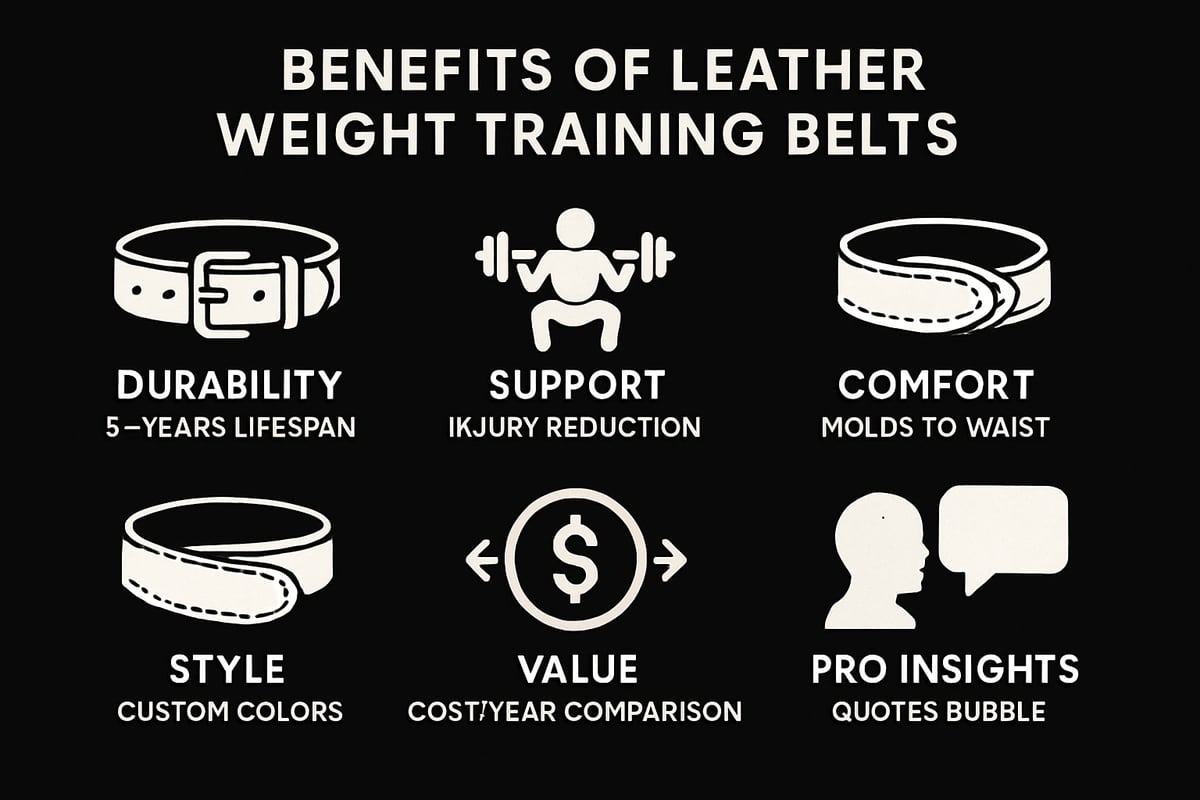
Durability and Longevity
A leather weight training belt is known for lasting through years of tough workouts. Leather’s natural toughness makes it resistant to stretching, cracking, and fraying, especially compared to nylon or synthetic belts.
Here’s a quick comparison:
| Feature | Leather Belt | Synthetic Belt |
|---|---|---|
| Wear-resistance | High | Moderate |
| Lifespan | 5+ years | 1–2 years |
| Maintenance | Occasional oiling | Machine wash |
Many lifters report their leather weight training belt still performs like new after five years of use. With proper care, this belt becomes an investment that outlasts most alternatives.
Support and Stability for Heavy Lifts
The standout reason to use a leather weight training belt is the dense, rigid core support it offers. During squats, deadlifts, and overhead presses, this belt helps stabilize your spine and maintain proper form.
Studies show that lifters using a belt experience up to a 50% reduction in lower back injuries. According to Benefits of Weightlifting Belts, belts also boost force production on heavy lifts. This makes a leather weight training belt a trusted tool for both injury prevention and performance gains.
Comfort and Fit
One unique advantage of a leather weight training belt is how it molds to your body over time. The belt gradually conforms to your waist, creating a personalized fit you simply won’t get with synthetic options.
You’ll find several closure styles, including single-prong, double-prong, and lever buckle systems. Each offers a different feel and level of adjustability. Over time, the belt feels like a second skin, supporting you without pinching or digging in.
Aesthetic and Style
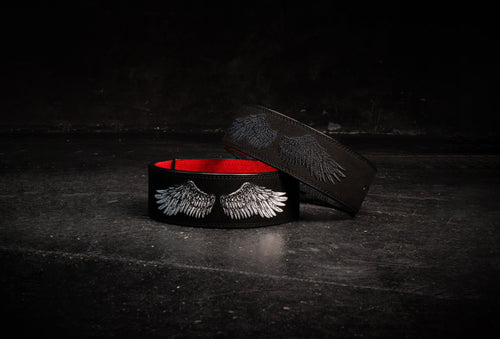
A leather weight training belt is more than just functional gear—it’s a style statement. The classic look of finished leather, often available in a range of colors and custom designs, stands out on the lifting platform.
Many powerlifters and strength athletes prefer leather for its timeless appeal. Whether you want a bold color, embossed logo, or minimalist design, there’s a leather belt to match your personality and motivation.
Value for Money
While the initial cost of a leather weight training belt may be higher, its durability and performance make it a smarter long-term investment. If you calculate the average cost per year, leather often beats cheaper alternatives that require frequent replacement.
A real-world case: a $100 leather belt lasting five years costs just $20 per year, while two $50 nylon belts replaced every year double that cost. Quality pays off over time.
Environmental Impact
Eco-conscious lifters should know that a leather weight training belt is made from natural materials, unlike petroleum-based synthetics. Leather is biodegradable and often sourced as a byproduct of the food industry.
While tanning and processing methods do vary, some brands now offer vegetable-tanned or sustainably sourced leather options. This makes the belt a greener choice for those mindful of their environmental footprint.
Insights from Professional Lifters
Professional lifters consistently highlight the benefits of using a leather weight training belt. As one champion powerlifter puts it, “My leather belt is the only piece of gear I trust on max effort days.”
Surveys in lifting communities show over 70% of competitors prefer leather belts for their reliability and feel. For many, the leather weight training belt is not just equipment—it’s a badge of commitment to the sport.
Key Features to Look for in a Leather Weight Training Belt
Choosing the best leather weight training belt means understanding the features that truly matter. Whether you are a beginner or a seasoned lifter, focusing on these key elements ensures safety, comfort, and long-term value. Let’s break down what you should look for before investing in your next belt.
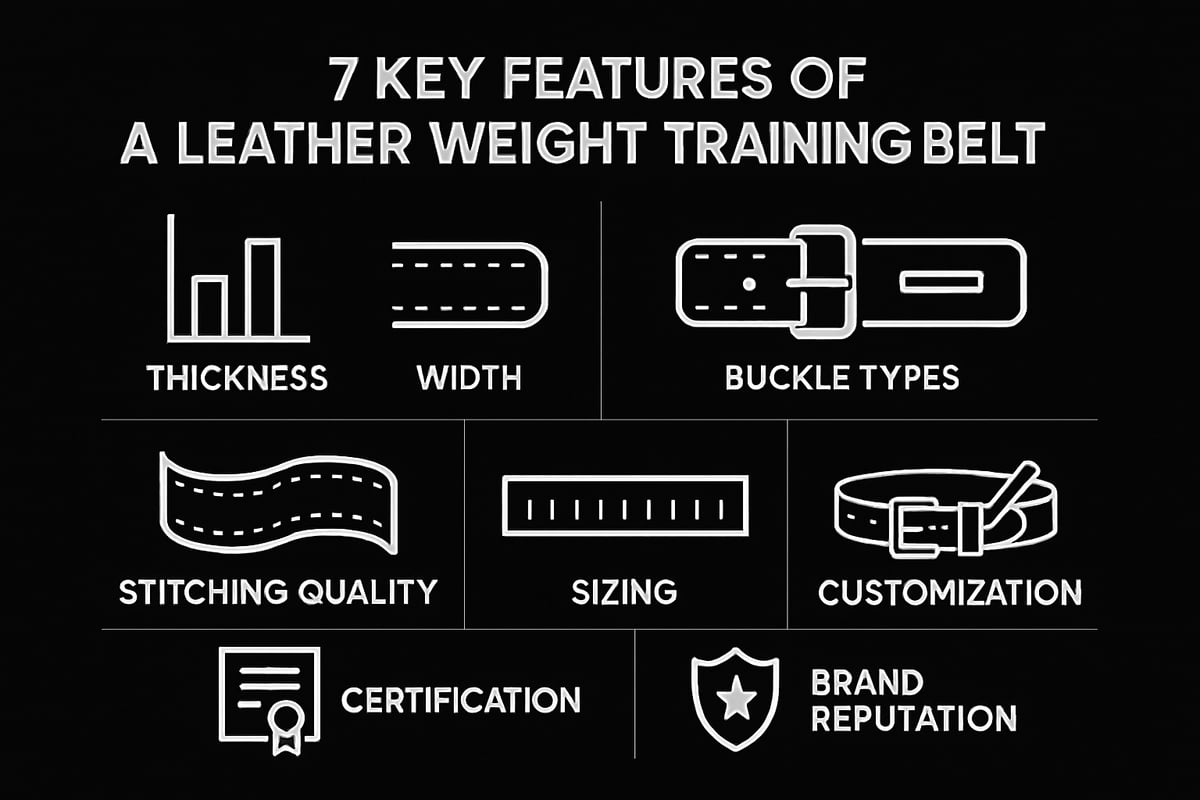
Thickness and Width
The thickness and width of a leather weight training belt directly impact the support you get during lifts. Common thicknesses are 10mm and 13mm, while width usually ranges around 4 inches.
A thicker belt offers more rigidity, making it ideal for heavy squats or deadlifts, but may feel stiff for some users. Thinner belts provide flexibility and comfort, especially for Olympic lifts or dynamic movements. The standard 4-inch width ensures even pressure across your core, but narrower belts can suit smaller frames.
Table: Belt Thickness & Width Comparison
| Thickness | Best For | Comfort Level | Support Level |
|---|---|---|---|
| 10mm | General strength | High | Moderate |
| 13mm | Powerlifting | Medium | High |
Always choose a leather weight training belt size based on your lifting style and body shape.
Buckle Types: Prong vs. Lever vs. Velcro
The buckle system is a vital part of any leather weight training belt. You’ll find three main options: single-prong, double-prong, and lever buckles. Prong buckles allow fine-tuning and a secure fit, while lever buckles are popular for quick adjustments and consistent tightness.
Velcro is rare in leather belts, used mainly for lighter, less rigid models. Lever systems, such as those found in Japanese samurai lever belt features, are favored by powerlifters for their reliability and speed.
Buckle Comparison:
- Prong: Adjustable, durable, takes longer to secure.
- Double-Prong: Extra security, but can be trickier to fasten.
- Lever: Fast on/off, perfect for heavy lifts, fixed sizing.
Select the buckle type that matches your training style and ease-of-use preferences for your leather weight training belt.
Stitching and Construction Quality
High-quality stitching and premium leather are non-negotiable for a durable leather weight training belt. Look for reinforced, double-stitched seams and smooth, even edges.
Mass-produced belts may cut corners with loose threads or low-grade materials, which can compromise safety. Inspect the belt for solid rivets, consistent coloring, and a uniform finish. A well-made leather weight training belt should feel sturdy and reliable from the first use.
Sizing and Adjustability
Getting the right fit is crucial. Measure your waist at the navel, not over your clothes, for the most accurate size. Most brands offer detailed sizing charts to help you find the perfect leather weight training belt.
Adjustability matters, especially if your body composition changes. Look for belts with multiple holes or flexible buckle positions. Some brands are now creating more inclusive sizing options to fit every athlete.
Certification and Competition Approval
If you plan to compete, make sure your leather weight training belt is approved by federations like IPF or USAPL. Competition-approved belts meet strict standards for thickness, width, and construction.
Check the manufacturer’s website or product label for certification details. Many top athletes favor belts that are both compliant and comfortable, giving you confidence on the platform and in the gym.
Brand Reputation and Warranty
Not all belts are created equal. Trusted brands are known for their consistent quality, strong warranties, and responsive customer service. A reputable leather weight training belt will come with a clear warranty policy, often covering materials and craftsmanship.
Do your research and read reviews from other lifters. Brands with solid reputations usually offer better after-sales support and stand by their products for the long haul.
Customization Options
Personalization is a growing trend in 2025. Many companies now offer custom embossing, a range of colors, and even limited-edition designs for your leather weight training belt.
Customized belts let you showcase your personality and stand out on the lifting platform. Look for brands that provide these options without sacrificing build quality or safety standards.
How to Choose the Perfect Leather Belt for Your Needs
Selecting the right leather weight training belt can feel overwhelming, but with a step-by-step approach, you’ll find the perfect match for your lifting style and goals. This section walks you through every factor to consider, making sure your choice boosts both safety and performance.
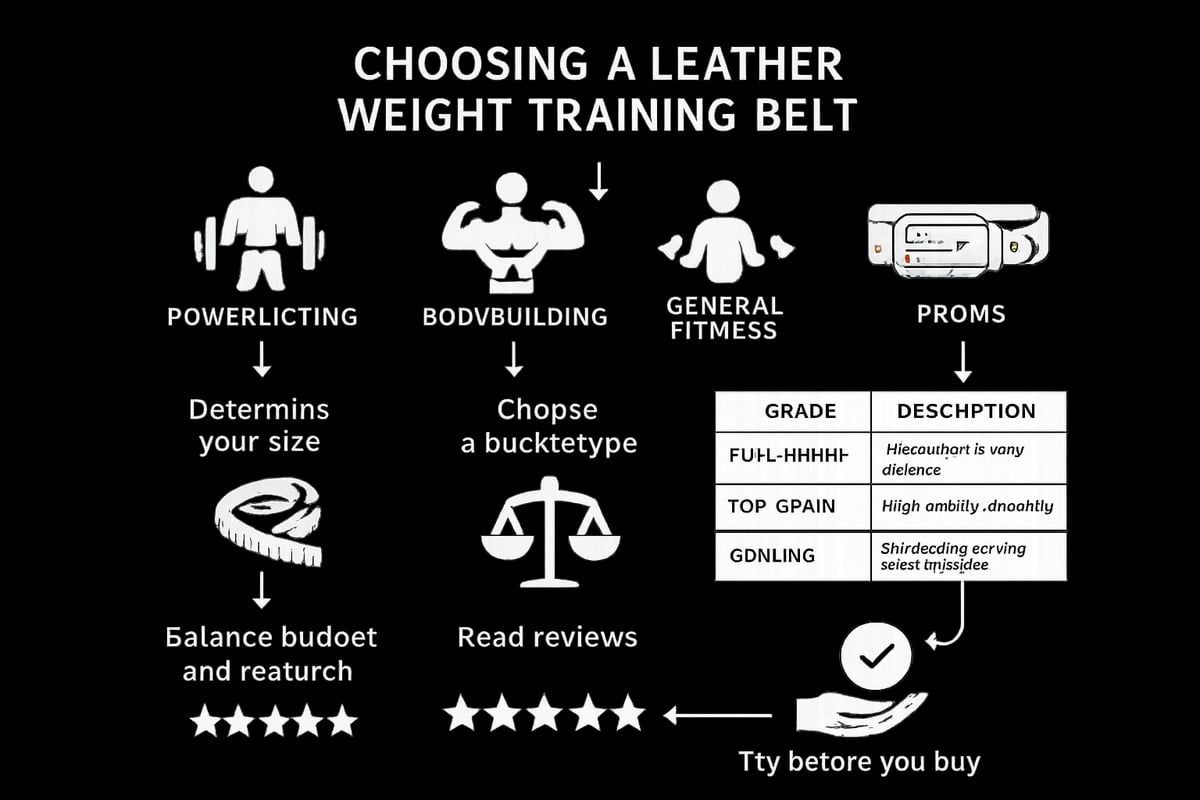
Assessing Your Training Goals
Start by clarifying what you want from your leather weight training belt. Are you focused on powerlifting, bodybuilding, or general fitness? Powerlifters often need maximum support for heavy squats and deadlifts. Bodybuilders may prioritize comfort and aesthetics for varied routines. If you train for general strength, look for a versatile belt that balances support and flexibility.
- Powerlifting: Choose a thicker, stiffer belt for maximum core stability.
- Bodybuilding: Opt for moderate thickness with a comfortable fit.
- General fitness: Seek a balance of support and ease of use.
Knowing your primary training style helps narrow your leather weight training belt options quickly.
Determining the Right Size and Fit
A well-fitted leather weight training belt is essential for safety and comfort. Measure your waist at the navel using a flexible tape, not over clothing. Compare your measurement to the manufacturer’s sizing chart, as sizes can vary.
Adjust for body composition changes, especially if your weight fluctuates. A belt that’s too loose or tight won’t provide proper support. Look for models with multiple holes or adjustable buckles for a personalized fit.
- Measure at the navel, not the hips.
- Allow room for breathing and bracing.
- Choose adjustable options for long-term use.
Selecting the Best Buckle System
The buckle system affects both the ease of use and the security of your leather weight training belt. There are three main types:
| Buckle Type | Pros | Cons |
|---|---|---|
| Single-Prong | Simple, easy adjustments | Slightly slower to tighten |
| Double-Prong | Extra security | Can be harder to fasten |
| Lever | Fast on/off, very secure | Less fine-tuning, pricier |
Match the buckle style to your preferences. Lever buckles are great for quick changes between sets, while prong buckles allow more precise sizing. Safety is key, so always check the mechanism before every lift.
Evaluating Leather Quality and Craftsmanship
Not all leather belts are created equal. The grade of leather directly impacts durability and comfort. Here’s a quick guide:
- Full-grain: Most durable, molds to your body over time.
- Top-grain: Slightly less tough but still high quality.
- Bonded leather: Made from scraps, less durable, often cheaper.
Inspect stitching and edges. Quality craftsmanship means reinforced stitching with no loose threads or uneven cuts. A premium leather weight training belt will last for years with the right care.
Balancing Budget and Features
Set a realistic budget before shopping. While a premium leather weight training belt may cost more upfront, it delivers better support, longevity, and safety. Consider features like warranty, customization, and buckle type.
- Higher price often means higher quality materials.
- Factor in the cost-per-year compared to cheaper belts.
- Look for warranties or satisfaction guarantees.
Investing in a quality belt pays off in both performance and safety over time.
Reading Reviews and Gathering Feedback
Leverage the experience of the lifting community to inform your choice. User reviews on forums, YouTube, and Reddit offer real-world insights into comfort, durability, and sizing. For more detailed guidance, check resources like Choosing the best lifting belt, which break down selection factors and help you avoid common pitfalls.
- Seek feedback from people with similar goals.
- Watch video reviews for fit and function demonstrations.
- Compare multiple sources for balanced opinions.
Community wisdom can steer you toward the best leather weight training belt for your needs.
Trying Before Buying
Whenever possible, try on different belts in-store or at fitness expos. This hands-on approach lets you test fit, comfort, and buckle systems firsthand. If shopping online, look for brands with generous return policies or risk-free trials.
- Test for comfort during bracing and movement.
- Check how easily you can adjust the belt.
- Ensure there are no pressure points or discomfort.
Trying before buying ensures your leather weight training belt truly fits your body and your training style.
Step-by-Step Guide: Using Your Leather Weight Training Belt Safely
Wearing a leather weight training belt correctly can make a real difference in your lifting performance and safety. Many lifters overlook proper technique, reducing the effectiveness of their belt and even risking injury. By mastering each step, you’ll maximize the benefits and lifespan of your leather weight training belt for every session.
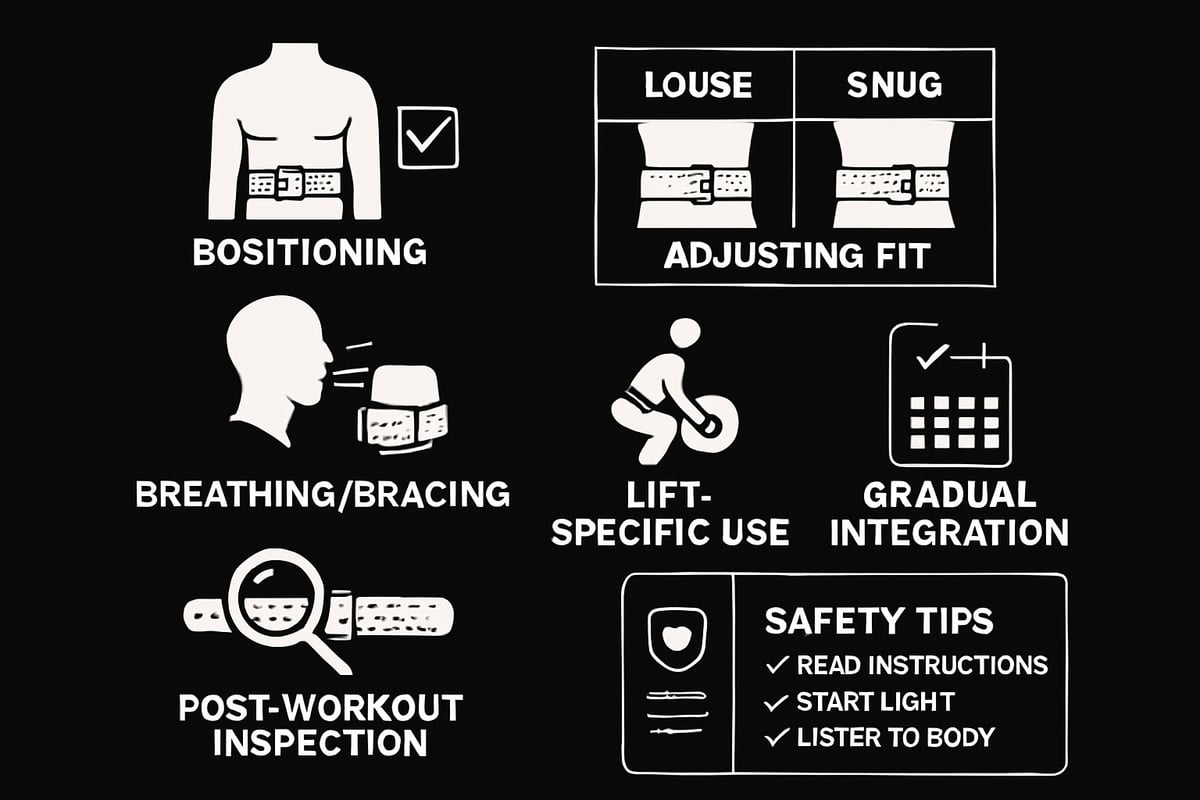
Step 1: Positioning the Belt Correctly
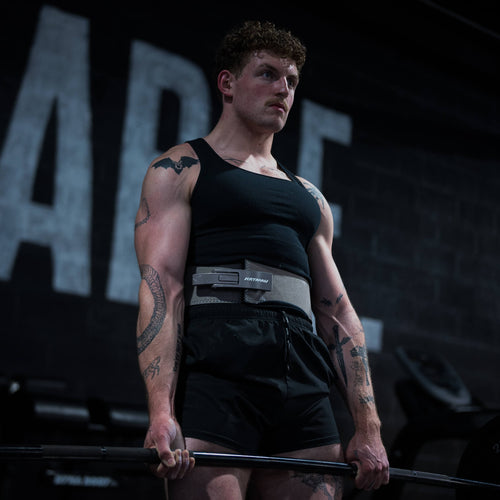
Begin by placing your leather weight training belt around your midsection, centering it across your lower back and abdominals. The ideal position is just above your hip bones, ensuring the belt covers your core’s natural curve.
Common mistakes include wearing the belt too high on the ribs or too low on the hips. An incorrectly placed leather weight training belt can limit movement or fail to support your spine. To check, stand sideways in a mirror and ensure the belt sits flat and snug, not digging into your skin or riding up during movement.
Learning the right placement might take a few tries, but it’s the foundation of safe, effective belt use.
Step 2: Adjusting for a Secure Fit
Once positioned, tighten your leather weight training belt so it feels secure but not restrictive. You should be able to slide a finger between your body and the belt, allowing for deep breaths and natural bracing.
If your belt feels stiff, especially when new, remember that breaking in a leather weight training belt takes time. For tips on softening and shaping your belt for optimal comfort, check out this guide on Breaking In a Lifting Belt.
A properly adjusted belt will provide a sense of support without cutting off circulation or restricting movement. Always check the buckle or lever to ensure it’s locked in place before lifting.
Step 3: Bracing and Breathing Techniques
With your leather weight training belt secured, practice diaphragmatic breathing. Inhale deeply, expanding your abdomen against the belt, then brace your core as if preparing for a punch.
This technique increases intra-abdominal pressure, helping the leather weight training belt stabilize your spine during heavy lifts. Try a few reps without weights to feel the difference in core tension.
Remember, the belt is not a crutch but a tool to enhance your natural bracing. Consistent practice leads to stronger lifts and better injury prevention.
Step 4: Wearing the Belt During Specific Lifts
Use your leather weight training belt strategically for compound movements like squats, deadlifts, and overhead presses. Studies show that lifters using a properly fitted belt experience reduced lower back injury rates and improved lift stability.
Here’s a quick guide:
| Lift Type | Belt Use Recommended? | Reason |
|---|---|---|
| Squats | Yes | Maximal core support |
| Deadlifts | Yes | Protects lumbar region |
| Overhead Presses | Yes | Stabilizes torso |
| Bench Press | Optional | May aid if arching back |
Only wear your leather weight training belt for sets at 80% or more of your one-rep max, or when attempting personal bests.
Step 5: Gradually Integrating the Belt Into Training
Avoid relying solely on your leather weight training belt for every set. Start by using it during top sets, then gradually increase use as needed.
For beginners, focus on building raw core strength without the belt for warm-up and lighter sets. This balanced approach ensures your core muscles develop properly while still benefiting from the support of a leather weight training belt during heavy lifts.
Advanced lifters can use the belt more frequently, but should still include some beltless training sessions in their routine.
Step 6: Post-Workout Care and Inspection
After each session, inspect your leather weight training belt for signs of wear, such as cracks, loose stitching, or bent buckles. Wipe down sweat and store the belt in a cool, dry place.
A simple checklist:
- Check stitching and buckle security
- Look for surface cracks or stiffness
- Wipe down with a clean cloth
Regular care keeps your leather weight training belt reliable and extends its lifespan.
Safety Myths and Best Practices
Many believe that a leather weight training belt is a shortcut or only for professionals. In reality, when used correctly, it’s a valuable tool for all strength athletes.
Best practices include using the belt only when needed, maintaining proper bracing, and regularly inspecting the belt for damage. Avoid overtightening, which can restrict breathing or cause discomfort.
By following these steps, you’ll ensure your leather weight training belt is a trusted part of your lifting journey, not just an accessory.
Leather Belt Maintenance and Longevity Tips
Taking care of your leather weight training belt is essential if you want it to last for years and provide consistent support. Proper maintenance preserves not only the appearance but also the functionality of your belt, ensuring it remains a reliable part of your lifting gear. Let’s break down how to keep your investment in top shape.
Cleaning and Conditioning
Regular cleaning is the first step to preserving your leather weight training belt. After each workout, wipe the belt with a clean, dry cloth to remove sweat and chalk. For deeper cleaning, use a damp cloth with a small amount of mild soap, then let the belt air dry completely.
To prevent cracking, apply a specialized leather conditioner every few months. This keeps the leather supple and extends its lifespan. For detailed guidelines on conditioning, check out these Leather Weightlifting Belt Care tips.
Storage Best Practices
Where and how you store your leather weight training belt can make a huge difference. Always keep the belt in a cool, dry place, away from direct sunlight and heat sources. Avoid tossing it into a gym bag with wet clothes, as moisture can cause mold and weaken the leather.
Hang the belt or lay it flat to maintain its shape. Using a breathable storage bag helps prevent moisture buildup, which is crucial for long-term durability.
Handling Sweat and Odor
Sweat and odor are inevitable after intense training sessions. To manage this, let your leather weight training belt air out after every workout. Never use harsh chemicals or submerge the belt in water, as this can damage the leather.
If odor becomes an issue, sprinkle a small amount of baking soda on the inside of the belt and let it sit overnight before brushing it off. For more on safe drying techniques, see these Proper Drying Methods for Weightlifting Belts.
Inspecting for Wear and Tear
Inspect your leather weight training belt regularly for signs of wear. Look for cracks, frayed stitching, or stretched holes. Early detection of these issues can prevent unexpected failures during heavy lifts.
Common warning signs include:
- Deep creases or cracks in the leather
- Loose or broken stitching
- Buckle or lever damage
If you notice any of these, address them promptly to maintain safety.
Extending Belt Life
Want your leather weight training belt to last as long as possible? Rotate between two belts if you train frequently, allowing each belt to rest and recover its shape. Avoid over-tightening, which can stress the leather and hardware.
Community tips for longevity include:
- Airing the belt after every session
- Conditioning regularly
- Avoiding exposure to extreme temperatures
Warranty and Repair Services
Many premium belts come with warranties, so always check your manufacturer’s policy. Some brands offer repair services for minor issues like stitching or buckle replacement.
Compare the cost of repair versus replacement using this table:
| Issue | Repair Cost | Replace Cost | Recommendation |
|---|---|---|---|
| Minor stitching | Low | High | Repair |
| Cracked leather | Medium | High | Replace |
| Broken buckle | Low | Medium | Repair/Replace |
Using warranty services can save money and extend the life of your leather weight training belt.
Environmental Considerations
When your leather weight training belt reaches the end of its life, consider eco-friendly disposal. Some companies accept old belts for recycling or upcycling. You can also repurpose the leather for crafts or donate it to local gyms for training aids.
Choosing a belt made from responsibly sourced leather reduces your environmental impact from the start. Make conscious choices to keep both your lifting and the planet strong.
Innovations and Trends in Leather Weight Training Belts for 2025
The leather weight training belt is evolving rapidly, blending tradition with cutting-edge advancements for 2025. Let’s explore how the latest innovations are transforming the way lifters approach their gear, from materials to technology.
Advances in Leather Processing
In 2025, tanning techniques are more sophisticated than ever. Modern processes create leather that is not only tougher but also more flexible, ensuring your leather weight training belt stands up to years of heavy use.
Eco-friendly innovations are also front and center. Brands are investing in sustainable leather, using vegetable tanning and reducing chemical waste. These advances benefit both lifters and the planet.
Ergonomic Design Improvements
Designers are prioritizing comfort and support. Contoured shapes now better match the natural curve of your torso, minimizing pinching and maximizing performance during lifts.
Hybrid materials, such as memory foam inserts paired with premium leather, provide a snug but flexible fit. This combination helps distribute pressure evenly, especially during heavy squats or deadlifts, making the leather weight training belt a top choice for serious athletes.
Customization and Personalization
Personal expression is a major trend. Lifters can choose from custom colors, laser-engraved names, and even unique artwork on their belts.
Limited edition drops and collaborations with athletes or artists are popular. For those seeking a standout look, the Graduation lifting belt details page showcases a real-world example of premium customization options.
Smart Belt Technology
Tech is making its mark. Some leather weight training belt models now feature built-in sensors that monitor posture and bracing force, providing real-time feedback to users.
Although still in early stages, smart belts are integrating with fitness tracking devices, allowing athletes to analyze their lifting technique and make precise adjustments in training.
Market Trends and Consumer Preferences
Demand for high-quality, aesthetic gear is surging. Data from global lifting communities shows a preference for belts that blend performance with style.
Influencers and professional athletes are driving these trends, often showcasing personalized leather weight training belt designs on social media, which inspires everyday lifters to upgrade their gear.
Regulatory Updates
Competition rules are evolving. Organizations are updating approved belt specifications to accommodate new materials and designs.
These changes mean lifters should always check for compliance before purchasing a leather weight training belt, especially if they plan to compete at regional or international events.
Now that you know what makes a great leather weight training belt and how to pick the perfect one for your goals, it’s time to put that knowledge into action. Investing in premium lifting gear isn’t just about style, it’s about safety, comfort, and getting the most from every session. If you want a belt that looks good, lasts for years, and truly supports your progress, why not explore our top-quality lever belts? Your next PR could be closer than you think. Build your setup and see the difference for yourself.
