 30-Day Money Back Guarantee

Why are the strongest athletes and everyday gym enthusiasts all reaching for a weightlifting belt in 2026? The answer goes beyond appearances.
This guide reveals the real weightlifting belt purpose, separating hype from hard facts so you can train smarter and safer.
You’ll discover the science behind belts, learn when and how to use them, explore cutting-edge innovations, and get expert advice tailored for every lifter.
If you want to unlock the full potential of your lifts, it’s time to understand how one simple accessory can change everything.
The Science and Purpose Behind Weightlifting Belts
The weightlifting belt purpose has evolved significantly over the decades. While many view a belt as just another gym accessory, its real value is rooted in science and practical results. Let’s break down why the weightlifting belt purpose goes far beyond tradition or appearance, and see how it fits into strength training in 2026.
Evolution of Weightlifting Belts
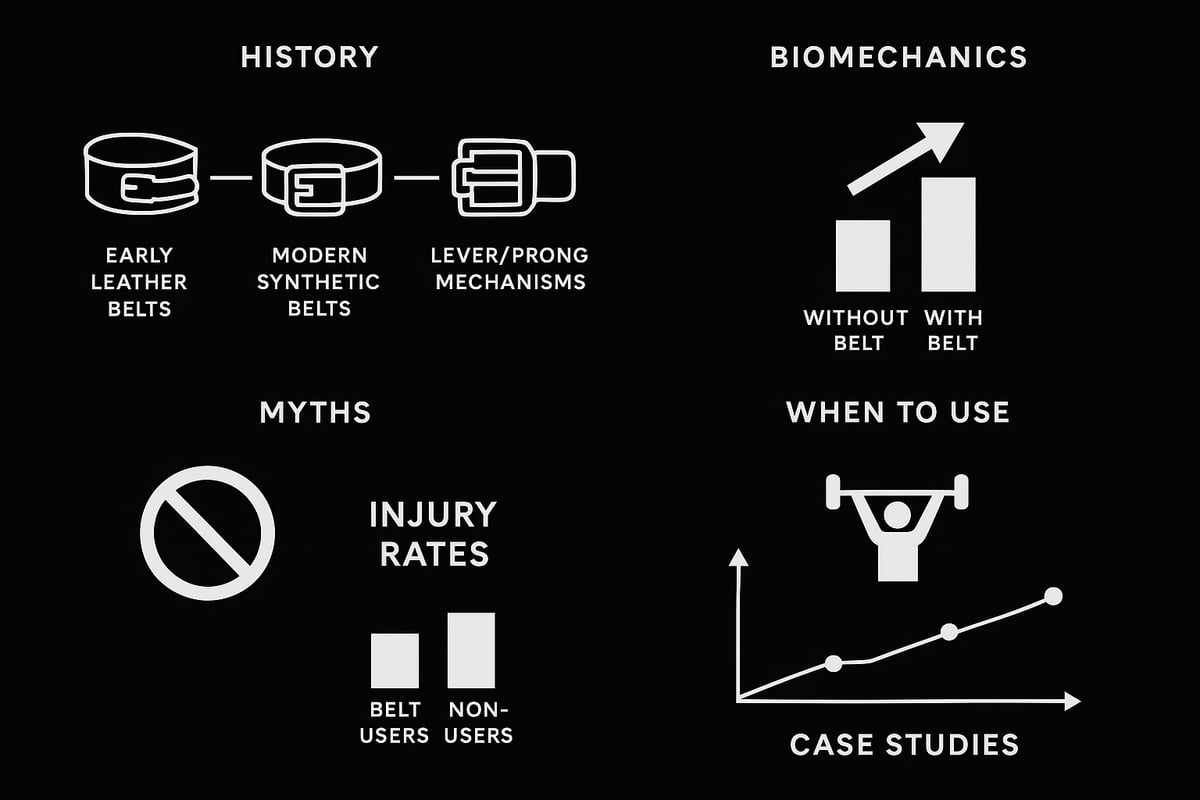
The story of the weightlifting belt purpose begins in the early days of powerlifting. Early belts were thick, stiff leather with a single prong, built for raw support. As lifting grew mainstream, synthetic materials entered the scene, offering lighter, more flexible options. By 2026, lifters can choose from lever or double-prong closures, smart belts with sensors, and eco-friendly materials.
Modern belts are now tailored for specific lifts and body types. Powerlifters favor thick, uniform belts for maximum stability. Olympic lifters opt for tapered belts, balancing support and mobility. These innovations reflect the shifting weightlifting belt purpose: not just support, but optimized performance and injury prevention.
Biomechanics and Core Stability
At its core, the weightlifting belt purpose is to increase intra-abdominal pressure (IAP). When worn correctly, a belt can boost IAP by 20 to 40 percent. This pressure acts like an internal brace, supporting the spine during heavy lifts. Recent research, including the Effect of weightlifting belts on lumbar biomechanics, shows that belts enhance spinal stability and can reduce load on the lower back during squats and deadlifts.
A belt also serves as a tactile cue for proper bracing. It reminds lifters to engage their core before moving a heavy load. This combination of mechanical and neurological support is central to the weightlifting belt purpose for both elite athletes and casual gym-goers.
Myths vs. Facts
One common myth is that the weightlifting belt purpose is to replace core strength. In reality, EMG studies show that wearing a belt does not weaken core muscles. Instead, belts allow lifters to produce higher forces while maintaining good form.
Belts are not magic. They do not prevent all injuries or compensate for poor technique. The weightlifting belt purpose is to assist, not replace, proper lifting habits. Understanding these facts helps lifters use belts as tools, not crutches.
When a Belt is Actually Needed
The weightlifting belt purpose is most relevant for heavy compound lifts, such as squats, deadlifts, and overhead presses. Experts agree that belts provide measurable benefits when lifting at or above 80 percent of your one-rep max (1RM). For accessory movements or lighter loads, a belt offers minimal advantage.
Strength coaches and physical therapists recommend using a belt only when the risk and intensity justify it. This approach ensures the weightlifting belt purpose remains focused on safety and performance, not habit or appearance.
Real-World Examples
Elite lifters often demonstrate the weightlifting belt purpose in action. Case studies reveal that athletes lifting near their max see improved stability and higher personal records with a belt. In competitive powerlifting, injury rates are consistently lower among regular belt users compared to non-users.
| Scenario | Belt Used | PR Increase | Injury Rate |
|---|---|---|---|
| Elite Powerlifter | Yes | +5-10% | Lower |
| Competitive Olympic Lifter | Yes | +3-5% | Lower |
| Recreational Gym-Goer | No | Neutral | Higher |
These real-world outcomes highlight that the weightlifting belt purpose is both practical and evidence-based.
Types of Weightlifting Belts and Their Unique Purposes
Choosing the right weightlifting belt purpose is crucial for every athlete, whether you're chasing a new personal record or just seeking better support in your workouts. In 2026, the variety of belt types reflects the evolving needs of lifters across disciplines. Let's break down each category to help you match your training with the right option.
Powerlifting Belts
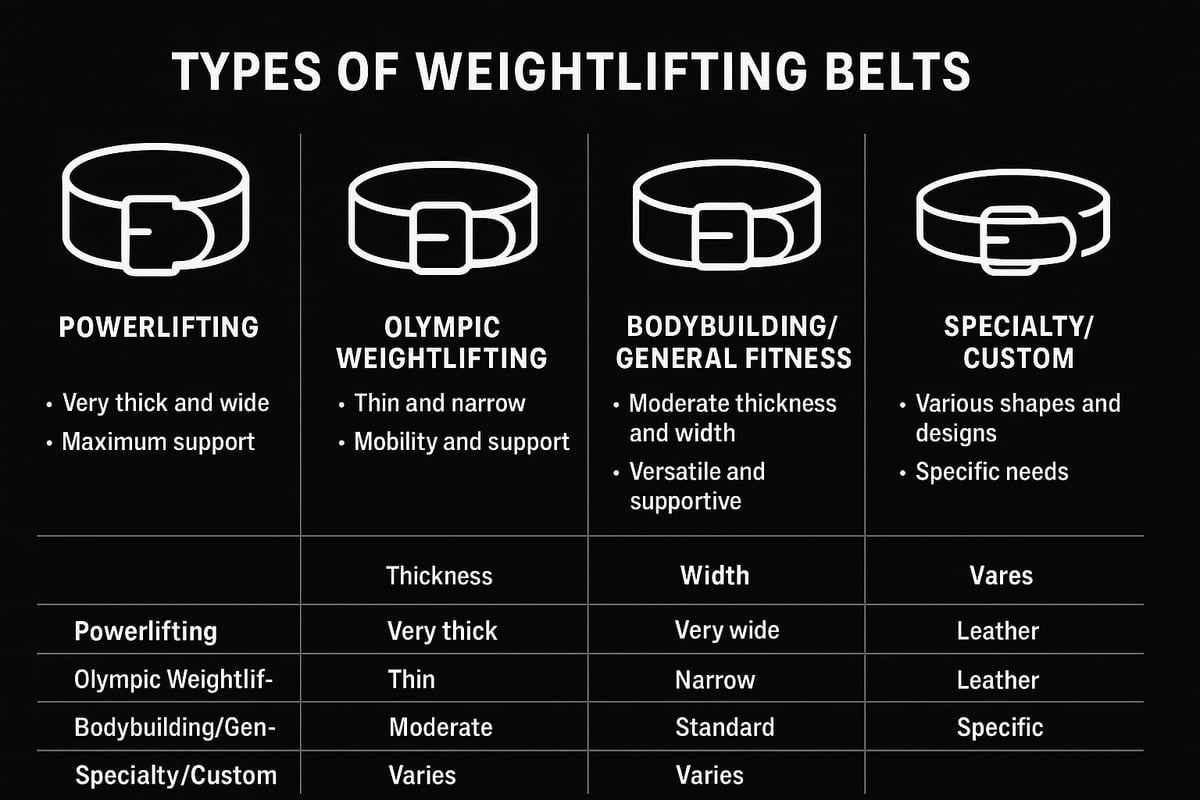
A powerlifting belt is engineered for maximum core stability under heavy loads. Typically, these belts are 10mm to 13mm thick and stay the same width (usually 4 inches) all around, offering even pressure. Common fasteners include lever and double prong systems, with many meeting IPF standards for competition.
The main weightlifting belt purpose here is to help lifters brace their core effectively during squats, deadlifts, and bench presses. The extra support allows for safer and more powerful lifts at higher intensities.
Powerlifters rely on these belts when performing lifts at or above 80 percent of their one rep max. Proper use can help reduce the risk of spinal injuries and enhance force transfer during the heaviest sets.
Olympic Weightlifting Belts
Olympic weightlifting belts are designed with a tapered shape: wider at the back for support, narrower at the front for freedom of movement. This design is essential for the dynamic lifts in Olympic lifting, such as the clean and jerk or snatch.
The primary weightlifting belt purpose in this context is balancing support and mobility. These belts are usually made of softer leather or synthetic materials, prioritizing flexibility without sacrificing core stability.
Olympic lifters need to move quickly and deeply, so their belts must not restrict motion. The right belt can help maintain form during explosive lifts, supporting the spine through rapid changes in movement.
Bodybuilding and General Fitness Belts
For bodybuilders and general gym-goers, belts are lighter, contoured, and often come in more aesthetic designs. These belts focus on comfort during higher-rep training, accessory work, and moderate-weight lifts.
Here, the weightlifting belt purpose is about offering just enough support to protect the lower back during repetitive movements, without being bulky or restrictive. Many choose contoured or padded options that fit comfortably around the waist.
These belts are ideal for those who want support during exercises like bent-over rows, lunges, or cable work, where heavy bracing is less critical but some assistance is still beneficial.
Specialty and Custom Belts in 2026
The landscape of weightlifting belts is rapidly evolving. In 2026, specialty belts feature innovations like integrated smart sensors for tracking intra-abdominal pressure, eco-friendly vegan leather, and antimicrobial linings.
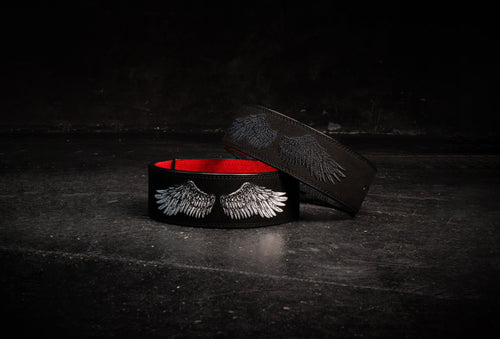
Limited edition releases and custom designs are increasingly popular, letting lifters express their personality while supporting their performance. The weightlifting belt purpose here extends beyond function, blending technology, sustainability, and style.
These belts cater to lifters seeking the latest advancements or those with unique needs, such as adaptive fits or smart feedback for technique improvement.
How to Choose the Right Belt for Your Goals
Selecting the best belt comes down to your training style, lifts, and body shape. Start by considering the main weightlifting belt purpose for your routine: do you need maximal support for heavy squats, or flexibility for Olympic lifts?
Proper sizing is essential. Measure around your waist at the navel for an accurate fit. A belt that's too loose or tight can compromise safety and effectiveness.
To help, here's a quick comparison:
| Belt Type | Best For | Support | Mobility | Typical Thickness |
|---|---|---|---|---|
| Powerlifting | Squat, Deadlift, Bench | High | Low | 10-13mm |
| Olympic Weightlifting | Clean & Jerk, Snatch | Medium | High | 6-10mm |
| Bodybuilding/Fitness | Accessory, High-Rep Work | Low | High | 4-6mm |
| Specialty/Custom | Tech, Eco, Custom Fit | Varies | Varies | Varies |
For more detailed reviews and help matching belt types to your goals, check out the Best Weightlifting Belts Reviewed.
Ultimately, the right weightlifting belt purpose is the one that aligns with your specific lifts, body, and training ambitions. Take the time to assess your needs before making a choice.
How and When to Use a Weightlifting Belt: Step-by-Step Guide
Using a weightlifting belt effectively can make a significant difference in your performance and safety. This step-by-step guide will help you understand the real weightlifting belt purpose, from deciding when to wear one to keeping it in top condition.
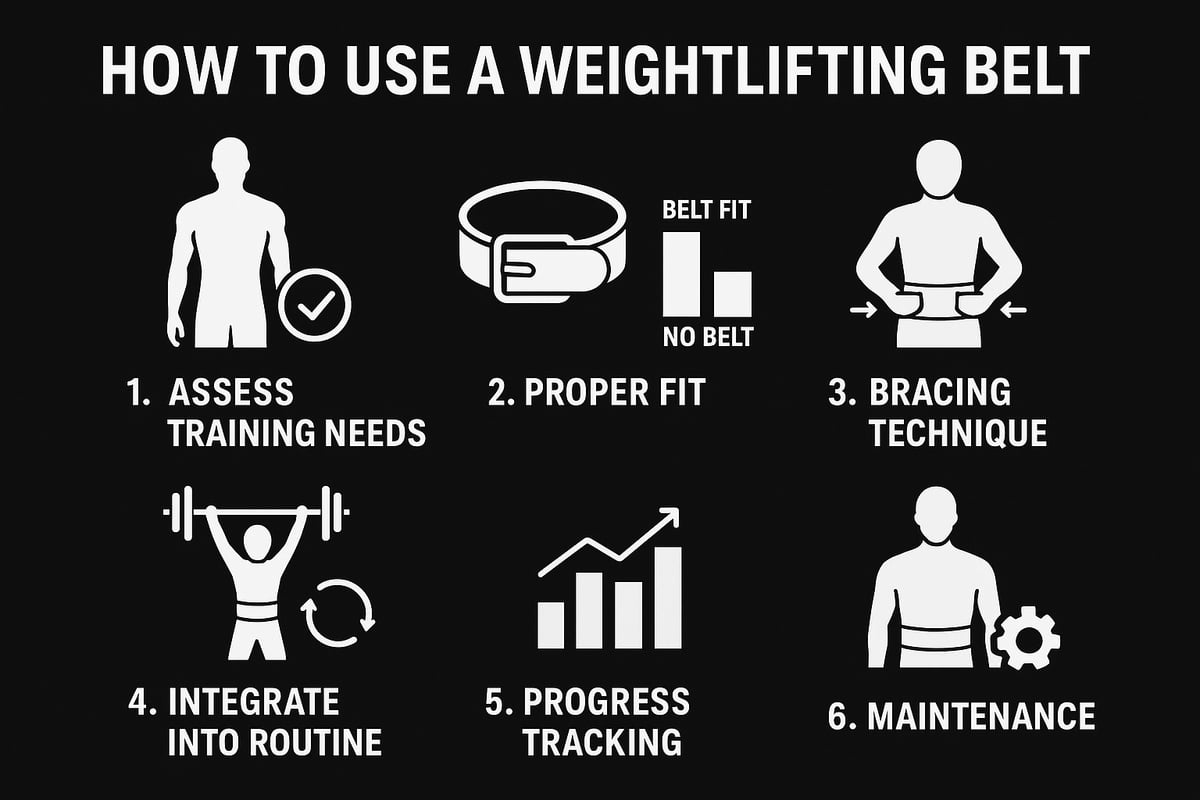
Step 1: Assessing Your Training Needs
Before reaching for a belt, ask yourself why you might need one. The weightlifting belt purpose is to enhance core support and stability during high-intensity lifts. Not every exercise demands a belt, so pinpoint the lifts and loads where extra support will truly benefit you.
Focus on heavy compound movements like squats, deadlifts, and overhead presses. These lifts place greater demand on your trunk and lower back. Most experts recommend wearing a belt when working at or above 80 percent of your one-rep max.
Consider your goals. Are you prioritizing performance, safety, or both? Understanding the weightlifting belt purpose in your unique context will help you decide when it is most effective.
Step 2: Proper Belt Placement and Fit
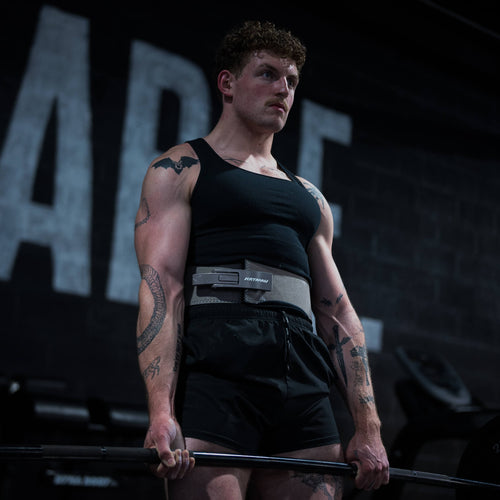
Getting the fit right is critical for maximizing the weightlifting belt purpose. Position the belt above your hips and below your ribcage, ensuring it covers your lower back and abdominal area.
Tighten the belt so it feels snug but not restrictive. You should be able to take a deep breath and brace your core without discomfort. The right fit supports your spine without impeding movement.
Common mistakes include wearing the belt too high, too low, or too loose. For a deeper look at how different belt designs impact fit and effectiveness, see this Biomechanical assessment of lifting belt styles.
Step 3: Bracing Technique with a Belt
A belt is only as effective as your bracing technique. Before each lift, practice diaphragmatic breathing—inhale deeply into your belly, not your chest. Press your core out against the belt to create intra-abdominal pressure.
It is best to master bracing without a belt first. Once you add the belt, focus on maintaining the same core engagement. This approach ensures the weightlifting belt purpose is fully realized, supporting your spine while you lift.
Step 4: Integrating Belt Use Into Your Routine
Do not wear your belt for every exercise. Save it for your heaviest sets or when attempting new personal bests. This strategy helps you avoid over-reliance and encourages natural core strength development.
Put the belt on just before your working sets. Remove it during warm-ups and accessory movements. This balanced approach allows you to benefit from the weightlifting belt purpose without sacrificing long-term progress.
Step 5: Progress Tracking and Adjustments
Track your performance and injury rates over time. Use a simple log to note when you wear your belt, what weights you lift, and how you feel during and after sessions.
If you notice steady progress and fewer aches, your weightlifting belt purpose is being met. As you get stronger, reassess how often you need the belt. Adjust your usage to align with evolving goals and capabilities.
Step 6: Belt Care and Maintenance
Proper care extends the life of your belt. Wipe it down after workouts, store it flat in a cool, dry place, and avoid over-tightening the buckle.
Check for signs of wear like cracks, fraying, or loose stitching. Replace your belt if it no longer offers firm support. Remember, a well-maintained belt continues to serve its weightlifting belt purpose, keeping you safe and strong for years to come.
Weightlifting Belts in 2026: Trends, Innovations, and Market Insights
In 2026, the landscape of weightlifting belts is evolving at a rapid pace. Whether you are a competitive athlete or a recreational lifter, understanding the weightlifting belt purpose is crucial for making informed decisions. Let’s explore the latest innovations, market trends, and what sets this year apart for lifters everywhere.
Advances in Materials and Technology
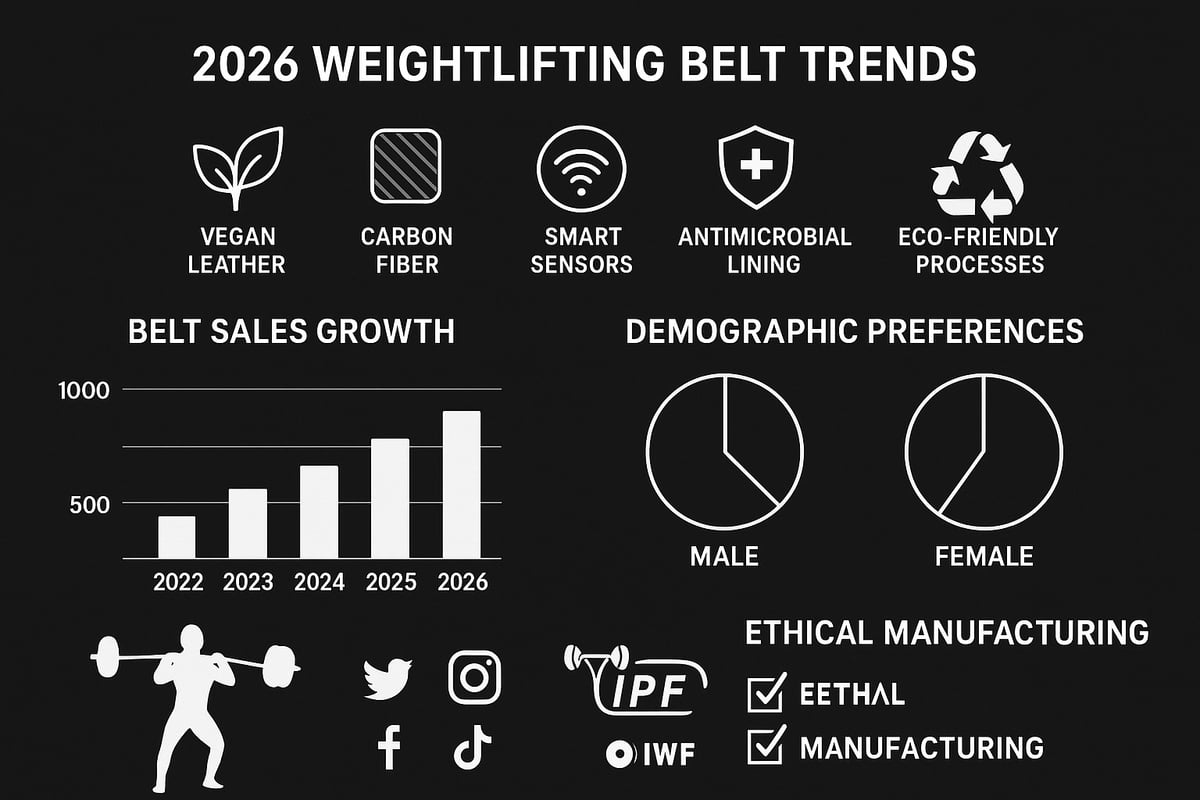
The weightlifting belt purpose has expanded with new materials and tech. Vegan leather and carbon fiber are now standard, providing both durability and style. Many belts feature antimicrobial linings, helping lifters stay fresh during intense sessions.
Smart belts are a standout trend. Integrated sensors track intra-abdominal pressure and lifting form in real time. These innovations give lifters feedback on their technique, making the weightlifting belt purpose more dynamic than ever.
Style and Customization
Personalization is at the forefront in 2026. Custom graphics, colorways, and athlete-inspired designs let lifters showcase their personality. Limited-edition drops and collaborations with influencers have made belts a statement piece.
Social media drives much of this change. The weightlifting belt purpose is now about both function and self-expression. Lifters can match their belts to their favorite gym outfits or represent their teams with pride.
Market Data and Consumer Preferences
The market for belts is booming. Between 2025 and 2026, sales have soared, with more lifters across all ages and genders seeking the right belt for their needs. According to the Weightlifting belt market size and growth forecast, the industry is set for continued expansion through 2033.
Popular belt types vary by demographic. Younger lifters often prefer smart or eco-friendly belts, while experienced athletes stick with tried-and-true leather. Understanding the weightlifting belt purpose is key for both groups when making a purchase.
Regulatory and Competitive Landscape
Governing bodies like IPF, USAPL, and IWF have updated their standards for 2026. Only certain materials and designs are allowed in competition, adding another layer to the weightlifting belt purpose.
Top brands are innovating rapidly, while new entrants bring fresh ideas. Competition is fierce, which benefits consumers with more options, better quality, and higher safety standards.
Sustainability and Ethical Manufacturing
Eco-friendly production is now a major focus. Brands use recycled materials, low-impact dyes, and ethical labor practices. This shift aligns with a broader understanding of the weightlifting belt purpose—supporting lifters while caring for the planet.
Consumers demand transparency. Belt makers are responding with certifications and clear sourcing information. For many, the weightlifting belt purpose now includes environmental responsibility as an essential factor.
Common Mistakes and Misconceptions About Weightlifting Belts
Many lifters misunderstand the weightlifting belt purpose, leading to mistakes that can stall progress or even increase injury risk. Let us uncover the most common misconceptions so you can use your belt more effectively and safely.
Overusing the Belt
One of the biggest misconceptions about the weightlifting belt purpose is thinking it should be worn for every exercise. Overreliance on a belt during all lifts, even light accessory work, can reduce natural core development. The core muscles need to work independently to stabilize the spine during basic movements. If you use a belt too often, your body may not learn to brace properly without support. Save your belt for heavy compound lifts or near-maximal efforts to preserve your core strength.
Misunderstanding Belt Fit and Sizing
Another frequent mistake is using an incorrectly sized belt, which undermines the weightlifting belt purpose. A belt that is too loose offers little support, while one that's too tight restricts breathing and movement. Studies estimate over 40% of lifters wear the wrong belt size. To ensure proper fit, measure your waist where the belt will sit, not your pant size. Check that you can brace your core fully and take a deep breath without discomfort. Proper sizing is crucial for safety and performance.
Believing Belts Prevent All Injuries
Some believe a belt is a magic shield, but this exaggerates the weightlifting belt purpose. While belts can help stabilize the spine and reduce injury risk during heavy lifts, they do not eliminate all dangers. Good form and gradual progression remain essential. For example, a recent study on deadlift kinematics found that while belts and straps can alter movement patterns and perceived exertion, they do not guarantee injury prevention. Always prioritize technique over gear.
Wearing the Belt Incorrectly
Wearing a belt too high, too low, or at the wrong tightness can defeat the weightlifting belt purpose. Placing the belt above the ribcage or too far down the hips limits its effectiveness. Overtightening restricts breathing, while a loose belt slips during lifts. Common mistakes include wearing the belt for the entire workout or not adjusting between exercises. These errors not only reduce support but can also lead to performance drops and discomfort. Practice correct placement and fit for best results.
Ignoring Individual Needs
Assuming one belt fits all ignores the personalized aspect of the weightlifting belt purpose. Factors like gender, body shape, and training goals affect what type and size of belt works best. For example, women may need different contours for comfort and support; see this guide on Weight Training Belts for Women for more tips. Beginners, experienced lifters, and those with unique body types benefit from tailored belt choices. Always assess your needs before investing in a belt.
Expert Recommendations: Who Should Use a Weightlifting Belt?
Choosing whether to use a lifting belt is not as simple as following the crowd. The weightlifting belt purpose varies based on your goals, the type of training you do, and your unique body. Here’s what the experts say about who truly benefits from this essential piece of gear.
Strength Athletes and Powerlifters
For competitive strength athletes, understanding the weightlifting belt purpose is crucial. Powerlifters, strongman competitors, and Olympic lifters often use belts to meet federation standards and maximize intra-abdominal pressure during maximal lifts.
Surveys show that over 90% of powerlifters use belts in competition, as they provide measurable support for heavy squats, deadlifts, and bench presses. The belt helps stabilize the core under near-maximal loads, offering both performance and safety benefits.
Recreational Lifters and Gym-Goers
If you lift for general fitness, the weightlifting belt purpose shifts slightly. Belts can add value during intense compound lifts, but they are not necessary for every gym session.
Experts advise using a belt only when approaching 80% or more of your one-rep max. For lighter training, focus on developing natural core strength. This balance promotes safety without sacrificing long-term progress or comfort.
Special Populations
Beginners, older adults, and those recovering from injury should consider the weightlifting belt purpose with extra care. Physical therapists and coaches often recommend belts for added support when form is consistent but loads become challenging.
However, relying solely on a belt may not address underlying weaknesses. Always consult with a professional before adding a belt to your routine, especially if you have a history of back or abdominal injuries.
Alternatives and Complementary Gear
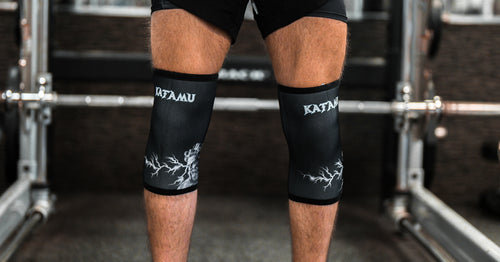
Sometimes, the best support comes from combining tools. When a belt is not suitable, or you need extra grip or joint stability, consider alternatives like knee sleeves or Choosing Good Wrist Straps. These accessories can complement the weightlifting belt purpose, especially for accessory lifts or when focusing on different muscle groups.
Layering gear strategically helps customize support based on the specific demands of each lift.
Personalized Approach
No two lifters are the same. Evaluating the weightlifting belt purpose in your training means considering your goals, experience, and body type. Use this quick checklist:
| Question | Yes | No |
|---|---|---|
| Are you lifting 80%+ of your 1RM often? | ||
| Do you compete in strength sports? | ||
| Have you mastered bracing technique? | ||
| Are you recovering from an injury? |
If you answered yes to any, a belt may be worthwhile. Remember, the right choice supports your journey and keeps you progressing safely.
Now that you know the real science and purpose behind weightlifting belts, it’s clear how much of a difference the right gear can make for your training and safety. Whether you’re pushing for a new personal best or just want to protect your back during heavy lifts, having reliable equipment is key. At Katamu, we’ve got premium lever belts built to last and designed to look great in and out of the gym—so you can focus on making progress. If you’re ready to upgrade your setup, Build your setup with us and feel the difference next time you train.
