 30-Day Money Back Guarantee

Ready to break through your limits in 2026? The right weight training straps can help you lift heavier, train safer, and push for new personal records. In this guide, you will discover the 7 essential weight training straps that offer maximum support, comfort, and performance for every type of lifter. Whether you are a powerlifter, bodybuilder, or just love hitting the gym, you will find expert recommendations and comparisons to help you choose the perfect pair. Unlock your potential and take your workouts to the next level.
Why Weight Training Straps Matter in 2026
If you want to push your limits in the gym, weight training straps are a game changer in 2026. Whether you are chasing a new deadlift PR or simply looking to protect your wrists, understanding why these straps matter will help you train smarter and safer.
Enhanced Grip Strength and Safety
Weight training straps have become essential for anyone serious about lifting heavy. One of their biggest advantages is helping you overcome grip fatigue, which often limits your performance before your target muscles do. Recent studies reveal that using straps can boost deadlift capacity by up to 20 percent, a significant edge for both beginners and elite athletes.
When your grip starts to fail, your form can suffer, increasing the risk of wrist or forearm injuries. Weight training straps offer a secure hold, allowing you to focus on your lift rather than worrying about losing the bar. In competitive lifting, athletes rely on straps to achieve maximal pulls while reducing the chance of strain-related injuries.
For a deeper look at how straps impact performance, check out this ergogenic effects of lifting straps on deadlift performance study. The research shows that straps not only improve grip security but also help maintain movement velocity and reduce perceived exertion. This means you can lift heavier, longer, and with greater confidence.
If you are just starting out, or if you are an advanced lifter, weight training straps provide a layer of safety and support that is hard to match with raw grip alone.
Evolution of Strap Technology
The technology behind weight training straps has evolved rapidly. In 2026, you will find straps crafted from premium materials such as neoprene, reinforced cotton, and innovative leather hybrids. These materials are designed to maximize durability and comfort, ensuring that your straps last through countless sessions.
Brands are now focusing on ergonomic designs, offering adjustable lengths and contoured padding to fit a wide variety of wrist shapes. This adjustability makes it easier to find a strap that feels custom-made for you. Another trend is the rise of eco-friendly materials and sustainable production methods, making it possible to support your lifts and the environment at the same time.
Compared to straps from just a few years ago, today's weight training straps are lighter, stronger, and more comfortable. They also feature improved stitching, quick-release mechanisms, and non-slip coatings, providing both safety and convenience. This new generation of straps reflects feedback from both everyday gymgoers and elite athletes, ensuring that every detail is fine-tuned for performance.
Key Considerations When Choosing Straps
Finding the right weight training straps comes down to a few key factors. Comfort is crucial, especially during long sessions or heavy sets. Look for straps with soft padding and breathable materials to prevent chafing. Durability matters too, so check for reinforced stitching and high-quality fabrics.
Adjustability is important for getting a secure fit, and you will want straps that are compatible with the lifts you do most often. For example, powerlifters often prefer figure-8 or heavy-duty cotton straps, while CrossFit athletes may opt for quick-release designs. Coaches and elite athletes suggest matching your strap type to your training goals for maximum benefit.
Take time to try different styles and read expert recommendations before you buy. The right weight training straps should feel like an extension of your grip, giving you confidence and support every time you step up to the bar.
7 Essential Weight Training Straps for Maximum Support 2026
Choosing the right weight training straps can completely transform your lifting experience. Whether you are pushing for a new personal record or looking for better wrist support, the right strap can be a game changer.
With so many options available in 2026, it is crucial to find straps that suit your goals, grip style, and comfort preferences. Below, you will find seven top-rated weight training straps for every type of athlete, from powerlifters to everyday gym enthusiasts.
Katamu Lifting Straps
Katamu Lifting Straps stand out in the weight training straps market for their premium cotton construction and commitment to both durability and comfort. These straps are designed to support heavy lifts while also offering a unique style with limited-edition drops.
- Pricing: Varies, generally mid to upper range.
- Material: Premium, reinforced cotton.
- Warranty: 1-year warranty, 30-day money-back guarantee.
- Design: Stylish, with various limited-edition patterns.
- Target Audience: Gymgoers, powerlifters, fitness enthusiasts.
Pros:
- Long-lasting and built for repeated heavy use.
- Excellent grip support for deadlifts and pulls.
- Eye-catching designs for lifters who value personal style.
Cons:
- Fewer colorway options compared to some brands.
Katamu’s weight training straps are ideal for heavy lifts, deadlifts, and general strength training. If you want to explore more about how to select the right wrist straps, check out this Best wrist straps guide.
Rogue Fitness Ohio Lifting Straps
The Rogue Fitness Ohio Lifting Straps are a staple among weight training straps, trusted by professional strength athletes worldwide. Known for their affordability and reliable construction, these straps are a favorite in both training and competitive environments.
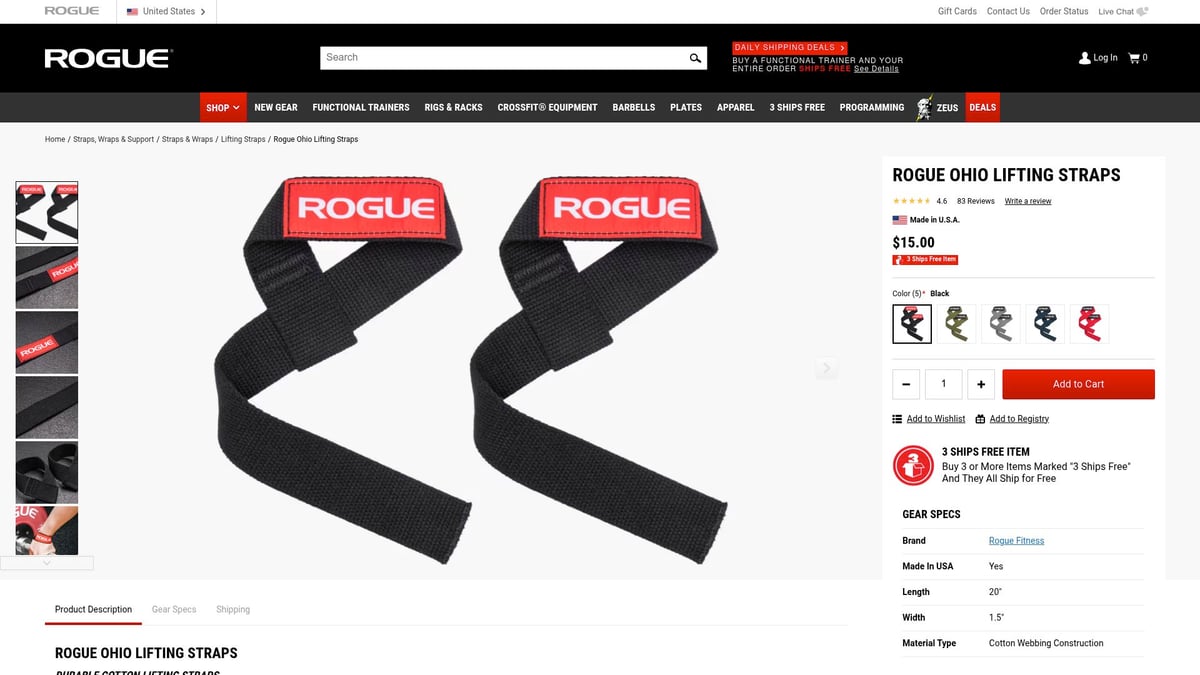
- Pricing: Around $15 to $20.
- Material: Heavy-duty cotton webbing.
- Stitching: Reinforced for longevity.
- Design: Basic and straightforward.
- Best For: Deadlifts, rows, Olympic lifts.
Pros:
- Budget-friendly without compromising quality.
- Widely used in competitions.
- Simple to use and easy to break in.
Cons:
- No extra padding for wrist comfort.
- Minimalist design may not appeal to everyone.
If you need weight training straps for foundational lifts and want a proven track record, Rogue’s Ohio straps are a reliable pick.
Harbinger Padded Cotton Lifting Straps
Harbinger’s Padded Cotton Lifting Straps are perfect for those prioritizing comfort during high-volume sessions. Their extra padding provides crucial wrist support, making them an excellent choice for extended workouts.
- Pricing: Around $12 to $18.
- Material: Wide cotton with added wrist padding.
- Design: Increased surface area for better grip.
- Target Audience: Beginners, intermediates, volume trainers.
Pros:
- Comfortable for long lifting sessions.
- Budget-friendly for those just starting out.
- Extra padding reduces wrist fatigue.
Cons:
- Padding may wear down with heavy, repeated use.
- Slightly bulkier feel than minimalist straps.
These weight training straps are especially helpful for lifters building volume and focusing on muscle isolation without sacrificing wrist health.
IronMind Strong-Enough Lifting Straps
IronMind’s Strong-Enough Lifting Straps are legendary in the world of strength sports. Made from proprietary webbing, these weight training straps are used in elite competitions like World’s Strongest Man.
- Pricing: About $18 to $22.
- Material: IronMind proprietary webbing.
- Durability: Designed for extreme loads.
- Best For: Strongman training, maximal lifts.
Pros:
- Incredibly durable and trusted by top athletes.
- Withstand the heaviest lifts with ease.
- Minimal wear even after extended use.
Cons:
- Less comfortable for smaller wrists due to material thickness.
- May require a break-in period.
If your weight training straps need to handle maximal weights, IronMind’s offering is a proven, competition-ready solution.
Gymreapers Figure 8 Lifting Straps
Figure 8 straps have become increasingly popular among powerlifters and strongman competitors. Gymreapers’ Figure 8 Lifting Straps are designed for maximum wrist security and efficiency during heavy deadlifts.
- Pricing: Around $24 to $28.
- Material: Heavy-duty cotton with reinforced stitching.
- Design: Figure 8 loop for secure attachment.
- Best For: Deadlifts, heavy pulls.
Pros:
- Simple to use and quick to set up.
- Exceptional support for maximal pulling movements.
- Very secure, reducing the chance of slippage.
Cons:
- Not as versatile for other lifts.
- May feel restrictive during dynamic movements.
For those who focus on heavy deadlifts, these weight training straps offer unparalleled grip security.
Bear KompleX 2-Hole Lifting Straps
Bear KompleX brings innovation to weight training straps with their 2-Hole Lifting Straps. The unique design delivers enhanced wrist stability and ergonomic comfort, especially for functional fitness athletes.
- Pricing: Approximately $20 to $25.
- Material: Neoprene padding, durable construction.
- Design: 2-hole structure for secure fit.
- Best For: CrossFit, functional training.
Pros:
- Secure fit that reduces slippage.
- Ergonomic for longer sessions and high-rep workouts.
- Neoprene padding boosts comfort.
Cons:
- Slightly more complex to put on correctly.
- Not as quick to adjust as standard straps.
These weight training straps are perfect for athletes who need reliable support during fast-paced, varied routines.
Schiek Sports Model 1000-PLS Power Lifting Straps
Schiek’s Model 1000-PLS stands out among weight training straps for its extra-wide design and patented wrist pad. Built for powerlifters, it provides maximum support and reduces wrist fatigue during the heaviest lifts.
- Pricing: About $25 to $30.
- Material: Wide strap, neoprene wrist pad.
- Design: Patented for comfort and support.
- Best For: Powerlifters, heavy weights.
Pros:
- Excellent for handling serious weight.
- Reduces wrist strain and fatigue.
- Durable, built for repeated use.
Cons:
- Bulky for those with smaller hands.
- Larger profile might get in the way for some lifts.
If you need weight training straps that provide maximum support for powerlifting, Schiek’s design is a top-tier choice.
Quick Comparison Table
| Brand | Price Range | Material | Unique Feature | Best For |
|---|---|---|---|---|
| Katamu | Mid-High | Premium Cotton | Stylish, Warranty | General, Powerlifting |
| Rogue Ohio | $15–$20 | Cotton Webbing | Competition Trusted | Deadlifts, Rows |
| Harbinger Padded | $12–$18 | Padded Cotton | Extra Comfort | High Volume, Beginners |
| IronMind Strong-Enough | $18–$22 | Proprietary Webbing | Elite Competition | Strongman, Max Lifts |
| Gymreapers Figure 8 | $24–$28 | Heavy Cotton | Figure 8 Security | Deadlifts, Pulls |
| Bear KompleX 2-Hole | $20–$25 | Neoprene, Durable | 2-Hole Ergonomics | CrossFit, Functional |
| Schiek 1000-PLS | $25–$30 | Wide, Neoprene Pad | Patented Support | Powerlifting |
With these seven weight training straps, you are equipped to make an informed decision for your training in 2026. Consider your lifting style, comfort preferences, and the type of support you need most. The right straps can help you push past plateaus and keep every session safe and productive.
How to Use Weight Training Straps Effectively
Mastering weight training straps can make a real difference in your gym routine. Using them the right way helps you lift heavier, train safer, and get the most out of every session. Let’s break down how to secure your straps, when to use them, and how to keep them in top shape.
Proper Wrapping Techniques
Securing weight training straps correctly is the first step to effective lifting. Start by threading one end of the strap through the loop, creating a snug fit around your wrist. The strap should lay flat, with no twists.
Next, place your hand over the barbell or dumbbell and wrap the free end of the strap under and around the bar. Pull tight so the strap and bar are connected, but not cutting off circulation. Grip the bar normally to lock everything in place.
Common mistakes to avoid:
- Twisting the strap, which reduces grip.
- Wrapping too loosely, leading to slippage.
- Not centering the strap on your wrist.
For quick setup during high-intensity sets, practice wrapping both hands efficiently. With experience, you’ll secure your weight training straps in seconds, staying focused on your lifts.
When to Use Straps vs. Raw Grip
Weight training straps are best used for heavy lifts, high-rep sets, or when grip fatigue limits your performance. Deadlifts, rows, and shrugs are classic moves where straps shine. However, relying on straps for every set can weaken your natural grip over time.
To keep your grip strength high, alternate between strap-assisted and raw grip training. Use straps for maximal lifts, but perform warmups and accessory work without them to maintain a solid foundation. Many trainers recommend this balance for optimal progress.
If you’re looking for the best options for deadlifts, check out these deadlift straps recommendations to find a strap that fits your goals and preferences.
Maintenance and Longevity
Caring for your weight training straps keeps them safe and effective. Clean cotton or neoprene straps by hand washing in mild soap and water, then air dry completely. Leather straps may need special cleaners and conditioners.
Inspect straps regularly for fraying, tears, or loss of elasticity. Replace them if you spot damage that could compromise safety. Store your straps in a cool, dry place, away from direct sunlight or moisture.
Quick care tips:
| Task | Frequency | Tip |
|---|---|---|
| Cleaning | Every 2–4 weeks | Hand wash, air dry |
| Inspection | Before each use | Check for wear, fraying |
| Storage | After each use | Keep dry, avoid sunlight |
With regular care, your weight training straps can deliver reliable support for years, making every lift safer and stronger.
Training Goals and Strap Selection: Matching the Right Strap to Your Workout
Selecting the ideal weight training straps is all about aligning your gear with your specific training goals. The right strap can make a noticeable difference in safety, performance, and comfort. Whether you train for power, muscle, versatility, or general health, knowing which straps to choose can maximize every session.
Powerlifting and Maximal Strength
Powerlifters and those chasing maximal strength need weight training straps that can handle the highest loads without slipping. Figure 8 straps and heavy-duty cotton straps are the top picks here. Their secure fit ensures the bar stays locked in, even during record-setting deadlifts or pulls.
For example, many competitors in strongman events rely on figure 8 straps for their unmatched grip security. Research supports these benefits, showing that lifting straps can help increase deadlift performance, especially for female athletes. See the effect of lifting straps on deadlift performance in females for more details.
If you focus on breaking PRs and want confidence during heavy sets, these straps are your go-to choice.
Bodybuilding and High Volume
Bodybuilders and high-volume lifters benefit most from padded cotton or ergonomic weight training straps. These straps prioritize comfort, letting you push through longer sessions and higher rep ranges without wrist pain. The extra padding helps prevent chafing and fatigue during repeated pulling movements.
Using the right weight training straps can help isolate target muscles by removing grip fatigue from the equation. This means you can truly exhaust your back, hamstrings, or other pulling muscles while maintaining proper form. Many bodybuilding programs recommend rotating straps in for high-volume sets to maximize muscle growth and minimize injury risk.
Choose padded cotton or ergonomic straps for the best blend of grip and comfort during hypertrophy-focused training.
CrossFit and Functional Fitness
For CrossFit and functional athletes, versatility and quick-release features are key when picking weight training straps. Workouts often include high-rep Olympic lifts and circuit-style training, so you need straps that are easy to adjust and remove between movements.
Straps with a lasso or 2-hole design offer a secure fit while allowing for rapid transitions. Ergonomic shapes and padded materials help reduce slippage and wrist strain, even during fast-paced WODs. Many CrossFitters prefer straps that balance security with quick on-and-off capability, so they can move efficiently between exercises.
If your training involves a mix of lifts and fast circuits, look for straps engineered for speed and adaptability.
General Fitness and Everyday Gymgoers
Everyday gymgoers need weight training straps that are all-purpose and easy to use. All-purpose straps work well for a variety of lifts, from basic deadlifts to rows and pullups. The focus here is on balance—supporting heavier lifts when needed, but not at the expense of developing grip strength.
When choosing your straps, consider comfort, adjustability, and durability. Materials matter, so check out gear specifications and materials to understand what works best for your needs and goals. For most, a simple cotton or lightly padded strap provides enough support for general use.
Pick a versatile strap that fits your hand, supports your lifts, and complements your overall fitness routine.
Frequently Asked Questions About Weight Training Straps
Have questions about weight training straps? You’re not alone. Below, we answer the most common queries to help you get the most from your gear and training sessions.
Are straps allowed in competitions?
Rules for weight training straps depend on the sport. In most powerlifting federations, straps are not allowed during official lifts. However, strongman events often permit them, especially for max deadlifts and carries. CrossFit competitions typically ban straps to test pure grip strength.
Before competing, always check the event’s equipment guidelines. Proper use of weight training straps in training can improve your grip and safety, but for competitions, follow the specific rules. For more on safe lifting practices, visit Safety measures in weightlifting: Preventing common injuries.
How do I know when to replace my straps?
Inspect your weight training straps regularly for fraying, loosened stitching, or loss of grip. If you notice any tears, stretching, or weakened fabric, it’s time for a replacement. Using compromised straps increases your risk of injury and can lead to accidents during heavy lifts.
A good rule is to check your straps every few months, especially if you train frequently. Keeping your weight training straps in top condition ensures consistent performance and safety.
Can straps cause dependency or weaken grip?
Many lifters worry that constant use of weight training straps could weaken their natural grip. Research suggests using straps strategically—mainly for heavy sets or when grip is a limiting factor—minimizes this risk. Trainers recommend mixing raw grip work with strap-assisted lifts.
A recent study on deadlift kinematics found that straps can help with heavier loads but should not replace all grip training. Balancing both methods keeps your grip strong while boosting your lifting capacity.
Are there alternatives to straps for grip support?
Besides weight training straps, lifters often use chalk, gloves, or grip trainers. Chalk improves friction and is popular in both powerlifting and CrossFit. Gloves protect the skin but sometimes reduce bar feel. Grip trainers help build finger and forearm strength for a more natural hold.
Choosing the right tool depends on your goals and training environment. For some, combining chalk with weight training straps gives the best results, while others prefer rotating between options.
What’s the difference between loop, figure-8, and lasso straps?
Different types of weight training straps serve unique purposes. Here’s a quick comparison:
| Strap Type | Best For | Pros | Cons |
|---|---|---|---|
| Loop | Versatile lifts | Simple, fast setup | Less secure |
| Figure-8 | Max deadlifts | Maximum security | Less versatile |
| Lasso | General training | Adjustable fit | Takes longer to wrap |
Loop straps are great for quick sessions, figure-8 straps shine in heavy deadlifts, and lasso straps offer a snug, customizable fit. Match your strap to your training style for the best support.
We’ve just covered the key features and benefits of the best weight training straps out there, so now it’s your turn to upgrade your lifting experience. Whether you’re chasing bigger PRs or just want every set to feel a little safer and smoother, using the right gear can make all the difference. At Katamu, you’ll find premium lifting straps and accessories designed to last for years and look great in and out of the gym. Ready to see what top quality feels like for yourself? Level up your lifts and let’s hit those new goals together!
