 30-Day Money Back Guarantee

Did you know that more athletes than ever are using a lifting belt for support and injury prevention in 2025? As fitness routines evolve and lifters aim for new personal bests, choosing the right lifting belt is essential for safety, stability, and confidence under heavy loads. This guide spotlights the top 7 lifting belts designed to boost your performance, protect your core, and keep you lifting strong. You’ll discover key benefits, features to look for, and detailed reviews to help you pick the perfect fit for your training goals. Ready to lift smarter and safer? Let’s get started.
Why Use a Lifting Belt in 2025?
Wearing a lifting belt is more than just a trend in 2025. As strength sports and functional training continue to evolve, understanding the science and best practices behind a lifting belt can make a real difference in performance and safety. Whether you are pushing for a new personal best or simply want to move with confidence, a lifting belt can be an essential tool in your training arsenal.
The Science Behind Lifting Belts
A lifting belt works by increasing intra-abdominal pressure, which stabilizes your core and spine during heavy lifts. When you brace your core against the belt, you create a more solid base for moving weight.
Recent studies have shown that a lifting belt can help reduce injury risk and boost maximal strength by providing extra support to the lower back and abdominal wall. In 2025, advancements in materials and ergonomic design are making a lifting belt even more effective, with some belts offering better fit, breathability, and pressure distribution than ever before.
Benefits for Different Types of Lifters
The beauty of a lifting belt is its versatility. Powerlifters rely on a lifting belt to stay stable during heavy squats and deadlifts. Olympic lifters use it for explosive lifts like the clean and jerk, where core stability is vital.
CrossFit athletes find a lifting belt helps them transition safely between movements, while casual gymgoers use it to build confidence and tackle heavier weights. At major competitions in 2025, athletes often credit their lifting belt for helping them break records and avoid setbacks.
Common Myths and Misconceptions
There are plenty of myths about the lifting belt. Some believe it weakens your core or is only for advanced lifters. In reality, research and expert coaches agree that using a lifting belt correctly strengthens your bracing technique and can be beneficial at all levels.
Other misconceptions include the idea that a lifting belt is a "crutch" or that it should be worn for every exercise. Experts recommend using it specifically for heavy or max-effort lifts, not for all training.
When and How to Use a Lifting Belt
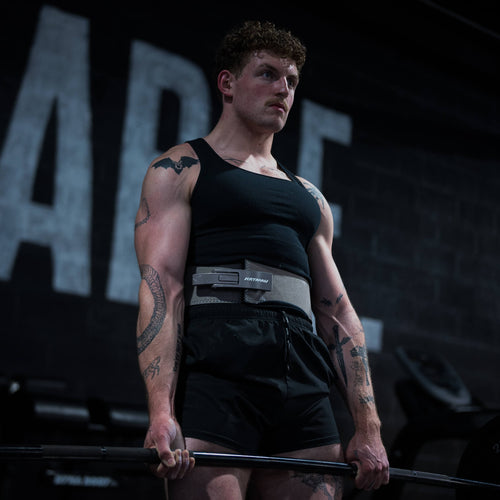
Knowing when to use your lifting belt is key. It is most effective during heavy squats, deadlifts, presses, or when attempting a max lift. For proper support, position the belt around your midsection, just above the hips, and tighten it so you can still take a deep breath and brace against it.
If you are unsure whether to use a lifting belt or straps for deadlifts, check out this Deadlift Straps vs Belts guide to see which tool fits your workout best. Remember, a lifting belt is a tool to enhance—not replace—good lifting technique and core strength.
Key Features to Consider When Choosing a Lifting Belt
Selecting the right lifting belt can make a dramatic difference in your support, comfort, and performance. With so many options available, understanding the key features will help you find the perfect match for your lifting style and goals.
Material and Construction
The material of a lifting belt plays a crucial role in its durability, comfort, and maintenance. Leather belts are known for their rigidity and long lifespan, making them ideal for heavy lifting. Nylon belts offer more flexibility and comfort, which appeals to functional fitness and CrossFit athletes. Hybrid options blend the benefits of both, providing moderate support and a lightweight feel.
| Material | Durability | Comfort | Maintenance |
|---|---|---|---|
| Leather | High | Medium | Occasional oiling |
| Nylon | Moderate | High | Easy to clean |
| Hybrid | Moderate | High | Wipe clean |
Top brands now use premium leather for classic powerlifting, while others introduce advanced nylon weaves for flexibility. Consider your training environment, as a lifting belt made from quality materials will withstand the wear and tear of daily use.
Closure Systems: Lever, Prong, and Velcro
The closure system affects how quickly you can put on or take off your lifting belt and how secure it feels during lifts. Lever buckles provide a super secure and consistent fit, perfect for powerlifting and heavy sets. Prong buckles (single or double) are traditional, adjustable, and reliable, though they take a bit longer to fasten. Velcro closures are popular for their speed and comfort, especially in circuit or CrossFit workouts.
- Lever: Fast, secure, but less adjustable mid-workout
- Prong: Adjustable, classic, slightly slower to tighten
- Velcro: Quick, comfortable, best for lighter lifting
Choose the closure that matches your needs. If you often switch between exercises, Velcro may be best. For maximum support during heavy lifts, a lever or prong lifting belt is ideal.
Belt Width, Thickness, and Sizing
Width and thickness impact how much support your lifting belt provides and how it feels during movement. Most powerlifting belts are 4 inches wide and 10mm or 13mm thick, offering maximum core stability. CrossFit and Olympic lifting belts may be narrower or thinner for greater mobility.
A proper fit is essential. Always measure your waist at your navel, not your pant size. Manufacturers provide sizing charts, so follow these closely for the best results. If you need more guidance, check out the Weightlifting Belt Sizing Advice for detailed tips on choosing the right size.
Certifications and Competition Standards
If you plan to compete, make sure your lifting belt meets federation requirements. The International Powerlifting Federation (IPF), USAPL, and other organizations have strict standards for belt width, thickness, and closure types. Many top brands clearly label their belts as competition-approved.
For a current list of approved belts and exact specifications, you can review the IPF & USAPL Approved Equipment & Gear For Competition (2025) guide. This ensures you invest in a lifting belt that is not only supportive but also compliant for the platform.
Top 7 Lifting Belt Picks for Enhanced Support in 2025
Choosing the right lifting belt in 2025 can make all the difference in your training, whether you are a powerlifter or a weekend warrior. The lifting belt market is more diverse than ever, offering innovative materials, secure closures, and stylish designs. Below, we break down the top 7 lifting belt picks, highlighting their unique strengths, target audiences, and what sets each apart in today’s evolving fitness landscape.
Katamu Core Lever Belt – Unique Designs & Premium Quality
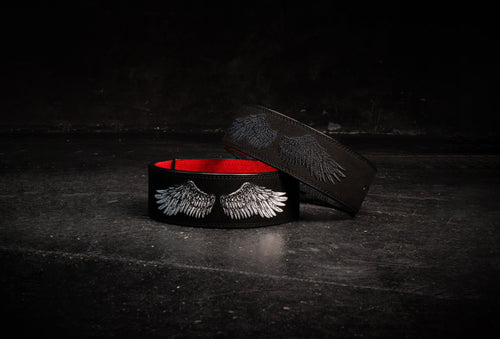
If you want a lifting belt that combines standout style and serious support, the Katamu Core Lever Belt is a top contender for 2025. Priced at $169 USD, this belt features premium leather and a robust lever buckle, bringing both function and fashion to the squat rack.
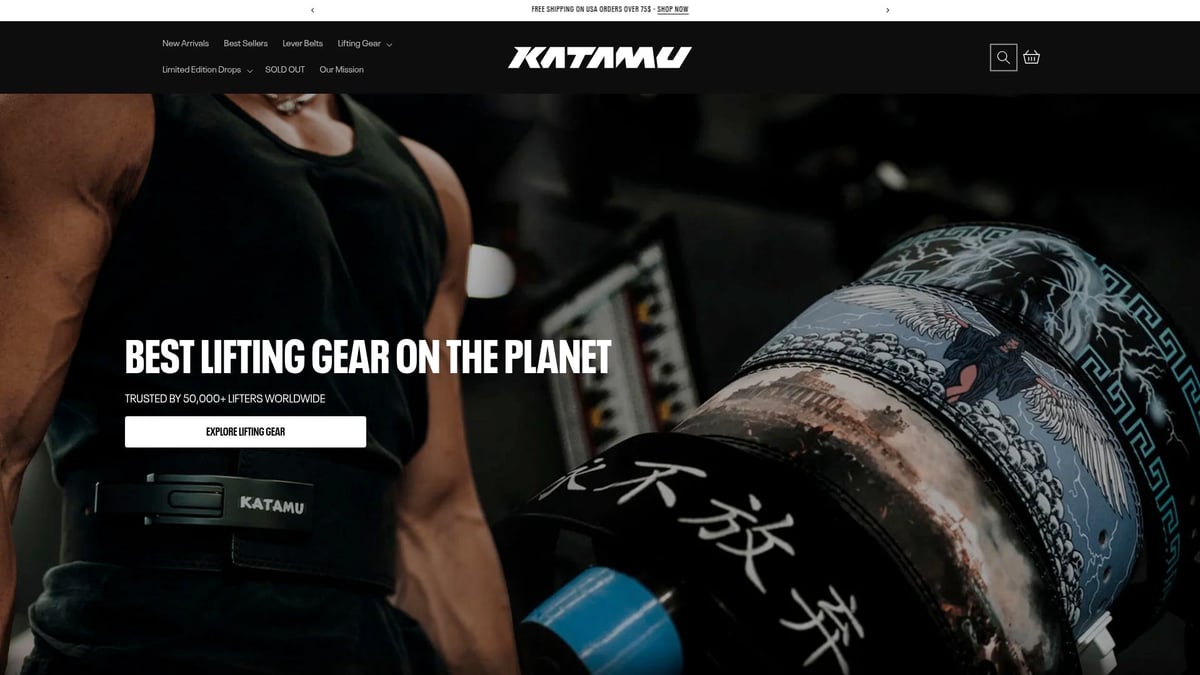
The Katamu Core lever lifting belt stands out with its 10mm thickness and 4-inch width, providing the optimal blend of rigidity and comfort. Its themed collections, like Angel Of Death and Memento Mori, let you express your personality while training hard. The artistic touch does not sacrifice performance—these belts are built for durability, with a lifetime quality promise.
Key benefits include free wrist wraps with every purchase, a 1-year warranty, and a 30-day money-back guarantee. This lifting belt is trusted by over 50,000 lifters, a testament to its reputation and reliability. Free shipping is available in the USA for orders over $75, making it even more appealing for American buyers.
Pros:
- Premium leather construction for long-term use
- Stylish, unique designs that stand out in the gym
- Lever buckle for easy on and off
- Trusted by a large lifting community
Cons:
- Higher price point compared to other belts
- Lever mechanism is not as quick to adjust as Velcro options
The Katamu Core lever lifting belt is perfect for powerlifters, gym enthusiasts, and anyone who values both performance and aesthetics in their fitness gear. If you want your lifting belt to make a statement and last a lifetime, this is a solid investment.
RitFit Weight Lifting Belt – Versatile & Affordable
For those new to strength training or seeking a budget-friendly option, the RitFit weight lifting belt delivers reliable support at just $21.99 USD. This belt features a 6-inch wide foam core for substantial lumbar protection, making it a great entry-level choice.
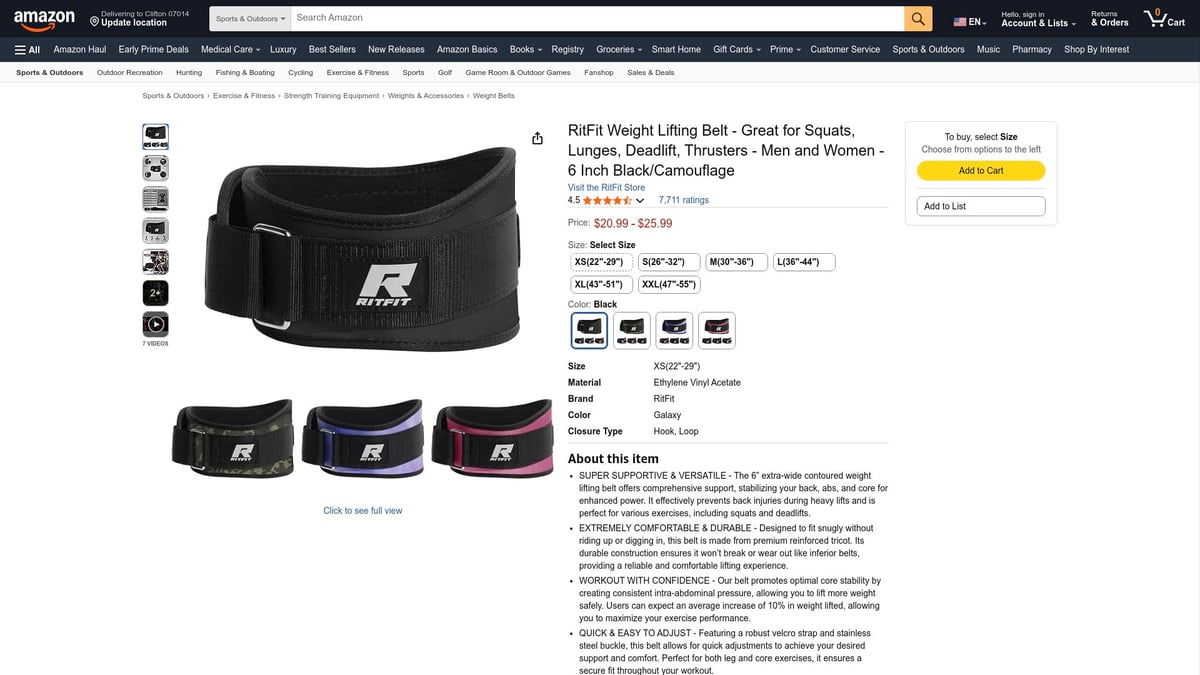
The adjustable Velcro closure allows for a custom fit, while the waterproof construction ensures longevity, even with sweaty training sessions. Its lightweight design makes the lifting belt easy to wear throughout your workout, whether you are doing squats, deadlifts, lunges, or CrossFit circuits.
Benefits:
- Wide lumbar support for both men and women
- Budget-friendly price point
- Lightweight and easy to use
Pros:
- Highly rated with 4.5/5 from over 7,700 reviews
- Suitable for beginners and casual gymgoers
- Adjustable fit for various body types
Cons:
- Not as rigid or supportive as leather belts
- Not approved for IPF or USAPL competitions
Many users love this lifting belt for its comfort and versatility. While it may not be the stiffest option, it is perfect for lighter lifts, general fitness, and those who want an affordable way to add support to their routine.
Element 26 Self-Locking Weight Lifting Belt – Advanced Safety Tech
If safety and compliance are your priorities, the Element 26 Self-Locking Weight Lifting Belt is a top choice. Priced at $34.97 USD, this lifting belt features a self-locking buckle, ensuring a secure fit that will not pop open during heavy lifts.
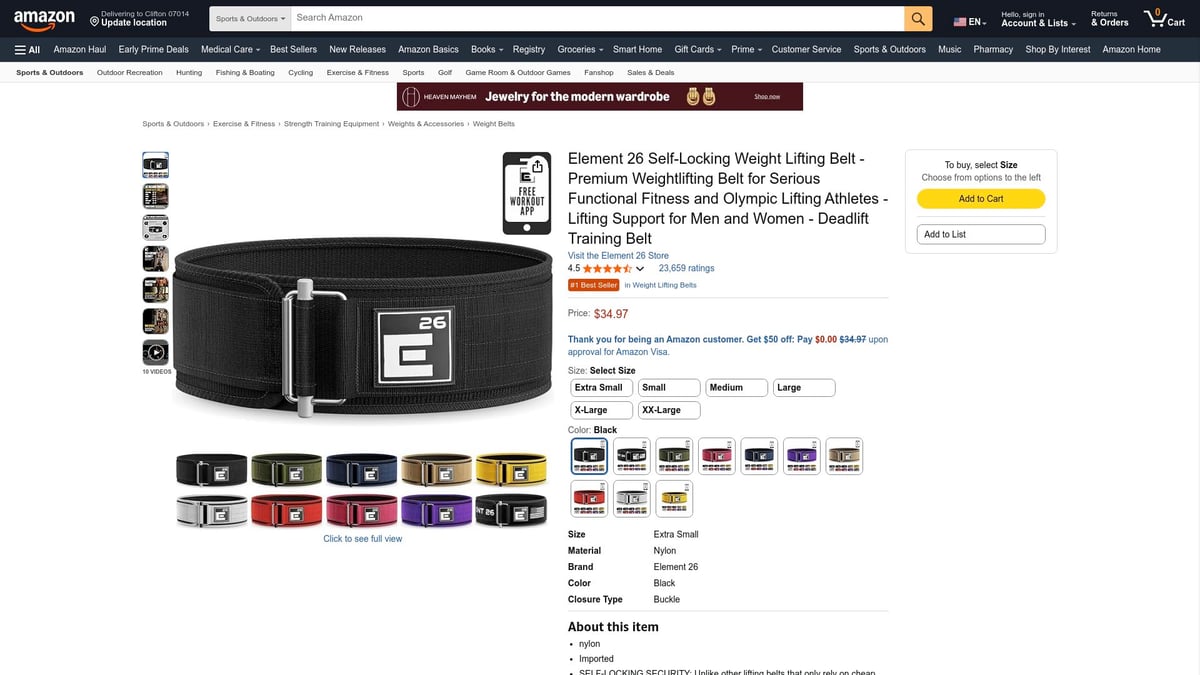
Made from 100% premium nylon, the belt maintains a uniform 4-inch width, offering consistent support without restricting movement. It is lightweight, competition-approved, and trusted by over 23,600 reviewers with a 4.5/5 rating. The self-locking system means you can easily tighten or release the belt between sets, making it ideal for high-intensity training and Olympic lifting.
Key benefits:
- Quick-release self-locking buckle for maximum safety
- Lightweight and comfortable for dynamic movements
- Competition compliant for USAPL and CrossFit events
Pros:
- No risk of accidental opening
- Durable nylon construction
- USAPL and CrossFit compliant
Cons:
- Less rigid than traditional leather belts
- May not suit those seeking maximum stiffness
This lifting belt is a favorite among functional fitness athletes, Olympic lifters, and CrossFitters. If you are aiming for competition, you can check out the 2025 USPA & IPF Approved Gear: Knee Sleeves, Lifting Belts, and More for more options that meet federation standards.
RDX Weight Lifting Belt – Classic Leather for Powerlifters
Traditionalists will appreciate the RDX Weight Lifting Belt, which delivers classic leather support at an affordable $29.99 USD. This lifting belt is crafted from durable cowhide leather, featuring a padded lumbar section (4–6 inches wide) and a double-prong buckle for a secure fit.
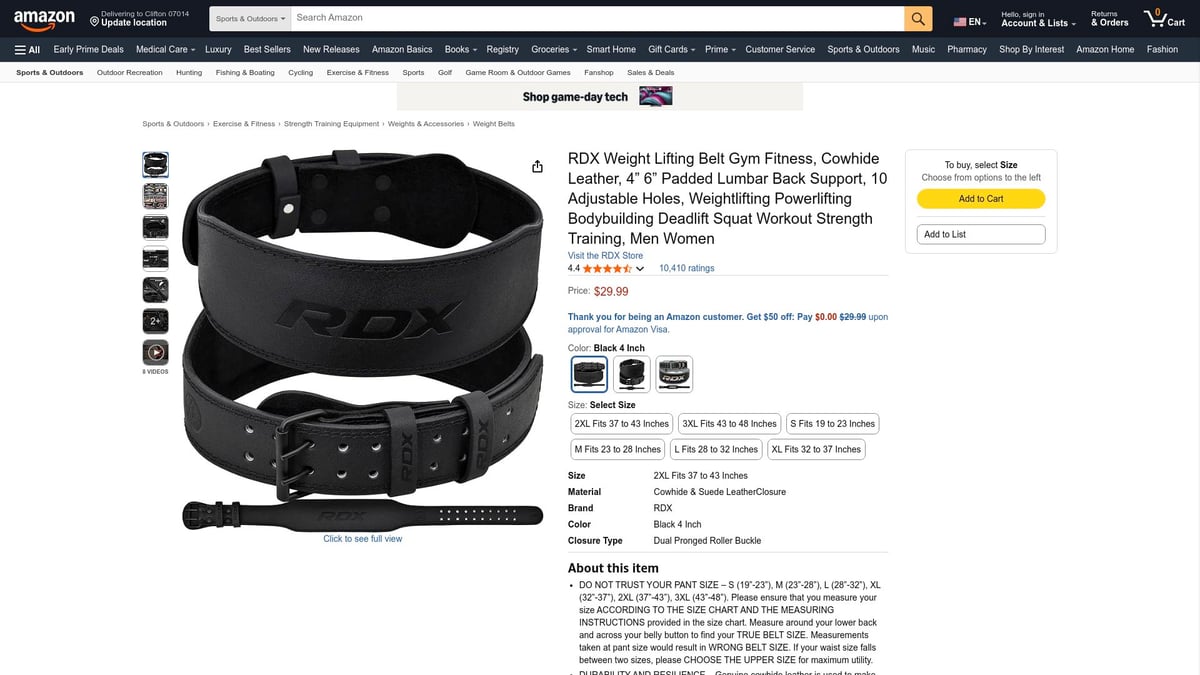
With 10 adjustable holes, you can dial in your preferred tightness for heavy squats, deadlifts, or bench presses. The padded design adds comfort without sacrificing support. Its robust construction makes it a reliable choice for powerlifters and bodybuilders looking for a tried-and-true lifting belt.
Benefits:
- Traditional powerlifting support
- Durable leather construction for long-term use
- Padded comfort for longer training sessions
Pros:
- High quality relative to price
- Adjustable and secure fit
- Over 10,400 positive reviews (4.4/5 rating)
Cons:
- Requires a break-in period for optimal comfort
- Heavier than nylon options
This lifting belt is a staple in many strength routines, favored by those who want reliable support for their heaviest lifts. Its classic design and proven materials keep it popular year after year.
Gymreapers Quick Locking Weight Lifting Belt – Fast & Functional
For lifters who value speed and comfort, the Gymreapers Quick Locking Weight Lifting Belt is a top pick. At $34.97 USD, this lifting belt features a 4-inch contoured neoprene design and a quick-locking metal buckle, making it easy to put on and take off between sets.
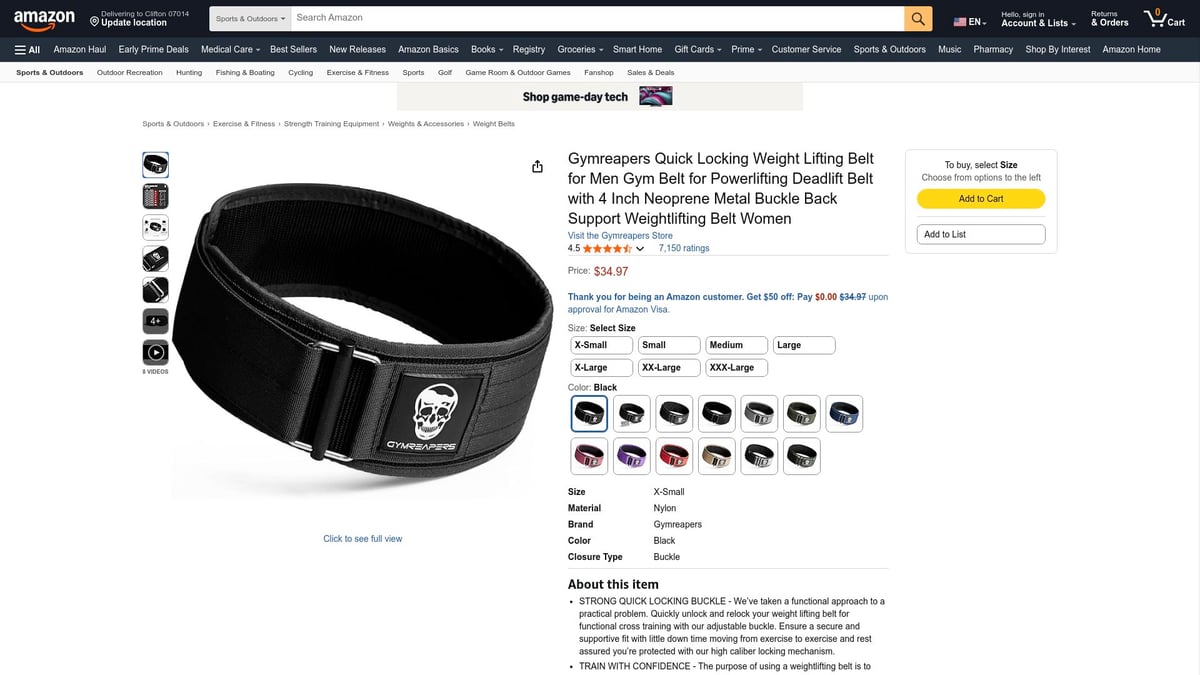
The ergonomic fit hugs your waist, providing support without digging in. The lightweight neoprene material makes this lifting belt easy to transport and flexible enough for dynamic workouts. It is ideal for CrossFitters, HIIT athletes, and anyone who needs to adjust their belt quickly during circuit training.
Benefits:
- Rapid on/off mechanism for quick transitions
- Contoured design for ergonomic comfort
- Suitable for high-volume and circuit workouts
Pros:
- Lightweight and flexible
- Easy to transport and store
- 4.5/5 rating from over 7,100 reviews
Cons:
- Not as stiff as leather belts
- May wear faster with heavy, frequent use
This lifting belt is perfect for those who want functional support without sacrificing mobility. If you are in and out of the belt multiple times per session, this is a convenient and reliable choice.
DMoose Fitness Dip Belt – For Weighted Dips & Pullups
If your training involves bodyweight exercises with added resistance, the DMoose Fitness Dip Belt is your go-to lifting belt. Priced at $39.99 USD, it features a 36-inch steel chain and padded neoprene for comfort. This belt can support up to 350 lbs, making it a favorite among calisthenics athletes and those incorporating weighted dips, pullups, or squats.
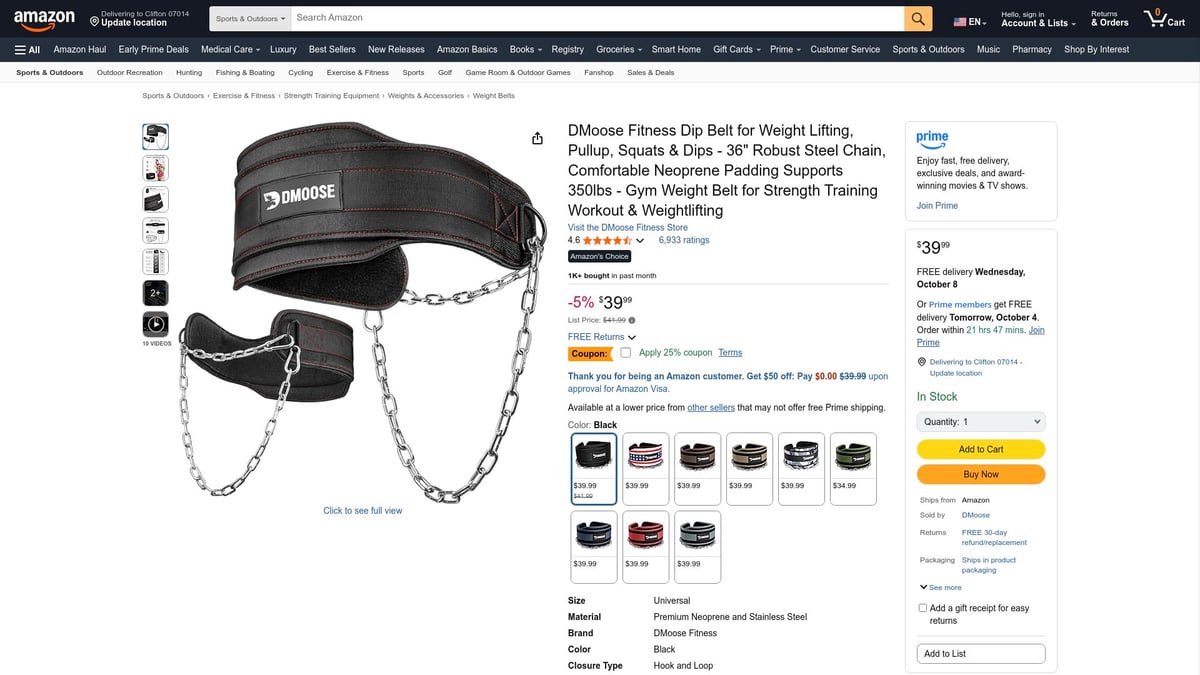
Key benefits include enabling progressive overload for bodyweight movements and versatile use across different exercises. The padded neoprene ensures the chain does not dig into your hips, so you can focus on your sets.
Pros:
- Durable and versatile for various exercises
- High load capacity for progressive overload
- 4.6/5 rating from 6,900+ reviews
Cons:
- Not suitable for squats or deadlifts as a primary lifting belt
- Chain may be uncomfortable for some users
This lifting belt is most effective for those looking to push their limits with weighted bodyweight training. It is a solid addition to any strength athlete’s gear collection.
MAXRANK Dip Belt – Heavy-Duty for Advanced Athletes
For advanced lifters who need maximum load capacity, the MAXRANK Dip Belt is a standout choice. At just $24.98 USD, this lifting belt features a 37–40 inch reinforced chain and can handle 550–650 lbs, making it ideal for serious strength athletes.
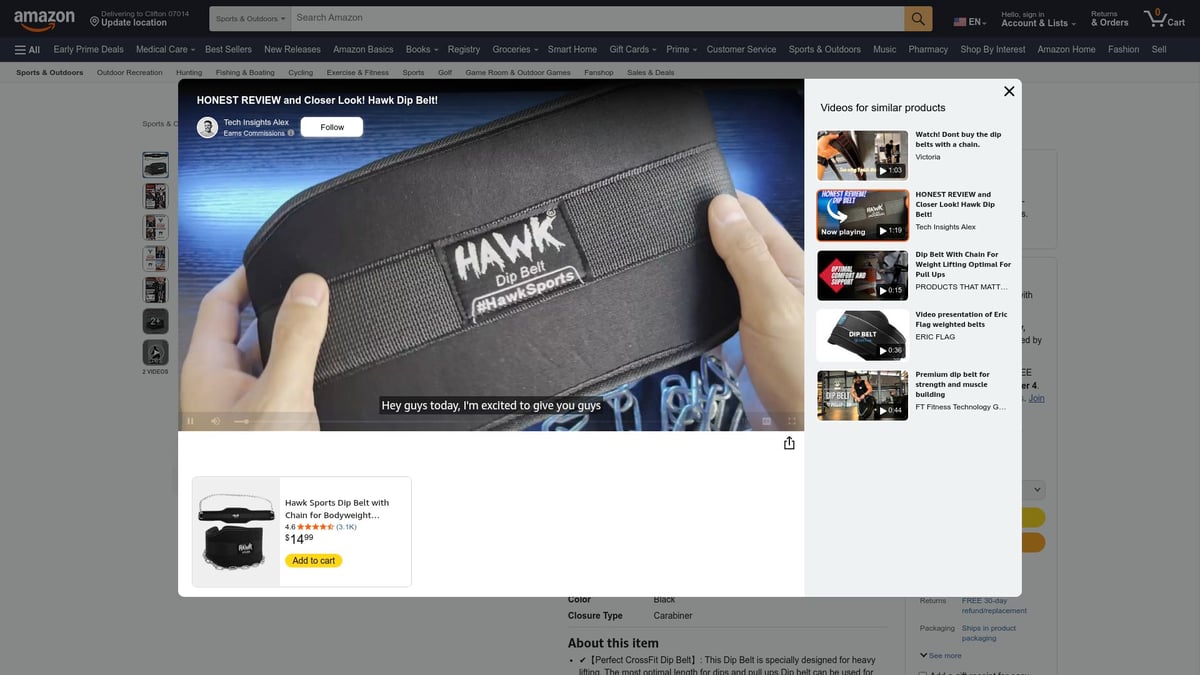
The reinforced design adds durability, while the belt’s bulkier build ensures it can withstand heavy, repeated use. It is especially popular for progressive overload in pullups and dips, allowing athletes to keep challenging themselves as their strength grows.
Benefits:
- Superior weight tolerance for advanced calisthenics and strength routines
- Affordable price for heavy-duty performance
- Secure fit for high-resistance training
Pros:
- Handles high loads without breaking down
- Affordable for the quality
- 4.7/5 average from 435+ reviews
Cons:
- Bulkier than other dip belts
- Chain may pinch if not adjusted properly
This lifting belt is best for seasoned lifters aiming to push their limits in weighted bodyweight exercises. If you want a belt that can keep up with your progress, MAXRANK delivers reliable performance.
How to Get the Most Out of Your Lifting Belt
Getting the most out of your lifting belt means more than just wearing it during heavy sets. To truly maximize support, performance, and longevity, you need to master proper use, care, and timing. Let’s break down the best ways to make your lifting belt work for you.
Proper Belt Positioning and Tightness
To maximize the benefits of your lifting belt, placement is key. For squats and deadlifts, position the belt just above your hip bones, ensuring it covers your lower back and abdomen. When pressing, some lifters prefer a slightly higher placement for more core support.
The belt should feel snug but not suffocating. Tighten it enough to brace against, but you should still be able to take a deep breath and create intra-abdominal pressure. Many experienced lifters recommend testing your belt fit before each session. If you’re unsure, consult a coach or watch reputable tutorials to fine-tune your lifting belt setup.
Integrating Belts into Your Training Program
Using a lifting belt effectively means knowing when to strap it on. Reserve your belt for heavy working sets, near-maximal lifts, or exercises that place high demand on your core, such as squats, deadlifts, and overhead presses. Avoid wearing it for every warm-up or accessory movement, as overuse can limit core development.
A good rule of thumb is to use your lifting belt when the weight approaches 80% of your one-rep max or when you feel form breakdown. For more detailed advice, check out this Lifting Belt Weight Guide for tips on choosing the right belt and integrating it into your routine.
Maintenance and Longevity Tips
Proper care extends the life of your lifting belt and keeps it performing at its best. For leather belts, wipe them down with a damp cloth and let them air dry, avoiding excess moisture. Apply leather conditioner occasionally to prevent cracking. Nylon belts can be gently hand-washed and air dried.
Store your lifting belt flat or hanging to maintain its shape. Regularly inspect for signs of wear, such as frayed edges, loose stitching, or buckle issues. Replace your belt if you notice significant damage or loss of support. Always follow manufacturer care guidelines for your specific lifting belt material.
Safety Precautions and Common Mistakes
Safety should always come first when using a lifting belt. Avoid over-tightening, which can restrict breathing and movement. Do not rely on your belt for every exercise; overuse may lead to a weaker core. Common mistakes include improper placement, wearing a loose or overly tight belt, and neglecting form.
Stay vigilant by checking your lifting belt for damage before each session. Listen to your body, and if you feel discomfort or pain, adjust your technique or consult a coach. Using your lifting belt wisely will help you lift heavier, safer, and with greater confidence.
Frequently Asked Questions About Lifting Belts
Choosing the right lifting belt often comes with questions, especially as fitness trends evolve. Here are the most common questions and clear answers to help you get the most from your lifting belt in 2025.
Do Lifting Belts Really Prevent Injuries?
Research shows that using a lifting belt can help stabilize your core and increase intra-abdominal pressure, reducing the risk of back injuries during heavy lifts. Experts agree that while a lifting belt offers extra support, it is not a guarantee against all injuries. Proper form and training are still essential for safety in any gym routine.
Can Beginners Use Lifting Belts?
Yes, beginners can benefit from a lifting belt, especially when learning proper technique for squats and deadlifts. Start by using the belt only for heavier sets or new movements. This helps you build confidence without becoming reliant on the belt for every exercise. Many trainers recommend combining belt use with core strengthening routines.
How Do I Choose the Right Size?
To find the right lifting belt size, measure your waist at the level where the belt will sit, typically just above the hips. Compare your measurement to the manufacturer's sizing chart, as sizing varies by brand. A snug fit is key, but the belt should not restrict breathing. Always try on different sizes if possible for the best comfort.
Are Lifting Belts Allowed in Competitions?
Most major powerlifting and weightlifting federations, like IPF and USAPL, have strict guidelines on which lifting belts are allowed. Check the federation’s rulebook for belt width, thickness, and closure requirements. For a full list of IPF and Powerlifting America Approved Competition Equipment, visit their official site before competing.
How Often Should I Replace My Lifting Belt?
A quality lifting belt can last for years with proper care. Leather belts tend to outlast nylon or Velcro options, but all belts should be inspected regularly for signs of wear, such as fraying or a loose buckle. Replace your lifting belt if you notice cracks, stretching, or if it no longer provides stable support during lifts.
Now that you know what to look for in a lifting belt and have seen the best picks for 2025, it’s time to think about your own setup. The right belt can make a huge difference in support, safety, and confidence each time you hit the gym. Whether you want a premium lever belt that stands out or just want gear that's built to last, you deserve equipment that matches your goals and style for years to come. Ready to take your training up a notch? Build your setup and experience the difference for yourself.
