 30-Day Money Back Guarantee

Choosing the right weight belt for gym routines in 2025 can completely transform your training results. With innovation driving new designs, today’s top belts offer unmatched support, comfort, and durability for every type of lifter. In this guide, we reveal the 8 essential weight belt for gym picks, highlighting what makes each one unique and how to match them to your goals. Discover the latest trends, expert insights, and real-world feedback to help you make the best investment for your fitness journey. Ready to lift smarter and safer? Let’s dive in.
Why a Quality Weight Belt Matters in 2025
Choosing the right weight belt for gym use in 2025 is more important than ever. Fitness trends have shifted, and lifters—both new and experienced—are searching for gear that keeps up with modern routines. A quality weight belt for gym can make a dramatic difference in your results, safety, and overall experience.
From Basic Support to Advanced Designs
Weight belts have come a long way. Decades ago, a weight belt for gym was a simple strip of stiff leather. Today, belts feature advanced ergonomics, contoured fits, and a range of closure systems. This evolution means you can now find a weight belt for gym tailored to every lifting style, from powerlifting to CrossFit.
New materials like flexible nylon and vegetable-tanned leather are engineered for both comfort and durability. Lever and prong closures give lifters more options for a secure fit. The focus is now on blending maximum support with all-day comfort, making the weight belt for gym a staple for more than just elite athletes.
Material Innovations and Modern Gym Demands
Modern gym routines are more dynamic and varied than ever. A quality weight belt for gym is no longer just for heavy squats or deadlifts. Functional fitness, circuit training, and Olympic lifts demand belts that adapt quickly to changing movements.
Material innovation is driving this shift. Leather belts offer unmatched rigidity and support for maximal lifts, while nylon belts excel in flexibility and breathability for high-rep or cardio-based workouts. Lever closures provide fast, one-handed adjustments, while prong and hook-and-loop systems offer reliable alternatives.
| Material | Best Use | Pros | Cons |
|---|---|---|---|
| Leather | Powerlifting | Maximum support, durable | Stiff, heavier |
| Nylon | CrossFit, HIIT | Lightweight, flexible | Less rigid |
| Lever | Heavy lifts | Fast, secure closure | Bulkier, pricier |
| Prong/Velcro | All-purpose | Adjustable, easy to use | May loosen over time |
Injury Prevention and Performance Enhancement
The primary reason most lifters invest in a weight belt for gym is injury prevention. Studies show that using a belt during heavy lifts can reduce the risk of lower back injuries and boost confidence under load. With a quality weight belt for gym, you create intra-abdominal pressure, stabilizing your core and protecting your spine.
Performance benefits are clear. Lifters wearing a proper belt often set new personal bests on deadlifts and squats. According to recent research, modern belts can decrease injury rates and help improve lift efficiency. For more insights, check out this weightlifting belt injury prevention study highlighting how the latest designs enhance safety and performance.
Cost-Effectiveness and Growing Popularity
Investing in a premium weight belt for gym might seem expensive at first, but it pays off in the long run. High-quality belts last for years, even with regular use, saving you money compared to frequently replacing cheaper options.
The popularity of the weight belt for gym is rising, not just among powerlifters but also recreational lifters. As more people recognize the value of a supportive, well-built belt, the demand for innovative, stylish, and durable options continues to grow. In 2025, choosing the right weight belt for gym means getting the support you need, whenever you need it.
8 Essential Weight Belt for Gym Picks for 2025
The search for the perfect weight belt for gym training in 2025 can feel overwhelming. With new brands, materials, and designs flooding the market, making a confident choice is tougher than ever. That is why we have curated this definitive list of the eight most essential weight belts for gym use. Each belt stands out for its performance, comfort, and longevity, ensuring you have the right support for every lift.
Whether you are chasing personal records or just want extra stability during your daily workouts, you will find a weight belt for gym needs at every level and budget. From lever belts to quick-locking nylon options, we have highlighted what makes each pick unique. For even more insights, check out this top-rated lifting belts overview to see how these belts stack up in real-world reviews.
Katamu Lever Belt 10mm/13mm
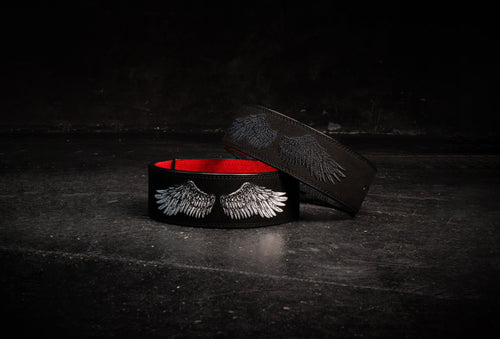
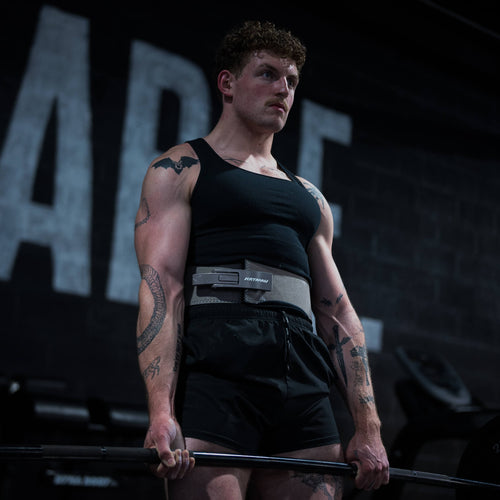
The Katamu Lever Belt is setting a new standard for weight belt for gym enthusiasts in 2025. Crafted from premium leather with both 10mm and 13mm thickness options, it offers a secure lever closure that makes tightening and releasing a breeze.
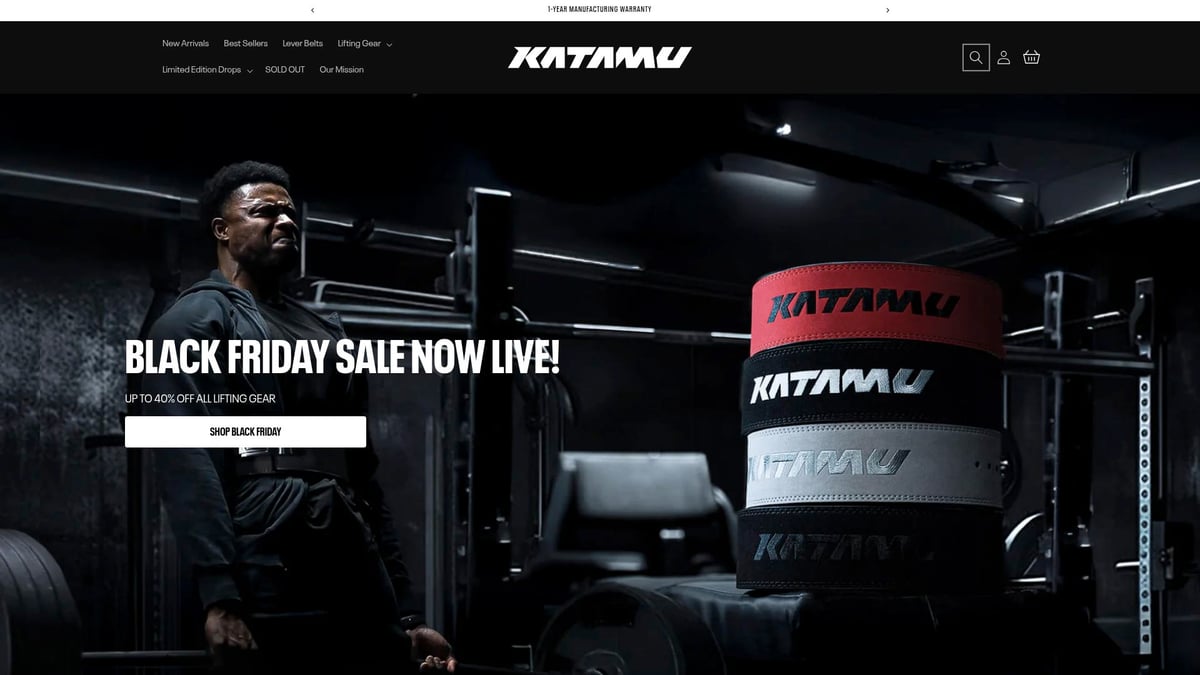
What sets this weight belt for gym users apart is its unique limited-edition designs, allowing lifters to express their style while enjoying superior support. The Katamu Lever Belt is ideal for powerlifting, bodybuilding, and strength training, offering inclusive sizing and a 1-year warranty. With frequent sales, it is accessible to a wide range of gym-goers.
- Pros: Exceptional build, inclusive sizing, free US shipping on orders over $75.
- Cons: Limited availability due to themed drops.
For those who want both performance and standout aesthetics in a weight belt for gym, the Katamu Lever Belt is a top contender.
Rogue Fitness Ohio Lifting Belt
Trusted by professionals, the Rogue Fitness Ohio Lifting Belt is a staple weight belt for gym lifters who value durability and tradition. Made from 10mm thick vegetable-tanned leather, this single-prong belt is manufactured in the USA and is built to last through years of heavy use.
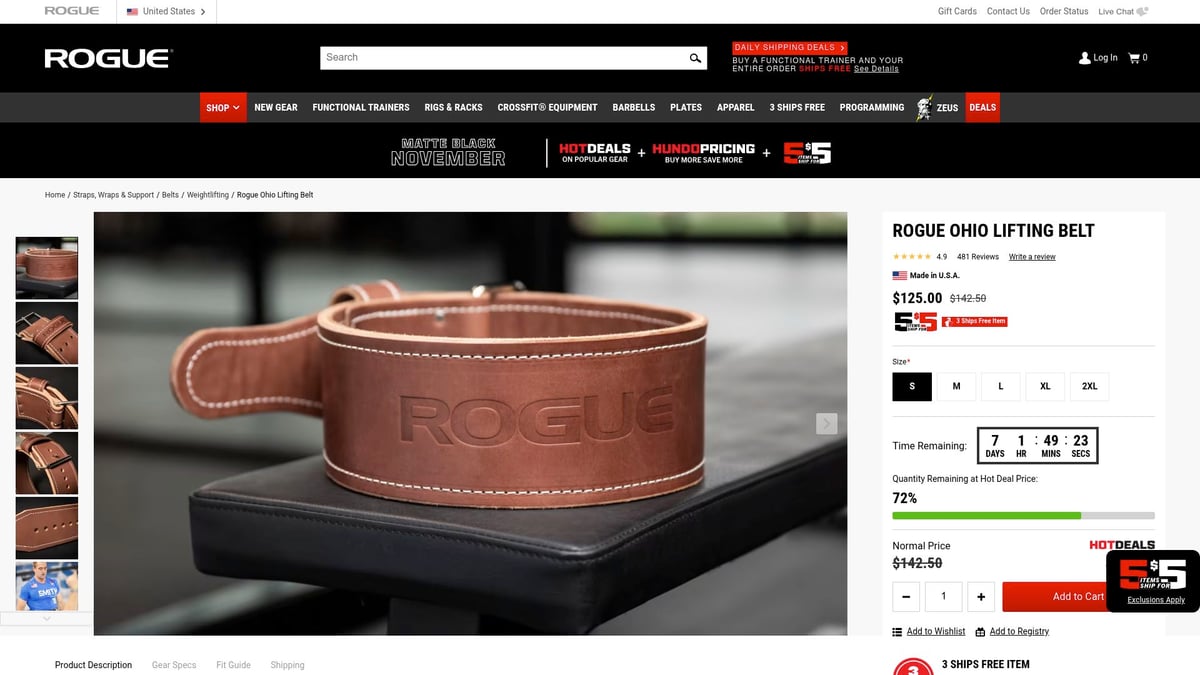
This weight belt for gym routines is known for its robust construction and comfortable break-in period. While it starts off stiffer than some competitors, it molds to your body over time. The heavier design is perfect for those who focus on heavy squats, deadlifts, and strongman training.
- Pros: High durability, comfortable fit after break-in.
- Cons: Heavier and initially stiff.
Anyone looking for a classic, reliable weight belt for gym sessions will appreciate the Ohio Lifting Belt’s no-nonsense approach.
Dark Iron Fitness Genuine Leather Pro Weight Lifting Belt
For beginners and casual lifters, the Dark Iron Fitness Genuine Leather Pro Weight Lifting Belt is an excellent entry-level weight belt for gym use. It is made of soft, flexible leather with double stitching and a 4-inch width, offering comfort from the very first workout.
This weight belt for gym routines is lightweight and easy to wear, making it perfect for general gym sessions and moderate weight training. The affordable price and lifetime warranty add extra value for those just starting their fitness journey.
- Pros: Lightweight, lifetime warranty, budget-friendly.
- Cons: Not as supportive for maximal lifts.
If you want a comfortable, affordable weight belt for gym use without sacrificing quality, this is a smart pick.
SBD 13mm Lever Belt
The SBD 13mm Lever Belt is a powerhouse for serious athletes. As a weight belt for gym lifters at the elite level, it features a thick 13mm English leather build and a patented lever buckle for maximum support and rapid adjustments.
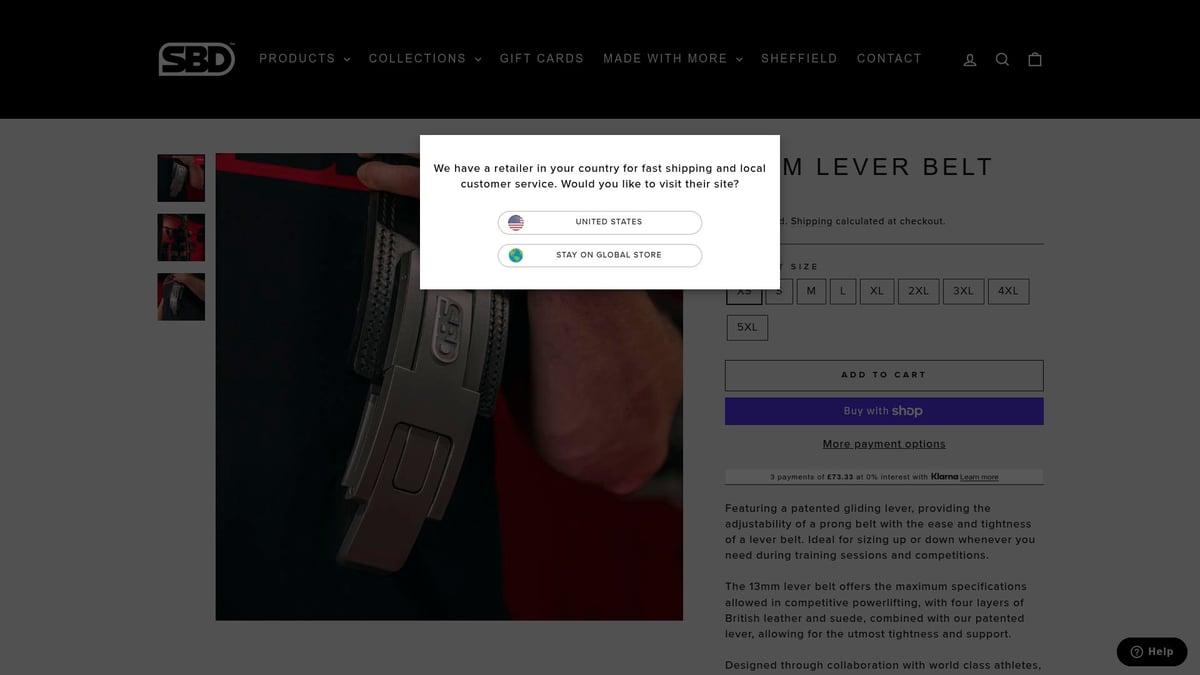
This IPF-approved weight belt for gym competitions is designed for those who need ultra-sturdy gear during heavy lifting cycles. While the price is on the higher side, the durability and performance justify the investment for competitive powerlifters.
- Pros: Ultra-sturdy, quick lever adjustment, competition-ready.
- Cons: Pricey, heavy for casual use.
Competitive lifters seeking the best in support and reliability will appreciate this weight belt for gym excellence.
Harbinger 4-Inch Nylon Weightlifting Belt
If you prefer flexibility and breathability, the Harbinger 4-Inch Nylon Weightlifting Belt is a lightweight weight belt for gym routines like HIIT, circuit training, or CrossFit. Its flexible nylon construction and contoured design make it easy to move, while the hook-and-loop closure allows fast, simple adjustments.
This weight belt for gym workouts is budget-friendly and versatile, great for beginners or anyone who dislikes the rigidity of leather belts. It provides enough support for light to moderate lifts without compromising comfort.
- Pros: Affordable, lightweight, easy to adjust.
- Cons: Less rigid support than leather.
Choose this weight belt for gym sessions if you value comfort and versatility over extreme support.
Inzer Advance Designs Forever Lever Belt
The Inzer Forever Lever Belt is legendary among strength athletes. As a weight belt for gym maximalists, it comes in both 10mm and 13mm thickness options, features a lever closure, and is backed by a lifetime warranty.
This belt is known for its exceptional durability and customizable fit. Though it is bulkier and shipping can take longer, it never breaks down, making it a favorite weight belt for gym-goers who push their limits.
- Pros: Extremely supportive, lifetime warranty, customizable.
- Cons: Bulky, long shipping times.
If you are prepping for competition or heavy lifts, this weight belt for gym performance is a long-term investment.
Gymreapers Quick-Locking Weightlifting Belt
For fast-paced workouts, the Gymreapers Quick-Locking Weightlifting Belt is a modern weight belt for gym users who value convenience. Made from nylon with a slim profile and quick-locking buckle, it provides a secure, lightweight fit.
This weight belt for gym routines is ideal for CrossFitters, Olympic lifters, and anyone who needs to take their belt on and off quickly during dynamic workouts. It is portable and easy to adjust, making it a great value for its price.
- Pros: Fast on/off, light, secure fit.
- Cons: Not designed for extreme heavy lifts.
Pick this weight belt for gym classes or high-movement sessions where speed and comfort are key.
Element 26 Self-Locking Weightlifting Belt
Rounding out our list, the Element 26 Self-Locking Weightlifting Belt is a competition-approved weight belt for gym enthusiasts who prioritize security. The self-locking buckle and nylon construction offer a uniform 4-inch width, delivering support with minimal bulk.
This weight belt for gym routines is lightweight, quick to release, and even machine washable. While it is less supportive for heavy powerlifting, it is excellent for Olympic lifts and functional training.
- Pros: Secure fit, easy release, machine washable.
- Cons: Less support for maximal lifts.
For lifters who want a reliable, easy-to-maintain weight belt for gym versatility, Element 26 is a solid choice.
Weight Belt for Gym Comparison Table
| Belt Name | Material | Closure | Thickness/Width | Price Range | Best For | Warranty |
|---|---|---|---|---|---|---|
| Katamu Lever Belt | Leather | Lever | 10mm/13mm | $99–$179 | Powerlifting, Bodybuilding | 1 year |
| Rogue Ohio | Leather | Prong | 10mm | ~$140 | Heavy Lifting | - |
| Dark Iron Fitness | Leather | Prong | 4" | $60–$70 | Beginners | Lifetime |
| SBD 13mm | Leather | Lever | 13mm | ~$260 | Competitions | - |
| Harbinger 4" Nylon | Nylon | Hook-and-loop | 4" | $25–$35 | HIIT, CrossFit | - |
| Inzer Forever Lever | Leather | Lever | 10/13mm | $130–$150 | Max Lifts | Lifetime |
| Gymreapers Quick-Lock | Nylon | Quick-lock | Slim | $35–$45 | CrossFit, WODs | - |
| Element 26 Self-Lock | Nylon | Self-lock | 4" | $35–$40 | Olympic Lifts | - |
With these eight essential weight belt for gym picks, you can find the perfect match for your training style, preferences, and budget. Each belt offers a unique blend of features to support your journey in 2025 and beyond.
How to Choose the Right Weight Belt for Your Training
Choosing the best weight belt for gym sessions can feel overwhelming with so many options on the market. Your choice will directly impact your comfort, safety, and performance during lifts. The right approach is to break down your needs and match them to the belt features that matter most.
Assess Your Training Style and Belt Features
Start by identifying your primary lifting style. Powerlifters often need a sturdy, thick leather weight belt for gym routines that involve heavy squats and deadlifts. CrossFit athletes or functional trainers might prefer a flexible nylon belt for dynamic movements and quick transitions. Bodybuilders usually seek a balance between support and comfort for a variety of exercises.
When comparing belts, focus on these key features:
| Feature | Options | Best For |
|---|---|---|
| Material | Leather, Nylon | Heavy lifts, Versatility |
| Closure | Lever, Prong, Velcro | Ease, Adjustability |
| Thickness | 10mm, 13mm, 4-inch | Support, Flexibility |
| Width | 4-inch, 6-inch | Core stability, Comfort |
Each detail affects how the weight belt for gym training feels and performs. For a deeper dive into these details, check out this how to choose good lifting belts guide with extra tips and visuals.
Find the Right Fit and Sizing
A proper fit is essential for any weight belt for gym progress. Measure your waist at the navel, not at your pant line, and consult the brand's sizing chart. A snug fit should let you brace your core without restricting your breath.
Test different closure types. Lever belts offer quick adjustments and are great for powerlifters, while Velcro or prong closures are versatile for mixed routines. Always try the belt on before committing if possible, as sizing can vary between brands.
Consider Budget and Real-World Reviews
Your budget will help narrow down the best weight belt for gym use. Entry-level nylon belts are affordable and versatile, while premium leather options offer longevity and maximum support for heavy lifters. Consider how often you train and the intensity of your workouts before investing.
User reviews provide real-world insights into durability, comfort, and sizing accuracy. Look for feedback from lifters with similar routines to your own. Popular belts with high ratings often reflect consistent quality and customer satisfaction.
Avoid Common Mistakes: Match Belt to Goals
One common mistake is choosing a belt that's too stiff or too flexible for your needs. If your goal is to set new PRs in squats or deadlifts, opt for a thicker, more rigid belt. For HIIT or Olympic lifts, a lighter, flexible belt is ideal. Matching the weight belt for gym training to your goals helps you get the most out of your investment.
Selecting the right weight belt for gym performance is about understanding your needs and making informed choices. Take your time, read reviews, and test belts when possible to find your perfect fit.
Care, Maintenance, and Longevity Tips for Weight Belts
Keeping your weight belt for gym in top condition is key to maximizing both performance and longevity. Good care routines not only protect your investment but also ensure you get reliable support with every workout.
Cleaning and Maintenance Essentials
Regular cleaning keeps your weight belt for gym hygienic and prevents breakdown. For leather belts, wipe down with a damp cloth after each session. Use a leather conditioner monthly to keep the material supple. For nylon belts, a gentle hand wash with mild soap works best, then air dry away from direct heat.
Cleaning Tips:
- Avoid soaking leather or using harsh chemicals.
- For nylon, never put your weight belt for gym in a dryer.
- Inspect stitching and hardware after cleaning for early signs of damage.
Advancements in belt materials, such as antimicrobial coatings and improved synthetics, make routine care even more effective. For more on these innovations, see the latest trends in weightlifting belt materials.
Smart Storage and When to Replace
How you store your weight belt for gym matters. Always hang your belt or store it flat in a cool, dry space to prevent warping or cracking. Avoid tossing it in your gym bag for long periods, as this can trap moisture and promote mildew.
Storage and Replacement Checklist:
- Hang or lay flat after every use.
- Keep away from direct sunlight or heat sources.
- Watch for deep cracks, frayed stitching, or warped buckles.
If you notice a loss of rigidity or the belt no longer supports your lifts, it may be time to replace it. Most quality belts last 3 to 5 years with proper care, but heavy users might see wear sooner.
| Material | Average Lifespan |
|---|---|
| Leather | 4–5 years |
| Nylon | 2–4 years |
Breaking In, Warranty, and Extending Belt Life
A new weight belt for gym often feels stiff. Expect a break-in period of 2 to 4 weeks for leather belts, during which the material molds to your body. Nylon belts require little break-in and are ready to use almost immediately.
Most top brands offer warranties and repair services. Always check the manufacturer’s policy for coverage details. To get the most from your belt, rotate its use if you own more than one, and avoid excessive exposure to sweat by wiping down after each workout.
For deeper care advice and to explore top-rated options, see this best weightlifting belts guide.
With the right care routine, your weight belt for gym will remain a reliable training partner for years to come.
After exploring what makes a great weight belt and how the right choice can boost your training in 2025, it’s clear that investing in quality gear really pays off—whether you’re hitting new PRs or just want lasting support for everyday sessions. If you’re ready to take the next step, check out Katamu’s selection of premium lever belts with standout designs and durability you’ll notice from your first lift. You’ll find options that fit your style, comfort, and performance needs for years to come.
Build your setup
