 30-Day Money Back Guarantee

Looking to take your strength, safety, and lifting performance to the next level in 2026? The right weightlifting belt can be your most valuable training partner.
In this expert guide, we break down the best weightlifting belts for 2026, giving you the insight you need to find the perfect fit for your goals and needs.
Explore the latest innovations, compare top brands, and see which belts stand out for powerlifting, bodybuilding, CrossFit, and more. Get ready for in-depth reviews, pro tips, and actionable buying advice designed for every type of lifter.
Why Use a Weightlifting Belt?
Wearing the best weightlifting belts can transform your training experience, offering both protection and a performance boost. Whether you are new to lifting or a seasoned athlete, understanding the true benefits of a weightlifting belt is essential for making informed choices and maximizing results.
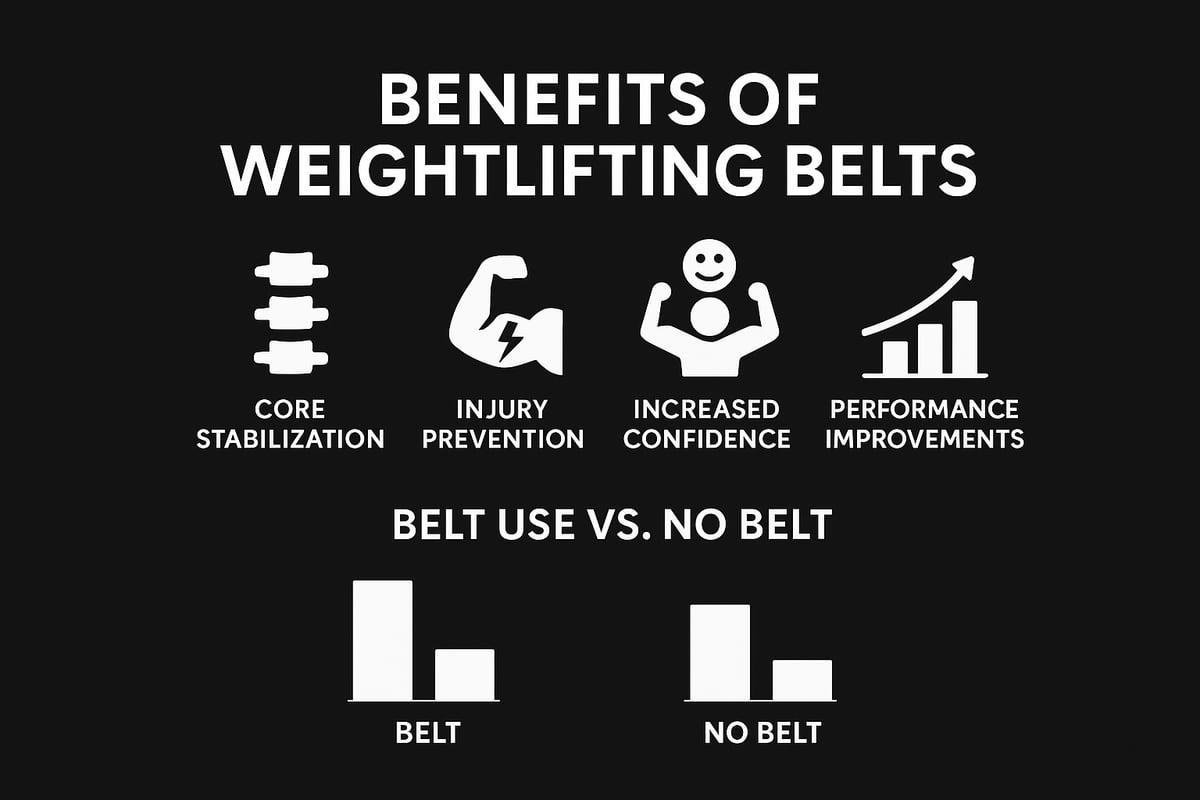
Enhanced Safety and Injury Prevention
The best weightlifting belts play a crucial role in stabilizing your core and protecting your spine during heavy lifts. By increasing intra-abdominal pressure, belts help reduce stress on the lower back, lowering the risk of injury. Scientific studies show that belts can decrease the chance of lower back strains and herniations, especially in compound movements like squats and deadlifts.
Coaches and competitive lifters often share real-world stories of how a quality belt prevented serious injuries during intense training sessions. This added safety is why even experienced athletes count on the best weightlifting belts for their heaviest sets.
Improved Performance and Lifting Confidence
Using the best weightlifting belts does more than protect your back, it can also enhance your strength output. When worn correctly, belts help generate more intra-abdominal pressure, which translates into better force transfer and heavier lifts. Many athletes report breaking personal records after adding a belt to their routine.
Recent research on weight belts and squat performance shows measurable gains in squat numbers and muscle activation. The psychological boost of feeling secure under a heavy bar can also build confidence, allowing you to push your limits safely.
When and When Not to Use a Belt
The best weightlifting belts are most effective for heavy compound lifts, such as squats, deadlifts, and overhead presses. These movements place significant stress on the spine and benefit from extra support. However, belts are not needed for every exercise or set.
For light warm-ups, core isolation work, or accessory movements, wearing a belt can be unnecessary or even counterproductive. Strength coaches recommend reserving belts for your heaviest sets to avoid over-reliance and to ensure your core muscles still get proper training.
Myths and Facts About Weightlifting Belts
There are plenty of misconceptions about the best weightlifting belts. A common myth is that belts weaken your core over time. In truth, research and expert opinions show that belts support, not replace, your core engagement during heavy lifts.
Another myth is that everyone should use a belt all the time. In reality, strategic use is key for maximizing benefits. Scientific research confirms that belts, when used correctly, enhance safety and performance without causing harm or dependency.
Types of Lifters Who Benefit Most
The best weightlifting belts are valuable for a wide range of athletes:
- Powerlifters seeking maximal support for competition lifts
- Olympic lifters needing stability on explosive movements
- Bodybuilders wanting injury prevention during heavy training
- Recreational gym-goers who want extra safety during challenging sets
For each group, the right belt can make a noticeable difference in both performance and injury prevention. Understanding your goals and training style will help you choose the perfect belt for your needs.
How to Choose the Best Weightlifting Belt for Your Needs
Selecting the best weightlifting belts can be overwhelming with so many options on the market. To make the right choice, it is essential to match the belt’s features with your lifting style, comfort preferences, and budget. Let’s break down the key criteria to help you find the perfect fit.
Key Features to Consider
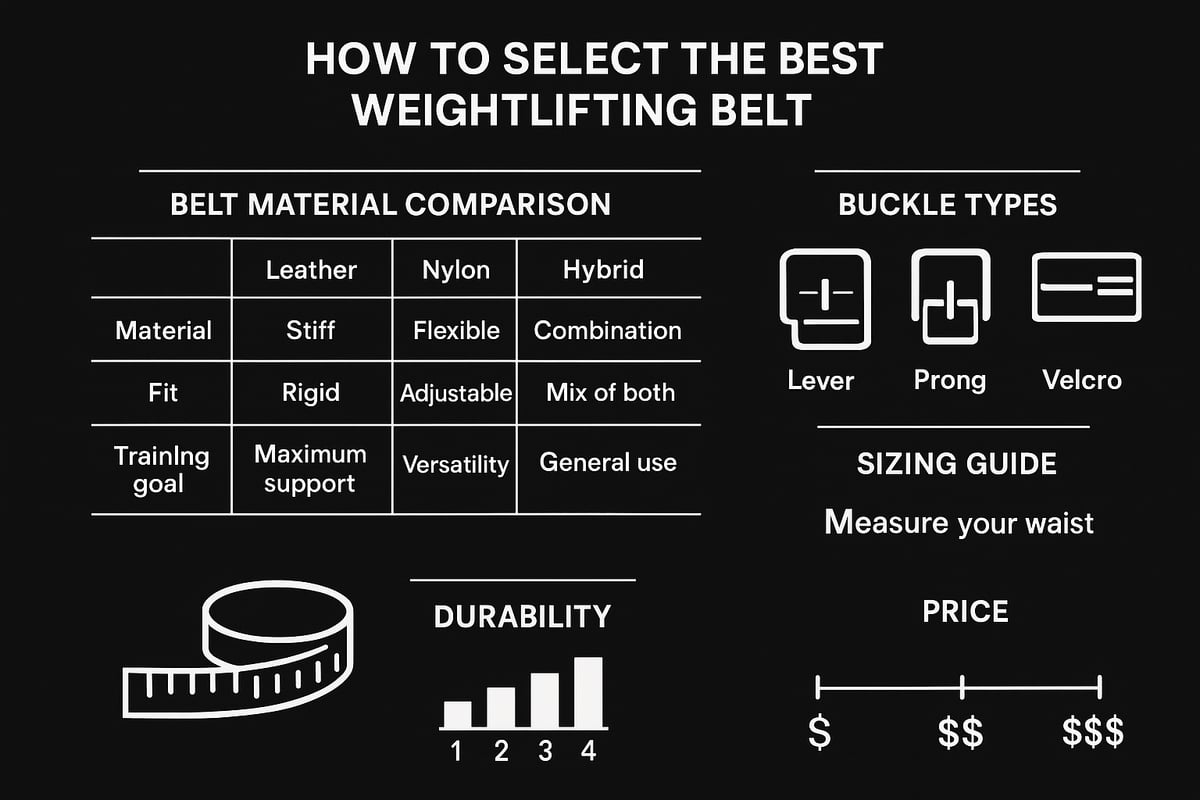
When comparing the best weightlifting belts, start with the material. Leather belts offer maximum support and long-term durability, while nylon belts provide flexibility and lighter weight. Hybrid options combine both for a balance of support and agility.
Belt thickness and width impact the level of core stability and mobility. Thicker belts (10mm–13mm) are popular for powerlifting, whereas thinner belts suit Olympic lifting and CrossFit. Buckle type matters too: lever buckles are quick and secure, prongs are classic and adjustable, and Velcro is fast but less rigid. For a deeper dive, check out this Best weightlifting belt guide.
Sizing and Fit
Proper sizing is crucial when choosing the best weightlifting belts. Measure your waist at the navel while standing relaxed, not at the hips. Most brands provide sizing charts, so always double-check before buying.
Look for belts with ample adjustability, especially if you plan to use the belt for different lifts or body changes. Comfort is just as important as support, so try on different styles if possible to find the best fit for your body type.
Training Goals and Belt Selection
Different training goals call for different types of best weightlifting belts. Powerlifters often prefer thick, rigid leather belts for heavy squats and deadlifts. CrossFit athletes and Olympic lifters lean toward thinner, more flexible options that allow dynamic movement.
General fitness enthusiasts may want a versatile belt that balances support and comfort. Consider your main lifts and personal training focus before making your final decision.
Durability and Longevity
Longevity is a major factor in evaluating the best weightlifting belts. High-quality stitching, reinforced hardware, and robust materials all contribute to a belt that withstands years of intense workouts.
Leather belts typically last the longest if cared for properly, while nylon belts are resilient but may show wear sooner. Always check for warranties and read reviews to gauge how belts hold up over time.
Budget Considerations
Price varies widely among the best weightlifting belts. Entry-level belts start around $15–$30, offering basic support for beginners. Mid-range belts ($40–$80) provide better materials and features, while premium belts ($100+) deliver top-tier durability and design.
Balance your budget with your training needs. Sometimes, investing a bit more upfront saves money in the long run due to increased lifespan and performance.
Top 9 Best Weightlifting Belts for 2026
Finding the best weightlifting belts can make a huge difference in your training success and safety. In 2026, lifters have access to a new wave of innovation, style, and performance support. This list covers the top 9 best weightlifting belts, blending expert insights, real-world testing, and feedback from lifters across disciplines. Whether you are a powerlifter, CrossFit athlete, bodybuilder, or gym enthusiast, there is a belt here designed for your unique needs.
Katamu Lever Belt – Premium Quality & Unique Designs
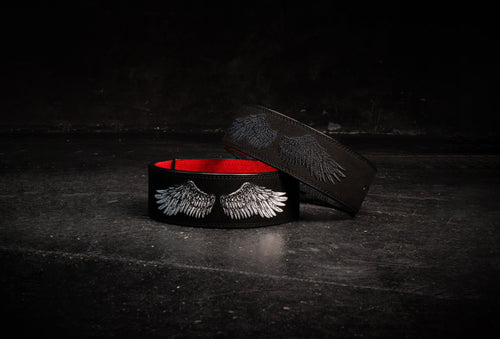
The Katamu Lever Belt stands out as one of the best weightlifting belts for those who crave both performance and personality. Crafted from high-durability materials and featuring a robust lever mechanism, this belt offers uncompromising support for serious lifters.
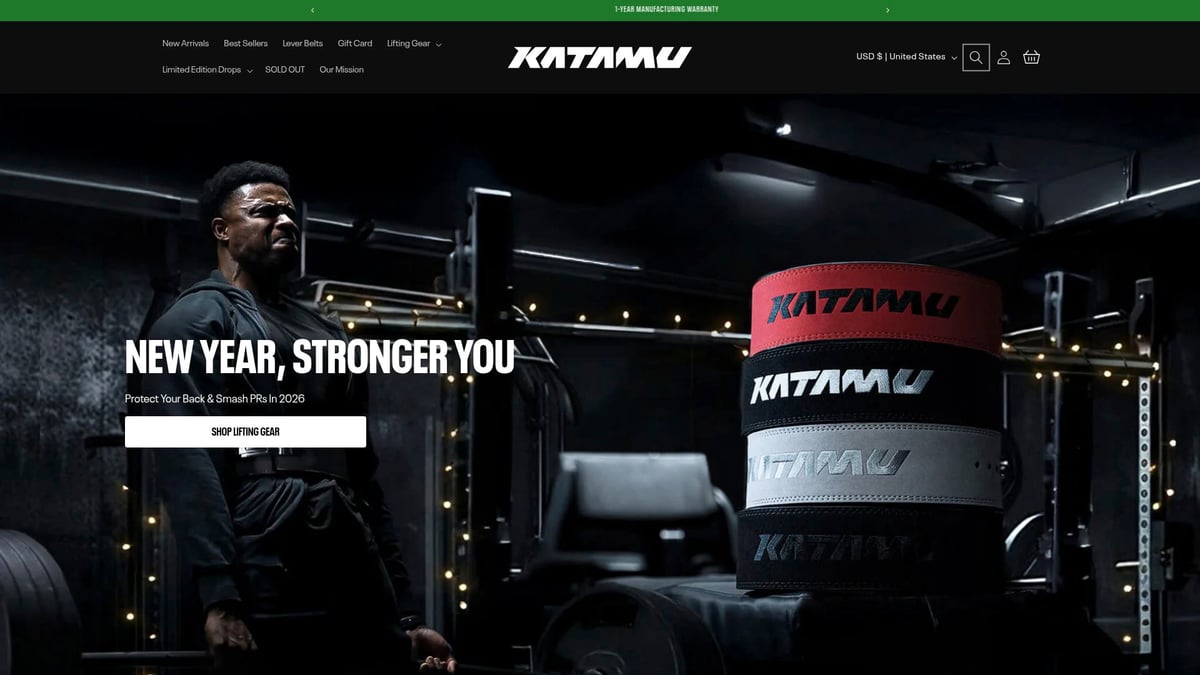
Katamu is known for its artistically themed limited editions, which appeal to collectors and anyone seeking a distinctive look in the gym. The belt’s construction ensures exceptional comfort during heavy squats, deadlifts, and presses, while the 30-day money-back guarantee and 1-year warranty provide peace of mind.
Pros:
- Superior build quality and lasting durability
- Unique, eye-catching designs
- Loyalty program and global shipping
- Free shipping in the USA on orders over $75
Cons:
- Premium pricing may not suit all budgets
- Lever mechanism may not fit every training style
If you demand style as much as strength, this belt is an investment in both confidence and performance.
Beast Power Gear Self-Locking Gym Belt
The Beast Power Gear Self-Locking Gym Belt earns its spot among the best weightlifting belts for 2026 by offering reliable support at a budget-friendly price. The self-locking mechanism and dual closure system ensure a secure fit for both men and women.
The 4-inch wide, durable synthetic material provides flexible support across various lifts, making it versatile for powerlifters, bodybuilders, and casual gym-goers alike. Its lightweight design means it will not weigh you down, even during long sessions. Quick release is handy for fast transitions between exercises.
Pros:
- Highly affordable, especially with current discounts
- Adjustable for multiple body types
- Versatile for different lifting styles
Cons:
- Synthetic construction may not last as long as leather
- Limited color selection
This belt proves that the best weightlifting belts do not always have to break the bank.
10MM Weight Power Lifting Leather Lever Pro Belt
For lifters who prioritize maximum support, the 10MM Weight Power Lifting Leather Lever Pro Belt stands out among the best weightlifting belts. With its 10mm thick genuine leather and lever closure, this belt is engineered for serious powerlifting.
The 4-inch width delivers stability for heavy squats and deadlifts, while the quick-adjust lever makes tightness changes effortless between sets. This belt is built to outlast countless training cycles, making it a favorite for advanced lifters.
Pros:
- Outstanding support for heavy loads
- Fast, reliable lever adjustment
- Rugged, long-lasting leather
Cons:
- Stiffness requires a break-in period
- May feel overbuilt for beginners or lighter training
If you need unwavering support for big lifts, this is one of the best weightlifting belts to consider.
High-Strength Weight Belt with Buckle
The High-Strength Weight Belt with Buckle is ideal for those new to lifting or anyone seeking comfort without sacrificing support. This belt lands among the best weightlifting belts thanks to its adjustable buckle and ergonomic lower back support.
Made from durable yet comfortable material, it is suitable for extended sessions and a wide range of movements. The simple design makes it easy to use and adjust, fitting various body shapes and sizes.
Pros:
- Affordable and accessible for most budgets
- Comfortable for long workouts
- Adjustable fit for multiple users
Cons:
- Lacks specialized features for powerlifting
- Basic design may not offer enough support for maximal lifts
This belt is a solid entry point into the world of the best weightlifting belts, especially for beginners.
Weightlifting Adjustable Lever Belt for Men & Women
The Weightlifting Adjustable Lever Belt for Men & Women is a value-packed option in the best weightlifting belts lineup. Its 10mm leather construction and adjustable lever provide a secure, customizable fit for lifters of all genders.
This belt is designed to support big lifts like squats and deadlifts, while the lever mechanism ensures quick on-off transitions. Sizing is inclusive, making it a great pick for diverse gym populations.
Pros:
- Great price for premium features
- Lever closure is convenient and strong
- Suitable for both men and women
Cons:
- Limited style and color choices
- Lever may require adjustment for perfect fit
For those wanting the best weightlifting belts without overspending, this model balances function and affordability.
Self-Locking Weight Lifting Belt – Green Edition
The Self-Locking Weight Lifting Belt – Green Edition earns a spot in the best weightlifting belts for its blend of quick-release functionality and lightweight design. The heavy-duty stainless steel slide bar buckle and strong Velcro offer rapid adjustments and instant removal.
Ideal for functional fitness and CrossFit, this belt excels in workouts where speed and flexibility are crucial. The synthetic material keeps it light and easy to pack for travel or competitions.
Pros:
- Super fast to put on and remove
- Lightweight and easy to carry
- Secure self-locking fit
Cons:
- Velcro may lose grip with heavy use
- Not as rigid as leather for maximum loads
For athletes who value efficiency and flexibility, this is one of the best weightlifting belts for dynamic training.
Foldable Hip Thrust Belt with Extra Resistance Band
Not every lifter needs a traditional belt. The Foldable Hip Thrust Belt with Extra Resistance Band is one of the best weightlifting belts for glute-focused trainers and home gym users.
Its foldable design and slip-resistant padding make it portable and comfortable, while support for up to 300 lbs allows for serious hip thrusts and accessory work. The included resistance band adds training versatility.
Pros:
- Compact and travel-friendly
- Multi-functional for different exercises
- Excellent for home or gym use
Cons:
- Not intended for maximal heavy lifts
- Niche use case compared to classic belts
If your main goal is glute development or you need a portable solution, this is one of the best weightlifting belts for accessory work.
23.62Inch Fitness Chain, Weight Chain Extension
For advanced lifters seeking to add variety, the 23.62Inch Fitness Chain, Weight Chain Extension deserves mention among the best weightlifting belts for 2026. It is not a belt in the traditional sense but enhances resistance for lifts like triceps extensions, deadlifts, and back squats.
The chain is durable and supports progressive overload, letting athletes push their limits in new ways. It requires plates for loading, making it a versatile addition to any serious training kit.
Pros:
- Durable and built for heavy use
- Adds training variety and challenge
- Suitable for advanced athletes
Cons:
- Requires additional equipment (plates)
- Not a standalone belt
If you want to diversify your training, pairing this with the best weightlifting belts can unlock new strength gains.
Best Weightlifting Belt for Women – Pink Edition
Tailored specifically for female lifters, the Best Weightlifting Belt for Women – Pink Edition shines among the best weightlifting belts for 2026. It features an adjustable self-locking mechanism and a stylish pink design, delivering the right blend of form and function.
The fit is designed for female anatomy, ensuring comfort and support during squats, deadlifts, and presses. This belt is perfect for all experience levels, from beginners to advanced.
For more detail on gender-specific features, see this guide on weightlifting belts for women.
Pros:
- Inclusive sizing for women
- Secure self-locking design
- Combines style with performance
Cons:
- Color may not appeal to everyone
- Velcro durability depends on usage
If you value comfort, style, and support, this is one of the best weightlifting belts designed for women.
Quick Comparison Table
| Belt Name | Closure Type | Material | Target User | Price Range | Best For |
|---|---|---|---|---|---|
| Katamu Lever Belt | Lever | Premium leather | Powerlifters, collectors | $$$ | Powerlifting, all lifts |
| Beast Power Gear Self-Locking Gym Belt | Self-locking | Synthetic | All lifters | $ | General, bodybuilding |
| 10MM Weight Power Lifting Leather Lever Pro Belt | Lever | Leather | Advanced, powerlifters | $$ | Maximal lifts |
| High-Strength Weight Belt with Buckle | Buckle | Synthetic | Beginners, intermediates | $ | General fitness |
| Weightlifting Adjustable Lever Belt | Lever | Leather | Men & women, all levels | $ | Powerlifting, general |
| Self-Locking Weight Lifting Belt – Green Edition | Self-locking | Synthetic | CrossFit, functional | $ | CrossFit, fast workouts |
| Foldable Hip Thrust Belt | Buckle | Synthetic | Glute trainers, home gym | $ | Accessory work |
| 23.62Inch Fitness Chain | Chain | Steel | Advanced lifters | $ | Variable resistance |
| Best Weightlifting Belt for Women – Pink Edition | Self-locking | Synthetic | Women, all levels | $ | Female lifters |
With so many options, you are sure to find the best weightlifting belts for your goals, style, and budget. Choose the one that matches your training needs and lift with confidence.
Weightlifting Belt Maintenance & Care Tips
Keeping your best weightlifting belts in top condition is key for both safety and performance. With a little regular care, you can extend the life of your belt, maintain support, and ensure it always looks and feels great in the gym.
Cleaning and Storage Best Practices
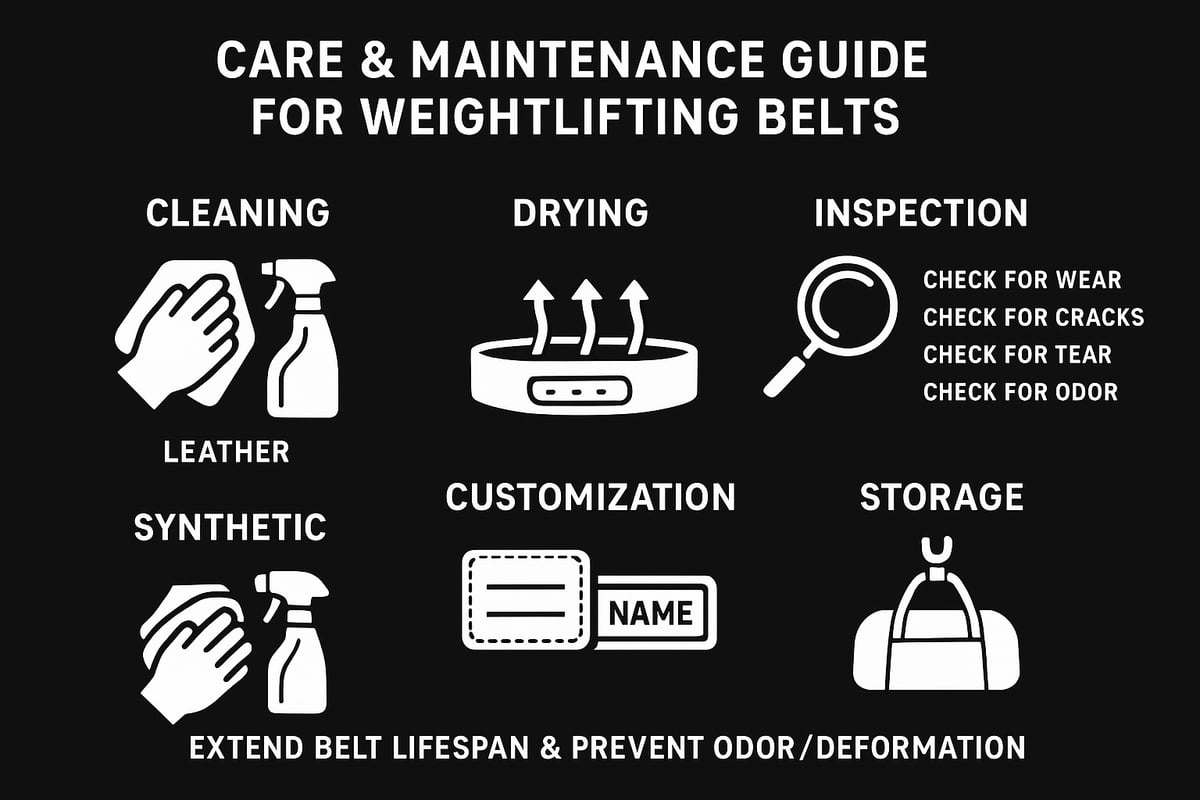
To keep the best weightlifting belts fresh, wipe them down after each session with a damp cloth. For leather belts, use a mild soap or leather cleaner, avoiding soaking. Synthetic belts can be cleaned with gentle detergent and left to air dry. Always avoid direct heat, which can warp or crack materials. Store belts flat or hung up to prevent bending.
Extending Belt Lifespan
Inspect your best weightlifting belts regularly for worn stitching, stretched Velcro, or loose hardware. Replace buckles or levers if they show signs of damage. Many brands offer warranties or maintenance services for repairs. Keeping belts dry and away from sunlight preserves their integrity and ensures years of reliable use.
Customization and Accessories
Personalize your belt with patches, name tags, or unique designs, especially if your brand offers customization options like Katamu’s limited editions. Consider compatible accessories such as lever buckles or carrying bags. For more ideas, check out best gym accessories to pair for ways to enhance your lifting setup and keep your gear organized.
Common Mistakes to Avoid
Avoid over-tightening the best weightlifting belts, which can restrict breathing and reduce effectiveness. Do not use your belt for every exercise; strategic use is best for heavy lifts. Neglecting regular cleaning leads to sweat buildup and odor, shortening the belt’s lifespan. Learn proper wear and care for optimal results.
Storage Solutions for Home and Gym
Store your belt on a wall hook, in a dedicated gym bag, or on a flat surface to prevent deformation. Avoid tossing it in a pile or leaving it in direct sunlight. Proper storage helps the belt maintain its structure and support, ensuring it is always ready for your next big lift.
Frequently Asked Questions About Weightlifting Belts
Navigating the world of the best weightlifting belts means facing plenty of questions, especially if you’re new to lifting or looking to upgrade your gear. Below, we answer the most common queries to help you lift smarter, safer, and with confidence.
Do Weightlifting Belts Really Improve Strength?
Research shows that the best weightlifting belts can help lifters generate greater intra-abdominal pressure, which stabilizes the spine and may boost strength performance. For instance, a study on spinal shrinkage found that belts help reduce spinal compression during heavy lifts. Many competitive lifters and coaches report heavier lifts and safer form when using belts for max attempts. However, long-term gains still depend on consistent training and proper technique.
What’s the Difference Between Lever, Prong, and Velcro Belts?
Choosing among lever, prong, and Velcro belts comes down to your training style and needs. Lever belts offer fast, secure adjustments, making them popular for powerlifting. Prong belts, with single or double prongs, provide traditional adjustability and strong support. Velcro belts are lightweight, easy to tighten or loosen, and often chosen for CrossFit or functional fitness. Each type of best weightlifting belts has unique pros and cons, so consider your lifts and comfort preferences.
| Belt Type | Pros | Cons |
|---|---|---|
| Lever | Quick, secure, sturdy | Less adjustable |
| Prong | Adjustable, classic | Slower to put on/off |
| Velcro | Lightweight, flexible | Less support, wears out |
How Tight Should a Weightlifting Belt Be?
A common mistake is overtightening the belt. The best weightlifting belts should fit snugly but allow you to take a full breath and brace your core. Place the belt around your midsection, above the hips and below the ribs. If you can't expand your abdomen or if breathing is restricted, loosen it slightly. Proper tightness ensures support without sacrificing comfort or technique.
Can Beginners Use Weightlifting Belts?
Absolutely. Beginners can use the best weightlifting belts, especially when learning proper bracing on heavy compound lifts. Start by using a belt for challenging sets of squats or deadlifts, not for every exercise. This approach builds core strength while providing added safety during maximal efforts. Consult a coach or trainer for hands-on guidance if you’re unsure when to introduce a belt.
Are There Belts Specifically for Women or Men?
Yes, some brands offer gender-specific designs tailored to body shape and size. The best weightlifting belts for women may feature shorter lengths, contoured fits, or unique color options. However, many belts are unisex, with inclusive sizing and adjustable features to suit most lifters. Always check the manufacturer’s sizing chart for the best fit.
How Do I Know When to Replace My Belt?
Look for these signs that your belt needs replacing:
- Frayed stitching or worn Velcro
- Cracked leather or bent hardware
- Loss of support or fit
Most of the best weightlifting belts last for years with proper care. If your belt feels unstable or shows major wear, it’s time for a new one. Some brands offer warranties, so keep your purchase details handy.
Are Expensive Belts Worth the Investment?
Premium belts often use higher quality materials, advanced closure systems, and come with better warranties. While budget-friendly options can be effective, the best weightlifting belts in the premium range usually last longer and provide superior support. Many athletes report that investing in a top-tier belt pays off over years of consistent use.
Can I Travel With My Weightlifting Belt?
Yes, you can travel with the best weightlifting belts. Roll or fold your belt to fit in your gym bag or suitcase. Leather belts may be stiffer, so pack them carefully to avoid creasing. At airports, you can place the belt in your carry-on or checked luggage. For competitions, double-check airline rules on carrying fitness equipment.
What Are the Best Accessories to Pair With My Belt?
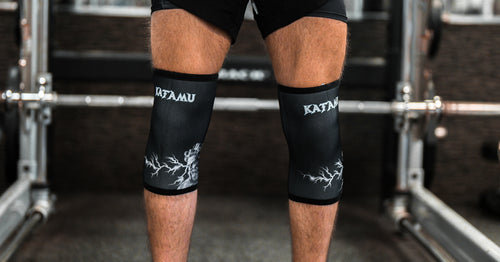
Enhance your lifting setup by pairing the best weightlifting belts with knee sleeves, wrist wraps, and a sturdy gym bag. For example, check out these good wrist straps for lifting to complement your belt and help protect your grip during heavy pulls. A complete kit helps maximize safety and performance for every session.
After exploring the top picks and learning what makes a great weightlifting belt, you’re in the perfect spot to take the next step for your training. Investing in premium gear isn’t just about style—it’s about supporting your progress, protecting your back, and feeling confident every time you lift. If you’re ready to bring home a belt that’ll last for years and match your personality, I’d recommend you Build your setup with Katamu’s standout lever belts. Your strength journey deserves gear that keeps up—let’s make every lift count!
