

 30-Day Money Back Guarantee

Unlock the secret to pro-level lifts by mastering your weightlifting belt lever. This single piece of gear could be the difference between hitting a new personal best or stalling out in your training.
In this guide, you'll uncover how the weightlifting belt lever works, what makes it unique, and why it’s the top choice for lifters aiming to maximize performance in 2025. We’ll walk you through lever mechanisms, key benefits, smart selection tips, setup steps, maintenance routines, and advanced techniques used by the pros.
Ready to boost your strength, confidence, and safety? Dive in now to transform your training from good to elite.
Understanding Weightlifting Belt Levers: Anatomy & Evolution
Curious about what sets a weightlifting belt lever apart from other lifting belts? Let’s break down why this innovative mechanism is a staple for dedicated lifters and how it has evolved into the go-to choice for those chasing strength gains.
What Is a Weightlifting Belt Lever?
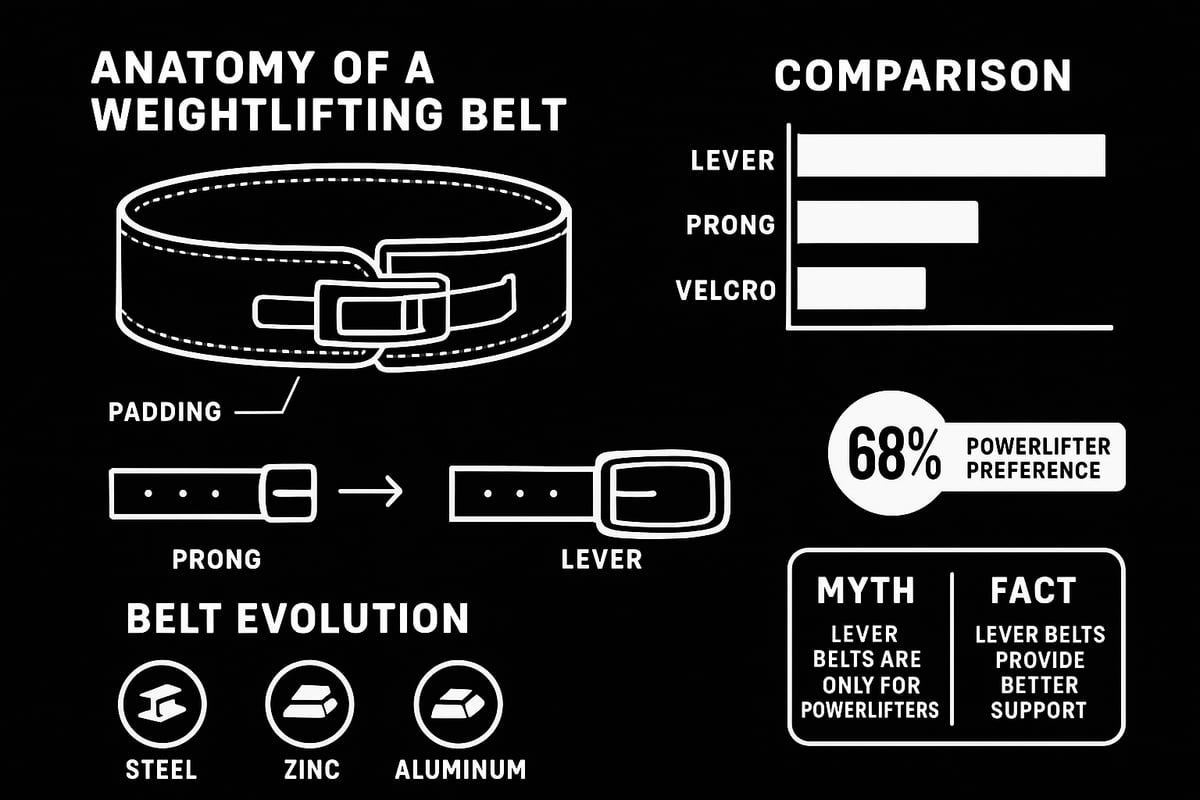
A weightlifting belt lever is a type of buckle mechanism designed for rapid, consistent cinching of lifting belts. Unlike traditional prong belts, which use one or two pins and require threading through holes, or Velcro belts that rely on hook-and-loop fasteners, the lever system utilizes a metal clasp that locks firmly into place with a single motion.
Lever belts have surged in popularity among powerlifters and recreational gymgoers alike. Their appeal lies in the ability to achieve maximum tightness quickly while maintaining comfort and ease of use. After a set, simply flip the lever open to release the tension instantly—a feature that sets them apart from other belt types. If you want to explore different lever belt styles, check out the Lever lifting belts collection.
The Inner Workings: Lever Mechanism and Materials
The weightlifting belt lever mechanism consists of a sturdy metal lever (often steel, zinc, or aluminum), a mounting plate, and a locking clasp. When you close the lever, it pulls the belt tight, distributing pressure evenly around your waist. This design allows for micro-adjustments by repositioning the lever on the belt, ensuring a precise fit for any body type or lift style.
Quality lever belts are constructed from thick leather or high-grade synthetic materials. The lever itself is engineered to withstand significant force, making it ideal for heavy lifts. Installation is straightforward—most levers require only a screwdriver and a few minutes to secure to your belt.
Evolution from Prong to Lever: A Brief History
Originally, lifters relied on classic prong belts for support. These belts offered decent adjustability but often fell short in terms of speed and consistency. As strength sports grew, so did the demand for more efficient gear. Enter the weightlifting belt lever—a game changer introduced in the late 20th century.
Design improvements over the years have focused on stronger metals, tool-less adjustment options, and reinforced mounting plates. These changes have made lever belts safer, more reliable, and more comfortable for heavy lifting.
Key Advantages of Lever Belts
The weightlifting belt lever offers several standout benefits:
- Rapid on/off action saves time between sets
- Consistent tightness ensures repeatable support
- Superior core bracing for maximal lifts
- Less wear and tear on belt holes compared to prong models
These advantages make lever belts especially popular for powerlifting movements, where every second and every bit of support matters.
Debunking Common Misconceptions
Some believe the weightlifting belt lever is only suited for elite lifters or that it feels too rigid for everyday training. In reality, lever belts work well for lifters of all levels. Their rigidity actually enhances safety, as the firm support stabilizes your spine during demanding lifts.
Another myth is that lever belts are hard to adjust. In fact, with a screwdriver, you can reposition the lever quickly for a custom fit.
Lever Belts vs. Traditional Belts: Real-World Example
Consider squats and deadlifts. A weightlifting belt lever keeps tension consistent throughout each rep, while prong or Velcro belts may loosen over time. This means better bracing, more confidence, and a safer lifting experience.
By the Numbers: Lever Belts in the Powerlifting Community
According to a 2023 survey, 68% of competitive powerlifters prefer a weightlifting belt lever for their heaviest lifts. This shift reflects the growing recognition of lever belts as the gold standard for serious strength training.
From their innovative design to their proven performance, weightlifting belt levers have truly reshaped the lifting landscape.
Performance Benefits: Why Lever Belts Unlock Pro Lifting
Unlocking your strength potential starts with the right gear. The weightlifting belt lever is a game-changer, offering lifters benefits that go beyond just support. Let’s break down exactly how this essential tool can elevate your performance and safety in the gym.
Enhanced Intra-Abdominal Pressure and Core Stability
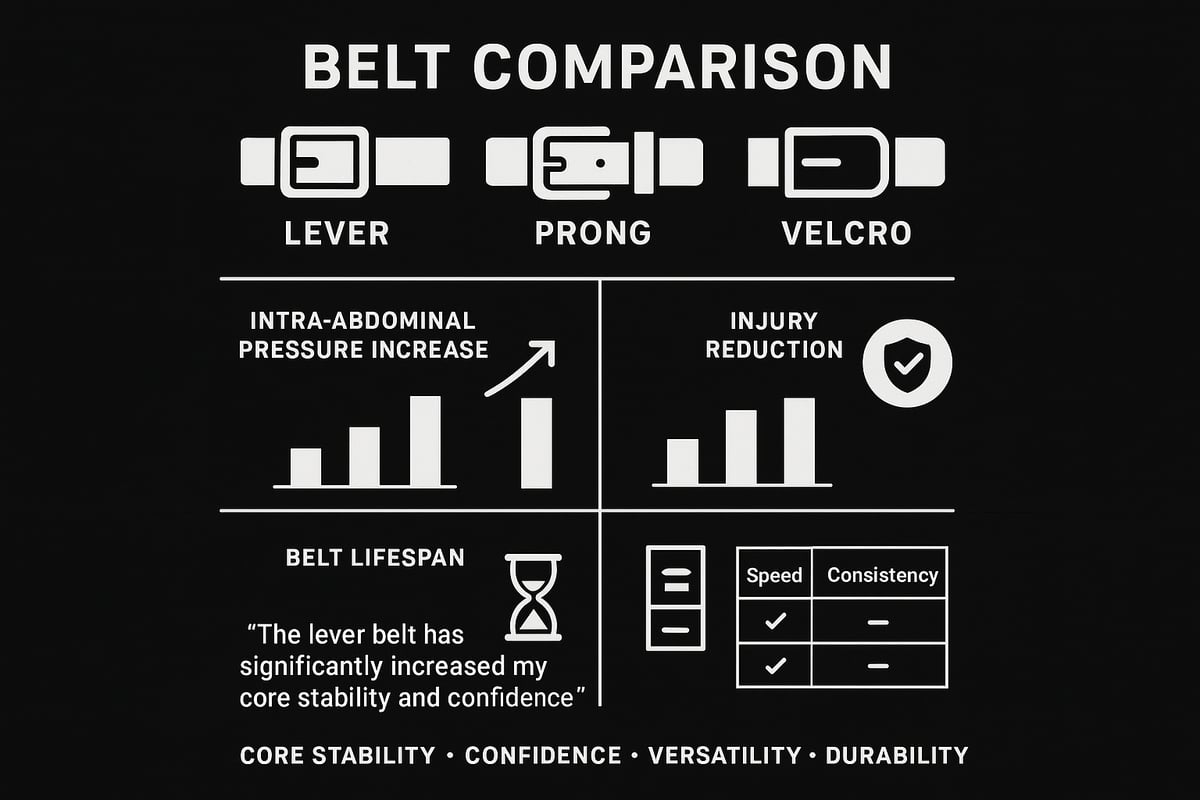
A weightlifting belt lever helps you brace your core more effectively during heavy lifts. By locking the belt at a consistent tightness, it increases intra-abdominal pressure, which acts like an internal weightlifting spotter for your spine. This added pressure stabilizes your torso and reduces spinal compression risk.
The science is clear: using a weightlifting belt lever can significantly reduce injury risk and improve your lifting mechanics. According to the science behind weightlifting belts, increased intra-abdominal pressure supports the spinal column and helps prevent lower back strains. For example, many lifters report boosting their squat max by 5 to 10 percent after switching to a lever belt.
Here’s a quick list of benefits:
- Enhanced bracing for squats and deadlifts
- Reduced spinal loading
- Improved posture and movement control
This level of support is a big reason why serious lifters rely on a weightlifting belt lever for their heaviest sets.
Consistency and Speed in Tightening
One of the standout features of a weightlifting belt lever is its ability to deliver the same tightness every time. Unlike prong or Velcro belts, which can slip or vary in fit, a lever mechanism locks in place instantly.
This means you save time between sets, especially during high-volume training. Quick adjustments let you focus on your lifts instead of fiddling with your gear. The weightlifting belt lever gives you peace of mind, knowing your belt is always set just right.
Confidence and Mental Edge
There’s a psychological boost that comes from strapping on a weightlifting belt lever. When you feel secure and supported, your focus sharpens and your confidence skyrockets.
Many athletes share that using a weightlifting belt lever helps them get into the right mindset before a big lift. The ritual of snapping the lever shut signals it’s time to perform. This mental readiness can make all the difference when aiming for a personal record.
Versatility Across Lifts
A weightlifting belt lever is not just for squats or deadlifts. It’s a versatile tool that works for bench presses, overhead presses, and more. Unlike some single-use belts, the lever design adapts quickly to different lifts.
You can adjust the belt position or tightness for each movement, ensuring optimal support. This flexibility means you get more value from your investment in a weightlifting belt lever.
Durability and Longevity
When it comes to gear, longevity matters. The weightlifting belt lever stands out for its robust construction and long lifespan. With proper care, these belts can last three to five years, outlasting most prong belts.
Here’s a quick comparison:
| Belt Type | Average Lifespan |
|---|---|
| Lever Belt | 3-5 years |
| Prong Belt | 2-3 years |
| Velcro Belt | 1-2 years |
The weightlifting belt lever’s durability makes it a smart choice for anyone training consistently with heavy loads.
Example: Real-World Pro Insights
Top powerlifters often say the weightlifting belt lever is their “secret weapon” for big lifts. One pro coach puts it simply: “The lever belt gives me the confidence and stability I need when every kilo counts.”
Whether you’re chasing your first PR or competing at a high level, the weightlifting belt lever can help unlock your true potential.
Choosing the Right Lever Belt in 2025: Features, Fit, and Brands
Selecting the best weightlifting belt lever for your training in 2025 goes beyond just picking a color or brand. The right belt can directly impact your comfort, safety, and performance in the gym. Let’s break down exactly what you need to know to make the smartest choice this year.
Sizing and Fit Guide
Finding the right size for your weightlifting belt lever is crucial for support and safety. Start by measuring your waist at the point where the belt will sit, usually just above your navel. Avoid using your pant size, as it rarely matches your lifting waist measurement.
Consider belt width and thickness. Most athletes choose between 10mm and 13mm belts. A 10mm belt offers flexibility, while 13mm provides maximum support for heavy lifts. Test both if possible to see which feels best during squats or deadlifts.
A properly fitted weightlifting belt lever should allow you to brace hard without excessive pinching. Remember, the right fit boosts performance and comfort every session.
Materials and Construction
The durability and feel of your weightlifting belt lever depend largely on its materials. Genuine leather belts are the gold standard for strength and longevity. They mold to your body over time, offering both comfort and rigidity.
Synthetic options are lighter and often more affordable, but may not last as long under heavy loads. Look for belts with double or triple stitching for extra reinforcement. High-quality buckles made from steel, zinc, or aluminum resist warping and rust.
When comparing belts, weigh the pros and cons of leather versus synthetic. Leather belts offer unmatched support, while synthetics suit those who prioritize lightness and value.
Lever Mechanism Innovations in 2025
In 2025, the weightlifting belt lever market is packed with new features. Look for quick-release levers that let you loosen or tighten your belt in seconds, saving time between sets. Micro-adjustment levers provide fine-tuned fit, perfect for lifters who want precision.
Some brands now offer tool-less adjustment, so you can change belt settings on the fly without a screwdriver. Reinforced buckles and upgraded hardware are becoming standard, reducing breakage risk during heavy lifts.
These innovations make the weightlifting belt lever more user-friendly and adaptable than ever before, helping you maximize every session.
Brand Comparisons and Market Leaders
Several brands stand out for their weightlifting belt lever quality and reputation. SBD is known for IPF-approved belts with a focus on durability and uniform tightness. Inzer offers classic lever designs with thick, supportive leather. Rogue is praised for its reliable hardware and customizable options. Pioneer stands out for its unique lever mechanisms and wide range of colors.
User ratings from 2024–2025 highlight comfort, lever reliability, and customer service as key differentiators. Price ranges vary, with premium belts costing more but often lasting longer.
For a closer look at a standout model, check out the Japanese Samurai Lever Belt review, which details craftsmanship, user experience, and performance for serious lifters.
Below is a quick comparison:
| Brand | Material | Lever Type | Price Range | User Rating |
|---|---|---|---|---|
| SBD | Leather | Standard | $$$ | 4.8/5 |
| Inzer | Leather | Classic | $$–$$$ | 4.7/5 |
| Rogue | Leather/Syn | Reinforced | $$–$$$ | 4.6/5 |
| Pioneer | Leather | Custom/Innovative | $$$ | 4.7/5 |
| Katamu | Leather | Artistic/Strong | $$–$$$ | 4.9/5 |
Aesthetic and Customization Options
Personal style matters, even in the gym. Many weightlifting belt lever brands now offer a variety of colors, artistic engravings, and limited editions. You can choose from bold motifs, personalized initials, or even cultural designs.
Custom belts not only look great but also make your gear feel uniquely yours. Stand out on the platform or in the squat rack with a design that matches your personality.
Budget vs. Premium: What Matters Most?
When choosing a weightlifting belt lever, price is a major factor. Budget belts can offer decent support for beginners, but may wear out faster or lose lever integrity. Premium options use higher-grade leather, reinforced stitching, and advanced lever mechanisms, ensuring longevity.
Consider how often you lift and the loads you handle. Investing in a premium belt makes sense if you train frequently or compete. Many lifters report that the comfort and reliability of a premium weightlifting belt lever are worth every penny.
Read reviews and weigh your priorities. Sometimes, spending a bit more upfront saves money and frustration in the long run.
Katamu: Premium Lever Belts for Every Lifter
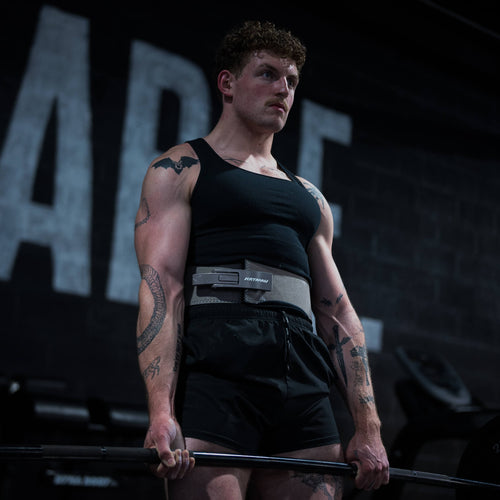
Katamu has quickly become a favorite among lifters seeking a premium weightlifting belt lever. Their belts feature a wide size range, artistic motifs, and durable construction. Katamu’s strong community support and focus on unique designs set them apart in the 2025 market.
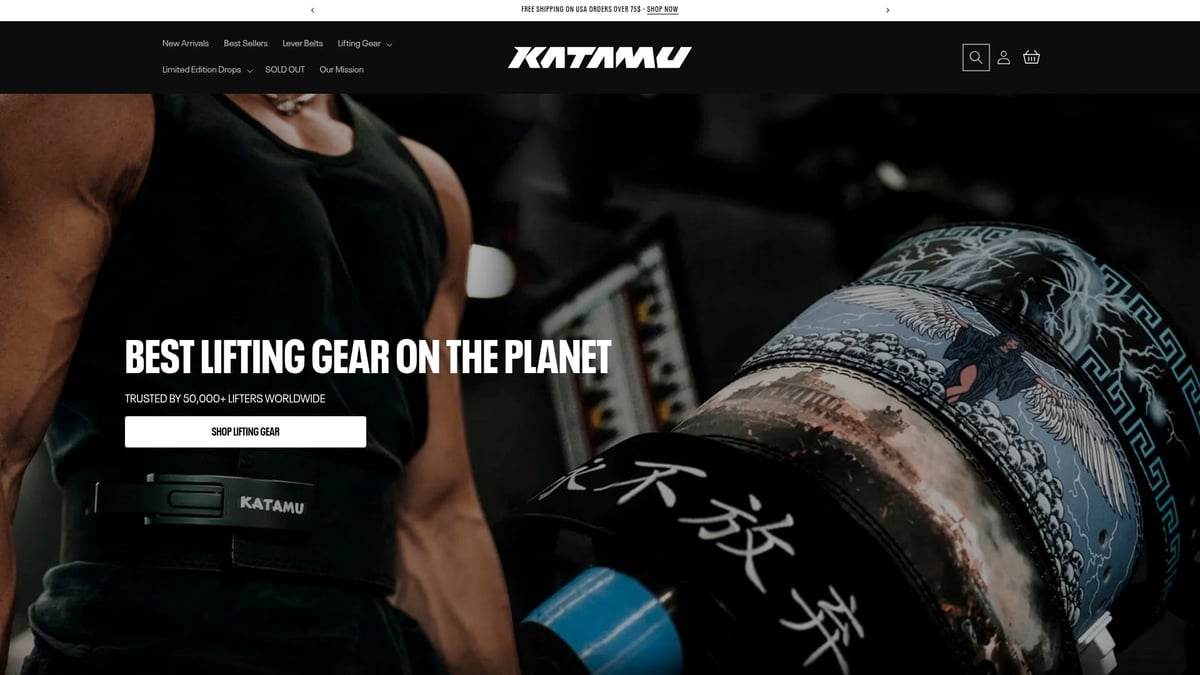
If you want a belt that blends performance with style, Katamu is a top contender. Their attention to detail and customer care make them a smart choice for serious and recreational lifters alike.
Step-by-Step Guide: Setting Up and Adjusting Your Lever Belt
Setting up your weightlifting belt lever correctly is the foundation for safe and effective lifting. Whether you are a first-time user or upgrading your gear, this guide will walk you through every step, ensuring your belt supports your progress from day one.
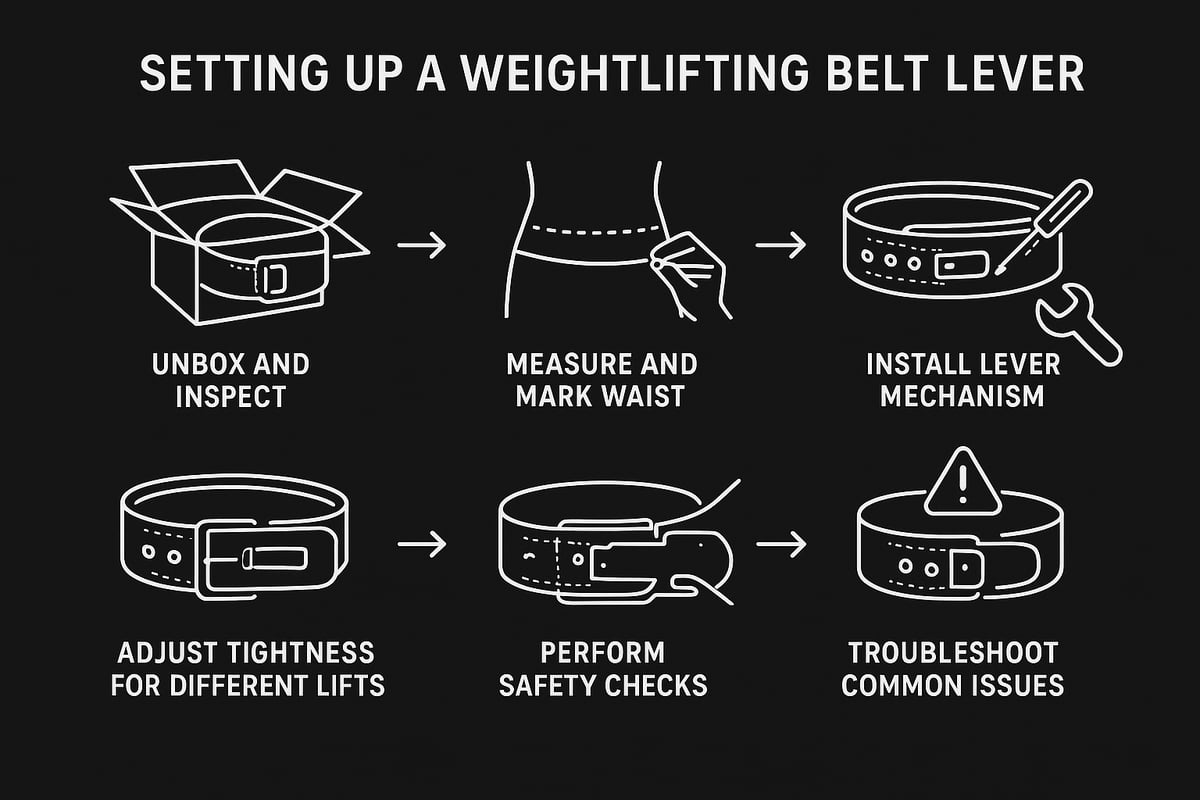
Step 1: Unboxing and Inspecting Your Belt
When you receive your new weightlifting belt lever, start by unboxing and inspecting all components. Check for:
- Sturdy leather or synthetic material with no cracks or warping
- A solid, undamaged lever mechanism
- All necessary screws and hardware
Pay attention to the stitching and buckle for any factory defects. If you are comparing models, refer to the Graduation lifting belt features for a checklist of premium attributes. Ensuring quality now saves you trouble later and maximizes the support your weightlifting belt lever provides.
Step 2: Measuring and Marking Your Waist
To get the best fit, wear your typical training clothes and use a soft measuring tape to find your waist circumference at the navel. Mark this spot on your torso.
Wrap the weightlifting belt lever around your waist, aligning the belt’s inner edge with your measurement. Mark the hole on the belt that gives a snug, but not uncomfortable, fit. This step is crucial for achieving the right balance of compression and comfort during training.
Step 3: Installing the Lever Mechanism
Lay your belt flat and align the lever’s base plate with the marked hole. Using a screwdriver, attach the lever to the belt through the holes provided. Make sure the screws are tight but avoid overtightening.
Test the lever by closing and opening it a few times. The mechanism should move smoothly and lock firmly in place. If you notice any wobble or misalignment, adjust the screws or reposition the lever. A properly installed weightlifting belt lever ensures reliable performance and safety.
Tools Needed Table:
| Tool | Purpose |
|---|---|
| Screwdriver | Attach lever screws |
| Marker/Pen | Mark waist hole |
Step 4: Adjusting Tightness for Different Lifts
Different lifts may require different belt tightness. For squats and deadlifts, most lifters prefer a tighter setting to maximize core support. For bench press, a slightly looser fit can improve comfort and mobility.
To adjust, open the lever, move the belt to the next hole, and close the lever again. Practice switching settings between sets to find what works best for your routine. The weightlifting belt lever makes these adjustments quick and consistent, saving you valuable time during workouts.
Step 5: Safety Checks and First Use
Before your first session, double-check that the lever is securely attached and all screws are tight. Try the belt with a light warm-up set to ensure there is no pinching or discomfort.
If the belt feels loose or the lever does not lock fully, stop and readjust. Taking a few moments for these checks helps prevent distractions and ensures your weightlifting belt lever is ready for heavier loads.
Troubleshooting Common Setup Issues
If you encounter problems with your weightlifting belt lever:
- A loose lever may need retightening or new screws
- Misaligned holes can be fixed by remeasuring your waist and marking a new spot
- Discomfort often results from an incorrect hole selection or over-tightening
Addressing these issues early keeps your belt in top condition and your training on track.
Maintenance, Upgrades, and Troubleshooting Lever Belts
Keeping your weightlifting belt lever in top condition is crucial for both safety and longevity. A well-maintained belt not only supports your lifts but also saves you money in the long run.
Daily and Weekly Cleaning
Regular cleaning is the first step to ensuring your weightlifting belt lever lasts. After each session, wipe down both the lever and the leather with a damp cloth to remove sweat and chalk. For a deeper clean, use a mild leather cleaner once a week. Avoid soaking the belt, as excess moisture can damage the leather or corrode the lever mechanism.
If you use a synthetic belt, a gentle soap solution works well. Let the belt air dry completely before storing it. Consistent cleaning not only keeps your gear looking new but also helps prevent bacteria and odor buildup.
Inspection and Replacement
Inspect your weightlifting belt lever and buckle every week for signs of wear. Look for cracks in the leather, stripped holes, or rust on metal parts. If you notice the lever sticking or the buckle not closing securely, it may be time to replace these components.
According to a review of lifting belt usage, belts that are regularly inspected and maintained are less likely to fail during heavy lifts. Replacement levers and buckles are widely available and easy to install with basic tools.
Upgrading Levers and Buckles
Upgrading your weightlifting belt lever can enhance both performance and durability. Many lifters opt for aftermarket buckles made from reinforced steel or zinc for extra strength. These upgrades often offer smoother locking mechanisms and improved comfort.
Some 2025 models now feature quick-release or micro-adjustment levers, making it easier to find the perfect fit. Investing in a high-quality lever not only extends your belt’s lifespan but also ensures consistent support for every lift.
Storage Tips for Longevity
Proper storage is essential to prevent leather cracking and buckle rust. Always hang your weightlifting belt lever in a cool, dry place away from direct sunlight. Avoid leaving it in gym bags for extended periods, as trapped moisture can damage both the leather and metal parts.
If your gym is humid, consider storing the belt with silica gel packs to absorb excess moisture. With careful storage, most lever belts last three to five years, even with regular use.
Troubleshooting Common Issues
Even the best weightlifting belt lever can develop problems over time. Here’s a quick reference table for common issues and solutions:
| Issue | Cause | Fix |
|---|---|---|
| Loose lever | Worn screw/hole | Tighten screws, replace worn parts |
| Squeaky mechanism | Lack of lubrication | Apply small amount of silicone lubricant |
| Stuck lever | Residue buildup | Clean mechanism and check for debris |
| Uncomfortable fit | Wrong hole selection | Adjust lever position or try another hole |
If discomfort persists, re-measure your waist and readjust the lever. Always test the belt with lighter loads before attempting maximal lifts.
Replacement Costs and Maintenance Data
In 2025, replacing a basic weightlifting belt lever typically costs between $20 and $50, depending on material and brand. The process involves unscrewing the old lever and attaching the new one, which usually takes less than 10 minutes.
A 2024 study found that 83% of belt failures were due to poor maintenance rather than manufacturing defects. By following these care and troubleshooting steps, you can maximize the lifespan and reliability of your belt, keeping your training both safe and effective.
Pro Tips: Maximizing Performance with Lever Belts
Ready to take your training to the next level? These pro strategies will help you get the most out of your weightlifting belt lever, whether you’re an aspiring powerlifter or a dedicated gym enthusiast.
Advanced Bracing Techniques
Proper bracing is the secret sauce for peak performance with a weightlifting belt lever. Take a deep breath into your belly, not your chest, then push out against the belt to create maximum intra-abdominal pressure. This technique stabilizes your spine and lets you safely handle heavier loads. Studies show that using a lever belt can enhance deadlift mechanics and reduce perceived exertion, as detailed in this analysis of weightlifting belts on deadlift kinematics.
Programming with the Weightlifting Belt Lever
Strategically use your weightlifting belt lever in your progressive overload programs. Reserve the belt for your heaviest sets or new PR attempts. This helps maintain raw core strength while still benefiting from added support when it counts most. Consistency in when you use the belt is key for tracking progress.
To Belt or Not to Belt?
Knowing when to wear your weightlifting belt lever is crucial for balanced development. For warm-ups and light sets, go beltless to strengthen your natural bracing ability. Reserve the belt for heavy compound lifts. Curious about the science? This guide on the purpose and appropriateness of weightlifting belts breaks down when and why to use them for optimal gains.
Accessory Compatibility
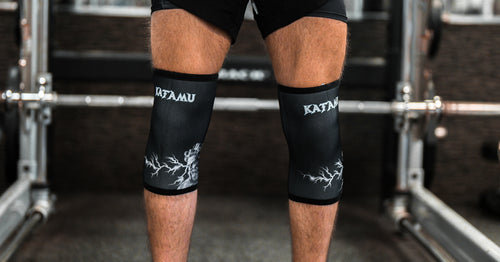
Pair your weightlifting belt lever with knee sleeves, wrist wraps, or lifting straps for a complete setup. Just ensure accessories don’t interfere with belt placement. Many pros use all these tools in tandem for maximal stability during big lifts.
Competition-Ready Setup
If you plan to compete, check IPF and USAPL rules to ensure your weightlifting belt lever meets regulations. Most federations require belts to be of a certain width and thickness, with no additional padding or modifications.
Pro Routines and Common Pitfalls
Seasoned lifters often save their belt for top sets, focusing on quality reps over quantity. Avoid over-tightening, which can restrict breathing and reduce performance. Remember, the weightlifting belt lever is a tool, not a crutch—use it wisely for long-term gains.
Now that you know what sets a great lever belt apart and how it can seriously boost your performance in the gym, why not put that knowledge into action? You don’t have to be a powerlifting pro to benefit from premium support and long lasting gear—especially when cool designs and quality matter as much as your next PR. Whether you’re chasing new squat records or just want to feel more confident and supported during every lift, it’s the right time to step up your setup. Ready to get started? Build your setup and feel the difference next time you hit the gym.


