 30-Day Money Back Guarantee

Whether you're pulling heavy deadlifts, cranking out high-rep rows, or working through an intense back session, your grip can become the limiting factor long before your target muscles reach failure. Straps for workout sessions have become essential tools for lifters who want to maximize their training potential without being held back by forearm fatigue. These simple yet effective accessories bridge the gap between your grip strength and your body's true lifting capacity, allowing you to focus on building muscle and strength rather than worrying about the bar slipping from your hands.
Understanding Different Types of Straps for Workout
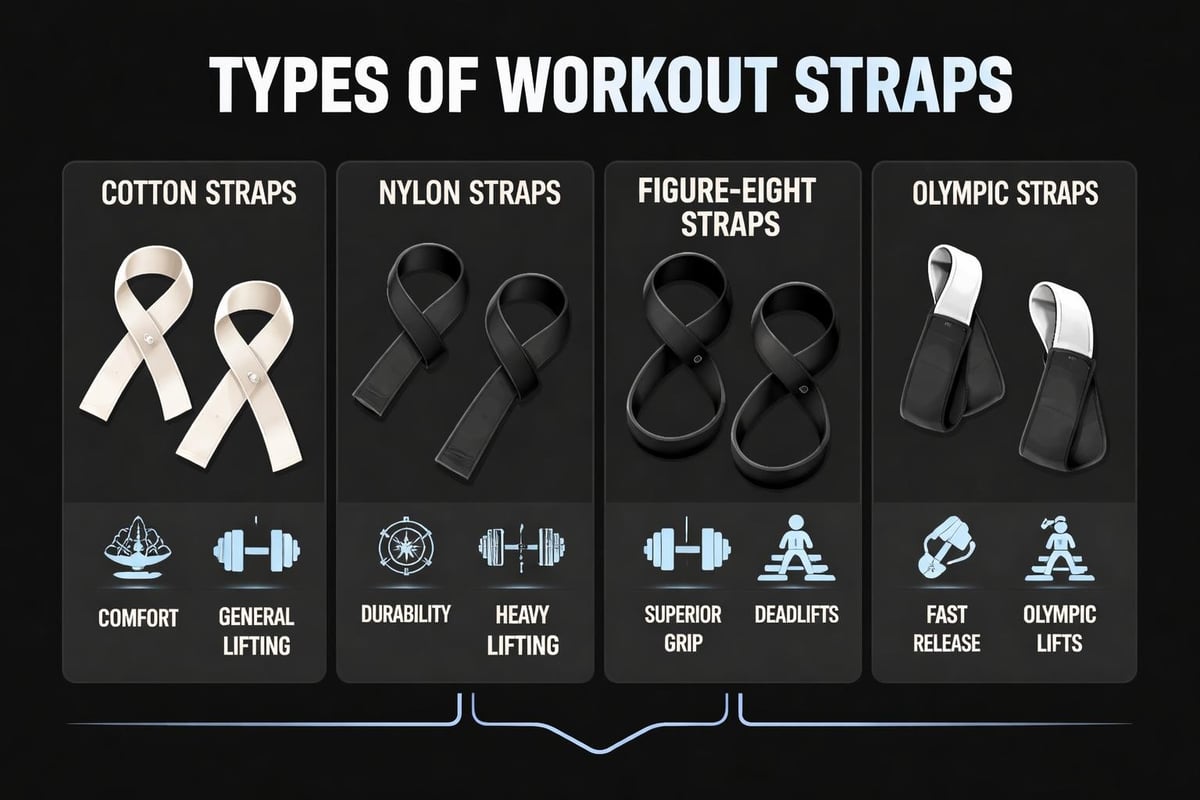
The market offers several distinct varieties of lifting straps, each designed with specific training goals and preferences in mind. Cotton straps remain the most popular choice among recreational lifters due to their comfortable feel and forgiving nature during setup. These traditional straps provide excellent grip support while being gentle on the skin, making them ideal for extended training sessions.
Nylon lifting straps offer superior durability and a more aggressive grip on the barbell. Their slightly abrasive texture creates exceptional friction against the bar, though some lifters find them less comfortable during high-volume workouts. The material withstands wear significantly better than cotton alternatives, often lasting years of consistent use.
Specialty Strap Designs
Figure-eight straps represent a third category that eliminates the winding process entirely. These straps loop around both your wrist and the barbell simultaneously, creating an incredibly secure connection that's particularly valuable during maximum effort pulls. Research on lifting strap effects demonstrates how these tools can enhance performance metrics during deadlift variations.
Olympic lifting straps feature a shorter length and quicker release mechanism, catering to athletes who need to bail from lifts safely. While less common in traditional strength training, they serve specific purposes in dynamic pulling movements.
Benefits of Incorporating Straps for Workout Sessions
Grip strength develops more slowly than the larger muscle groups in your back, legs, and posterior chain. This biological reality creates a common training scenario where your hands fail before your lats, traps, or hamstrings reach meaningful fatigue. Straps for workout eliminate this bottleneck, allowing you to achieve true muscular failure in your target areas.
Key advantages include:
- Extended time under tension for back muscles during rowing movements
- Ability to handle heavier loads during deadlift variations
- Reduced forearm pump that can limit training volume
- Enhanced mind-muscle connection by removing grip concerns
- Protection against callus tears during high-volume pulling sessions
The benefits of using lifting straps extend beyond simple grip assistance. They enable progressive overload in pulling exercises even when grip strength plateaus, supporting continued muscle growth and strength development. Many lifters discover they can add 10-20% more weight to exercises like barbell rows and Romanian deadlifts when using straps properly.
Performance Enhancement Data
| Exercise Type | Average Load Increase | Volume Improvement | Perceived Exertion Reduction |
|---|---|---|---|
| Deadlifts | 15-20% | 2-3 additional reps | 15-20% lower grip strain |
| Barbell Rows | 10-15% | 3-4 additional reps | 20-25% lower forearm fatigue |
| Pull-Ups | N/A | 2-4 additional reps | 10-15% reduced grip focus |
| Shrugs | 20-30% | 4-6 additional reps | 25-30% lower hand discomfort |
Beyond the numbers, straps fundamentally change how you experience heavy pulling movements. Your mental focus shifts from maintaining grip to driving through the movement with your target muscles.
Proper Technique for Using Straps for Workout
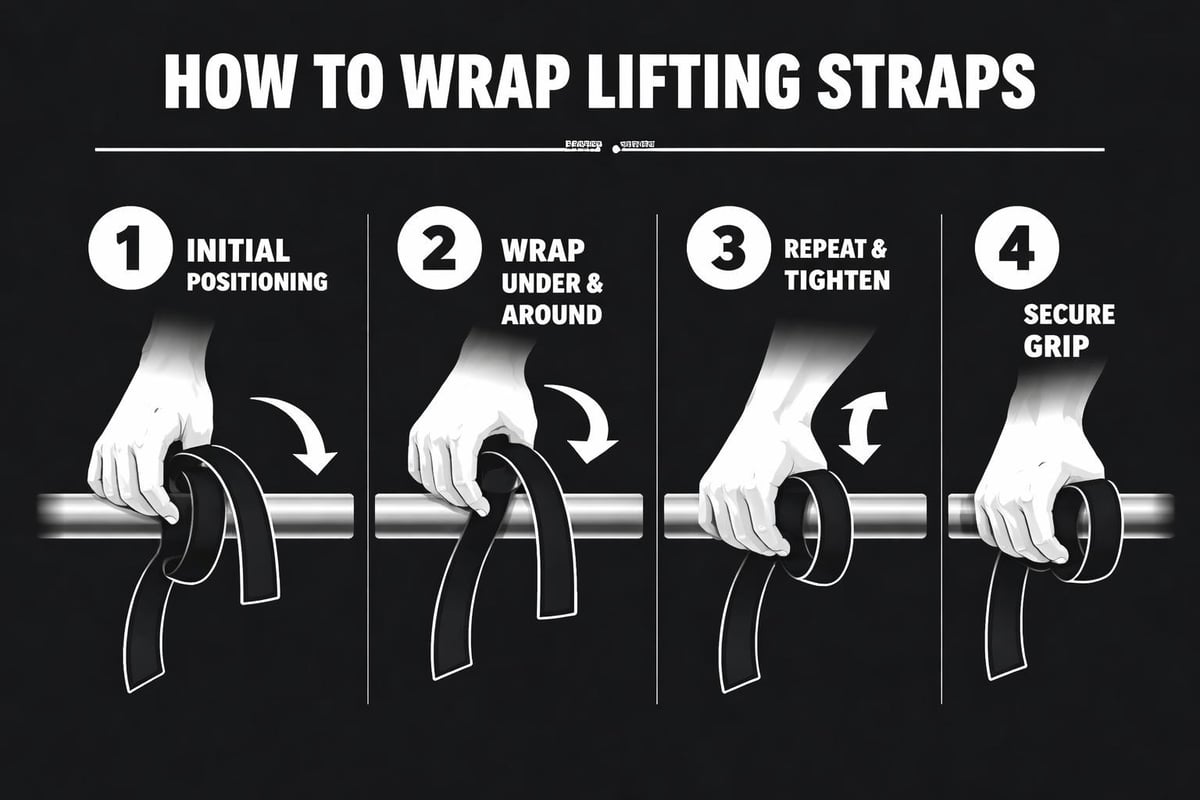
Mastering the setup process ensures maximum security and allows you to reap the full benefits of these accessories. Start by threading the strap through the loop to create a larger circle. Slide your hand through this opening, positioning the strap at the base of your palm where it meets your wrist.
Step-by-step setup process:
- Position the strap around your wrist with the tail hanging down
- Grab the barbell with a normal grip
- Wrap the tail around the bar, going under first
- Continue wrapping over the top, creating 2-3 tight wraps
- Roll your wrist back to tighten the connection
- Ensure the strap winds in the direction your fingers close
The wrapping direction matters significantly. When you grip the bar, the strap should tighten as you pull rather than unravel. For a right hand, wrap clockwise when looking at the bar from above. Reverse this for the left hand. Understanding how to use lifting straps effectively prevents slippage and maximizes the security benefit.
Common Setup Mistakes
Many beginners wrap the straps too loosely, defeating their purpose entirely. The connection between your wrist and the bar should feel secure before you even begin the lift. Another frequent error involves wrapping in the wrong direction, which causes the strap to unwind under load.
Some lifters position straps too high on the wrist, creating uncomfortable pressure points and reducing stability. The optimal placement sits right at the wrist joint, distributing force evenly across the area.
Strategic Implementation in Training Programs
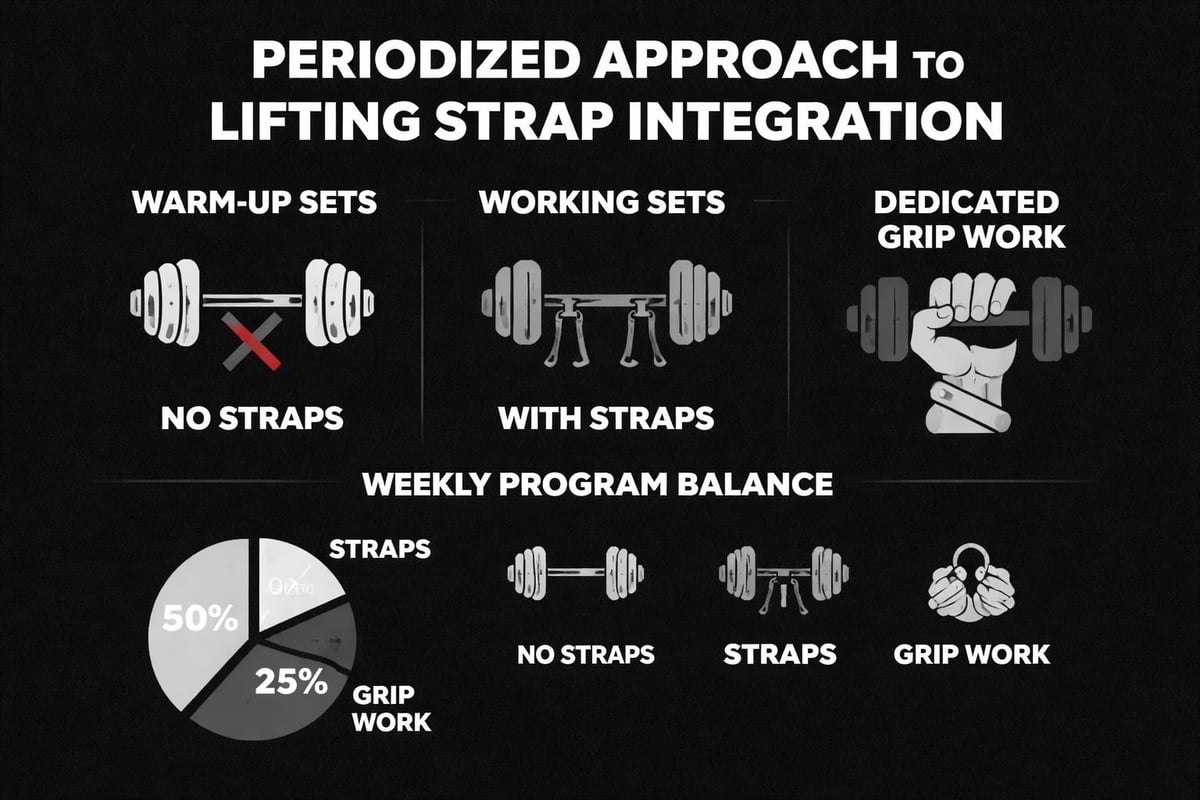
Straps for workout shouldn't replace grip training entirely, but rather complement a well-rounded strength program. Reserve strap use for your heaviest working sets and high-volume back training where grip becomes the limiting factor. Early warm-up sets and lighter accessory work should typically proceed without assistance, maintaining baseline grip strength.
Recommended strap usage by exercise:
- Deadlifts: Work up to 80-85% of max without straps, use for top sets
- Barbell Rows: Deploy for sets exceeding 8-10 reps or heavy working weights
- Rack Pulls: Utilize consistently since focus is overload training
- Romanian Deadlifts: Beneficial for higher rep sets (10-15 reps)
- Pull-Ups/Chin-Ups: Reserve for final burnout sets or weighted variations
- Shrugs: Highly recommended due to extended time under tension requirements
This balanced approach maintains grip development while unlocking greater training stimulus for your back and posterior chain. Studies on deadlift performance indicate that strategic strap use doesn't compromise overall strength development when programmed intelligently.
Your training split influences optimal strap deployment. On dedicated back days with high pulling volume, straps prevent accumulated grip fatigue from limiting later exercises. During full-body sessions, you might reserve them exclusively for the heaviest compound movement.
Straps for Workout vs. Alternative Grip Aids
The lifting accessory market offers several grip-enhancing options beyond traditional straps. Understanding how these tools compare helps you select the right equipment for your specific needs and training style.
Chalk improves friction without mechanical assistance, making it suitable for lifters who want to develop raw grip strength. It works excellently for moderate weights but eventually becomes insufficient as loads increase. Many gyms restrict chalk use, limiting its practicality.
Lifting hooks provide similar benefits to straps with faster setup and release times. They're particularly popular for exercises like shrugs and high-rep rows. However, they can feel less secure during maximum effort lifts and typically cost more than quality straps.
Equipment Comparison Matrix
| Feature | Lifting Straps | Chalk | Hooks | Gloves |
|---|---|---|---|---|
| Grip Support Level | High | Low-Medium | High | Low |
| Setup Time | 10-15 seconds | 5 seconds | 5 seconds | 1 minute |
| Price Range | $15-30 | $8-15 | $25-40 | $20-35 |
| Durability | 2-5 years | N/A (consumable) | 3-7 years | 6-12 months |
| Gym Acceptance | Universal | Restricted | Universal | Universal |
Mixed grip and hook grip represent technique-based alternatives that require no equipment. While functional for some lifters, they create asymmetrical loading patterns or significant thumb discomfort respectively. Neither matches the pure grip assistance that straps provide.
Premium lifting straps from quality manufacturers combine durability with comfortable materials that won't tear skin or degrade quickly. Investing in well-constructed straps pays dividends over years of consistent use.
Addressing Common Concerns and Criticisms
Some fitness circles criticize straps for workout use, claiming they create dependence or weaken grip strength. These concerns deserve examination through a practical training lens rather than dogmatic thinking.
The "dependency" argument assumes binary thinking where you either use straps for everything or nothing. In reality, intelligent programming includes both strapped and unstrapped work. Your competition lifts in powerlifting don't allow straps, so you'll naturally train without them for specificity. But assistance work benefits tremendously from their use.
Weighing Practical Considerations
Evaluating the pros and cons of lifting straps reveals that the disadvantages primarily emerge from misuse rather than the tool itself. Beginners who immediately adopt straps for all pulling movements may indeed shortchange their grip development. However, intermediate and advanced lifters using them strategically experience mostly upside.
Legitimate concerns include:
- Potential skill degradation in maintaining proper hook grip technique
- Reduced callus development leading to tears when training without straps
- Over-reliance preventing grip strength progression
- Setup time adding minutes to workout duration
Counterbalancing factors:
- Dedicated grip training exercises compensate for any strength gaps
- Progressive overload in back muscles accelerates overall development
- Injury prevention from avoiding grip-related form breakdown
- Enhanced training enjoyment and exercise variety
The biomechanics of pulling movements reveal that back muscle development drives overall physique improvements far more than forearm size. While grip strength matters, it shouldn't artificially limit your lat and trap growth for years while you slowly develop hand strength.
Maintenance and Longevity of Your Straps
Quality straps for workout endure years of heavy use when properly maintained. After each training session, allow your straps to air dry completely before storing them. Moisture trapped in fabric creates bacterial growth and accelerates material breakdown.
Washing guidelines:
- Hand wash monthly with mild detergent
- Rinse thoroughly to remove all soap residue
- Air dry completely away from direct heat sources
- Avoid machine washing which damages stitching
- Never use fabric softener which reduces grip friction
Inspect stitching regularly for signs of fraying or separation. The connection points between the loop and tail experience the most stress, making them prime failure zones. Replace straps immediately if you notice significant wear in these areas, as catastrophic failure mid-lift poses injury risks.
Storage matters more than many lifters realize. Loosely coiling straps and placing them in a breathable gym bag compartment prevents permanent creasing and material fatigue. Avoid leaving them compressed under heavy equipment or in hot vehicles where temperature extremes degrade fabric integrity.
Extending Equipment Lifespan
Rotating between two pairs of straps doubles their effective lifespan by reducing wear on any single set. This approach also provides a backup option if one pair needs washing or sustains damage before a crucial training session. Premium materials from quality gym accessories justify their cost through years of reliable performance.
Different materials require varying care approaches. Cotton straps tolerate washing better than nylon but may shrink slightly with heat exposure. Nylon resists moisture damage but can develop rough spots that irritate skin. Understanding your strap material helps optimize maintenance routines.
Specialized Applications Beyond Traditional Lifting
While primarily associated with barbell work, straps for workout extend their utility to various training modalities. Suspension training systems like TRX rely on straps as the fundamental equipment component, enabling hundreds of bodyweight exercise variations. Learning to use TRX straps opens up training possibilities that complement traditional strength work.
Alternative strap applications include:
- Cable machine exercises where handle grip limits performance
- Dumbbell rowing movements with exceptionally heavy loads
- Farmer's walks and loaded carries during conditioning work
- Gymnastics ring training for extended hold times
- Rehabilitation exercises requiring grip support
Flexibility work benefits from stretching straps that facilitate deeper ranges of motion. These specialized tools help achieve positions that tight muscles prevent, supporting mobility development alongside strength training. Stretch strap applications demonstrate how simple fabric accessories enhance various training aspects.
Creative Training Solutions
Advanced lifters incorporate straps into unconventional exercises like strap-supported push-ups, where the elevation challenges stability and engages different muscle fibers. Cluster sets with rapid strap deployment between mini-sets enable unique loading parameters that stimulate fresh adaptations.
Drop sets become more practical with straps, allowing quick transitions between weights without grip fatigue limiting the technique's effectiveness. You can strip plates from the bar and immediately continue your set with reduced load, maximizing metabolic stress.
Selecting the Right Straps for Your Training Style
Individual training goals and preferences should guide your strap selection. Powerlifters benefit from figure-eight designs that maximize security during limit attempts, while bodybuilders often prefer cotton straps for comfort during high-volume sessions.
Selection criteria by training focus:
| Training Style | Recommended Type | Key Features | Typical Budget |
|---|---|---|---|
| Powerlifting | Figure-Eight or Nylon | Maximum security, quick setup | $25-35 |
| Bodybuilding | Cotton or Padded | Comfort, skin protection | $15-25 |
| CrossFit | Olympic Style | Quick release, versatility | $20-30 |
| General Fitness | Basic Cotton | Affordability, ease of use | $12-20 |
Wrist size influences fit considerably. Adjustable straps accommodate various hand sizes, while fixed-length options require careful sizing. Measure your wrist circumference and compare it against manufacturer specifications before purchasing.
Material thickness affects both comfort and security. Thicker straps distribute pressure more evenly but create bulkier setups around the bar. Thinner varieties pack smaller but may dig into skin during heavy loads. Testing different thicknesses helps identify your preference.
Aesthetic considerations matter when you're investing in gear that represents your training dedication. Premium manufacturers offer straps in various colors and designs that match your personal style while maintaining functional excellence. Quality wrist wraps and other accessories should coordinate with your straps for a cohesive gym kit.
Integration with Complete Lifting Accessory Systems
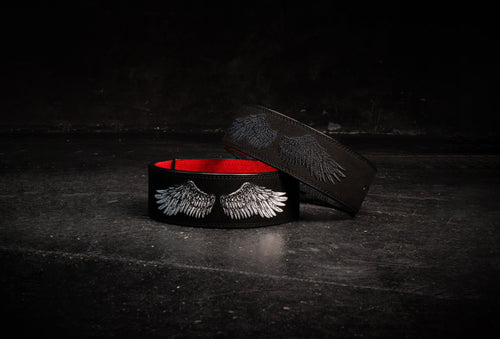
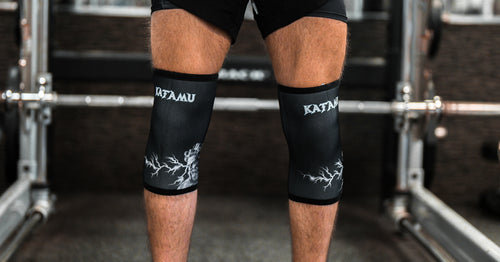
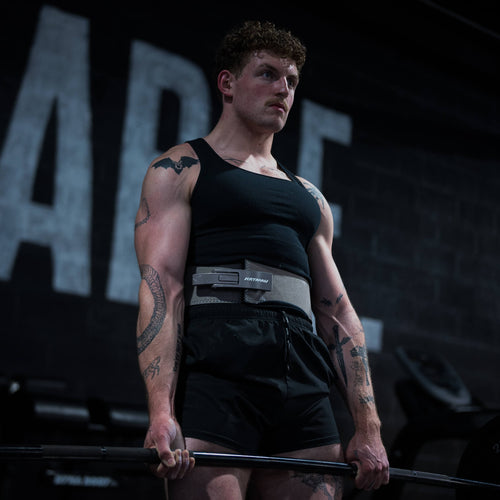
Straps for workout function best as part of a comprehensive gear setup that supports various aspects of heavy training. Knee sleeves protect joints during squatting movements, while belts provide core stability for maximum lifts. Building a complete accessory collection allows you to address different training needs without compromise.
Essential lifting gear hierarchy:
- Lifting belt - Core stability for squats and deadlifts
- Lifting straps - Grip support for pulling movements
- Knee sleeves - Joint protection and warmth during leg training
- Wrist wraps - Support for pressing movements
- Specialized equipment - Resistance bands, chains, specialty bars
This layered approach means you're never limited by accessory availability. On heavy deadlift days, you might combine straps with a belt for maximum performance. During accessory work, straps alone might suffice. The flexibility to mix and match equipment based on daily training demands optimizes each session.
Budget-conscious lifters should prioritize purchases based on their primary training goals. If back development represents your main focus, investing in quality straps before other accessories makes sense. Powerlifters might prioritize belts and knee sleeves since these directly impact competition lifts.
Implementing straps for workout strategically transforms your pulling exercises from grip-limited struggles into true muscle-building sessions that drive meaningful progress. The key lies in balanced programming that develops grip strength while not allowing it to artificially cap your back development potential. Whether you're chasing new deadlift PRs or building a wider, thicker back, quality lifting straps serve as essential tools in your training arsenal. At KatamuCo, we combine premium materials with designs that reflect your dedication to the iron, creating lifting gear that performs flawlessly while looking exceptional. Our commitment to durability means your straps will support countless PRs and training milestones for years to come.
