 30-Day Money Back Guarantee

Ready to elevate your lifting game in 2026? The world of gym gear is evolving fast, and the search for the best gym belts is more important than ever.
Many lifters know the struggle of finding a belt that truly balances comfort and support. Choosing the wrong one can hold back your progress or even lead to injury.
This guide spotlights the top 10 best gym belts for superior support, handpicked for their durability, innovation, and real lifter feedback.
Dive in to discover what separates a great gym belt from the rest, how to choose wisely, and which options stand out this year.
Why a Quality Gym Belt Matters for Lifters
Elevating your training with the best gym belts is about more than just looking the part. A quality gym belt is a cornerstone for serious lifters, acting as both shield and performance enhancer. Whether you are squatting, deadlifting, or pressing, the right belt supports your lower back and core through every rep.
Injury Prevention and Enhanced Performance
The best gym belts are designed to reduce the risk of injuries, particularly in the lower back. By providing external support, a gym belt helps you maintain proper posture during heavy lifts. This added stability can make the difference between a safe workout and a potential setback.
Wearing a gym belt also encourages better lifting mechanics. When you brace against the belt, pressure increases within your core, which supports the spine and shields it from excessive strain. This simple tool can help you push harder while keeping your body protected.
The Science Behind Core Stabilization
Core stabilization is essential for lifting heavy safely. The best gym belts help create intra-abdominal pressure, acting like a natural weightlifting brace. Studies show that increased core pressure reduces spinal compression and lowers the risk of injuries.
A stable core not only prevents injuries but also lets you lift heavier and with more confidence. Lifters who use quality belts often notice improved strength and technique, especially during compound movements.
Research and Real-World Results
Research supports the value of gym belts in both injury prevention and performance. For example, studies reveal that lumbar belts can enhance trunk muscle strength and endurance. Real-world lifters regularly report fewer aches and more personal records after upgrading to the best gym belts.
For a deeper dive into the science and practical benefits, check out this comprehensive overview on gym belt weightlifting benefits.
Different Needs: Powerlifting, Bodybuilding, and Fitness
Not all lifters have the same needs. Powerlifters often require the best gym belts with maximum thickness and stiffness for heavy squats and deadlifts. Bodybuilders may prioritize comfort and adjustability for varied routines.
General fitness enthusiasts tend to choose belts that balance support with mobility. Understanding your training style is crucial for picking the best gym belts for your goals.
Material, Width, and Thickness Matter
The materials and dimensions of gym belts play a huge role in their support. Leather belts offer top-tier rigidity and durability, making them a favorite among powerlifters. Nylon belts are lighter and more flexible, ideal for CrossFit or dynamic training.
| Material | Support | Durability | Comfort | Flexibility |
|---|---|---|---|---|
| Leather | High | High | Medium | Low |
| Nylon | Medium | Medium | High | High |
| Hybrid | Medium | High | High | Medium |
Choosing the best gym belts means weighing these factors based on your lifting style.
The High Cost of Poor-Quality Belts
A cheap belt might seem tempting, but it can cost you in the long run. Poor-quality belts often lack the support needed for heavy lifts, leading to discomfort or even injury. They may also wear out quickly, forcing you to replace them more often.
Investing in the best gym belts ensures you get reliable support, comfort, and longevity. It is a smart move for both your safety and your wallet.
Matching Belt Features to Your Goals
Ultimately, the best gym belts are those that align with your training objectives. Consider your primary lifts, frequency of use, and personal comfort preferences. A belt that fits your needs will help you train harder, lift safer, and enjoy your workouts more.
Choosing wisely today sets you up for success in the gym tomorrow.
How to Choose the Best Gym Belt in 2026
Selecting the best gym belts in 2026 is more than just picking a style or color. It requires a thoughtful look at material, fit, closure type, and your personal lifting needs. With so many options, knowing what really matters can help you avoid discomfort and get the most out of your training.
Materials and Construction
When searching for the best gym belts, material is crucial. Leather belts offer maximum support and rigidity, perfect for powerlifters and serious strength athletes. Nylon belts, on the other hand, are lighter and more flexible, making them ideal for CrossFit and dynamic training. Hybrid belts combine the best features of both materials for all-around versatility. For a deeper dive into these differences and what to look for, check out this Choosing Good Lifting Belts guide.
Closure Types: Lever, Prong, Velcro
Your choice of closure can affect ease of use and support. Lever closures provide a fast, ultra-tight fit, while prong buckles allow incremental adjustment. Velcro straps offer quick changes and comfort but may wear out faster with heavy use. Here is a simple comparison:
| Closure Type | Pros | Cons |
|---|---|---|
| Lever | Fast, secure | Less adjustable |
| Prong | Adjustable, strong | Slower to fasten |
| Velcro | Quick, comfy | Less durable for max lifts |
Choosing the best gym belts means matching the closure to your lifting style and needs.
Sizing and Standards for Competition
Getting the right fit is essential for comfort and safety. To measure, wrap a tape around your waist at the navel, not your pants line. Most brands offer sizing charts. If you compete, ensure your belt meets IPF or USAPL standards for width and thickness. The best gym belts often list these approvals, which is vital for competitive lifters.
Comfort, Durability, and Design
Look for gym belts with soft edges, quality stitching, and a secure buckle. Comfort matters, especially during long sessions. Durability is about more than just material, so check for reinforced holes and solid hardware. In 2026, design and color options are more personalized than ever, letting you express your style without sacrificing function. The best gym belts balance all these features.
Price, Value, and User Level Guidance
Prices for the best gym belts range from budget-friendly nylon to high-end custom leather. Beginners may want to start with a mid-priced, versatile belt, while advanced athletes can invest in specialized models. Consider warranty, reputation, and user reviews to ensure you get lasting value, not just a trendy look.
Understanding these factors will help you confidently choose the best gym belts for your goals, whether you're just starting out or breaking records.
Top 10 Best Gym Belts for Superior Support in 2026
Choosing the best gym belts in 2026 is all about finding the perfect blend of support, comfort, and durability. With so many options flooding the market, lifters need belts that can keep up with heavy sessions without sacrificing performance or style.
Our team tested, researched, and reviewed dozens of contenders. We focused on construction quality, innovative features, user feedback, and brand reputation. The result is this curated list of the top 10 best gym belts designed to elevate your training this year.
If you’re serious about lifting, investing in the best gym belts is non-negotiable. Whether you’re powerlifting, bodybuilding, or just improving your overall fitness, the right belt can make all the difference. Let’s dive in.
Katamu Premium Lever Belt
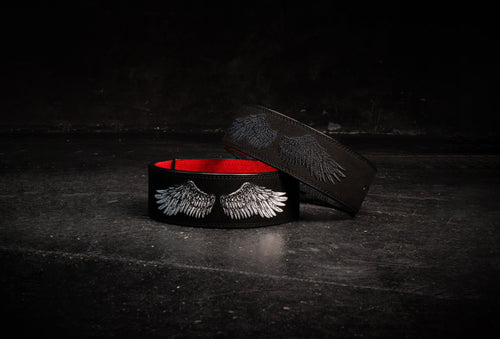
The Katamu Premium Lever Belt stands out among the best gym belts for its bold style and robust construction. Available in both 10mm and 13mm thicknesses, it uses genuine leather and a reinforced lever mechanism to deliver unmatched core support.
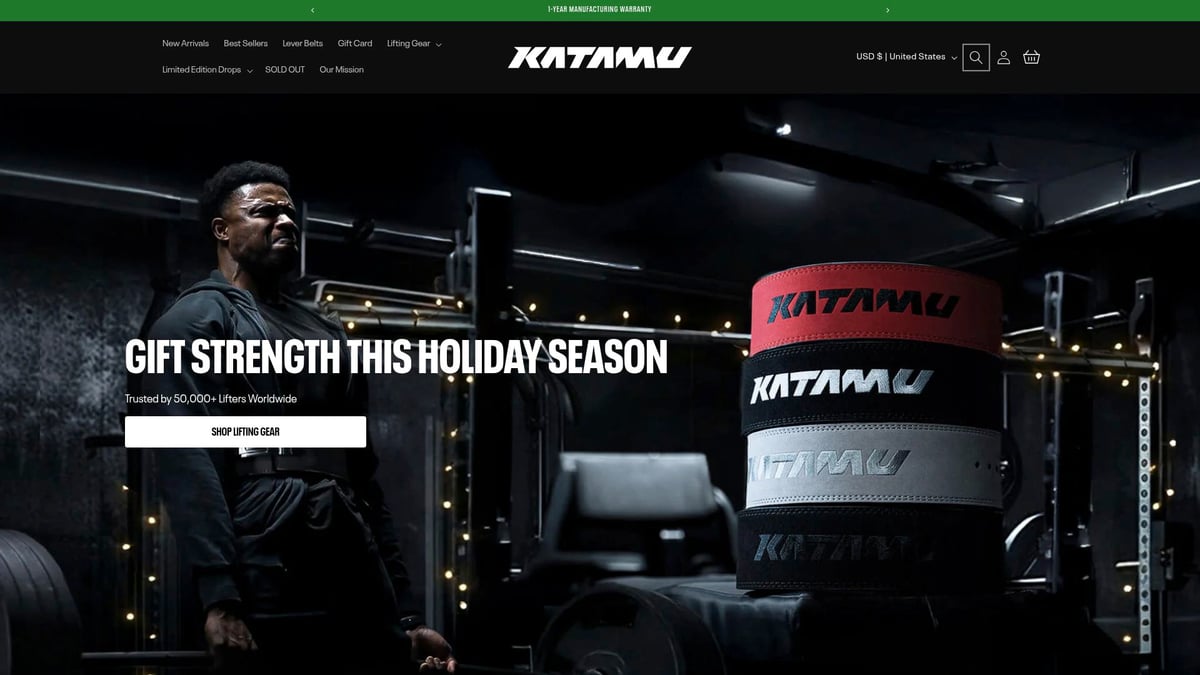
You’ll appreciate the limited edition designs and the 1-year warranty, making this belt both a statement piece and a practical choice. The lever closure means easy tightening and release, ideal for quick transitions between sets. Katamu’s mid-to-premium pricing is justified by long-term durability and free shipping on qualifying US orders.
If you want a fusion of performance and fashion, this belt is for you. For those curious about lever mechanisms and their advantages, check out this Lever Belt Weightlifting Guide.
Pros:
- Reinforced lever, bold limited editions
- Genuine leather, durable construction
- Free gifts on select orders
Cons:
- Limited runs can sell out fast
Katamu delivers on both support and aesthetics, making it a top pick for the best gym belts in 2026.
Rogue Fitness 13mm Powerlifting Belt
Rogue’s 13mm Powerlifting Belt is a staple among the best gym belts for serious strength athletes. Crafted from thick, vegetable-tanned leather, this single-prong belt is IPF approved and designed for maximal stability during heavy lifts.
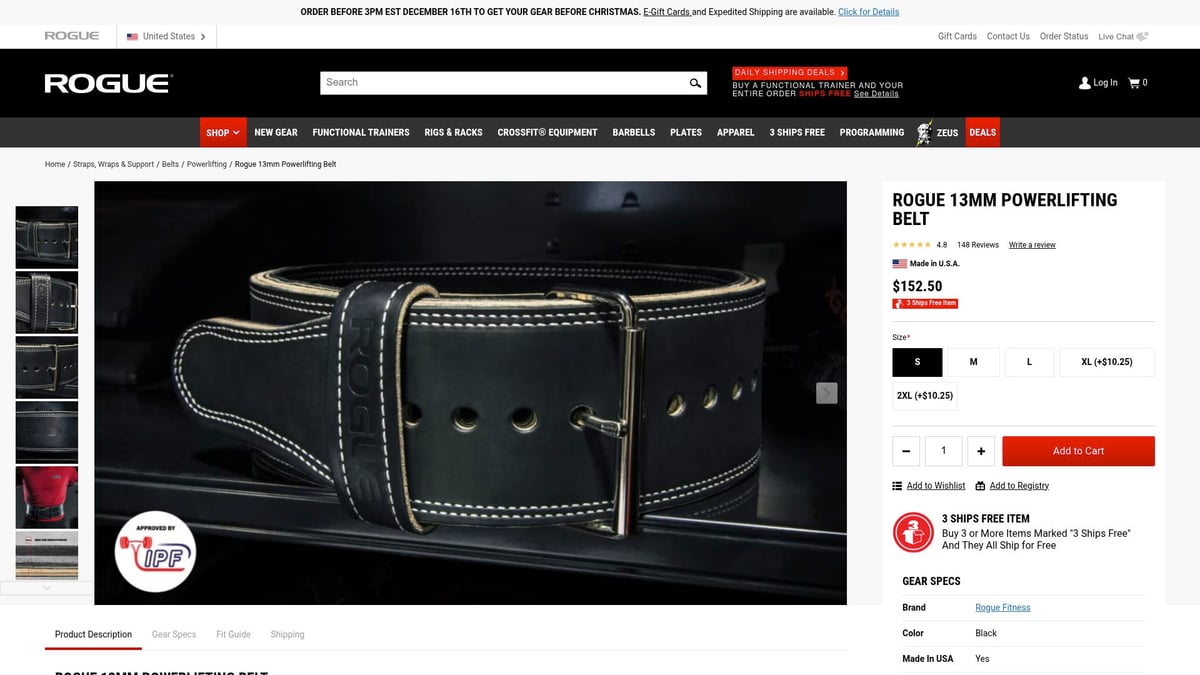
The sturdy build provides a stiff brace for squats and deadlifts. While the price is premium, the belt’s longevity and reputation make it a worthy investment for dedicated lifters. The break-in period may test your patience, but the long-term payoff is a belt that molds to your body over time.
Pros:
- Exceptional support for heavy lifts
- Made in the USA, IPF approved
- Long lifespan
Cons:
- Requires break-in
- Higher price tag
Competitive lifters who demand the best gym belts for top-tier performance consistently turn to Rogue.
Gymreapers Quick-Locking Weightlifting Belt
The Gymreapers Quick-Locking Weightlifting Belt deserves its spot on the best gym belts list for its blend of convenience and versatility. Made of lightweight nylon, it features a quick-locking buckle that lets you adjust tightness on the fly.
This belt is a favorite among CrossFitters and functional fitness athletes. It’s flexible enough for Olympic lifts, yet secure for basic strength training. While not as rigid as leather options, its ease of use and competition legality make it a go-to for dynamic workouts.
Pros:
- Effortless on and off
- Lightweight and flexible
- Competition approved
Cons:
- Less rigid than leather belts
If you value speed and comfort without compromising on support, this is one of the best gym belts for you.
SBD 13mm Lever Belt
SBD’s 13mm Lever Belt raises the bar for the best gym belts in the competitive lifting world. Using English leather and a patented adjustable lever, it delivers a customizable fit and maximum stability.
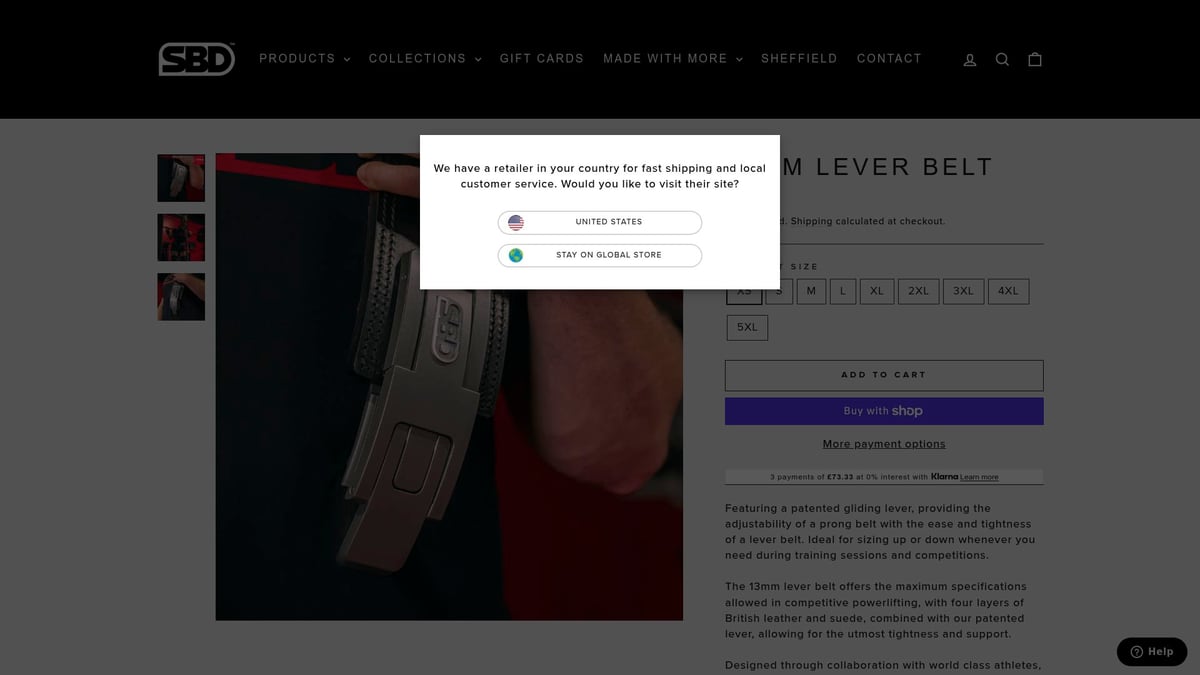
The 13mm thickness ensures your core is locked in for squats, deadlifts, and presses. This high-end belt is IPF approved, making it a favorite among elite powerlifters. It is heavier and pricier than nylon options, but the craftsmanship and performance are second to none.
Pros:
- Fully adjustable lever closure
- High-quality leather, IPF approved
- Maximum support
Cons:
- Expensive
- Heavier than nylon belts
For lifters who want the best gym belts for competition and reliability, SBD is a gold standard.
Iron Bull Strength 10mm Lever Belt
Iron Bull Strength’s 10mm Lever Belt is a standout in the best gym belts lineup for intermediate and advanced lifters. It features a suede-lined interior for comfort and a robust lever closure for a secure fit.
The 10mm thickness hits the sweet spot between flexibility and support, making it suitable for a variety of lifts. With a moderate price point and a wide range of color options, it appeals to those upgrading their gear without breaking the bank.
Pros:
- Comfortable during long sessions
- Secure lever closure
- Affordable for the quality
Cons:
- Lever may need occasional adjustment
Iron Bull’s offering is perfect for those seeking the best gym belts with solid performance and style.
Element 26 Self-Locking Weightlifting Belt
The Element 26 Self-Locking Weightlifting Belt is a budget-friendly addition to the best gym belts of 2026. Its self-locking buckle mechanism guarantees consistent tightness, while the 4-inch nylon design keeps things light and competition-legal.
Functional fitness athletes and general gym-goers will love how easy it is to use. While it doesn’t offer the rigid support of leather belts for max attempts, its comfort, adjustability, and value are hard to beat.
Pros:
- Lightweight and easy to adjust
- Budget-friendly
- Competition approved
Cons:
- Less supportive for max lifts
If you want the best gym belts on a budget, Element 26 is a top contender.
Pioneer Cut Powerlifting Belt
The Pioneer Cut Powerlifting Belt is a premium choice among the best gym belts, thanks to its patented micro-adjustment system. Available in 10mm or 13mm leather, it allows for precise fit tuning, which is a game-changer for serious athletes.
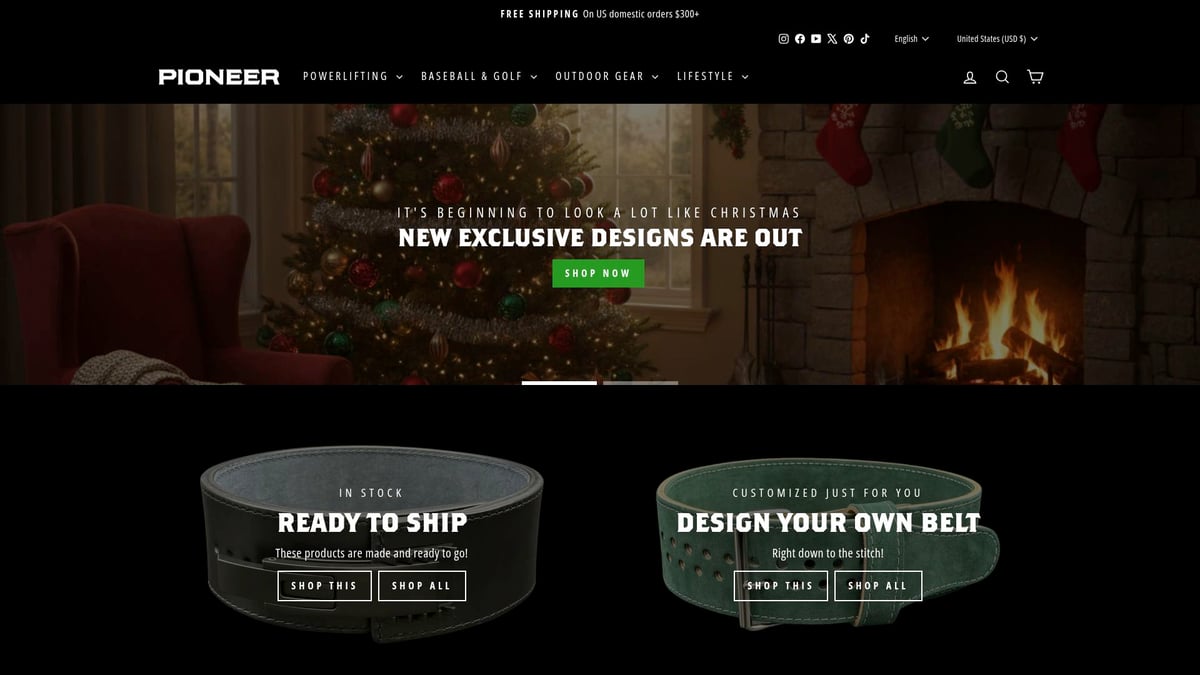
Customization is the name of the game here. You can select leather thickness, color, and even add personal embroidery. While custom orders take longer to ship, the payoff is a belt tailored to your exact needs.
Pros:
- Micro-adjustable fit
- High durability, made in the USA
- Customization options
Cons:
- Longer lead times for custom orders
For powerlifters who need the best gym belts with exacting fit, Pioneer Cut is a clear winner.
Dark Iron Fitness Genuine Leather Pro Belt
Dark Iron Fitness brings affordability and comfort to the best gym belts category. Their Genuine Leather Pro Belt uses soft leather and a double prong design, offering reliable support without a painful break-in period.
Beginners and intermediate lifters will appreciate the lifetime replacement guarantee and the no-fuss fit. While it’s not IPF approved and less stiff than competition belts, it’s a fantastic entry-level option.
Pros:
- No break-in needed
- Lifetime replacement guarantee
- Comfortable from the start
Cons:
- Not IPF approved
- Less rigid
If you’re new to the world of the best gym belts, this is a smart, risk-free pick.
Harbinger 4-Inch Nylon Weightlifting Belt
Harbinger’s 4-Inch Nylon Weightlifting Belt is a favorite for group fitness and casual gym users. Its contoured design, Velcro closure, and foam cushioning make it one of the best gym belts for lightweight, dynamic workouts.
Easy to adjust and comfortable for long sessions, this belt is also wallet-friendly. The only downside is that Velcro may wear out over time, but for the price, it’s easy to replace.
Pros:
- Lightweight and comfortable
- Low cost
- Easy to adjust
Cons:
- Velcro may wear down
For those wanting the best gym belts for everyday workouts, Harbinger delivers value and function.
A7 Pioneer Lever Belt
The A7 Pioneer Lever Belt blends strength, style, and customization, making it a must-have among the best gym belts. Offered in 10mm and 13mm options, it features custom A7 branding and the acclaimed Pioneer lever system.
This belt is IPF approved and highly customizable, from colors to collaborative designs. The premium price reflects the craftsmanship and exclusivity. Limited availability means you’ll need to act fast when new drops arrive.
Pros:
- Strong support, IPF approved
- Unique design collaborations
- Customizable
Cons:
- High price
- Limited runs
Athletes seeking the best gym belts for both performance and personal flair will love the A7 Pioneer.
Key Features to Look for in a Gym Belt
Choosing the best gym belts in 2026 means understanding the features that directly impact your performance and safety. Let’s break down what truly matters when you’re shopping for a belt that works as hard as you do.
Material & Build Quality
The foundation of the best gym belts is their material. Leather belts, especially those made from top grain or vegetable-tanned hides, offer unmatched rigidity and long-term support. These are ideal for heavy lifting and powerlifting. Nylon belts, on the other hand, provide flexibility, lighter weight, and are preferred for dynamic movements or CrossFit. Hybrid belts blend materials to balance support and comfort.
A belt’s build quality also matters. Look for double stitching, reinforced rivets, and quality buckles. A poorly made belt can fray or lose shape, leading to discomfort or reduced support. When comparing the best gym belts, always check the thickness and the type of lining, as these affect both durability and feel during intense sessions.
Closure Mechanisms Explained
The closure system is a defining feature among the best gym belts. Lever closures allow for quick, consistent adjustments and are favored by powerlifters for their security. Prong buckles, especially double-prong designs, offer solid support and adjustability but can take longer to fasten. Velcro closures are popular in nylon belts, offering easy on and off for circuit training, though they may wear out over time. Self-locking mechanisms are a newer innovation, combining speed and safety.
Choosing the right closure depends on your training style and how often you adjust your belt. For those prioritizing competition-ready support, lever and prong systems are often the top picks among the best gym belts available today.
Support, Comfort & Durability
Width and thickness are central to the performance of the best gym belts. Standard widths range from 4 to 6 inches, with thicker belts (10mm or 13mm) delivering maximum core stabilization for heavy lifts. However, thicker belts can be stiff, requiring a break-in period.
Comfort is not just about padding but also about how the belt contours to your torso. Look for belts with smooth edges, breathable linings, and ergonomic shapes. Durability comes down to stitching, hardware quality, and resistance to sweat and abrasion. Investing in the best gym belts means fewer replacements and more consistent support over time.
Certifications, Style & User Insights
If you compete, certification matters. The best gym belts for powerlifting should meet IPF and USAPL standards for width, thickness, and material. Always verify your belt on the IPF Approved Equipment List 2023-2026 before hitting the platform.
Style and personalization have become more important in 2026, with brands offering custom colors, stitching, and even engraved names. User reviews and expert recommendations provide invaluable real-world feedback on the best gym belts, helping you avoid common pitfalls and make a confident choice.
FAQs About Gym Belts and Lifting Support
Got questions about the best gym belts and how they support your lifting journey? Here are answers to the most common queries lifters have when choosing, using, or maintaining their belt in 2026.
Who should use a gym belt and when is it necessary?
A gym belt is ideal for anyone lifting heavy loads, especially during squats, deadlifts, or overhead presses. The best gym belts help stabilize your core and protect your lower back during intense lifts. Beginners can benefit from a belt when learning form, but it is most crucial for intermediate and advanced lifters aiming for maximum loads. For competitive athletes, always check USAPL Technical Rules on Gym Belts to ensure your belt meets requirements.
Are gym belts safe for beginners?
Yes, when used correctly, the best gym belts are safe for beginners. They encourage proper bracing techniques and can help prevent injury. However, overreliance can limit core development, so it's best to use a belt only for heavy compound lifts, not every exercise. Replace your belt if you notice fraying, loose stitching, or broken buckles—generally every few years with regular use.
How do I wear and care for my gym belt?
To maximize the benefits of the best gym belts, position the belt around your midsection, just above your hips, and tighten it so you can brace your core effectively. Clean leather belts with a damp cloth and condition as needed; nylon belts can be wiped down or hand-washed.
Tips for longevity:
- Store your belt flat or hung up
- Avoid leaving it in hot cars or damp places
- Inspect hardware regularly
What are the differences between powerlifting and bodybuilding belts?
Powerlifting belts are usually thicker and stiffer, providing maximal support for heavy singles, while bodybuilding belts are thinner and more flexible for dynamic movements. Choosing the right type ensures you get the support you need for your training goals. For more on how belts impact muscle strength, see this study on lumbar belts and trunk muscle strength.
Common mistakes to avoid:
- Choosing the wrong size or width
- Using a belt for every exercise
- Neglecting regular cleaning
Understanding these FAQs ensures you get the most from the best gym belts while keeping your lifts safe and effective.
After exploring what sets the best gym belts apart and how the right support makes all the difference in your training, it’s clear that investing in quality gear is more than just a choice—it’s a game changer. Whether you’re chasing new PRs or just want gear that keeps up with your progress, having a belt that delivers on both comfort and durability matters. If you’re ready to experience premium support and standout designs that last, you don’t have to wait.
Level up your lifts
and take your training to the next level with Katamu’s trusted lifting gear.


