 30-Day Money Back Guarantee

Your first hard set under a bar changes the way you see the gym. Suddenly, the details matter: whether your grip holds, whether your wrists feel stable, whether your knees stay warm between sets. The best lifting accessories for beginners are not a costume for looking experienced. They are tools that make training more comfortable, more consistent, and easier to progress.
You do not need to buy every piece of gear on day one. Build your setup around the movements you train, the weak links you actually feel, and the loads you are earning through clean reps. Technique, smart programming, recovery, and patience still do the heavy lifting. The right accessories simply help you show up ready to attack another session.
Best Lifting Accessories for Beginners: Start Here
For most new lifters, a lifting belt, wrist wraps, knee sleeves, and lifting straps are the four accessories worth understanding first. Each solves a different problem. Each is useful at the right time. And none should be used to hide poor form or rush past a weight you cannot control.
A lifting belt for bracing under load
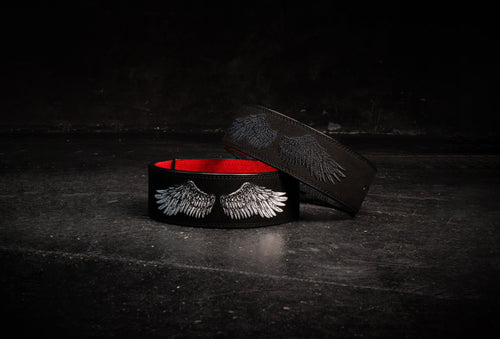
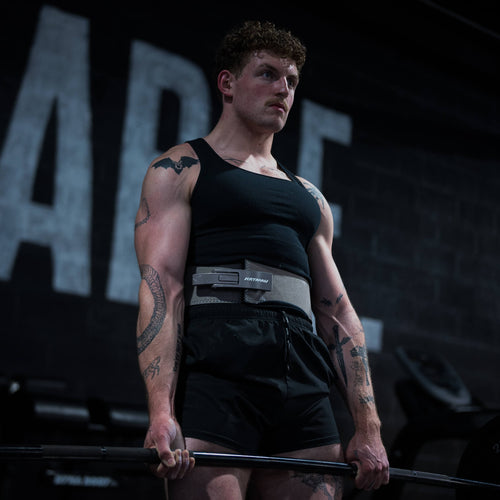
A quality lifting belt is the centerpiece of a serious gym bag, especially once squats, deadlifts, rows, and presses begin getting heavy. A belt gives your torso something firm to brace against. When you take a deep breath and expand your midsection into it, you can create more tension around your core and feel more locked in under a bar.
That does not mean beginners need a belt for every warm-up set. Learn to brace without one first. Then use it for your harder working sets, particularly on compound lifts where your torso needs to stay strong and stable. If you are still learning basic movement patterns with light weight, a belt can wait. If your training is becoming more intentional, it is one of the best long-term investments you can make.
Look for a durable belt with a secure closure and enough structure to support hard training. Lever belts are a favorite for lifters who want a fast, consistent fit. Once adjusted, the lever locks in with confidence and releases quickly after a demanding set. Traditional buckle belts offer more adjustment options from set to set, which can suit lifters whose comfort preference changes between movements.
A belt should feel snug, not like it is crushing your ribs. Position is personal: many lifters wear it slightly higher for deadlifts and a little lower for squats. Test the position, breathe hard into it, and choose the setup that lets you brace without pain.
Wrist wraps for pressing stability
Wrist wraps are a direct answer to one of the most common early training frustrations: wrists that bend backward under a barbell, dumbbell, or heavy pressing movement. They add support around the joint so you can keep a stronger wrist position during bench press, overhead press, dips, and certain front-rack movements.
Use wraps when your wrists are taking real pressure, not as an excuse to ignore a bad bar path or weak setup. For bench press, the bar should sit securely over your forearm rather than folding your wrist back. Wraps reinforce that position. They do not create it for you.
Beginners generally do well with a moderate-stiffness wrap. Extremely rigid wraps can feel powerful, but they may be uncomfortable if you are still figuring out your preferred tension and placement. Wrap them just below and around the wrist joint, firm enough to feel supported while still allowing normal circulation and hand movement between sets.
Knee sleeves for warmth, compression, and confidence
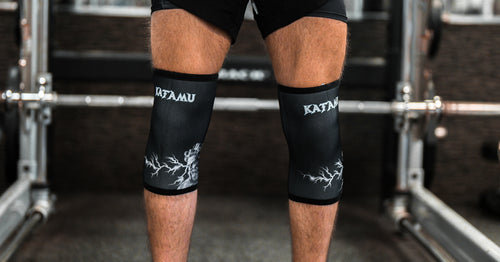
Knee sleeves are not magic armor, but they can make squat days feel far better. Their compression and warmth can help your knees feel more prepared during repeated sets of squats, leg presses, lunges, and other lower-body work. For lifters training in a cold gym or spending long sessions under volume, that consistent warmth is a real advantage.
The key distinction is between sleeves and wraps. Knee sleeves slide on and provide even compression. Knee wraps are tightly wound and can offer more rebound, but they are more specialized and not necessary for most beginners. Start with sleeves.
Choose a fit that is snug without causing numbness, pinching behind the knee, or a fight that drains your energy before the workout begins. Thicker sleeves usually feel more supportive for heavy strength work, while thinner sleeves can be more comfortable for mixed training and higher-rep sessions. If your knee pain is sharp, persistent, or worsening, do not try to train through it with new gear. Get it assessed and adjust your training.
Lifting straps when grip becomes the limit
Your back and hamstrings may be ready for more weight long before your hands are. Lifting straps help keep your grip connected to the bar during heavy deadlifts, Romanian deadlifts, shrugs, rows, and pulling work. That lets you train the target muscles without ending a set because your fingers gave out first.
There is a trade-off. If you use straps for every pull from the beginning, your grip may not develop as quickly. The smarter play is to train most warm-ups and some working sets without them, then put them on when grip is preventing productive back or posterior-chain work. For example, use straps on your final heavy row sets, while still holding your lighter sets bare-handed.
Learn to wrap the strap tightly around the bar rather than simply looping it and hoping for the best. A secure setup takes a few reps to learn, but it changes the feel of heavy pulling immediately. Straps should support your training, not turn a rushed setup into a risky one.
Accessories That Improve the Whole Session
The core four handle the biggest performance needs, but a few additional pieces can make training more organized and comfortable. These are not mandatory purchases. Add them when they solve a real problem in your routine.
A gym bag that keeps your setup ready
A dedicated gym bag is not glamorous, but it stops the usual chaos: wraps lost at the bottom of a backpack, sweaty clothes mixed with clean gear, and straps left behind on deadlift day. Keep your belt, sleeves, wraps, straps, water bottle, and a fresh shirt in one place. Preparation is part of discipline.
Choose a bag with enough room for your belt without forcing it into a harsh fold. Separate compartments are useful if you train before class, after work, or on the move. A reliable bag also makes it easier to carry the pieces you actually use instead of buying accessories that sit untouched at home.
Compression apparel that stays put
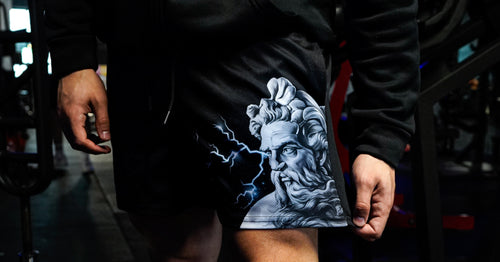
Training apparel should move with you and stay out of the way. A fitted compression shirt can keep you warm during early sets, reduce fabric bunching under a belt, and create a cleaner feel through pressing and pulling. Training shorts should give you enough room to squat deep, lunge, and hinge without constantly readjusting.
This is partly performance and partly identity. You train harder when you feel prepared, and wearing gear that reflects your standards can set the tone before the first set. Still, fit matters more than hype. If a shirt restricts your shoulders or shorts ride up every set, it is not gym-ready no matter how strong the design looks.
A lever buckle for a customized belt setup
If you already own a compatible belt or are building a personalized setup, a lever buckle gives you a secure, quick-locking closure with a distinct feel. It is especially useful for lifters who want the repeatable tightness of a lever system and a look that matches the rest of their gear.
This is an upgrade, not a beginner essential. Put your budget toward a dependable belt first. Once you know your preferred belt thickness, fit, and training style, customization becomes a better decision.
Build Your First Setup Without Wasting Money
The fastest way to overspend is buying accessories for lifts you barely do. Match your purchases to your program. A beginner focused on bodybuilding may get more immediate value from wrist wraps, straps, and knee sleeves. A beginner moving toward powerlifting may prioritize a belt and knee sleeves, then add wraps as pressing strength climbs.
A simple purchase order works for most lifters: start with a belt when your compound lifts become demanding, add wrist wraps if pressing bothers your wrists, add knee sleeves if they improve your lower-body sessions, and use straps when grip caps your pulling work. Build from need, not from gym-floor pressure.
Quality matters because these products live through sweat, friction, loaded reps, and constant use. Cheap gear that curls, slips, stretches out, or breaks at the closure becomes more expensive when you replace it repeatedly. Katamu is built for lifters who want durable support gear with a sharper training identity, not generic accessories that disappear into the bottom of a locker.
Use Gear Like a Lifters, Not a Shortcut
Accessories work best when they support a skill you are actively developing. Brace hard before using a belt. Learn stable wrists before wrapping them. Build a real grip before relying on straps. Keep your knees tracking with control before expecting sleeves to make squats feel perfect.
That approach keeps your training honest. You are not borrowing strength from your equipment. You are giving your body the support to express the strength you are building, set after set.
Start with one piece that solves a problem you feel every week. Learn how to use it properly, train with intent, and let your setup grow alongside your numbers. The goal is not to look fully equipped on day one. The goal is to become the lifter who earns every piece of gear in the bag.
