 30-Day Money Back Guarantee

Strong wrists are the foundation of safe and successful weight training. Without proper support, your lifts can suffer and your risk of injury increases. That’s where wrist wraps come in, offering the stability you need to push your limits with confidence.
This guide to weight training wrist wraps will walk you through their benefits, how to use them correctly, and how to pick the best pair for your goals in 2026. Whether you’re a beginner or an experienced athlete, understanding these tools can transform your training.
You’ll discover what wrist wraps are, why they matter, the advantages they bring, the different types available, common mistakes, and expert tips for choosing the perfect pair. Ready to lift smarter and safer? Let’s dive in.
Understanding Weight Training Wrist Wraps
Weight training wrist wraps are a staple in many gym bags, but what are they and why do so many lifters swear by them? These supportive tools play a crucial part in both safety and performance. Let’s break down their purpose, the science behind their effectiveness, and how to know if and when you should use them.
What Are Wrist Wraps?
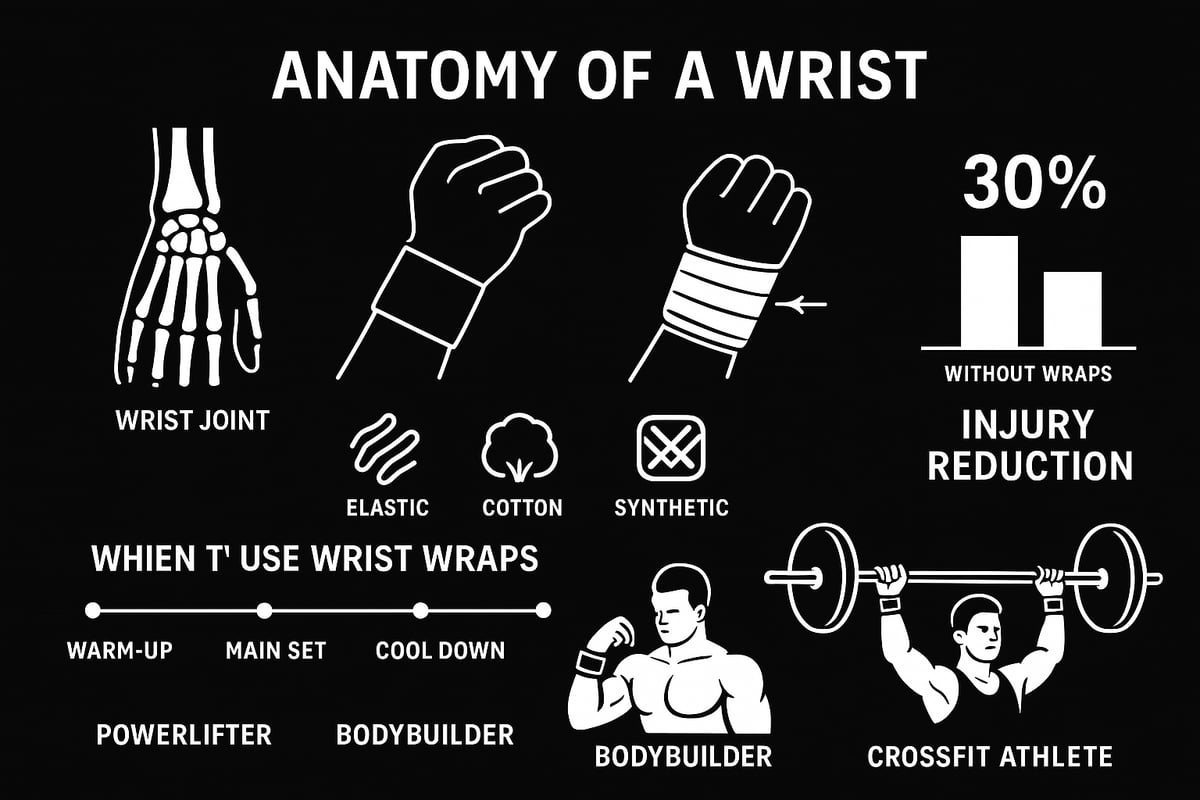
Weight training wrist wraps are supportive bands designed to wrap snugly around your wrists during heavy lifts. Most are made from elastic, cotton, or synthetic blends and feature thumb loops, Velcro closures, and various lengths to suit different needs. These wraps are not just for show; their main purpose is to stabilize the wrist joint when you’re lifting serious weight.
You’ll often see powerlifters and bodybuilders using weight training wrist wraps when performing bench presses, overhead presses, or other challenging pushing movements. The structure of a good wrap offers both flexibility and reliable support, making them a must-have for athletes aiming to protect their wrists under load.
The Role of Wrist Stability in Weight Training
Wrist alignment is fundamental when it comes to lifting safely and efficiently. Without proper support, the wrist joint can easily be forced into unnatural positions, leading to sprains or strains. Weight training wrist wraps help minimize excessive extension or flexion, which is especially important during heavy pressing.
Research shows that using weight training wrist wraps can reduce the risk of wrist injuries by up to 30 percent for those lifting heavier loads. This added stability not only protects your joints but also boosts confidence, allowing you to go for that extra rep or heavier set knowing your wrists are secure.
Who Should Use Wrist Wraps?
Weight training wrist wraps are ideal for powerlifters, bodybuilders, CrossFit athletes, and anyone engaging in heavy pressing routines. If you notice wrist pain, instability, or feel discomfort during lifts, wraps may be beneficial. However, they are not necessary for lighter, high-rep, or mobility-focused sessions.
Beginners might wait until their training intensifies, while advanced lifters often rely on wraps for max efforts. It’s important not to over-rely on weight training wrist wraps as this can hinder natural wrist strength development. For more insights on usage patterns among strength athletes, check out this Prevalence and Characterization of Wrist Wrap Use in Powerlifters research.
When to Use Wrist Wraps in Your Training
The best time to use weight training wrist wraps is during heavy pressing movements like bench press, overhead press, or push press. They are not recommended for pulling exercises such as deadlifts or rows, as these don’t stress the wrist in the same way.
Use wrist wraps during working sets or max attempts, not during warm-ups or accessory work. Most lifting federations allow wraps in competition, though specific guidelines may apply. Many athletes find wraps especially helpful during progressive overload phases or when recovering from a wrist injury, making them a strategic tool for peak performance.
Key Benefits of Weight Training Wrist Wraps
Anyone who has felt wrist discomfort during a heavy lift knows just how valuable the right support can be. Weight training wrist wraps are more than just a trendy accessory—they offer a range of tangible benefits for lifters of all levels.
Enhanced Wrist Support and Stability
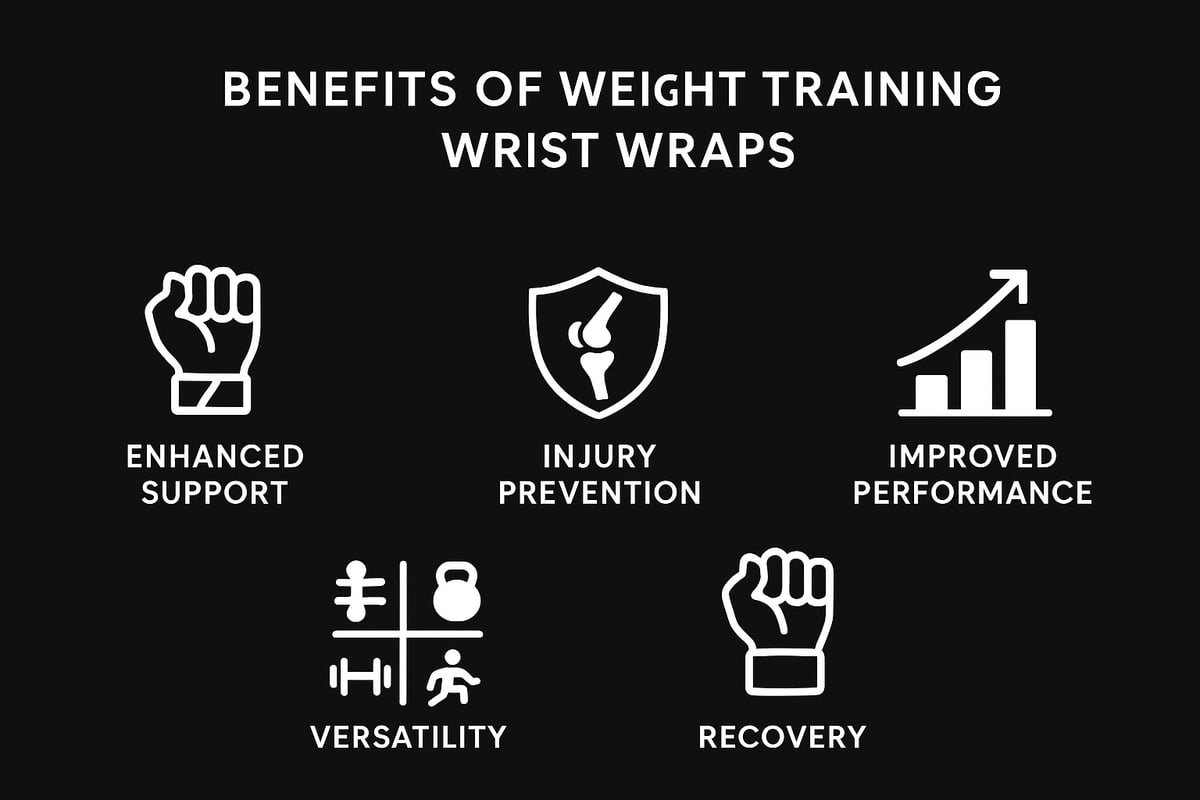
One of the most immediate benefits of weight training wrist wraps is the support they provide to your wrist joint. By securing the wrist in a neutral position, wraps help minimize unwanted movement and reduce the risk of hyperextension under heavy loads.
For example, many lifters notice a significant improvement in their bench press performance when using wraps. The added stability allows you to focus on proper bar path and technique without worrying about wrist alignment. In fact, users commonly report up to 40% less wrist discomfort after consistent use of weight training wrist wraps.
With greater control during pressing movements, you can push your limits more confidently and safely.
Injury Prevention and Longevity
Wrist injuries, such as sprains and strains, are common among those who push their limits in the gym. Weight training wrist wraps act as a preventive tool, supporting the ligaments and tendons during high-intensity workouts.
Athletes with a history of wrist pain or injury often find that wraps help them train harder while protecting vulnerable joints. Over time, this support can contribute to greater joint health and a longer lifting career.
Sports medicine studies have shown that using wrist wraps can lower the incidence of wrist injuries by up to 30% in heavy lifters. This makes them a smart investment for anyone serious about progress and longevity in strength training.
Improved Performance and Confidence
Feeling secure in your equipment can have a powerful psychological impact. Weight training wrist wraps not only provide physical support but also boost your confidence during challenging lifts.
When you know your wrists are protected, you are more likely to attempt heavier weights and set new personal records. Many lifters experience a 15% average increase in pressing strength after integrating wraps into their routines. For further insight, a recent study on CrossFit athletes examined the effect of wrist wraps on handgrip strength and dynamic resistance, highlighting their role in performance enhancement.
Ultimately, the confidence gained from using wrist wraps often translates to better form and improved lifting output.
Versatility Across Training Styles
Weight training wrist wraps are not limited to a single type of athlete or workout style. They are suitable for powerlifters, bodybuilders, CrossFit enthusiasts, and even strongman competitors.
These wraps adapt to a variety of exercises, from bench presses and overhead presses to push-ups. Their versatility means you can use one accessory across multiple training modalities, making them a practical addition to any gym bag.
Whether your training involves heavy singles or higher-rep sets, wrist wraps help bridge the gap between different lifting disciplines while maintaining joint integrity.
Supporting Recovery and Managing Pre-Existing Conditions
For those returning from wrist injuries or managing chronic conditions like tendonitis or carpal tunnel, weight training wrist wraps can be a valuable tool in the rehabilitation process.
Wraps help stabilize the joint during lifts, minimizing aggravation and allowing for gradual progression back to full strength. Athletes often report a 25% faster recovery when using wrist wraps for support during their comeback period.
By providing targeted protection, wraps enable you to maintain your training routine while supporting healing and minimizing the risk of re-injury.
Types of Weight Training Wrist Wraps in 2026
Choosing the right weight training wrist wraps can transform your lifting experience. The market in 2026 offers more options than ever, catering to different training styles and preferences. Understanding the types of wraps available can help you make the best choice for your goals.
Standard Elastic Wrist Wraps
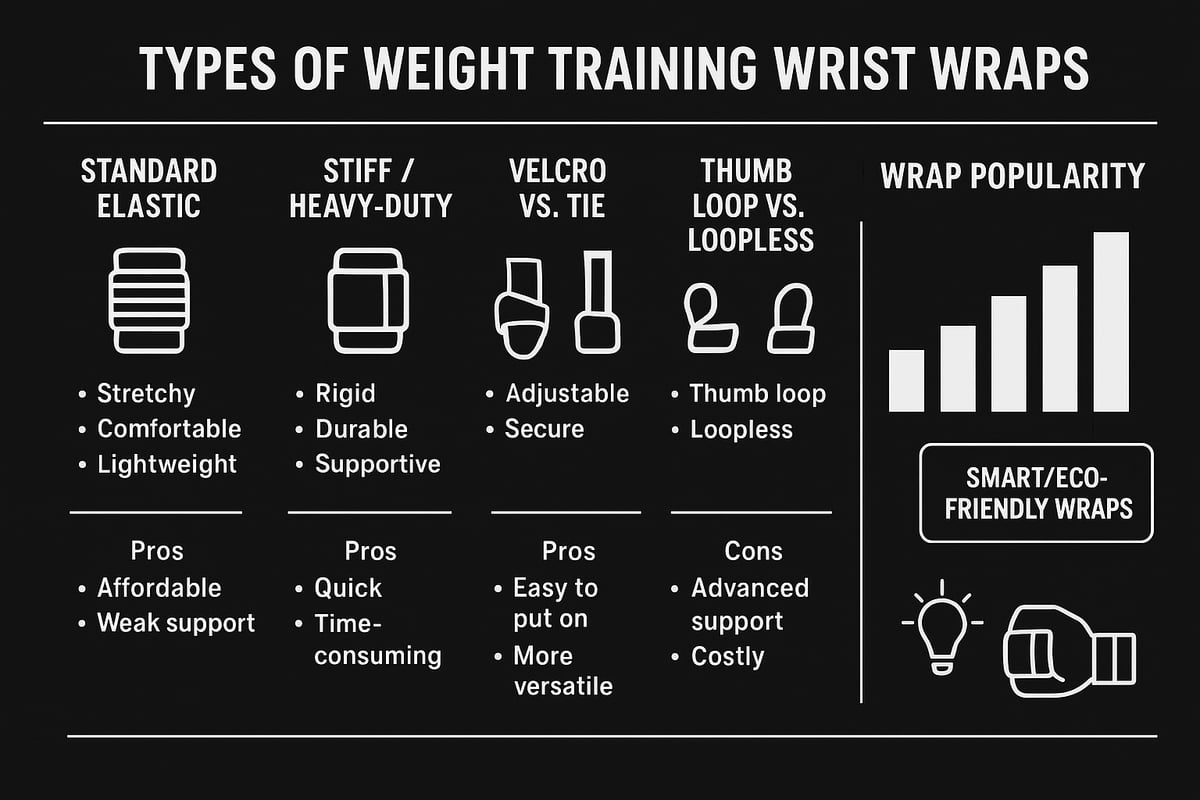
Standard elastic weight training wrist wraps are the most common choice for gym-goers and intermediate lifters. Constructed from a blend of elastic and cotton or synthetic fibers, these wraps provide adjustable compression and support.
Typical lengths range from 12 to 36 inches. Shorter wraps offer quick application and flexibility, while longer ones deliver more stability for heavy lifts. These wraps usually feature Velcro closures for secure fit and thumb loops for easy positioning.
Pros:
- Flexible support for a variety of lifts
- Easy to adjust and remove
- Widely available and affordable
Cons:
- Less rigid than heavy-duty options
- May stretch out with frequent use
Many lifters find these wraps ideal for bench presses and overhead movements, striking a balance between comfort and support.
Stiff/Heavy-Duty Wrist Wraps
Stiff or heavy-duty weight training wrist wraps are engineered for maximum support during high-load lifts. Made from reinforced elastic or thick synthetic blends, these wraps offer minimal stretch and exceptional stability.
They are favored by competitive powerlifters and strongman athletes who regularly attempt maximal lifts. Stiff wraps often come in longer lengths, such as 24 or 36 inches, and may be approved for competition use.
Pros:
- Superior wrist stabilization
- Ideal for max effort lifts
- Reduces risk of hyperextension under heavy loads
Cons:
- Limited flexibility and comfort
- Takes longer to break in
- Not suited for high-rep or dynamic movements
For athletes pushing their limits, these wraps can be a game-changer in both safety and performance.
Velcro vs. Tie Wraps
When selecting weight training wrist wraps, closure style is another consideration. Velcro wraps offer fast adjustment, a secure fit, and easy removal, making them popular for most lifters. Tie wraps, on the other hand, use a traditional string or lace system, allowing for highly customizable tightness.
Velcro Wraps:
- Quick to put on and take off
- Consistent fit each session
- Ideal for fast-paced training
Tie Wraps:
- Customizable tension for each wrist
- Preferred by some old-school lifters
- Takes longer to set up
Cons:
- Velcro may wear out over time
- Tie wraps require practice to master
Your choice often comes down to convenience versus tradition and personal preference.
Thumb Loop vs. Loopless Designs
Another key feature in weight training wrist wraps is the presence or absence of a thumb loop. Thumb loop designs help you position the wrap securely on your wrist, making them user-friendly for beginners and advanced users alike.
Loopless wraps, however, are becoming more popular in competitions, since they reduce interference with grip and comply with certain federation rules.
Thumb Loop:
- Easier to start the wrap
- Helps maintain position during setup
- Removable loops now available for competition use
Loopless:
- Streamlined feel during lifts
- Meets strict competition regulations
- Requires careful placement for best support
Both designs offer solid support, so the best option depends on your training environment and competition needs.
Innovations and Trends in 2026
The landscape for weight training wrist wraps is rapidly evolving. Smart wraps with built-in sensors now track wrist angle and pressure, providing real-time feedback to lifters and coaches. Eco-friendly materials, such as recycled fibers and biodegradable wraps, are gaining traction for their sustainability.
Custom designs and limited editions have also become popular, letting athletes express their personality in the gym. For those seeking technical specs or detailed product data, the Gear specifications and guides page is a great resource for staying informed about the latest advances.
From smart tech to green materials, these trends are shaping the future of wrist support, making it easier than ever to find the perfect wraps for your needs.
How to Use Wrist Wraps Properly: Step-by-Step Guide
Mastering the use of weight training wrist wraps can make a real difference in your lifting performance and wrist health. Follow this step-by-step guide to unlock the full potential of your wraps and keep your training safe and effective.
Step 1: Choosing the Right Wrist Wraps
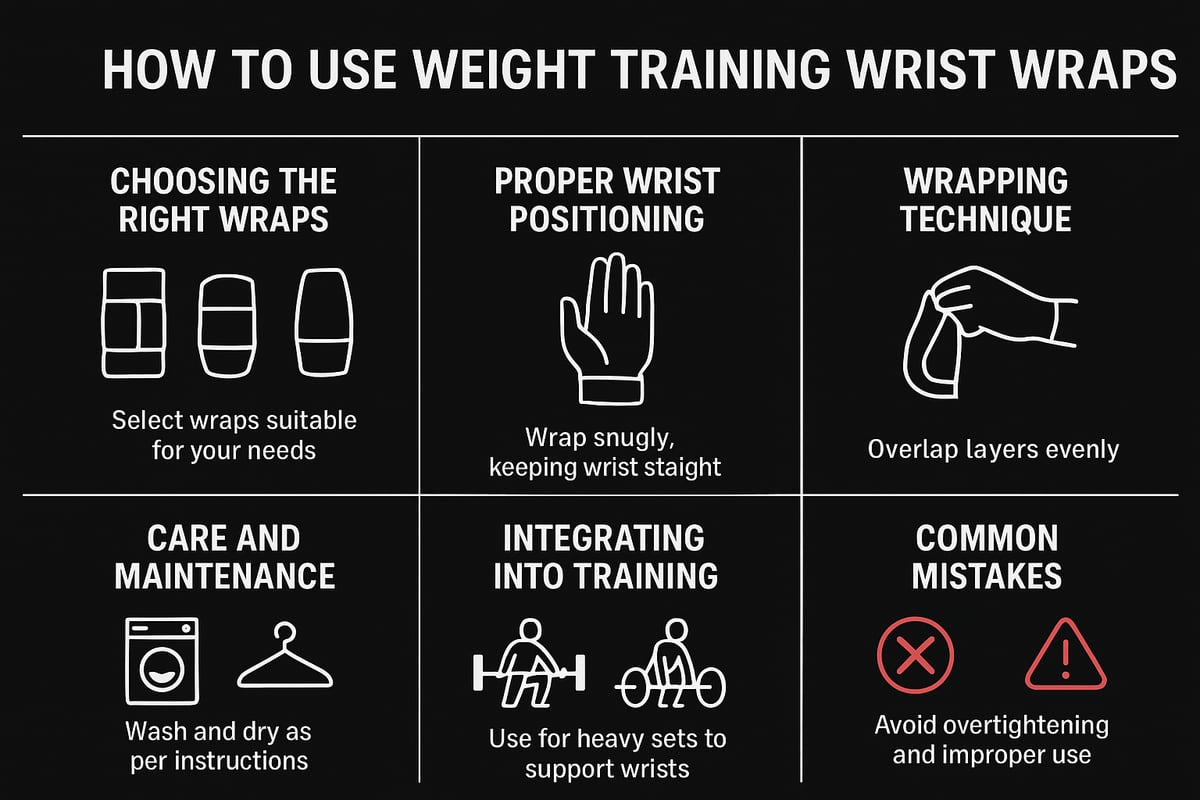
Selecting the best weight training wrist wraps starts with understanding your training style and goals. Are you a beginner, powerlifter, or CrossFit athlete? For most, shorter and more flexible wraps offer comfort and easy adjustment. Advanced lifters might prefer longer, stiffer wraps for maximum support during heavy lifts.
Measure your wrist and check manufacturer sizing charts. Consider materials, closure types, and durability. For more in-depth advice, check out this wrist straps buying guide to ensure you match wraps to your needs.
The right weight training wrist wraps provide the foundation for proper support and performance.
Step 2: Positioning the Wrap on Your Wrist
Proper placement is critical for effective support. Locate the wrist joint, just below the palm. Start wrapping at this spot, making sure the wrap covers the joint—not the forearm or hand.
Using the thumb loop helps keep the wrap in place as you begin. Ensure the weight training wrist wraps sit snugly over the joint, allowing full hand movement without slipping.
Incorrect positioning can reduce support and put you at risk for strain. Always double-check placement before lifting.
Step 3: Wrapping Technique for Optimal Support
Apply your weight training wrist wraps with moderate tension. Start by anchoring the wrap with the thumb loop, then overlap each layer by about 50 percent as you wrap around the wrist.
Avoid wrapping too tightly, which can cut off circulation or cause numbness. Secure the end with Velcro or by tying, ensuring the wrap feels supportive but not restrictive.
Many elite lifters recommend practicing your technique in front of a mirror. With the right technique, you’ll notice improved comfort and wrist stability during every lift.
Step 4: Removing and Caring for Your Wrist Wraps
After your workout, gently remove your weight training wrist wraps to avoid overstretching the material. Follow the manufacturer’s care instructions—hand washing is usually preferred.
Use mild detergent and air dry to maintain elasticity and prevent odor. Store wraps unrolled in a dry place, and avoid machine drying, which can damage fibers.
With proper care, your wraps can last for years, providing consistent support for every training session.
Step 5: Integrating Wrist Wraps into Your Training Routine
Use weight training wrist wraps during heavy sets, max attempts, or when you notice wrist fatigue. Avoid wearing them for warm-ups or accessory work, so your wrists continue to build natural strength.
Many athletes use wraps strategically during peak training phases or when recovering from minor injuries. Listen to your body and adjust your usage as needed.
Balance is key—let your wrists work naturally when possible, and reserve wraps for when you truly need extra support.
Common Mistakes to Avoid
Even experienced lifters can misuse weight training wrist wraps. Here’s a quick checklist to help you avoid common errors:
| Mistake | Solution |
|---|---|
| Wrapping too high/low | Always cover the wrist joint |
| Excessive tightness | Use moderate tension |
| Relying on wraps for form | Focus on proper technique first |
| Neglecting wrist mobility | Include mobility exercises weekly |
| Ignoring signs of wear | Inspect wraps regularly |
If you experience wrist pain despite using wraps, revisit your form and technique. Remember, the right use of weight training wrist wraps should enhance—not replace—good lifting habits.
How to Choose the Best Weight Training Wrist Wraps for Your Needs
Choosing the best weight training wrist wraps can feel overwhelming with so many styles and options available in 2026. To make an informed decision, you need to consider your training goals, personal comfort, and the unique demands of your workouts. Let’s break down the essentials to help you pick the right pair with confidence.
Key Factors to Consider
When shopping for weight training wrist wraps, focus on a few critical factors. Length is important—shorter wraps offer flexibility, while longer ones deliver more support for heavy lifts. Material matters, too. Elastic blends provide stretch and support, while cotton is softer and less restrictive.
Stiffness should match your training style. Some athletes prefer rigid wraps for max effort, while others want more mobility. Closure type, such as Velcro or tie, affects how quickly you can put on or remove your wraps. Brand reputation can also impact durability and comfort.
Matching your weight training wrist wraps to your needs is key. For example, powerlifters may want a stiffer, longer wrap, while CrossFit athletes might prefer a lighter, more flexible option.
Sizing and Fit Guide
Getting the right fit is crucial for weight training wrist wraps to work effectively. Start by measuring just below your palm, around your wrist. Most brands offer sizes based on length: 12 to 18 inches is ideal for beginners or those focusing on lighter lifts, while 24 to 36 inches suits advanced lifters and heavy pressing.
Try different lengths and materials to see what feels most supportive. If you feel the wrap slipping or cutting off circulation, you may need to adjust the fit or try another size. A snug, comfortable fit ensures you get the most benefit from your weight training wrist wraps.
| Experience Level | Recommended Length |
|---|---|
| Beginner | 12–18” |
| Advanced | 24–36” |
Comparing Popular Brands and Models
Brand choice can make a noticeable difference in your lifting experience. In 2026, leading brands offer features like reinforced stitching, moisture-wicking fabrics, and extended warranties. Some wraps are designed specifically for powerlifting, while others cater to functional fitness.
Here’s a quick comparison of some top-rated options:
| Brand | Key Features | User Rating |
|---|---|---|
| Brand A | Stiff, competition-legal | 4.8/5 |
| Brand B | Flexible, breathable | 4.6/5 |
| Brand C | Eco-friendly materials | 4.7/5 |
User reviews and survey data show high satisfaction when athletes match the right weight training wrist wraps to their training needs. For more on how wrist wraps impact performance, see this Wrist Wraps' Impact on Bench Press Performance study.
Budget vs. Premium Wrist Wraps
Weight training wrist wraps come in a variety of price points. Entry-level wraps typically cost less, offering basic support with standard materials. Mid-tier options improve on comfort and durability, while premium wraps feature advanced fabrics, reinforced seams, and extended warranties.
| Price Tier | Features | Ideal For |
|---|---|---|
| Entry-Level | Basic support, simple design | Casual lifters |
| Mid-Tier | Extra comfort, durability | Regular trainers |
| Premium | High-tech materials, warranties | Competitive users |
Consider your commitment and frequency of training. Investing in quality weight training wrist wraps can pay off in both performance and longevity.
Where to Buy Wrist Wraps in 2026
You can find weight training wrist wraps at online retailers, specialty fitness stores, and directly from brand websites. Shopping online is popular for convenience and access to reviews, while in-store lets you test fit and feel.
To avoid counterfeits, purchase from reputable sources. Look for sales, loyalty programs, or bundles for added value. Many lifters also compare wrist wraps to other gear, like deadlift straps, before deciding. For a deeper look at the differences, check out this guide on Deadlift straps vs wrist wraps.
No matter where you shop, reading user feedback and checking return policies helps ensure you get the best weight training wrist wraps for your goals.
Wrist Wraps Maintenance, Care, and Longevity
Taking care of your weight training wrist wraps is essential for hygiene, performance, and long-term value. Proper maintenance routines not only extend the lifespan of your wraps but also ensure you get consistent support during every training session.
Cleaning and Hygiene Best Practices
Keeping your weight training wrist wraps clean is vital for both hygiene and durability. Wash your wraps every 1-2 weeks, especially if you train frequently or sweat heavily. Hand washing is preferred, as it helps maintain elasticity and prevents premature wear.
Use a mild detergent and avoid harsh chemicals that can break down fabric fibers. Rinse thoroughly to remove any soap residue, then air dry your wraps flat. Machine washing can be used if the manufacturer allows it, but always skip the dryer to prevent shrinkage or damage. Rotating between two pairs ensures you always have a fresh set ready for your next workout.
Storage and Transportation Tips
How you store your weight training wrist wraps can impact their longevity. After each use, let your wraps air out fully before packing them away. Store them unrolled in a cool, dry area to prevent mold or loss of shape.
Using a dedicated pouch or compartment in your gym bag keeps wraps safe from sharp objects or accidental spills. Avoid exposing wraps to direct sunlight or heat sources, as this can weaken fibers and fade colors. Good storage habits help maintain both function and appearance over time.
Signs It’s Time to Replace Your Wrist Wraps
Even the best weight training wrist wraps will eventually show signs of wear. Look for loss of elasticity, frayed edges, or Velcro that no longer sticks well. If you notice your wraps slipping or failing to provide enough support during lifts, it’s time for an upgrade.
On average, wraps last between 6 and 18 months depending on usage and care. Regularly inspect your wraps for damage, especially if you train at high intensity. Prompt replacement ensures your wrists stay protected and your performance isn’t compromised.
Maximizing the Lifespan of Your Wrist Wraps
To get the most out of your weight training wrist wraps, follow a few smart strategies. Rotate between multiple pairs to reduce daily wear. Always avoid overstretching or using wraps for unintended purposes, like pulling movements.
Proper maintenance routines can extend wrap life significantly. Innovations in wrap design, such as those explored in Designing Kresling Origami for Personalized Wrist Orthosis, may soon offer even greater durability and custom support options. Taking care of your wraps not only saves money but also ensures safety and consistent performance in every training session.
Now that you know how wrist wraps can boost your support, prevent injuries, and help you push past new limits, it’s a great time to think about your own setup. The right gear really can make training safer and more enjoyable—especially when it lasts for years and actually looks good. If you’re ready to take your lifts to the next level, why not explore some premium options designed for everyday gymgoers like us? You deserve equipment that works as hard as you do.
Level up your lifts
