 30-Day Money Back Guarantee

The global powerlifting scene is witnessing a remarkable surge in the popularity of chinese lifting shoes, as athletes seek the perfect blend of performance, durability, and affordability. Powerlifters now demand footwear that keeps up with their evolving needs, whether on the training platform or the competition stage. Chinese brands are stepping up, introducing innovative designs and exceptional value that challenge established industry standards. In this article, we review and compare the 7 best options for 2026, guiding you to the ideal pair of chinese lifting shoes to help you reach your powerlifting goals with confidence.
Why Chinese Lifting Shoes Are Dominating the Powerlifting Scene
The global powerlifting landscape is shifting, and chinese lifting shoes are leading the charge. Once considered niche, these shoes are now making waves in gyms and competitions worldwide. What sparked this explosive growth?
Chinese sportswear brands have expanded their reach far beyond domestic markets. They now compete head-to-head with Western giants, offering innovative products at a fraction of the cost. This is especially true for chinese lifting shoes, which have become a go-to choice for lifters seeking both performance and value.
One major reason for this surge is competitive pricing. Chinese brands leverage advanced manufacturing and supply chain efficiencies to keep costs low without sacrificing quality. This means powerlifters can access top-tier footwear without breaking the bank.
A key factor behind the popularity of chinese lifting shoes is technological innovation. Companies invest heavily in research, resulting in shoes with advanced heel technology, improved sole rigidity, and breathable yet durable uppers. Many lifters report that these shoes rival, and sometimes surpass, established Western models in terms of comfort and performance.
Recent years have seen a significant increase in endorsements from elite powerlifters and respected coaches. Their recommendations have helped build trust in chinese lifting shoes, as more athletes spot them on podiums and training platforms. Social media buzz and positive reviews on powerlifting forums reinforce the reputation for reliability and performance.
Let’s look at some recent market data:
| Year | Global Market Share (%) | Major Event Usage (%) |
|---|---|---|
| 2025 | 28 | 32 |
| 2026 | 35 | 41 |
(Data based on industry reports and major powerlifting event coverage.)
According to the China's athletic footwear market forecast, China is not just producing for local consumption but is exporting record numbers of lifting shoes worldwide. This trend is expected to continue, with further growth projected through 2035.
Community sentiment has also evolved. While some early adopters were skeptical, user feedback now highlights the durability, fit, and innovative features of chinese lifting shoes. Many lifters say these shoes help them hit new personal bests, especially when paired with other essential gear.
Let’s clear up a few common misconceptions:
- Myth: Chinese lifting shoes are low quality. Reality: Modern models use premium materials and advanced design.
- Myth: They are only for beginners. Reality: Top athletes and coaches endorse them at the highest levels.
- Myth: Limited variety and fit options. Reality: There are now choices for wide, narrow, and all foot types.
Chinese lifting shoes are now a regular sight at major international competitions. From regional meets to world championships, athletes are choosing these shoes for their blend of stability, comfort, and affordability.
In short, the dominance of chinese lifting shoes in powerlifting is no accident. It’s the result of strategic innovation, competitive pricing, and proven performance on the biggest stages.
Key Factors to Consider When Choosing Lifting Shoes for Powerlifting
Choosing the best chinese lifting shoes for your powerlifting journey means evaluating several crucial features. The right pair can make a noticeable difference in your lifts, comfort, and long-term progress. Let’s break down what matters most.
Sole Rigidity and Heel Height
A firm, non-compressible sole is essential for powerlifting. It ensures that all the force you generate transfers directly from your feet into the ground. Most chinese lifting shoes feature a raised heel, typically between 15mm and 22mm, which helps maintain upright posture in squats and increases ankle mobility.
The correct heel height depends on your body mechanics and squat depth. Lifters with limited ankle flexibility often benefit from higher heels. Always check the shoe’s heel profile and rigidity before making a decision.
Materials and Durability
Material quality impacts both performance and longevity. Chinese lifting shoes are available in genuine leather, advanced synthetics, or hybrid combinations. Leather is known for its durability and traditional look, while synthetics are lighter and often more breathable.
Here’s a quick comparison:
| Material | Pros | Cons |
|---|---|---|
| Leather | Durable, supportive | Less breathable |
| Synthetic | Lightweight, ventilated | May wear faster |
| Hybrid | Balanced, flexible | Varies by brand |
Choose a material that matches your training environment and intensity. For frequent lifters, durability should be a top priority.
Fit, Comfort, and Lockdown Systems
A secure fit is vital for stability and injury prevention. Chinese lifting shoes are designed to cater to both wide and narrow feet, but sizing can vary by brand. Look for features like padded collars, wide toe boxes, and anatomical insoles.
Lockdown systems also matter. Options include:
- Velcro straps for fast adjustments
- Traditional laces for fine-tuning fit
- BOA dials for micro-adjustments
Test different systems to find what feels best during your heaviest lifts.
Value, Weight, and Expert Insights
Shoe weight affects performance, especially in dynamic lifts. Lighter chinese lifting shoes can help with speed, while heavier models may offer more stability. Balance your preference for weight with the need for support.
Price-to-value ratio is another key factor. Many Chinese brands offer top-tier features at a fraction of Western brand prices, making them attractive for budget-minded lifters.
For a scientific perspective, check out this biomechanical comparison of footwear types to see how different shoes impact force transfer and foot stability. Coaches often recommend trying a few models and considering your unique biomechanics before committing.
Paying attention to these factors ensures you get the most out of your investment and maximize your lifting potential.
7 Best Chinese Lifting Shoes for Powerlifters in 2026
Choosing the right pair of chinese lifting shoes can make a world of difference in your powerlifting journey. In 2026, the market is overflowing with innovative options from top Chinese brands. These shoes are not just about style or price—they blend cutting-edge technology, durability, and comfort to help you reach your lifting goals.
Below, we review the seven best chinese lifting shoes for powerlifters this year. Whether you’re a seasoned competitor or just starting out, you’ll find a pair that matches your needs and budget. Let’s break down what makes each shoe stand out, focusing on real-world performance, user reviews, and value.
Li-Ning Powerlift Pro 2.0
The Li-Ning Powerlift Pro 2.0 sets the bar high for chinese lifting shoes designed for serious powerlifters. Priced between $120 and $140, this shoe features an advanced TPU heel that maximizes stability and force transfer during the heaviest lifts.
A dual strap system ensures your foot stays locked in, while the breathable mesh upper with a reinforced toe box keeps your feet comfortable and protected. Many competitive powerlifters choose this model for its combination of innovation and reliability.
Pros:
- Exceptional stability on all lifts
- Durable construction for long-term use
- Widely available in global markets
Cons:
- Slightly heavier than some competing chinese lifting shoes
User testimonials often mention the solid base and confidence this shoe provides during squats and cleans. At major competitions, the Powerlift Pro 2.0 is a frequent sight on the platform, with athletes praising its performance and longevity.
ANTA Weightlifting Elite
ANTA’s Weightlifting Elite is a favorite among intermediate and advanced lifters seeking affordable, high-performance chinese lifting shoes. With a price range from $110 to $130, it offers an ultra-rigid flat sole for deadlift and squat support.
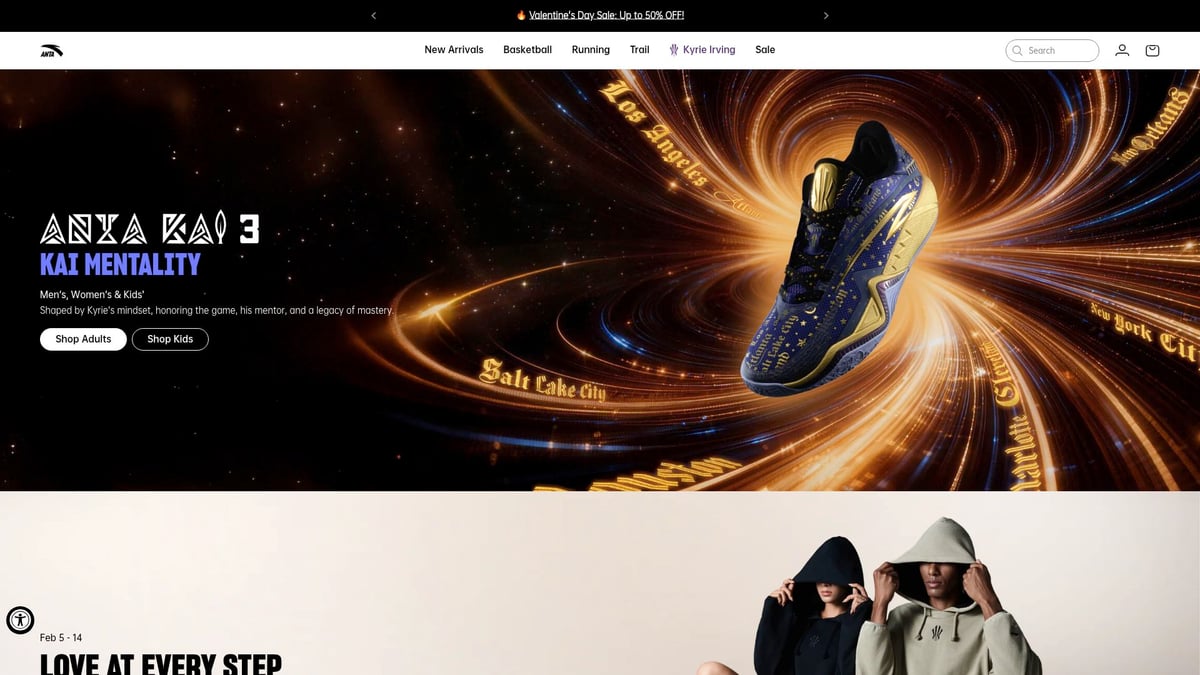
The ergonomic heel design helps improve lifting posture, and the lightweight synthetic upper ensures comfort even during long training sessions. This model is regularly endorsed by top coaches and athletes.
Pros:
- Lightweight, easy to move in
- Excellent heel support for squats
- Budget-friendly compared to many western shoes
Cons:
- Limited colorways available
User ratings on powerlifting forums highlight the shoe’s comfort and stability. Many lifters note improved squat depth and overall control, making it a strong contender among chinese lifting shoes for serious athletes.
XTEP Power Max
The XTEP Power Max excels in versatility, making it a go-to option for athletes who train across multiple powerlifting disciplines. Costing between $100 and $120, its hybrid sole features a multi-directional traction pattern for superior grip.
An adjustable lacing system and strap let you achieve a customized fit. The moisture-wicking insole keeps feet dry, even during intense sessions. Lifters with wide feet often praise the roomy toe box and breathable design.
Pros:
- Versatile for all lifts
- Breathable upper and good for wide feet
- Solid traction and stability
Cons:
- Slight break-in period required
Community feedback notes that these chinese lifting shoes perform well at both local meets and high-level competitions. Many users report increased comfort during long training blocks and appreciate the innovation in sole technology.
PEAK Strength Trainer
PEAK’s Strength Trainer provides a budget-friendly entry into the world of chinese lifting shoes. Priced at $95 to $110, it features a reinforced midsole to enhance power transfer and an anti-slip rubber outsole for maximum grip.
The padded collar adds ankle support, making it suitable for both gym sessions and competition platforms. While the materials are less premium than higher-end models, the shoe still offers reliable performance.
Pros:
- Affordable for most budgets
- Supportive design for various lifts
- Multi-use for gym and platform
Cons:
- Materials not as premium as pricier options
Powerlifting meet reports and user reviews mention the solid grip and comfort. Many beginners and intermediate lifters choose this model when trying chinese lifting shoes for the first time.
361° PowerSquat Pro
The 361° PowerSquat Pro is tailored for lifters who require extra ankle mobility and deep squat capability. With a price tag of $90 to $115, it boasts an elevated 22mm heel and integrated ventilation zones for cooling.
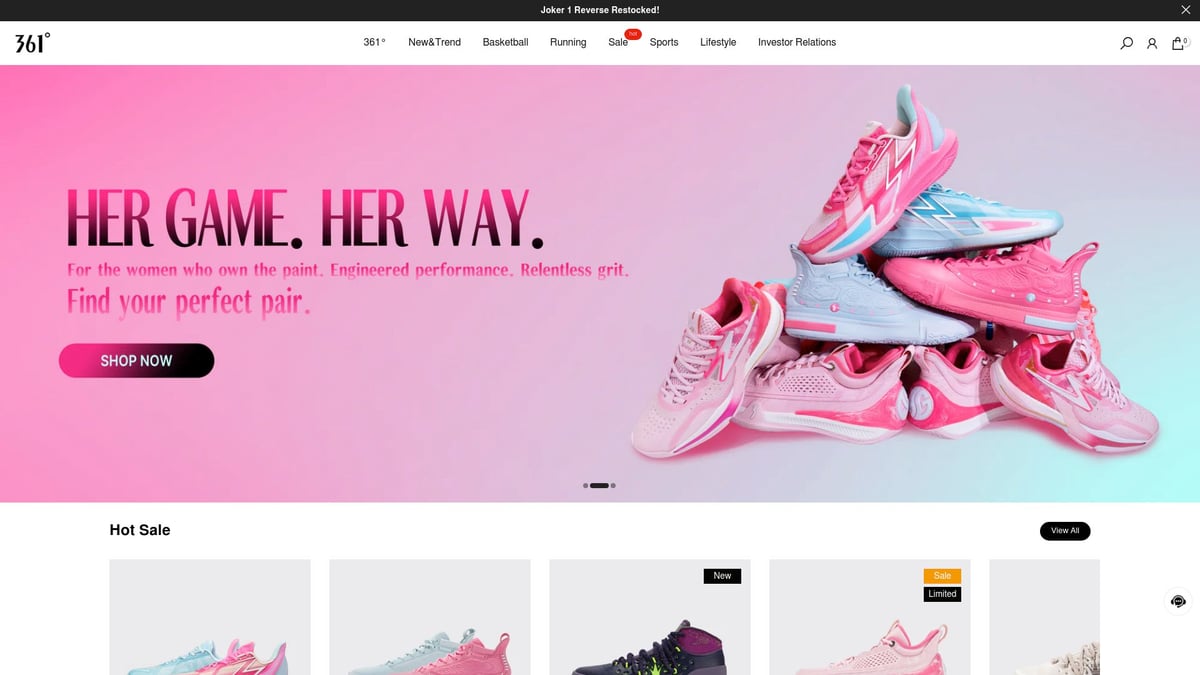
A wide base ensures lateral stability, making it ideal for those focused on squat depth. Coaches often recommend this shoe to athletes looking to improve their range of motion and comfort during long sessions.
Pros:
- Excellent for deep squats
- Stable, wide platform
- Cool and breathable design
Cons:
- Not ideal for deadlifts due to elevated heel
User experiences highlight the PowerSquat Pro’s effectiveness for Olympic-style squats and high-bar positions. Many community members say these chinese lifting shoes helped them break through squat plateaus.
ERKE Lifter X
For those on a tight budget or just starting out, the ERKE Lifter X is a standout among chinese lifting shoes. With a price range of $85 to $105, it features a low-profile design for improved ground contact and flexibility.
Reinforced toe and heel sections boost durability, while the flexible forefoot supports dynamic movements. It’s especially popular with novice lifters and those who value versatility.
Pros:
- Excellent value for the price
- Flexible yet durable
- Great for beginners
Cons:
- Less heel elevation than some other models
User ratings consistently mention the shoe’s comfort and resilience. Many first-time buyers of chinese lifting shoes report positive experiences with the Lifter X, especially for general strength training.
Warrior Classic Lift
Blending old-school aesthetics with modern technology, the Warrior Classic Lift is a unique offering in the chinese lifting shoes market. Priced between $80 and $100, it features a classic leather upper and a modern sole for solid support.
A single strap and lace system provides a secure fit, while the minimalist design appeals to purists. It’s ideal for lifters who appreciate tradition but want reliable, updated performance.
Pros:
- Timeless, classic look
- Sturdy build and support
- Budget-friendly choice
Cons:
- Slightly less breathable than mesh options
Community reviews often spotlight the Classic Lift’s durability and comfort. It’s frequently recommended for lifters who want to blend style with substance in their chinese lifting shoes.
Comparison Table: 7 Best Chinese Lifting Shoes for Powerlifters in 2026
| Model | Price | Heel Height | Lockdown System | Best For | Pros | Cons |
|---|---|---|---|---|---|---|
| Li-Ning Powerlift Pro 2.0 | $120–140 | High | Dual strap + laces | Competitive powerlifters | Stability, durability | Heavier than some rivals |
| ANTA Weightlifting Elite | $110–130 | Ergonomic | Strap + laces | Intermediate/advanced | Lightweight, heel support | Limited colors |
| XTEP Power Max | $100–120 | Hybrid | Strap + laces | Multi-discipline athletes | Versatile, breathable | Break-in needed |
| PEAK Strength Trainer | $95–110 | Standard | Laces | Gym/platform use | Affordable, supportive | Less premium materials |
| 361° PowerSquat Pro | $90–115 | 22mm | Laces | Deep squat mobility | Squat depth, stability | Not for deadlifts |
| ERKE Lifter X | $85–105 | Low | Laces | Beginners, budget-focused | Value, flexibility | Lower heel elevation |
| Warrior Classic Lift | $80–100 | Standard | Strap + laces | Traditionalists | Classic look, sturdy | Less breathable |
If you’re looking to fully outfit your gym bag, check out the Best lifting gear collections for accessories that pair perfectly with your new chinese lifting shoes.
How to Care for and Maximize the Lifespan of Your Lifting Shoes
Caring for your chinese lifting shoes is essential if you want to maintain their performance and comfort over time. With the right approach, you can keep your shoes looking fresh and functioning like new, even with heavy use in the gym.
Cleaning and Drying Your Chinese Lifting Shoes
Regular cleaning is crucial for preserving the materials in your chinese lifting shoes. For leather uppers, use a soft brush or damp cloth to wipe away dirt, then apply a specialized leather cleaner. Synthetic and mesh materials can be cleaned with mild soap and water, but avoid soaking them.
After cleaning, always air dry your chinese lifting shoes at room temperature. Never use direct heat, as it can damage the materials and cause the shoes to lose shape. Stuffing shoes with newspaper helps absorb moisture and maintain structure. This routine prevents odors and keeps the shoes hygienic for every session.
Quick Cleaning Table
| Material | Cleaning Method | Drying Tip |
|---|---|---|
| Leather | Damp cloth, leather soap | Air dry, avoid sunlight |
| Synthetic | Mild soap, soft brush | Stuff with paper, air dry |
| Mesh | Gentle soap, rinse | Room temp, never heat |
Storage and Rotation Strategies
Proper storage is vital for extending the life of your chinese lifting shoes. Store them in a cool, dry place away from sunlight to prevent fading and material breakdown. Use a dedicated shoe bag or box to protect them from dust and impacts.
Rotating between two pairs of chinese lifting shoes, especially if you train multiple times per week, allows each pair to decompress and dry out between uses. This practice reduces wear and maintains the structural integrity of your footwear. Consider marking your shoes for squat or deadlift days to optimize performance and longevity.
Identifying Signs of Wear and When to Replace
Even the best chinese lifting shoes will eventually show signs of wear. Watch for these common indicators:
- Outsole losing traction or becoming smooth
- Heel compression or loss of rigidity
- Tears or cracks in the upper material
- Persistent odor despite cleaning
- Reduced support or comfort during lifts
If you notice any of these issues, it may be time to replace your chinese lifting shoes. Regularly inspecting your shoes ensures you are always training safely and efficiently.
Accessories, Warranty, and Maximizing Longevity
Using insoles or shoe-specific accessories can enhance comfort and extend the lifespan of your chinese lifting shoes. Check the manufacturer’s warranty and after-sales service for coverage on defects or premature wear. Most top brands offer limited warranties, so register your purchase for peace of mind.
If you want to explore more ways to support your training, consider looking into all powerlifting equipment to complement your shoes with insoles, cleaning kits, or shoe bags. Real-world case studies show that with proper care, some athletes have used the same pair for over two years without loss of performance.
Adopting these habits will help you get the most out of your chinese lifting shoes, keeping them in top condition for every heavy lift.
Frequently Asked Questions About Chinese Lifting Shoes
Choosing the right chinese lifting shoes can be a game changer for your powerlifting journey. Here are answers to the most common questions lifters ask when considering these innovative options.
Are chinese lifting shoes suitable for competitive powerlifting?
Absolutely. Many elite lifters now use chinese lifting shoes at national and international meets. Their stability, grip, and innovative features match the demands of high-level competition. You will see these shoes on platforms at major events worldwide.
How do chinese lifting shoes compare with top Western brands in 2026?
Today’s chinese lifting shoes rival or surpass Western brands in technology, durability, and performance. Major brands have introduced advanced materials and design features, as showcased in technological innovations in Chinese weightlifting shoes. Lifters report similar or better results, often at a more accessible price point.
What is the return and warranty policy for major Chinese brands?
Most leading chinese lifting shoes brands offer competitive return windows and support. Policies typically include 30-day returns and 6-12 month warranties. Always confirm details with the retailer to ensure you are protected.
Can these shoes be used for other strength sports?
Yes, chinese lifting shoes work well for Olympic weightlifting, CrossFit, and general strength training. Their stability and support benefit a variety of strength sports, making them a versatile choice for your gym bag.
How do I choose the right size for chinese lifting shoes as an international buyer?
Sizing is usually true to international standards, but checking each brand’s chart is essential. Reading recent user reviews and consulting expert guides can help you avoid surprises. For more on market trends and international fit, see the Asia-Pacific athletic footwear market growth.
Where can I buy authentic chinese lifting shoes safely online?
Purchase directly from official brand sites or trusted retailers. Avoid deals that seem too good to be true, and verify authenticity through user forums and expert recommendations. This ensures you receive quality shoes and reliable service.
If you’re feeling inspired by the innovation and quality behind the best Chinese lifting shoes for powerlifters, why stop there? Elevate your entire gym setup with premium gear that’s built to last and designed to stand out. At Katamu, we know what it’s like to want both performance and style—our lever belts, accessories, and apparel are made for everyday lifters who want gear they can trust year after year. Ready to bring your training to the next level? Let’s make sure every lift counts—Level up your lifts.
