 30-Day Money Back Guarantee

Lifting straps have become an essential accessory for anyone serious about maximizing their pulling strength in the gym. Whether you're deadlifting, rowing, or doing pull-ups, these simple fabric loops can be the difference between stopping short of your potential and achieving new personal records. Understanding lifting straps how to use properly ensures you get maximum benefit while avoiding common mistakes that can limit your progress or even cause injury. This guide breaks down everything you need to know about incorporating lifting straps into your training routine, from basic setup to advanced techniques that experienced lifters use to push their limits.
What Are Lifting Straps and Why Use Them
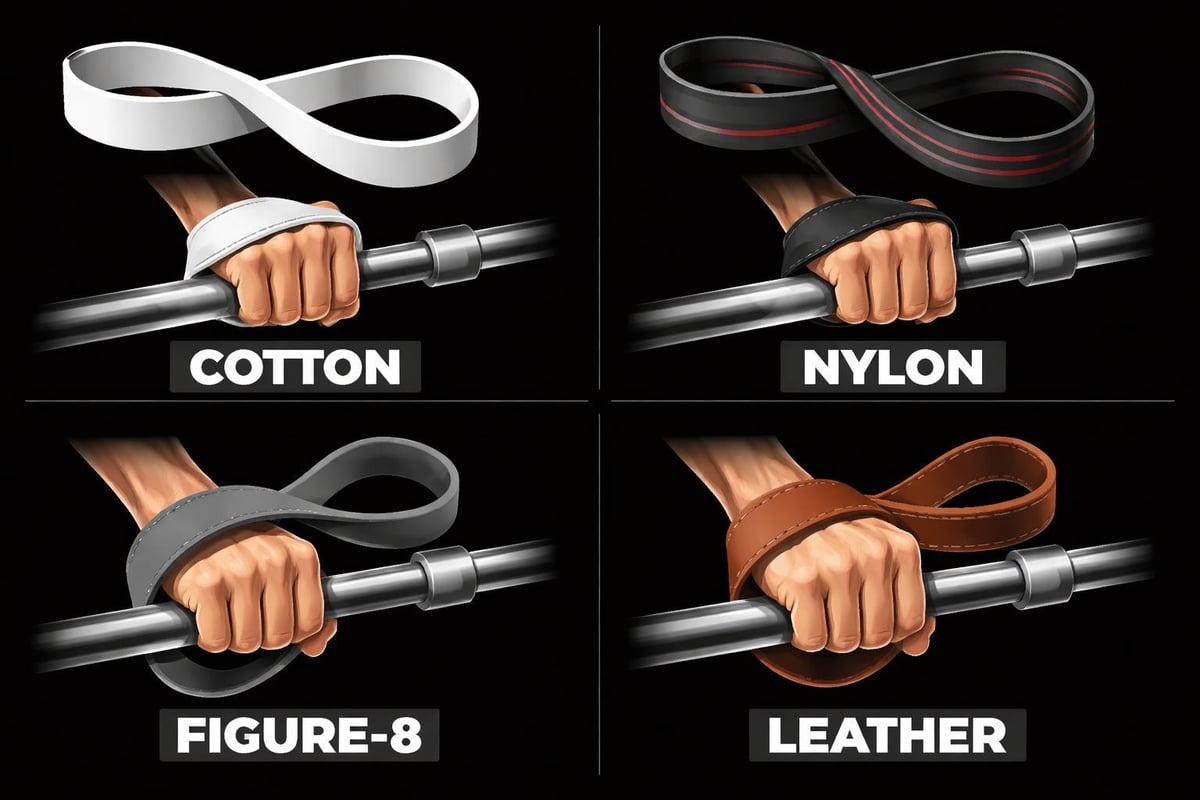
Lifting straps are long pieces of durable material, typically cotton, nylon, or leather, that wrap around your wrists and the barbell to create a secure connection. They compensate for grip strength limitations during heavy pulling exercises.
The primary purpose is simple: your grip often gives out before your larger muscle groups reach failure. When you're rowing 315 pounds, your back muscles might be capable of more, but your forearms can't hold on. This is where straps become invaluable.
Key benefits include:
- Extended set duration by eliminating grip fatigue
- Ability to lift heavier weights for target muscle groups
- Reduced forearm pump during high-volume training
- Protection against callus tears on heavy deadlifts
- Improved focus on the working muscles rather than grip
Most average gymgoers will encounter grip limitations within their first year of serious training. The detailed walkthrough at Testify Strength & Conditioning explains how straps can help you break through these plateaus while continuing to develop overall strength.
Types of Lifting Straps Available
Understanding the different strap varieties helps you choose the right option for your training style and goals.
Cotton Straps
These traditional straps offer excellent grip and comfort. They're typically 1.5 to 2 inches wide and 18 to 22 inches long, providing plenty of material to wrap around the bar multiple times. Cotton straps are forgiving on the wrists and affordable.
Nylon Straps
Nylon versions are thinner and more durable than cotton alternatives. They're ideal for high-volume training where you need quick attachment and release. The material doesn't absorb as much sweat, maintaining consistent grip throughout your workout.
Figure-8 Straps
These straps loop around both the bar and your wrists in a figure-8 pattern, creating an incredibly secure connection. They're popular for max deadlift attempts but slower to set up and harder to release quickly.
| Strap Type | Best For | Durability | Setup Speed | Release Speed |
|---|---|---|---|---|
| Cotton | General training | Medium | Medium | Fast |
| Nylon | High volume | High | Fast | Fast |
| Figure-8 | Max attempts | High | Slow | Slow |
| Leather | Heavy loads | Very High | Medium | Medium |
Step-by-Step Guide for Lifting Straps How to Use
Mastering the proper technique ensures maximum effectiveness and safety. The process might feel awkward initially, but becomes second nature with practice.
Initial Setup
Start by creating a loop with your strap. Thread one end through the wrist loop to create a secure circle. Slide your hand through this loop so the strap sits on your wrist with the tail hanging down toward your fingers.
The tail should be positioned on the palm side of your wrist, not the back. This orientation is crucial for proper wrapping direction.
Wrapping the Bar
- Grip the barbell with the strap tail pinched between your palm and the bar
- Wrap the tail around the bar in the direction opposite your fingers
- Ensure the strap wraps under the bar first, then over the top
- Complete 1-2 full wraps depending on strap length and preference
- Roll your wrist backward to tighten the connection
- Grip the bar firmly with the strap material bunched in your hand
The comprehensive overview from Open Health Tools emphasizes the importance of wrapping direction. Wrapping the wrong way causes the straps to loosen during the lift rather than tighten.
Tightening and Testing
Before lifting, perform a test pull with light weight. The straps should tighten as you pull, creating a secure connection that feels like the bar is attached to your wrists. If the straps loosen or slip, you've likely wrapped in the wrong direction.
Adjust the tightness by changing how much you wrap. More wraps equal a tighter connection but slower release. Most lifters find 1.5 wraps optimal for deadlifts and rows.
When to Use Lifting Straps in Your Training
Strategic strap usage maximizes benefits while maintaining natural grip development. Not every exercise or training session requires straps.
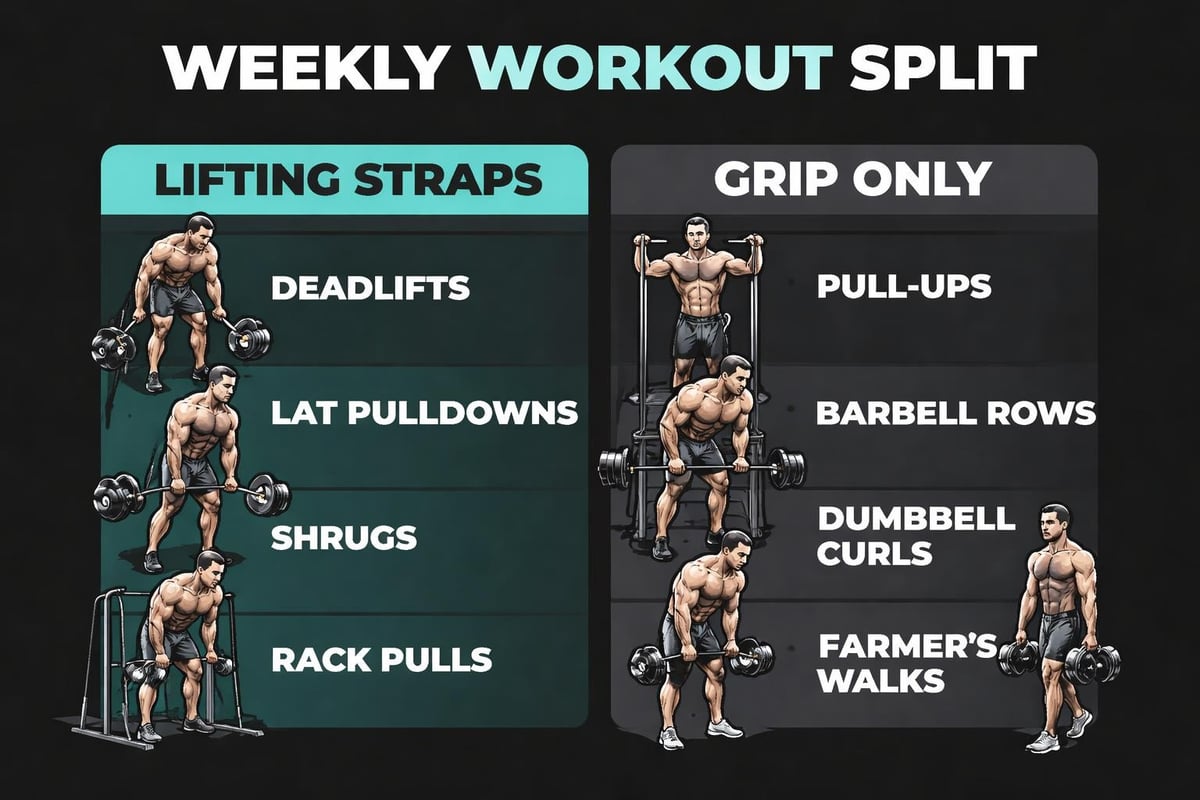
Use straps for:
- Heavy deadlift sets above 85% of your max
- High-volume back training (4+ sets of rows)
- Rack pulls and Romanian deadlifts
- Shrugs and farmer's walks with heavy loads
- Any exercise where grip fails before target muscles
Skip straps for:
- Warm-up sets and light weights
- Dedicated grip training sessions
- Competition lifts (unless specifically allowed)
- Exercises under 75% of your working weight
- Olympic lifts that require quick bar release
The REP Fitness guide on how to use lifting straps properly recommends using them as a tool, not a crutch. Your grip should still receive regular training through strap-free work.
Many successful lifters follow an 80/20 approach: 80% of heavy sets use straps, while 20% are performed without assistance to maintain baseline grip strength.
Common Mistakes When Learning Lifting Straps How to Use
Even experienced lifters sometimes use straps incorrectly, limiting their effectiveness or creating unnecessary wear.
Wrapping the Wrong Direction
This is the most common error. When you wrap against the natural closing of your hand, the straps loosen under load. Always wrap so that pulling tightens the connection. For your right hand, this means wrapping clockwise around the bar; for your left hand, counterclockwise.
Over-Tightening Before the Lift
Some lifters wrap so tightly that blood flow is restricted or wrist mobility is compromised. The straps should be snug but not cutting off circulation. The tightening happens naturally during the pull.
Using Straps on Every Exercise
Your grip strength will atrophy if you never train it directly. Include strap-free work regularly to maintain functional hand and forearm strength.
Poor Quality Straps
Cheap straps tear, fray, or slip at critical moments. Quality matters more than you might think. Premium lifting gear that lasts years provides better value and safety than replacing cheap straps every few months.
Incorrect Wrist Position
The strap loop should sit securely on your wrist, not halfway up your forearm or down on your hand. Proper positioning prevents the straps from sliding during lifts and distributes pressure evenly.
Advanced Techniques for Maximum Effectiveness
Once you've mastered the basics of lifting straps how to use, these advanced methods can further enhance your training.
The Hook Grip Hybrid
Some lifters use a partial hook grip underneath their straps for extra security on maximum attempts. This involves wrapping your thumb over the bar, then your fingers over your thumb, before adding the strap wrap. It provides redundant security for competition preparation.
Strap Adjustment Between Sets
Rather than removing straps completely between sets, loosen them slightly and slide them up your forearm. This saves setup time while allowing blood flow recovery between efforts.
Single-Strap Training
For unilateral exercises like one-arm rows, use a strap on your working hand while keeping the other hand free. This maintains balance and prevents over-reliance on both straps simultaneously.
The Barbell Logic article on proper assembly and application details how experienced powerlifters modify standard techniques for specific competition preparation phases.
Maintaining Your Lifting Straps
Proper care extends the life of your equipment and ensures consistent performance.
Maintenance guidelines:
- Wash cotton straps every 2-3 weeks to prevent bacteria buildup
- Air dry completely before storing to avoid mildew
- Inspect for fraying or weak spots before heavy sessions
- Replace straps showing significant wear immediately
- Store in a cool, dry place away from direct sunlight
Quality straps from companies focused on premium lifting gear can last several years with proper care. The investment in durable equipment pays off through consistent performance and reliability.
Lifting Straps vs. Other Grip Aids
Understanding how straps compare to alternatives helps you choose the right tool for each situation.
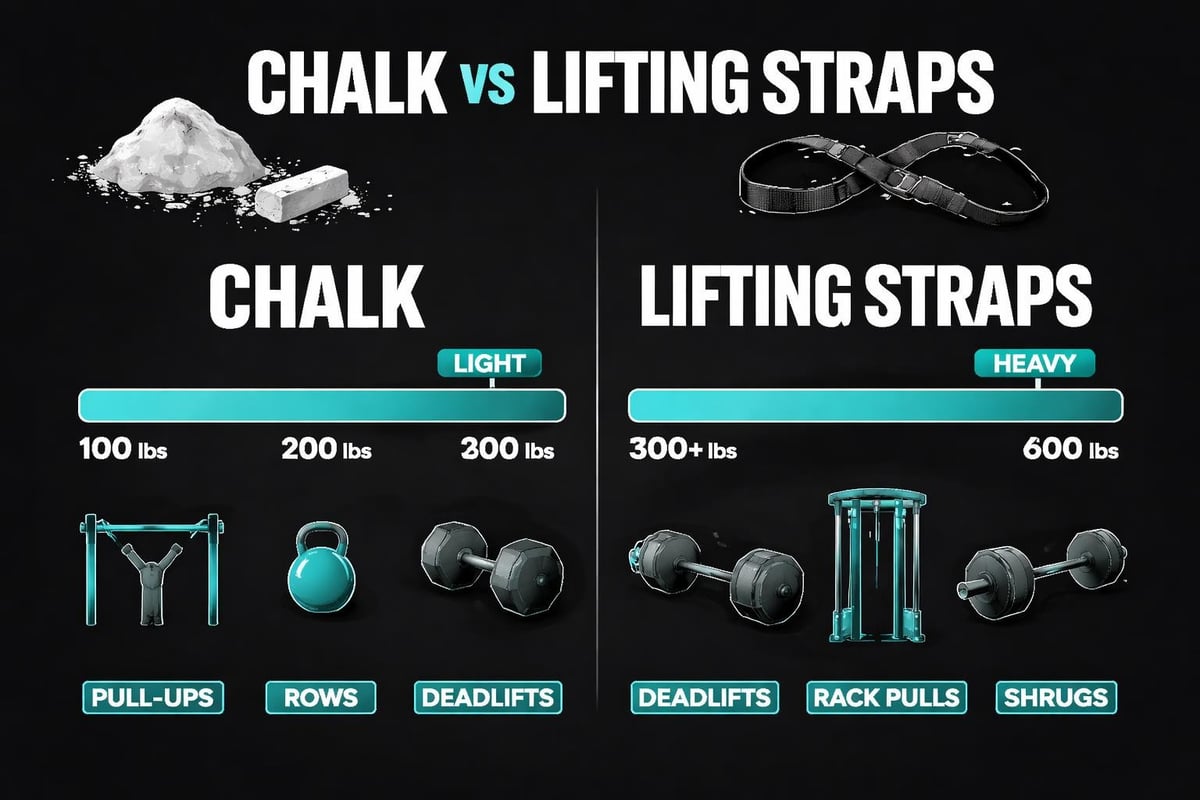
| Grip Aid | Setup Time | Security | Quick Release | Best Use |
|---|---|---|---|---|
| Straps | 10-15 sec | Very High | Fast | Heavy pulls |
| Chalk | 5 sec | Medium | Instant | All exercises |
| Hooks | 5 sec | High | Very Fast | Rows, shrugs |
| Gloves | 30 sec | Low | Instant | General training |
| Versa Grips | 5 sec | High | Fast | Versatile training |
Chalk improves your natural grip without creating artificial assistance. It should be your first choice for moderate weights and skill development. However, as you can see from resources like Lift Big Eat Big's comprehensive guide, straps become necessary when training loads exceed your grip capacity.
Integrating Straps with Other Lifting Accessories
Your lifting straps work alongside other gear to create a complete training setup. Understanding these interactions optimizes your entire workout experience.
Straps and Lifting Belts
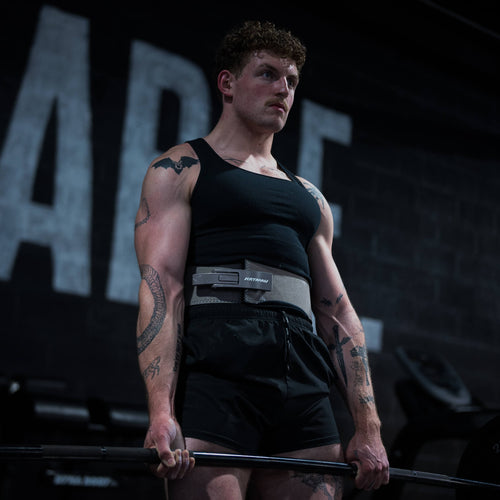
When using both accessories, put your belt on first. This ensures proper core bracing without strap interference. Many lifters who invest in premium lever belts also recognize the value of quality straps for complete training support.
Straps and Wrist Wraps
For exercises like heavy rows, some lifters use both wrist wraps and straps. Put wraps on first for wrist stability, then add straps over them for grip assistance. The wraps provide joint support while straps handle the grip component.
Straps and Knee Sleeves
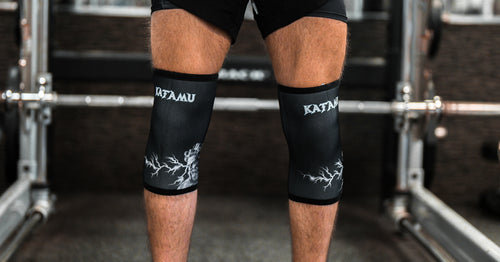
While these serve different purposes, using multiple accessories requires a systematic approach. Establish a consistent order for putting on gear: sleeves, belt, wraps, then straps. This routine ensures nothing is forgotten and everything is properly positioned.
Progressive Strap Training for Beginners
If you're new to lifting straps how to use, implement them gradually rather than switching entirely to strap-assisted training overnight.
Week 1-2: Use straps only on your final working set of deadlifts and rows
Week 3-4: Expand to final two sets while keeping warm-ups strap-free
Week 5-6: Use straps for all working sets above 80% intensity
Week 7+: Establish your personal strap protocol based on training goals
This progressive approach allows your technique to develop naturally while preventing grip atrophy. The detailed guide from Ladies Who Lift emphasizes this gradual integration for optimal long-term results.
Troubleshooting Common Issues
Even with proper technique, you might encounter specific challenges when using straps.
Wrist Discomfort
If straps cause wrist pain, check that you're not wrapping too tightly initially. The connection should tighten during the pull, not before. Consider switching to wider straps that distribute pressure across a larger surface area.
Straps Slipping During Sets
Slipping usually indicates incorrect wrapping direction or insufficient wraps. Add an extra half-wrap and ensure you're wrapping in the proper direction for each hand.
Difficulty Releasing Quickly
If you can't release straps quickly enough for safety, you're likely over-wrapping. Reduce to one complete wrap and practice the release motion with light weights until it becomes automatic.
Strap Material Bunching
When material bunches uncomfortably in your palm, try adjusting where the initial wrap contacts the bar. Position it slightly offset from your hand's center to distribute material more evenly.
Specific Applications for Different Exercises
The technique for lifting straps how to use varies slightly depending on the exercise you're performing.
Deadlifts
Position straps slightly looser for deadlifts to allow quick release if needed. Complete 1-1.5 wraps and ensure the bar path doesn't cause strap interference with your shins during setup.
Barbell Rows
Tighter wraps work well for rows since you're not dropping the bar from height. The secure connection lets you focus entirely on pulling with your back muscles without worrying about grip.
Pull-Ups
For weighted pull-ups, attach straps to the weight belt's chain or dumbbell. This differs from barbell wrapping but follows similar principles of creating a secure connection that tightens under load.
Shrugs
Extremely heavy shrugs benefit from the tightest strap setup possible. Use 2 full wraps and really tighten the connection before lifting. Your grip will fatigue rapidly on high-weight shrugs without proper strap support.
Building Grip Strength Alongside Strap Training
While straps are invaluable tools, maintaining natural grip strength ensures balanced development and functional fitness.
Dedicated grip exercises:
- Farmer's walks without straps (2-3 times weekly)
- Dead hangs from a pull-up bar (3 sets of max time)
- Plate pinches (2-3 sets of 30-60 seconds)
- Towel pull-ups (1-2 times weekly)
- Heavy dumbbell rows with grip focus
Allocate specific training time to grip work rather than hoping incidental training will suffice. The warranty and quality standards of premium lifting accessories reflect the understanding that serious lifters need equipment supporting both assisted and unassisted training.
Aim for at least one training session per week where you perform all pulling movements without straps. This maintains your baseline grip capability while still benefiting from strap assistance during peak intensity sessions.
Mastering lifting straps how to use properly unlocks new levels of training intensity and muscle development by removing grip limitations from your pulling exercises. The techniques outlined here, from basic wrapping to advanced applications, provide a complete foundation for integrating straps into your routine safely and effectively. At KatamuCo, we understand that premium lifting accessories like straps, belts, and wraps form the foundation of serious training programs. Our commitment to quality ensures your gear performs consistently through years of heavy lifting, letting you focus on getting stronger without equipment concerns.
