 30-Day Money Back Guarantee

Your wrists start talking long before a heavy bench set fails. You feel it when the bar bends your hand back on the final rep, when front-rack work turns uncomfortable, or when a rough knurl tears at your palms. The wrist wraps vs gloves decision matters because these two pieces of gear solve completely different problems - and wearing the wrong one can leave your real weak point exposed.
If you train for strength, do not buy gear just because it looks tough in a gym bag. Build your setup around the demands of the lift. Wrist wraps are for joint support under load. Gloves are primarily for palm protection and comfort. One can help you hold a stronger pressing position. The other can make a bar, dumbbell, cable handle, or pull-up bar feel less punishing on your hands.
Wrist Wraps vs Gloves: The Core Difference
Wrist wraps are stiff or semi-stiff straps that secure around the wrist joint. Their job is to limit excessive wrist extension and give your wrist a more stable base when you press, hold a front rack, or support weight overhead. They do not make weak wrists invincible, and they do not replace clean technique. But when the load is serious, they can reduce the feeling that your hand is folding backward under the bar.
Gloves cover the palm and often part of the fingers. Depending on the material and padding, they can reduce friction, protect calluses, and make certain handles more comfortable. They do not provide meaningful wrist stability unless they include a dedicated wrap-style closure - and even then, the support usually does not match a true lifting wrap.
That distinction is the whole game. If your issue is wrist pain or instability during pressing, gloves are not the answer. If your issue is a torn callus before a high-rep pull session, wrist wraps will not protect your hands.
When Wrist Wraps Earn Their Place
Wrist wraps are built for athletes who put force through an extended wrist. Think heavy bench press, overhead press, push press, dips, jerks, front squats, and demanding dumbbell pressing. In each of these movements, the wrist needs to transfer force while staying stacked under the load. A wrap gives you a firmer boundary so you can focus on driving the weight instead of fighting for position.
They are especially useful when your wrists feel unstable near the end of a hard set. On bench, for example, a properly placed wrap can help you keep the knuckles more directly over the forearm rather than letting the wrist collapse backward. That is not just a comfort upgrade. A more stable wrist position can help the whole pressing chain feel cleaner, from your hand through your elbow and shoulder.
The key word is properly. A wrap worn too low, around the forearm instead of the wrist joint, will not do much. A wrap cranked down so hard that your hand tingles is not a badge of commitment either. Secure it around the wrist crease, with enough tension to resist extension while still allowing normal circulation and a controlled grip.
Use wraps for your heavier working sets, top sets, or volume work that consistently irritates your wrists. You do not need to wear them while warming up with an empty bar unless you are managing a specific issue. Training some lighter sets without support lets you practice active wrist control instead of becoming dependent on gear from rep one.
Stiffness Changes the Feel
Not all wrist wraps feel the same. Stiffer wraps create a locked-in, competition-style feel and make sense for maximal or near-maximal pressing. More flexible wraps provide support without making the wrist feel completely restricted, which many lifters prefer for bodybuilding sessions, dumbbell work, or general training.
Neither option is automatically better. The best choice is the one that supports your training without forcing an awkward hand position. If you are a powerlifter chasing a heavy bench, lean toward firmer support. If you move between presses, accessories, cables, and machine work, a flexible wrap may fit your session better.
Where Gloves Make Sense
Gloves make the most sense when palm comfort is the limiting factor. High-rep pull-ups, rows, kettlebell work, sled handles, cable sessions, and long dumbbell workouts can create enough friction to distract from the muscles you are trying to train. If rough knurling or sensitive calluses keep cutting a session short, gloves can buy you useful training volume.
They also make sense for athletes returning to training after a torn callus or irritation on the hand. There is no prize for turning every pull day into a battle with your skin. Protect the area, keep your hands clean, and train with enough comfort to maintain quality reps.
Still, gloves come with trade-offs. Thick padding can dull your connection to the bar, increase the diameter you have to grip, and sometimes make heavy pulling feel less secure. Sweat can also make certain glove materials slippery. For heavy deadlifts, barbell rows, or hard sets where grip is the true limiter, many serious lifters prefer bare hands, chalk, or lifting straps depending on the goal.
Gloves are also not a fix for weak grip. If you want stronger hands and forearms, you need time holding challenging loads. Gloves can protect your skin, but they should not become a way to avoid developing your grip.
Choose Gear Based on the Lift, Not the Look
A sharp setup should work as hard as you do. Use wrist wraps when the wrist must stay stable under pressing or front-rack load. Use gloves when you need to reduce palm friction during higher-volume training. In some sessions, you may use both - but only if each item has a job.
For example, a lifter doing heavy overhead press followed by cable flyes and pull-ups may wear wrist wraps for the press, take them off for accessory work, then use gloves for pull-ups if their palms are already beat up. That is a more intentional approach than wearing the same gear through every movement simply because it is already on.
For deadlifts, neither wraps nor gloves is usually the first choice. Wrist wraps do little for the pull itself, while gloves can make a heavy bar harder to hold. If grip is holding back your posterior-chain work, lifting straps are typically more effective for high-volume pulling, while bare-handed work preserves direct grip training. Save wraps for the pressing days where they can actually earn their keep.
Do Not Use Support to Hide a Technique Problem
Wrist discomfort is sometimes a gear issue, but it can also be a setup issue. On bench press, check that the bar sits low and securely in the palm, with the wrist stacked over the forearm. On overhead work, avoid letting the elbow drift behind the bar while the wrist overextends. On front squats, build mobility gradually instead of forcing a painful rack position every week.
If pain is sharp, persistent, or getting worse, stop treating it like a toughness test. Reduce the aggravating load, assess your form, and speak with a qualified medical professional when needed. Premium gear supports good training. It does not give you permission to train through an injury.
Build a Gear Setup That Matches Your Standards
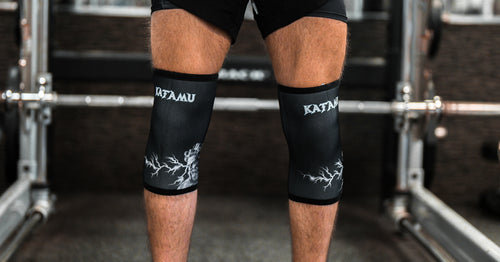
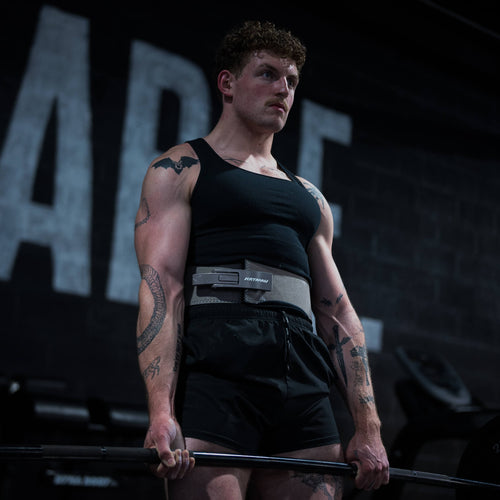
Your training accessories should be specific. Wrist wraps belong in a serious pressing setup alongside tools like a stable belt and knee sleeves when the session calls for them. Gloves belong in the bag when protecting your palms helps you train harder or more consistently. Keep both clean, dry them after hard sessions, and replace gear that has lost its structure or grip.
Katamu lifting gear is made for athletes who want their equipment to feel as deliberate as their training - durable support, sharp design, and no generic gym-bag filler. But the strongest purchase is still the one that solves the problem you actually have.
Before your next session, look at the lift that breaks down first. If your wrist position fails under a press, reach for wraps. If your palms are the distraction on high-volume pulling, gloves can earn their place. Let the movement make the call, then train with intent.
