 30-Day Money Back Guarantee

Miss a squat because your brace folded before your legs did, and you learn fast that a belt is not just another gym accessory. The best lifting belts for squats help you create harder abdominal pressure, stay tighter through the hole, and feel more locked in when the bar starts getting serious. But not every belt earns a place on heavy leg day. Width, thickness, closure style, and break-in all change how a belt performs when you are under load.
What actually makes the best lifting belts for squats?
A squat belt needs to do one job exceptionally well - give you a solid surface to brace against. That sounds simple, but the details matter. A belt that is too soft can feel comfortable and still do very little once the weight climbs. A belt that is too stiff can be incredible for max-effort sets and annoying for high-volume training or lifters with shorter torsos.
For most serious squat training, a uniform-width power belt is the standard. That usually means 4 inches wide all the way around, which gives your core even support from front to back. Tapered belts have their place, especially if conventional deadlifts or general gym use matter more than pure squat performance, but they usually are not the first choice if your main goal is building a stronger squat.
Thickness is the next big split. A 10mm belt is the sweet spot for a lot of lifters because it balances support and wearability. A 13mm belt is more rigid and can feel brutally secure, but it also takes more time to break in and may feel excessive if you are newer to belted lifting. Stronger is not always better here. The right belt is the one you will actually train in consistently.
The 8 best lifting belts for squats
1. 10mm lever belt
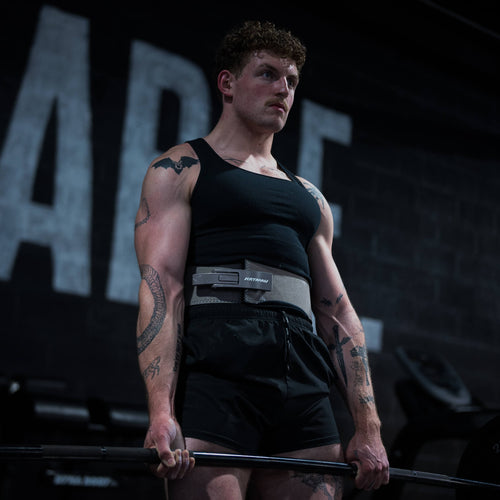
If you want the cleanest mix of support, comfort, and repeatable tightness, this is the top pick for most lifters. A 10mm lever belt gives you serious structure without feeling like armor you have to fight every set. It is stiff enough for heavy squats, but usually manageable enough for working sets, accessories, and longer sessions.
The lever is the selling point. Once you find your preferred setting, you get the same tightness every time. That matters when you want your setup to feel identical from warm-ups to top sets. For powerlifters and anyone who squats hard on a regular basis, this is the belt that checks the most boxes.
2. 13mm lever belt
This is the choice for lifters who want maximum rigidity and do not mind earning it. A 13mm lever belt feels more aggressive around the torso and gives a very dense wall to brace into. On near-max attempts, that extra stiffness can feel incredible.
The trade-off is obvious. It is less forgiving, takes longer to break in, and can feel like too much if your mobility, torso length, or lifting style do not match it. If you are newer to belts, this is rarely the best place to start. If you are an experienced squatter chasing bigger numbers, it can be exactly right.
3. 10mm prong belt
A 10mm prong belt is the best option for lifters who want strong support with easier day-to-day adjustability. If your bodyweight fluctuates, your training includes both strength and hypertrophy phases, or you simply like making small changes in tightness, prong belts are easier to fine-tune than lever belts.
You give up some speed on and off, especially between sets, but you gain flexibility. That makes a 10mm prong belt a great fit for athletes who squat heavy and do plenty of other work in the same session.
4. 13mm prong belt
This is a niche choice, but for some lifters it is the right one. You get the same hard support of a thicker belt with more adjustment range than a lever setup. That can be useful if you want maximum stiffness but do not want to commit to one fixed lever position.
The downside is that thick prong belts can be a hassle to tighten, especially when they are new. If convenience matters, a 13mm lever belt will usually feel cleaner. If adjustability matters more, this one deserves a look.
5. Single-prong suede-lined power belt
This category stands out for comfort and grip. A suede interior helps reduce belt movement, especially during sweaty sessions, and gives the whole setup a more premium feel. For squats, that matters because a belt that shifts around your waist can break focus before the bar even moves.
Single-prong designs are also simpler than they look. They are easier to use than double-prong belts and still give you dependable security under load. For lifters who care about both performance and finish, this is a strong middle ground.
6. Double-prong leather belt
Double-prong belts look serious, and some lifters love them for that reason alone. They can feel very secure once locked in, and many old-school strength athletes still prefer them. But for pure convenience, they are usually not the best belt for squats.
The issue is not support. It is usability. Getting a double-prong belt on and off can be frustrating, especially when the leather is stiff. If aesthetics and tradition matter to you, they still have a place. If pure training efficiency is the priority, lever or single-prong options are usually smarter.
7. Nylon belt with buckle closure
A nylon belt is not the first pick for heavy squat specialists, but it can be the right choice for beginners, functional fitness athletes, or anyone who wants a lighter, less restrictive belt. These belts are easier to wear, easier to pack, and more comfortable across varied workouts.
The trade-off is support. Nylon belts generally do not provide the same firm bracing surface as a quality leather power belt. If your squat numbers are climbing and your goal is serious strength, you will likely outgrow this category.
8. Custom-fit premium lever belt
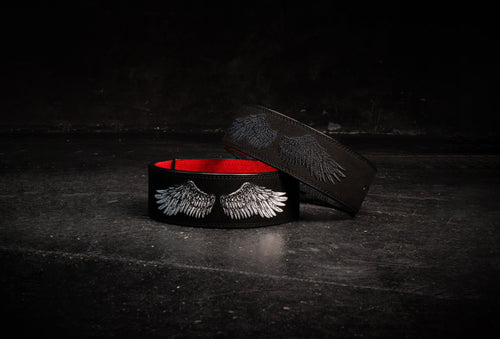
For lifters who care about performance and presence, a premium lever belt with a clean finish, durable hardware, and precise sizing is hard to beat. This is where quality materials, consistent manufacturing, and strong aesthetics all come together. The support matters, but so does the confidence that comes from gear that looks as serious as you train.
That is why athletes who live in the gym often move toward premium options. When the build quality is right, the belt keeps its shape, the lever stays reliable, and the whole setup feels ready for the long haul. That difference shows up after months of squat sessions, not just the first week.
How to choose the right squat belt for your training
The best lifting belt for your squats depends on how you train, not just how much you lift. If you are a powerlifter or strength-focused lifter, a 10mm or 13mm uniform-width leather belt should be your main lane. If you are newer to bracing or still building confidence with belt work, 10mm is usually the smarter move.
Your torso length matters too. Lifters with shorter torsos sometimes find a standard 4-inch belt digs into the ribs or hips at the bottom of a squat. That does not always mean the belt is wrong, but it can mean you need to test positioning carefully or consider a slightly less rigid option. A belt should feel supportive, not like it is fighting your anatomy.
Closure style is mostly about preference and routine. Lever belts win on speed and consistency. Prong belts win on flexibility. Neither is automatically better for every lifter. If you want one belt set for squat day and locked in every session, lever is hard to beat. If your training changes often, prong makes more sense.
Mistakes people make when buying a squat belt
The biggest mistake is buying for image instead of use. A thick, ultra-stiff belt might look elite, but if it feels terrible and stays in your gym bag, it is dead weight. The second mistake is getting the size wrong. Belt sizing is not the same as your jeans size, and guessing usually ends badly.
Another common miss is expecting the belt to do the work for you. A belt improves bracing, but only if you know how to brace into it. If you wear it loosely or breathe into your chest instead of your abdomen, you are leaving most of the benefit on the table.
Finally, people underestimate break-in. A real leather belt often needs time before it feels natural. That is normal. Premium gear is supposed to hold up under pressure, and that usually means a little patience at the start.
When you should wear a belt for squats
You do not need a belt for every squat set. Many lifters use one for top working sets and take it off for lighter volume, pauses, or warm-ups. That approach builds raw trunk strength while still letting you use the belt when the weight gets demanding.
If your goal is maximal strength, wear the belt often enough that your setup becomes automatic. You do not want to figure out belt position, breath timing, and bracing cues on the heaviest set of the day. Practice matters.
For general lifters, the belt should support training, not replace skill. Use it when the load is high enough that extra stability helps you move better and feel safer. Leave it off when it turns easy work into dependency.
A great squat belt should make you feel tighter, stronger, and more certain before you unrack the bar. If it does not, keep looking. The right belt is not hype - it is part of the system that helps you train with intent every time you step under the weight.
