 30-Day Money Back Guarantee

Ready to take your strength training to the next level in 2026? The katamu lifting belt is quickly becoming a must-have for every serious gym-goer looking to maximize performance and stay safe during heavy lifts.
A lifting belt is more than just a gym accessory. It provides crucial support for your core and spine, helping prevent injuries and boost your confidence under the bar.
This handbook will guide you through every aspect of the katamu lifting belt. Discover how to select the perfect model, master proper techniques, maintain your belt, and get answers to common questions.
Curious how a belt can transform your training? Dive in for expert tips, real-world insights, and all you need to know before your next workout.
Understanding Lifting Belts: Purpose, Benefits & Myths
Lifting belts have become a staple for anyone serious about strength training, especially as gym culture evolves in 2026. If you have ever watched a veteran lifter confidently buckle up before a heavy squat, you might wonder what gives the katamu lifting belt its edge. The answer lies in science, smart design, and a bit of myth-busting.
The Science Behind Lifting Belts
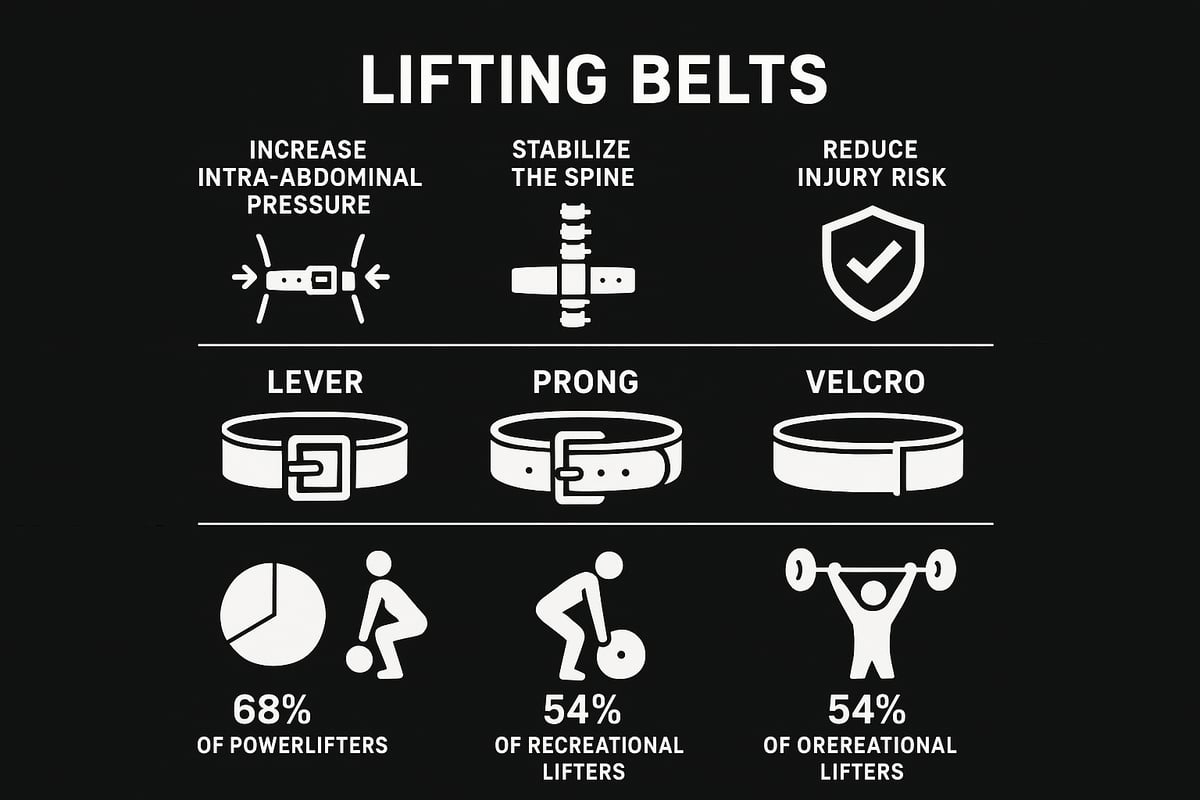
A katamu lifting belt does more than just look impressive in the gym. Its main purpose is to boost intra-abdominal pressure, creating a supportive cylinder around your core. This pressure acts like an internal weight belt, helping to stabilize your spine and protect it from excessive strain during heavy lifts.
When you wear a katamu lifting belt, your abdominal muscles press out against the belt, increasing tension in your torso. This added stability translates into safer and stronger lifts. According to scientific research, lifting belts can reduce spinal compression by up to 50% during maximal efforts. For a deeper dive into the biomechanics, see the Effects of abdominal belts on intra-abdominal pressure and muscle activity.
Not all belts are created equal. Let’s compare the main types you will encounter when shopping for a katamu lifting belt:
| Belt Type | Closure Mechanism | Pros | Cons |
|---|---|---|---|
| Lever | Lever buckle | Fast, consistent, secure | Fixed sizing adjustments |
| Prong | Single/double prong | Adjustable, classic | Slower to fasten |
| Velcro | Hook-and-loop | Lightweight, flexible | Less durable, can loosen |
Most gym-goers find that lever belts, like those offered by Katamu, provide the most reliable and repeatable fit—ideal for competitive settings where every rep counts.
You might ask, when should you wear a katamu lifting belt? The answer depends on the lift. Belts are most beneficial during compound, heavy lifts like squats, deadlifts, and overhead presses. These exercises place significant load on your spine, making the extra support crucial. In fact, 68% of powerlifters and 54% of recreational lifters report regular belt use, highlighting their widespread acceptance.
Despite these benefits, some myths persist in the lifting community. One common misconception is that using a katamu lifting belt makes you “weak” or causes your core to become lazy. In reality, belts do not replace core training. They are a tool to enhance safety and performance when lifting near your maximum. If you rely on a belt for every set, however, you might neglect your foundational core strength. That’s why top coaches recommend using the katamu lifting belt strategically, mostly for heavy sets and challenging lifts.
There are also potential drawbacks to consider. Over-reliance on a katamu lifting belt can mask poor technique or mobility limitations. If you ignore your body’s natural cues and use the belt as a crutch, you might develop bad habits or miss early signs of injury. Moderation and good judgment are key.
Real-world stories from athletes show the difference a katamu lifting belt can make. Many lifters credit proper belt use with helping them recover from back injuries or avoid them altogether. For example, a powerlifter recovering from a lumbar sprain found that using a katamu lifting belt enabled a safe return to deadlifting heavier weights without pain.
In summary, a katamu lifting belt is more than just an accessory—it is an evidence-backed tool for safer, stronger lifts. By understanding how it works, when to use it, and clearing up common myths, you can make the most of this essential piece of gym equipment.
Choosing the Right Katamu Lifting Belt for Your Needs
Choosing the ideal katamu lifting belt can feel overwhelming with so many options available. Whether you’re chasing new personal records or simply want to protect your back during tough sessions, the right katamu lifting belt makes all the difference. Let’s break down what you need to know, from types and features to sizing and style, so you can confidently pick your perfect match.
Types of Katamu Lifting Belts
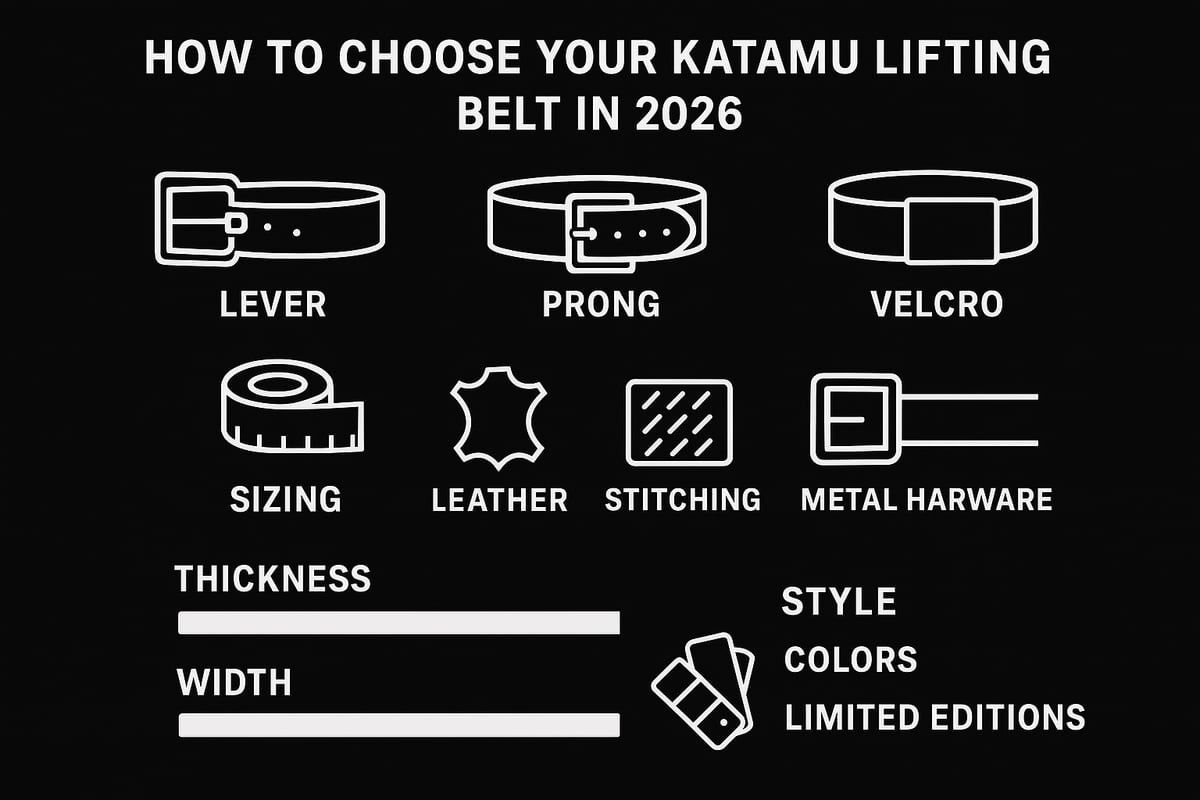
Katamu lifting belt models are designed to support every kind of lifter, from beginners to seasoned pros. The main types include lever, prong, and Velcro belts.
- Lever belts offer fast locking and unlocking, making them ideal for heavy sets and quick adjustments.
- Prong belts provide classic adjustability, letting you fine-tune your fit for each workout.
- Velcro belts are lightweight and flexible, perfect for dynamic or circuit training.
Each katamu lifting belt is crafted with performance and comfort in mind, ensuring you never have to compromise on safety or style.
Comparison Table: Lever, Prong, and Velcro Belts
To help you compare, here’s a quick breakdown of the main katamu lifting belt types:
| Feature | Lever Belt | Prong Belt | Velcro Belt |
|---|---|---|---|
| Quick Adjust | Yes | No | Yes |
| Max Support | High | High | Medium |
| Ideal For | Powerlifting, PRs | All-round lifting | Functional fitness |
| Comfort | Snug, rigid | Adjustable | Flexible |
| Durability | Top-tier | High | Moderate |
Choosing the right katamu lifting belt style depends on your training goals and comfort preferences.
Sizing and Fit Guide
Getting the right fit is crucial for katamu lifting belt performance and safety. Here’s how to measure:
- Use a soft tape measure to find your waist size at the level where you’ll wear the belt, usually just above your navel.
- Pull the tape snug, but not tight, to mimic belt tension.
- Check Katamu’s sizing chart for your measurement.
For more detailed instructions, visit the Katamu Belt Sizing Guide. The proper katamu lifting belt fit ensures stability during lifts and prevents pinching or shifting.
Thickness, Width, and Material Options
Katamu lifting belt options include different thicknesses and widths to match your needs:
- Thickness: 10mm belts are flexible, ideal for most lifters, while 13mm belts give extra rigidity for maximal support.
- Width: 4-inch belts suit general use, while 6-inch belts offer more surface area for taller or larger athletes.
- Materials: Katamu uses genuine leather, reinforced stitching, and solid metal hardware for lasting durability.
Choosing the right katamu lifting belt thickness and width helps you maximize comfort and performance at every session.
Style, Durability, and Value
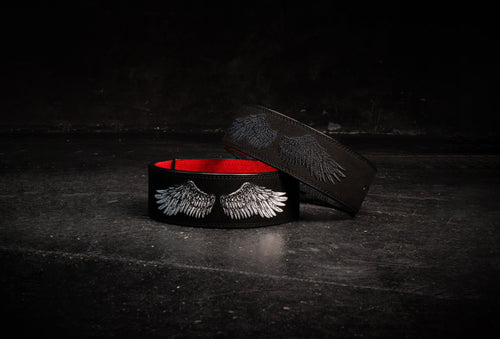
Katamu lifting belt styles are anything but basic. You’ll find limited edition drops, bold colorways, and options for custom embroidery.
Durability is a hallmark, backed by a 1-year manufacturing warranty and rave reviews from athletes. The katamu lifting belt stands out for its balance of premium quality and accessible pricing, often outperforming pricier competitors.
When you invest in a katamu lifting belt, you’re choosing a blend of function, style, and long-term value for your training journey.
Step-by-Step Guide: How to Use Your Katamu Lifting Belt Properly
Ready to unlock the full potential of your katamu lifting belt? Follow this hands-on guide to ensure you get optimal support, safety, and performance in every session. Whether you’re new to lifting belts or upgrading your technique, these steps will help you avoid common pitfalls and maximize your gains.
Step 1: Sizing and Adjusting Your Belt
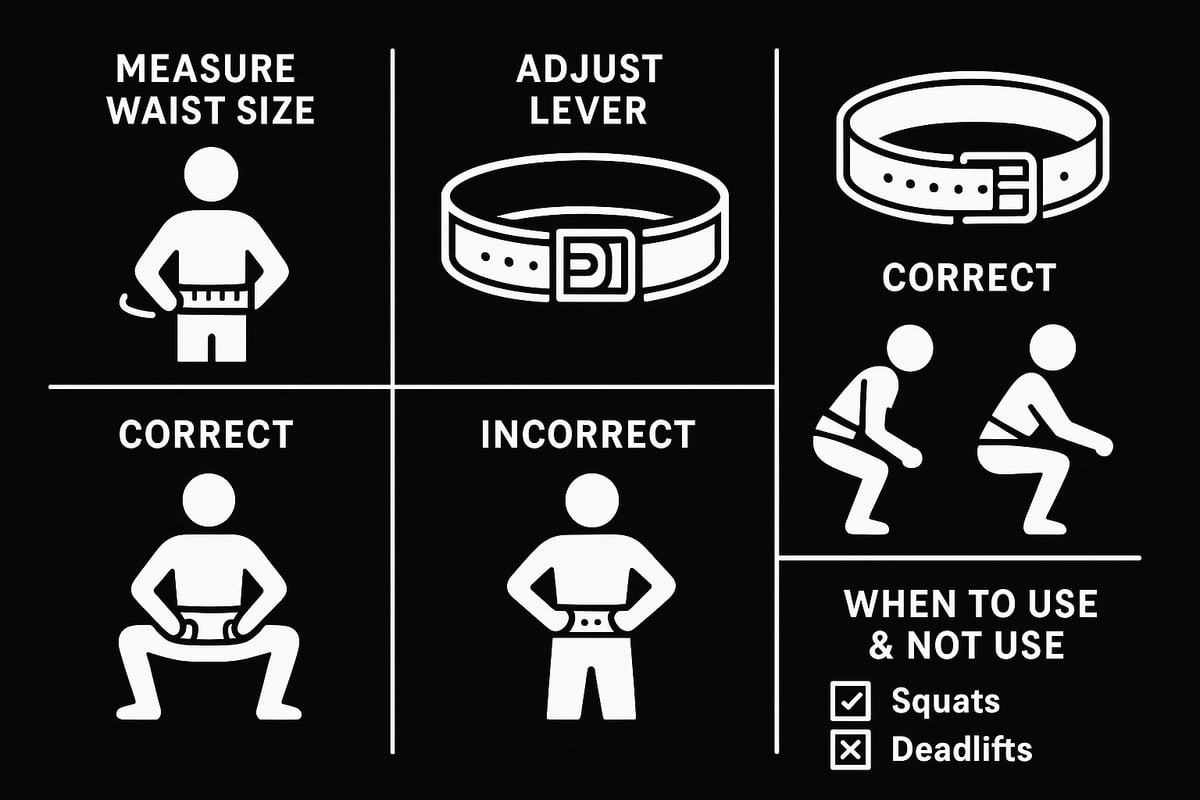
Proper sizing is the foundation for safe and effective lifting. Start by measuring your waist at the level where the katamu lifting belt will sit, typically just above your navel. Use a flexible tape measure and check the fit while standing relaxed.
Once you have your measurement, select the right belt size according to Katamu’s sizing chart. Open the lever mechanism and wrap the katamu lifting belt snugly around your torso. The belt should feel secure but not painfully tight. Fasten the lever, then test your range of motion and breathing.
Common mistakes include wearing the katamu lifting belt too high or low, setting the lever too tight, or failing to check adjustment between different lifts. Always readjust after major weight changes, or if you switch from heavy squats to deadlifts.
For a more detailed breakdown and tips on selecting the best fit, check out the Best Weightlifting Belt Guide. Remember, a proper fit lays the groundwork for every lift.
Step 2: Wearing the Belt for Different Lifts
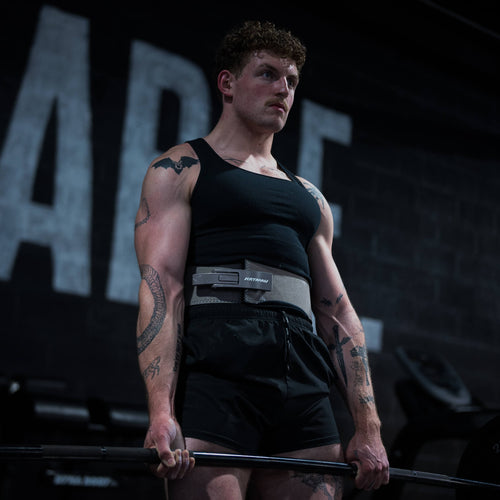
The katamu lifting belt is versatile, but placement and technique vary by lift. For squats, position the belt so it covers your lower back and abdominals evenly. Stand tall, then brace your core before descending. The belt provides extra support as you drive out of the hole.
During deadlifts, some lifters prefer the katamu lifting belt slightly higher or lower, depending on comfort and body mechanics. Always hinge at the hips, and brace before lifting. The belt helps maintain spinal alignment and reduces the risk of rounding your back.
For overhead presses or bench press, evaluate if the katamu lifting belt is necessary. Many lifters use it for heavy overhead work to stabilize the trunk, but go beltless on bench to encourage natural core activation. Monitor how your body responds and adjust accordingly.
Notice how your performance improves as you dial in the right belt placement. Small tweaks can make a big difference in both safety and strength.
Step 3: Bracing and Breathing Techniques
Using your katamu lifting belt effectively means mastering bracing and breathing. Before each lift, take a deep breath into your belly, not your chest. Push your core outwards against the belt, spreading pressure around your torso. This technique, called the Valsalva maneuver, increases intra-abdominal pressure and stiffens your spine.
Practice with lighter weights to get comfortable bracing against the katamu lifting belt. Try drills like holding your breath and expanding your core for a few seconds, then releasing. This helps reinforce the feeling of stability.
Avoid shallow breathing or sucking in your stomach. Instead, think of your midsection as a balloon expanding in all directions. With repetition, bracing becomes second nature and your lifts become safer and more powerful.
Step 4: When to Use (and Not Use) Your Belt
Knowing when to reach for your katamu lifting belt is just as important as knowing how to use it. Use the belt for maximal lifts, heavy sets, or when you’re pushing toward a new personal record. This is where you’ll benefit most from the extra support.
Skip the belt during warmups, light accessory work, or core-focused exercises. Overusing the katamu lifting belt can limit natural core development and stability. Many coaches recommend alternating between belted and beltless sets to keep your core strong and functional.
Listen to your body, and draw from expert advice to find the right balance. The katamu lifting belt is a powerful tool, but your technique and consistency are what drive long-term progress.
Maintenance & Care: Keeping Your Katamu Belt in Top Shape
Keeping your katamu lifting belt in peak condition is essential for performance, safety, and longevity. With the right care, your belt can handle years of heavy training. Regular maintenance ensures you always get the support you need, whether you’re hitting a new PR or moving through your routine.
Cleaning and Care
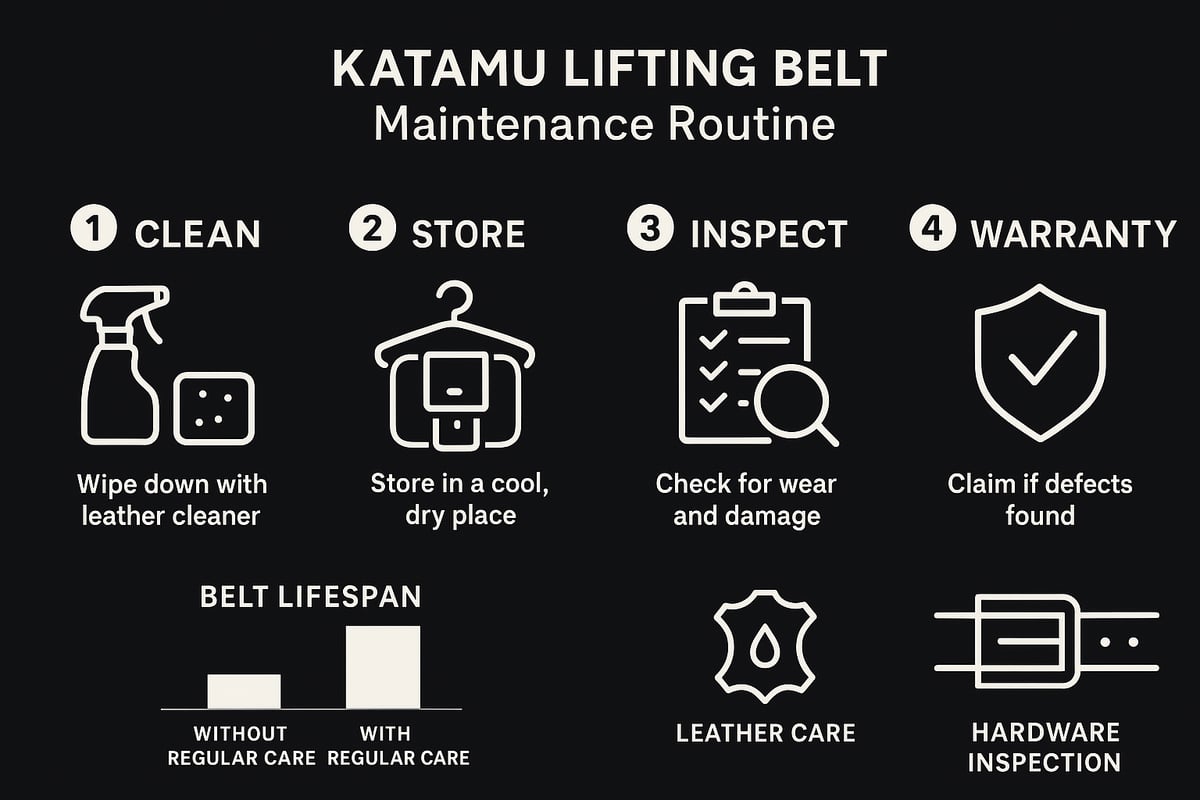
Sweat, chalk, and dust can build up on your katamu lifting belt after every workout. Start by wiping the belt with a soft, damp cloth after each session. For deeper cleaning, use a mild leather cleaner or saddle soap—avoid harsh chemicals, as they can damage the leather.
Focus on the hardware too. Use a soft brush or cloth to clean around the lever or prong, making sure no moisture lingers. Always let your katamu lifting belt air dry completely before storing it. Never use direct heat, which can crack or warp leather.
If you notice any odors, sprinkle a bit of baking soda on the inside, then brush it off after a few hours. Keeping your katamu lifting belt clean not only preserves its look but also maintains its structural integrity for years of use.
Storage and Inspection
Proper storage is key to protecting your katamu lifting belt. Store it flat or gently rolled in a cool, dry place. Avoid leaving it in gym bags, cars, or damp areas, as extreme temperatures and humidity can weaken the leather and hardware.
Inspect your katamu lifting belt regularly for signs of wear. Look for stretching, cracks, loose stitching, or rust on the buckle. If you spot any damage, consider repairing it before your next heavy session. A well-maintained belt is far less likely to fail under load.
Breaking in a new katamu lifting belt takes time. Wear it during your warmups and lighter lifts, allowing the leather to mold to your body. Be patient—the more you use it, the more comfortable it becomes, offering better support and fit.
Warranty, Longevity, and Pro Tips
Katamu stands behind its products with a 1-year manufacturing warranty. Regular maintenance and inspection help you catch issues early and keep your katamu lifting belt eligible for warranty claims. For specific coverage details, check the Katamu Belts Warranty Info page.
Avoid letting sweat and chalk build up, as these can degrade leather and hardware over time. Rotate your belt with other gym gear to reduce daily wear. Many lifters recommend conditioning the leather every few months with a dedicated product for added flexibility and protection.
User testimonials show that a katamu lifting belt can last for years with routine care. Following these simple maintenance steps ensures your belt remains a reliable part of your training arsenal.
Frequently Asked Questions About Katamu Lifting Belts
Choosing a katamu lifting belt is a big step for any lifter. Whether you are just starting or have years under your belt, it is natural to have questions. Here, we answer the most common queries to help you get the best out of your katamu lifting belt.
Can beginners use lifting belts, or are they only for advanced lifters?
Absolutely, beginners can use a katamu lifting belt safely and effectively. The key is understanding when and how to wear it. Most coaches recommend using a belt for lifts that challenge your strength, like squats or deadlifts, rather than every exercise.
If you are new, focus first on learning proper form and core bracing. Once your technique is sound, introducing a katamu lifting belt can give extra support as you progress. For women starting their strength journey, Katamu also offers tailored advice and sizing, detailed in their Lifting Belt for Women guide.
How often should I use my Katamu belt during workouts?
Using your katamu lifting belt every session is not necessary. Most lifters reserve belts for heavy sets or maximum effort lifts. This approach helps you maintain strong core muscles without over-relying on external support.
A recent study on weight lifting belt use patterns among health club members found that recreational lifters typically use belts only for challenging lifts. Try wearing your katamu lifting belt during squats, deadlifts, or overhead presses, and go beltless for warmups and accessory work.
What makes Katamu belts different from other brands?
Katamu lifting belt stands out for its blend of premium materials, innovative lever design, and unique style options. Each katamu lifting belt uses thick, genuine leather, reinforced stitching, and high-quality hardware for durability.
What sets Katamu apart is the focus on user experience. You get a choice of colors, limited edition drops, and even customizations. Plus, their customer-first policies include a one-year warranty and a 30-day money-back guarantee, so you can buy with confidence.
Are Katamu belts competition-approved for powerlifting or weightlifting meets?
Many katamu lifting belt models meet the requirements for major powerlifting federations and weightlifting competitions. The standard 10mm and 13mm thicknesses, lever closures, and rigid construction align with most rulebooks.
Before entering a meet, check your federation's guidelines to ensure your katamu lifting belt fits their standards. If you are unsure, Katamu’s support team can help you confirm if your belt is approved for your specific event.
How do I adjust the lever mechanism if I gain or lose weight?
Adjusting a katamu lifting belt lever is simple. The design allows you to reposition the lever by unscrewing and moving it to a different hole on the belt. You will need a small screwdriver for the process.
Make sure the fit is snug but not restrictive, letting you brace your core comfortably. If your weight fluctuates often, choosing a prong-style katamu lifting belt may offer more flexibility for daily adjustments.
What is the return/exchange policy for belts that don’t fit?
Katamu makes returns and exchanges easy. If your katamu lifting belt does not fit, you have 30 days to return or exchange it, provided it is in new condition. The company covers manufacturing defects with a one-year warranty, so you are protected against faults.
To start a return or exchange, contact Katamu’s support team with your order details. They will guide you through the process and ensure you get the right fit.
Shipping times, international orders, and support options
For US customers, Katamu offers free shipping on orders over $75. Most katamu lifting belt orders ship within 1–3 business days. International shipping is available, though delivery times may vary based on your location.
If you have questions about your katamu lifting belt, you can reach the support team via email or the website’s chat feature. Customer service is known for fast responses and helpful guidance.
Customer experiences: real feedback from Katamu belt users
Katamu lifting belt users consistently praise the comfort, support, and style of their belts. Many report improved confidence and performance during heavy lifts. The durability and easy lever adjustment also receive high marks.
Here is a quick summary of what customers love:
- Secure fit and easy adjustments
- Stylish designs and color options
- Reliable support for heavy lifts
- Responsive customer service
With a katamu lifting belt, you join a global community of lifters who value safety, quality, and performance.
Advanced Tips: Maximizing Your Performance with Lifting Belts
Ready to unlock your full potential with your katamu lifting belt? This section goes beyond the basics, offering advanced strategies to help you maximize every lift. Whether you are chasing new PRs or refining your technique, these tips will help you use your katamu lifting belt to its fullest in 2026 and beyond.
Integrating Belt Use Into Your Training Program
Strategic integration of your katamu lifting belt into your training plan can make a real difference. Start by introducing the belt during periods of heavy lifting, especially when you are working at 80% or more of your one-rep max. This approach, known as periodization, allows your body to build core strength during lighter sessions and rely on the katamu lifting belt for maximal efforts.
Balance is key. Alternate between beltless and belted sets to ensure your core remains strong and functional. Use your katamu lifting belt for compound lifts such as squats and deadlifts, but keep some sets belt-free for accessory work. This method helps you avoid over-reliance and keeps your progress steady.
Accessory Exercises to Complement Belt Use
While the katamu lifting belt offers support during heavy lifts, your training should also target core stability without the belt. Incorporate accessory exercises that build trunk strength and enhance the effectiveness of your belt use.
- Planks (front and side)
- Ab rollouts
- Farmer’s carries
- Pallof presses
These exercises help create a solid foundation so you get the most benefit from your katamu lifting belt when it counts. Regularly mixing in these movements will help you maintain a resilient and powerful midsection.
Tracking Progress: Using Belts to Push PRs Safely
The katamu lifting belt is an excellent tool for tracking strength gains and pushing your limits safely. Many athletes report a 10–15% increase in maximal lifts when using a belt correctly. For instance, research on the effects of back support on intra-abdominal pressure and lumbar kinetics during heavy lifting shows that belts improve spinal mechanics and allow for safer, heavier efforts.
Keep a training log to note when you use your katamu lifting belt and how it affects your performance. Monitor your form, speed, and recovery. This data-driven approach will help you identify what works best for your body and optimize your training cycles.
Common Mistakes to Avoid
Even experienced lifters can make errors with their katamu lifting belt. Here are some pitfalls to watch out for:
- Over-tightening the belt, which can restrict breathing and reduce stability
- Poor bracing technique, causing the belt to offer less support
- Using the belt for every set, leading to weaker core muscles
- Ignoring proper fit or positioning
Focus on using your katamu lifting belt as a tool, not a crutch. Practice correct bracing and only tighten the belt enough to allow for deep, controlled breaths.
Insights from Elite Lifters: How Top Athletes Use Belts
Elite strength athletes know how to get the most from their katamu lifting belt. They reserve its use for their heaviest sets and always prioritize perfect form. Many incorporate belt-specific drills, such as paused squats or tempo deadlifts, to learn how the belt interacts with their body.
Top lifters also emphasize the importance of consistent practice. By treating the katamu lifting belt as an integral part of their gear, yet not a replacement for core work, they maximize both power and safety. Learn from the best—use your belt with intention and discipline.
Future Trends: Innovations in Lifting Belt Technology and Design for 2026
The katamu lifting belt landscape is evolving rapidly as technology advances. In 2026, expect to see belts with smart sensors that track intra-abdominal pressure and provide real-time feedback on bracing. Materials are becoming lighter, more durable, and even more comfortable, allowing for custom fits and enhanced longevity.
Designs are also shifting toward greater personalization, with more colorways, limited drops, and unique hardware options. As the industry continues to innovate, the katamu lifting belt will remain at the forefront, offering both performance and style for modern lifters.
Now that you know what makes a great lifting belt and why it matters for your training, it’s time to put that knowledge into action. Imagine hitting your next PR with the confidence that your gear won’t let you down—because you chose quality, style, and a fit that’s made for you. Whether you’re a regular at the gym or just stepping up your game, Katamu’s lever belts are built to support you for years, not just one workout. Ready to take your training seriously and protect your back? Secure your belt and feel the difference for yourself.
