 30-Day Money Back Guarantee

A compression shirt earns its place when the session gets serious. When you are bracing for squats, pressing heavy, chasing a brutal upper-body pump, or moving through conditioning work, a loose cotton tee can become a distraction fast. The best compression shirts for gym training stay close, move cleanly, manage sweat, and look sharp without turning every rep into a fight with your clothing.
That is the standard. Not a shirt that simply feels tight in the mirror. A real training layer needs to hold its shape under pressure, feel right through a full range of motion, and survive more than a few hard wash cycles.
What Makes a Compression Shirt Worth Training In?
Compression apparel is built to fit close to the body. That close fit can reduce fabric bunching, keep sweat-heavy material from swinging around, and create a locked-in feel when you train. For lifters, that last point matters. Training is physical, but it is also mental. Gear that fits with intention helps you show up with intention.
Still, compression is not magic. A shirt will not add plates to the bar, fix poor recovery, or replace a proper warm-up. Its job is simpler and more useful: stay out of your way while you work. The right one gives you a clean, athletic fit from your first warm-up set to your final set of cable work.
A good compression shirt should feel secure across the chest, shoulders, and arms without limiting overhead movement. It should sit close through the torso without rolling at the waist. And it should remain comfortable when you are bent over a barbell, seated on a machine, or grinding through high-rep finishers.
Best Compression Shirts for Gym Training: What to Look For
The best choice depends on your training style, build, and tolerance for a close fit. A bodybuilder chasing a pump may want a more sculpted, second-skin cut. A powerlifter may prefer slightly more room through the torso for bracing and belt use. A hybrid athlete may prioritize breathable fabric and fast drying over an ultra-tight silhouette.
A fabric blend that can handle sweat
Look for performance fabrics built around polyester, nylon, elastane, or spandex. These materials are common because they stretch, dry faster than cotton, and are less likely to feel heavy once the session turns sweaty.
More stretch is not always better. A shirt with too much elastane can feel thin, overly slick, or lose structure over time. A balanced blend gives you mobility while keeping the garment substantial enough for repeated training. The goal is compression with backbone.
If you mostly lift in a hot gym or stack conditioning after weights, prioritize moisture-wicking fabric and ventilation panels. If your gym runs cold, a slightly thicker compression top can work as a strong base layer under a hoodie during warm-ups.
A cut made for movement, not posing
Shoulder construction matters more than most people realize. Raglan sleeves, shaped shoulder panels, and four-way stretch can make a major difference during presses, pull-ups, rows, and overhead work. If the fabric digs into your armpits or pulls hard across your upper back, it will become annoying before the workout is over.
Check the sleeve length, too. Short sleeves should sit securely around the upper arm rather than ride upward with every curl. Long sleeves should stay planted at the wrist without bunching under wraps. For athletes who use wrist wraps, elbow sleeves, or straps, clean cuffs and low-profile seams make the entire setup feel more dialed in.
Compression that fits your body, not just the size chart
Do not buy the smallest size just to chase an extreme fitted look. That usually creates sheer fabric, restricted breathing, and a collar that feels like it is trying to choke you between sets. Too-tight compression can also make it harder to get the shirt on and off after a high-volume arm or back day.
Your compression shirt should be snug enough that it does not shift when you move, yet comfortable enough to breathe and brace naturally. If you are between sizes, the decision comes down to your build and preference. Size down only if you want a very sculpted fit and the fabric has generous stretch. Size up if you have a broad chest, large arms, or use the shirt for heavy compound lifting where a little extra freedom helps.
Construction that survives your training block
Cheap compression shirts usually fail in predictable places: stretched-out collars, loose seams, thin elbows, peeling graphics, and fabric that loses recovery after a handful of washes. Premium training apparel should hold its shape, especially when it is part of your weekly rotation.
Flatlock seams are a strong sign because they reduce rubbing and bulk. Reinforced stitching around the shoulders and underarms also matters. If you train five or six days a week, own at least two or three compression shirts and rotate them. That protects the fabric and means you are not pulling on yesterday's sweat-soaked layer before leg day.
Choose the Right Style for Your Session
Short-sleeve compression shirts are the all-around choice for most gym athletes. They keep your arms free, show the work you have built, and fit naturally with lifting belts, knee sleeves, and training shorts. For bodybuilding, general strength work, and everyday gym sessions, this is usually the move.
Long-sleeve compression shirts bring more coverage and a more aggressive layered look. They are especially useful for cold-weather warm-ups, early-morning training, or lifters who want to keep their joints warm before getting under load. The trade-off is heat. In a packed gym with poor air conditioning, long sleeves can feel like too much by the middle of the session.
Sleeveless compression tops are for athletes who want maximum shoulder freedom and minimal fabric. They work well for high-volume upper-body days, but fit becomes even more important. A loose arm opening defeats the purpose, while an opening that cuts into the lat or chest can make pulling movements uncomfortable.
How a Compression Shirt Should Fit Under Lifting Gear
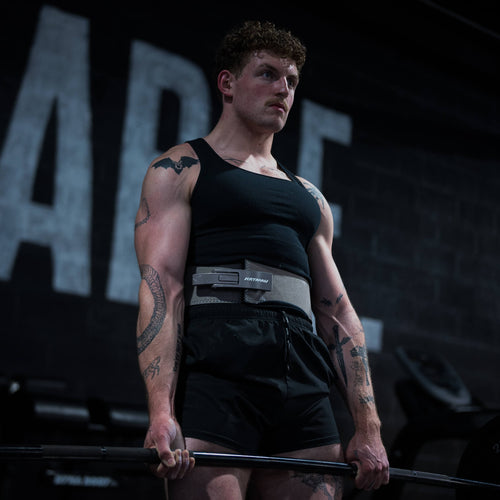
Your apparel should work with your gear, not compete with it. Under a lever belt or prong belt, the shirt should stay flat across the midsection. Excess fabric beneath the belt can bunch, pinch, and distract from your brace. A close-fitting torso makes belt placement more consistent, particularly on squats and deadlifts.
For athletes using elbow sleeves or wrist wraps, avoid bulky seams near the joints. The same goes for knee sleeves when you are wearing a longer training top during warm-ups. Every layer should have a purpose. If it shifts, folds, or catches, it is not built for the work.
Katamu compression shirts are designed for that strength-training mindset: performance-driven fit, durable training construction, and a visual edge that does not disappear when the weight gets heavy.
Care Is Part of Durability
Even the strongest training shirt will wear out early if you treat it like an old towel. Wash it after training, especially after high-sweat sessions, but avoid high heat whenever possible. Heat is tough on stretch fibers and can weaken the recovery that gives compression apparel its shape.
Turn shirts inside out before washing to protect graphics and outer fabric. Use cold water, skip fabric softener, and air dry when you can. Fabric softener can leave a coating that interferes with moisture management, while high-heat drying can slowly turn a dialed-in fit into a loose one.
A compression shirt is a small part of your kit, but it sets the tone before the first plate goes on the bar. Choose one that fits hard, moves harder, and looks like it belongs in the room when you are there to earn every rep.
