 30-Day Money Back Guarantee

Every serious lifter eventually faces the same frustrating problem: your grip gives out before your back, glutes, and hamstrings reach their limit. You feel the weight lifting off the floor, your legs driving hard, but your fingers start slipping and you have to drop the bar. This is where deadlift grip straps become essential training tools that unlock your true strength potential. Rather than limiting your progress to what your forearms can handle, quality lifting straps allow you to challenge the larger muscle groups that the deadlift is designed to develop.
Understanding Deadlift Grip Straps and Their Purpose
Deadlift grip straps are specialized lifting accessories designed to secure the barbell to your hands, reducing reliance on pure grip strength during heavy pulls. These simple yet effective tools wrap around both your wrist and the barbell, creating a mechanical connection that prevents the bar from rolling out of your hands.
The primary function goes beyond just holding onto the weight. Research shows that lifting straps positively affect movement velocity, grip strength, and perceived exertion during deadlift exercises. When your grip is no longer the limiting factor, you can focus entirely on proper form, hip drive, and generating maximum power from your posterior chain.
Types of Grip Straps Available
Different strap designs serve various training purposes and preferences:
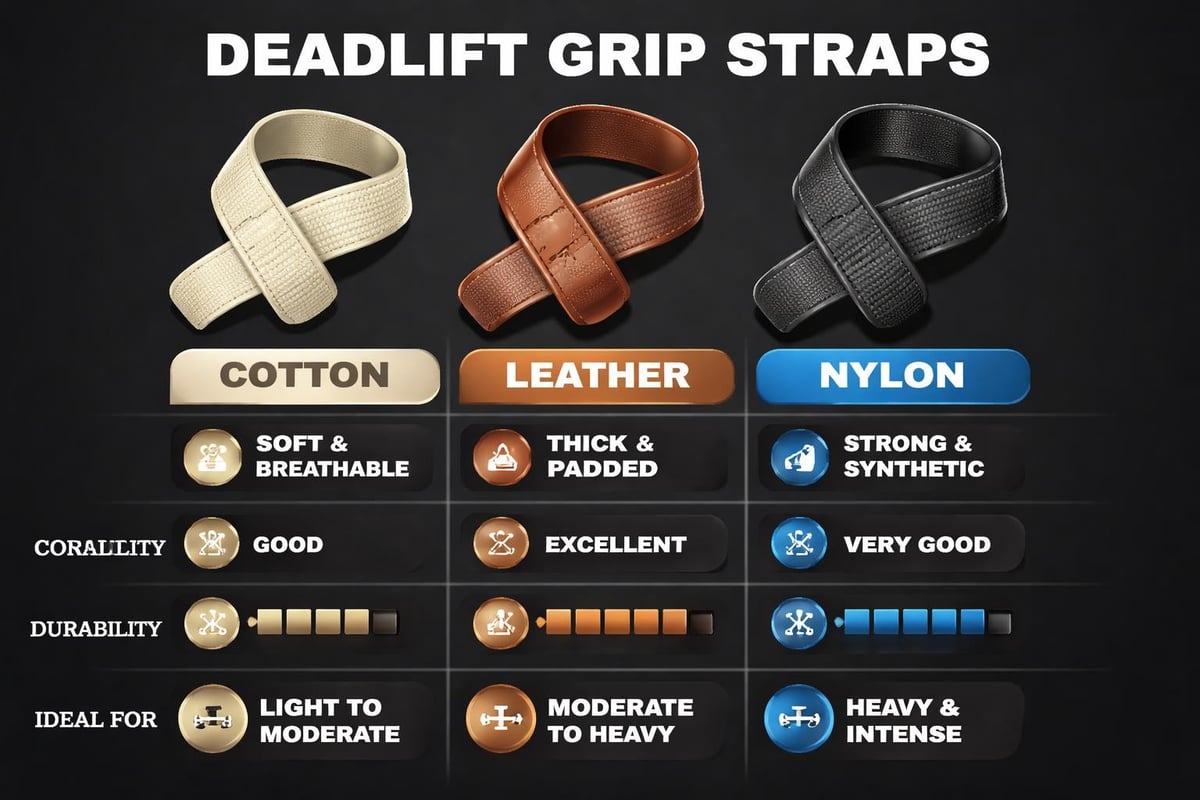
- Cotton straps: Classic choice offering comfort and durability for moderate weights
- Leather straps: Premium option providing superior strength for maximum loads
- Nylon straps: Lightweight and quick-drying, ideal for high-volume training sessions
- Figure-8 straps: Specialized design for strongman-style lifts requiring zero grip effort
- Olympic lifting straps: Shorter length with quick-release capability for dynamic movements
Each material and design offers distinct advantages depending on your training style, weight loads, and personal preferences. Cotton provides a traditional feel with excellent wrist comfort, while leather delivers uncompromising strength for personal records. Nylon strikes a balance between durability and flexibility, making it perfect for varied training programs.
Performance Benefits That Transform Your Training
The advantages of incorporating deadlift grip straps extend far beyond simply holding onto heavier weight. These tools fundamentally change how you can approach progressive overload and training volume.
Increased training volume stands as the most immediate benefit. When grip fatigue limits your working sets, you're forced to end sessions prematurely or reduce weight before your target muscles receive adequate stimulus. Straps eliminate this bottleneck, allowing you to complete planned sets and reps without grip failure.
Studies examining strap usage during deadlifts have demonstrated measurable improvements in performance metrics. Research on female lifters showed increased repetitions and maintained barbell velocity when using lifting straps, indicating that straps preserve power output across multiple sets.
Enhanced Muscle Activation and Development
Deadlift grip straps redirect neural focus from grip maintenance to primary mover activation. Without the distraction of slipping hands, lifters can concentrate on:
- Engaging the lats properly throughout the pull
- Maintaining optimal spinal positioning under load
- Driving through the heels with maximum leg force
- Squeezing glutes at lockout for complete hip extension
This improved mind-muscle connection translates to better muscle recruitment patterns and enhanced hypertrophy stimulus. Your back, hamstrings, and glutes receive the attention they deserve rather than being shortchanged by premature grip failure.
| Muscle Group | Without Straps | With Straps | Improvement |
|---|---|---|---|
| Back Development | Limited by grip | Full stimulus | 20-30% more volume |
| Glute Activation | Incomplete sets | Complete sets | Consistent recruitment |
| Hamstring Work | Reduced reps | Full reps | Better hypertrophy |
| Overall Volume | Grip-limited | Strength-limited | 25-40% increase |
The numbers speak clearly. When you remove grip as the limiting factor, your actual strength determines your training capacity rather than forearm endurance.
Strategic Implementation in Your Program
Knowing when and how to use deadlift grip straps separates smart training from dependency. The goal isn't to abandon grip training entirely but to use straps strategically for maximum benefit.
Heavy working sets represent the ideal scenario for strap usage. When pulling 85% of your one-rep max or higher, grip strength should never be the reason you fail a lift. These are the sets that build real strength and muscle mass.
Reserve strap-free lifting for:
- Warm-up sets with lighter weights
- Grip-specific training exercises
- Competition preparation periods
- Intentional forearm development sessions
This balanced approach ensures you develop functional grip strength while maximizing gains from heavy deadlift training. Many powerlifters and strength athletes incorporate straps during training to preserve grip strength for competitions while building maximum pulling strength.
Proper Wrapping Technique for Maximum Security
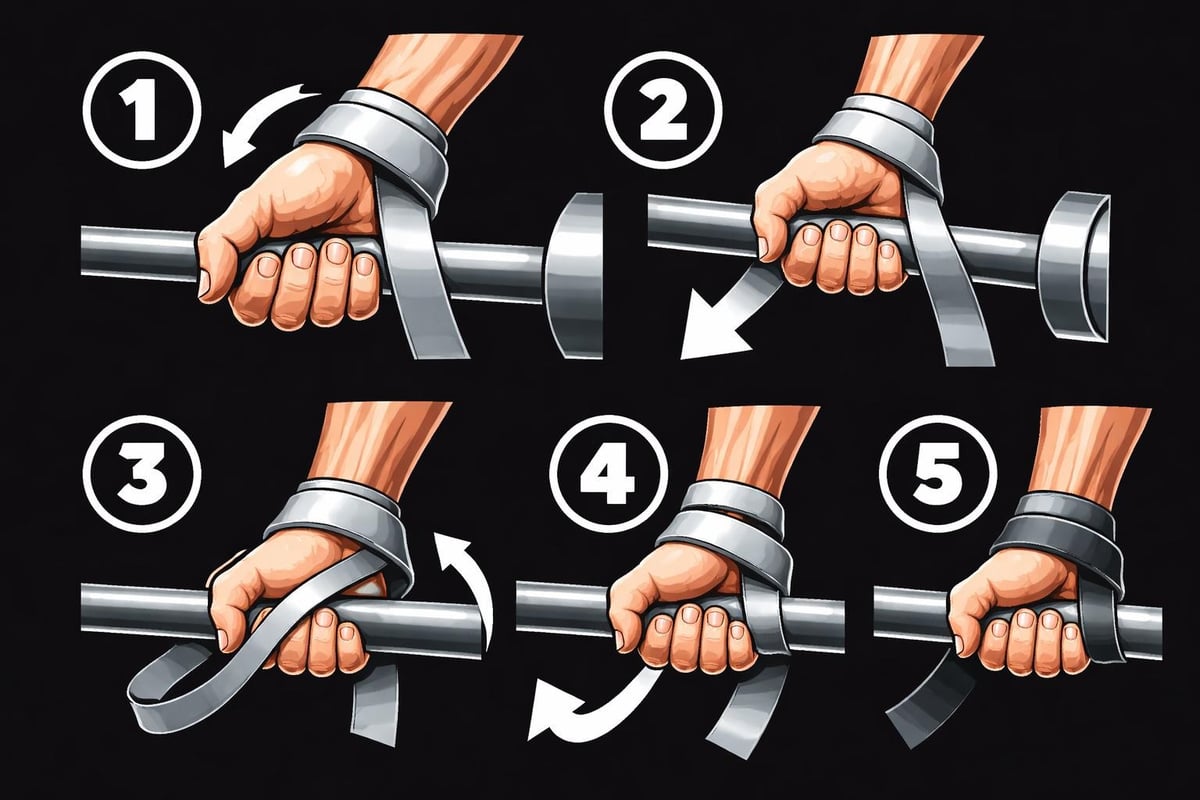
Correct strap application makes the difference between secure support and dangerous slippage. Follow this proven method:
- Thread the strap through the loop to create a secure wrist attachment
- Tighten the loop snugly around your wrist without cutting off circulation
- Wrap the remaining strap around the bar in the direction opposite your grip
- Position your hand over the wrapped strap and squeeze tightly
- As you grip, the strap tightens around the bar automatically
The wrapping direction matters significantly. For a standard overhand grip, wrap the strap outward so that when you pull, tension increases the grip rather than loosening it. This mechanical advantage creates a self-tightening effect as load increases.
Addressing Common Concerns and Misconceptions
Despite proven benefits, deadlift grip straps face criticism from traditionalists who worry about dependency and reduced grip development. These concerns deserve examination.
"Straps make you weak" represents the most common objection. This assumes that avoiding straps will naturally develop superior grip strength. However, exploratory reviews question whether avoiding straps provides the benefits often claimed, suggesting the relationship between strap avoidance and grip development is more complex than assumed.
Reality shows that dedicated grip work develops grip strength more effectively than hoping deadlifts alone will do the job. Farmer's carries, dead hangs, plate pinches, and grip-specific exercises target forearm strength directly. Meanwhile, straps allow your deadlifts to maximize back and leg development.
Competition Considerations
Powerlifters preparing for meets need special consideration since straps aren't permitted in competition deadlifts. The solution involves periodization rather than complete avoidance.
Training phases should include:
- Off-season building blocks: Maximum strap usage for volume accumulation
- Strength development phases: Mixed approach with both strapped and strapless sessions
- Competition preparation: Gradual reduction of strap usage leading to meet day
- Deload weeks: Lighter loads without straps to maintain grip engagement
This structured approach builds massive pulling strength during high-volume phases while ensuring your grip can handle competition weights when it matters. Many elite powerlifters pull 600+ pounds in training with straps while competing successfully with 500+ pound strapless lifts.
Selecting Quality Deadlift Grip Straps
Not all straps are created equal. Quality construction determines whether straps support your training or create safety hazards through failure.
Material durability forms the foundation. Premium materials resist fraying, maintain structural integrity under heavy loads, and survive years of intense training. Cheap straps made from inferior materials can snap during heavy pulls, creating dangerous situations.
Key quality indicators include:
- Reinforced stitching at stress points and loop connections
- Thick, dense material that doesn't stretch under load
- Smooth edges that won't irritate or damage skin
- Appropriate length for multiple wraps around standard barbells
- Secure attachment hardware that won't separate
At Katamu, we understand that premium lifting gear must withstand the punishment of serious training. Just as our lever belts support thousands of heavy squats and deadlifts, quality lifting straps should last years rather than months.
Matching Straps to Your Training Style
Different training approaches benefit from specific strap characteristics. Bodybuilders focusing on high-volume back training need comfortable straps that won't irritate during extended sessions. Powerlifters chasing maximum singles want bombproof construction for record attempts.
| Training Goal | Recommended Material | Key Features | Typical Length |
|---|---|---|---|
| Bodybuilding Volume | Cotton/Nylon Blend | Comfort, quick-dry | 18-20 inches |
| Powerlifting | Leather | Maximum strength | 20-22 inches |
| Strongman | Figure-8 Design | Zero grip required | Varies |
| Olympic Lifting | Nylon Quick-Release | Fast disconnect | 12-15 inches |
Match your strap selection to your primary training focus. If you're an average gymgoer working to build a strong, muscular physique, versatile cotton or nylon straps provide excellent all-around performance without excessive cost.
Injury Prevention and Recovery Applications
Beyond performance enhancement, deadlift grip straps serve important injury prevention and rehabilitation functions. Previous hand, wrist, or forearm injuries often create chronic weakness that limits training capacity.
Existing injuries benefit significantly from strap support. Conditions like carpal tunnel syndrome, tennis elbow, or previous forearm strains can flare up during heavy gripping activities. Straps reduce stress on compromised tissues while allowing continued training of healthy muscle groups.
This becomes particularly valuable during recovery phases when complete training cessation would result in significant muscle loss and strength decline. Strategic strap usage maintains training consistency while injured tissues heal.
Preventing Grip-Related Injuries
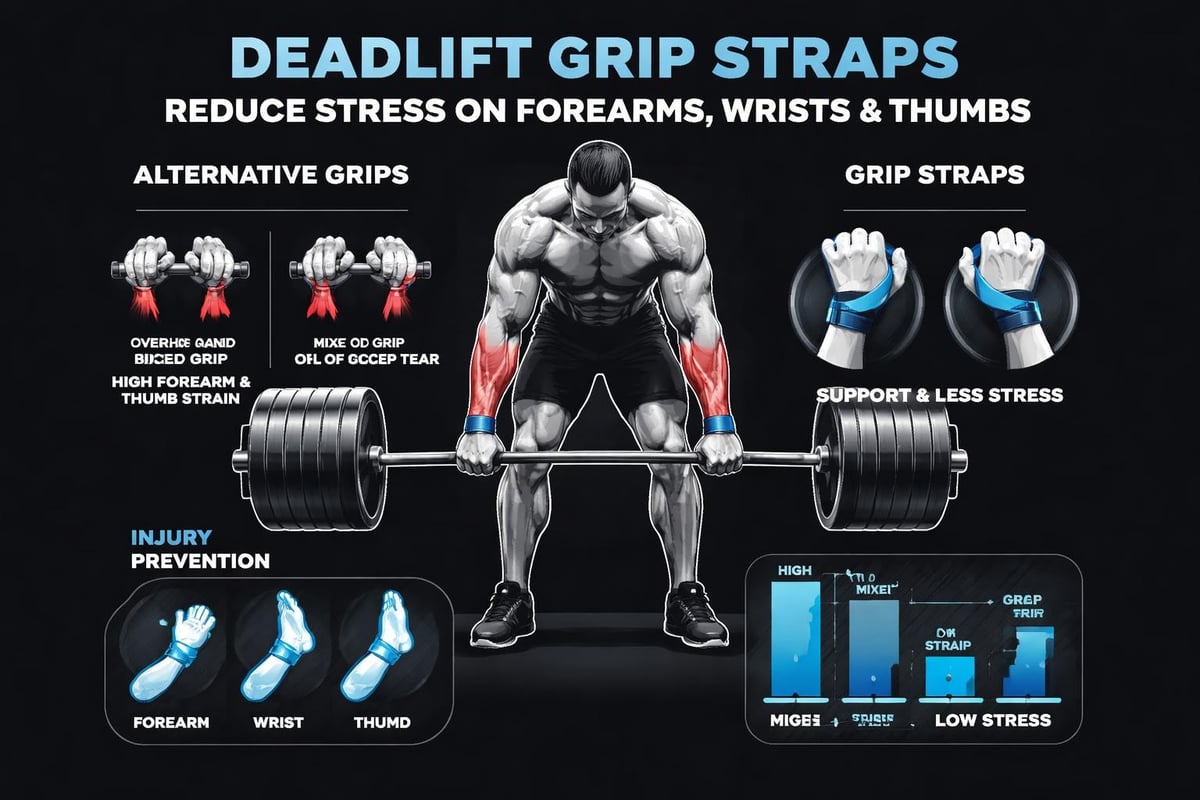
Paradoxically, using straps can prevent the very grip injuries that critics worry about. Excessive grip stress from forcing strapless training beyond natural capacity creates overuse problems:
- Forearm tendinitis from chronic overgripping
- Wrist strain from compensatory positioning
- Elbow pain from excessive flexor activation
- Thumb injuries from aggressive hook grip usage
The hook grip technique, while effective for heavy lifts, places tremendous stress on thumbs and can cause nerve compression issues. Straps provide similar security without thumb trauma.
Scientific Evidence Supporting Strap Usage
Research consistently demonstrates measurable benefits from lifting strap usage during deadlift training. Multiple studies have examined performance variables including velocity, repetitions completed, and perceived exertion.
Investigation into the ergogenic effects of lifting straps revealed significant improvements across multiple metrics. Lifters using straps maintained higher barbell velocity during fatiguing sets, completed more repetitions before failure, and reported lower perceived exertion despite moving equivalent loads.
These findings have practical implications. Higher velocity indicates better power output and muscle fiber recruitment. Additional repetitions mean greater training volume and hypertrophy stimulus. Lower perceived exertion suggests improved technique and reduced compensatory stress.
Load-Velocity Profiles and Power Development
Advanced research has explored how lifting straps alter the load-velocity profile during deadlifts, providing insight into power development implications. The load-velocity relationship determines explosive strength and athletic performance.
Results showed that straps allow maintenance of higher velocities at given percentages of one-rep max. This means a 405-pound deadlift might move at speeds normally associated with 385 pounds when performed without straps. The increased speed represents greater power output and improved training quality.
For athletes and lifters concerned with explosiveness, this velocity preservation proves crucial. Power development requires moving moderate loads at high speeds, something that grip fatigue undermines during extended training sessions.
Integration With Complete Lifting Programs
Deadlift grip straps function best as one component within comprehensive strength training systems. Rather than viewing them as isolated tools, consider how they complement other equipment and training elements.
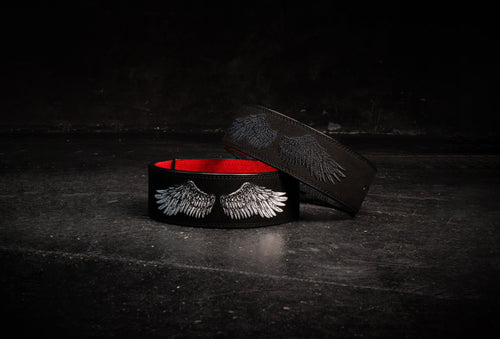
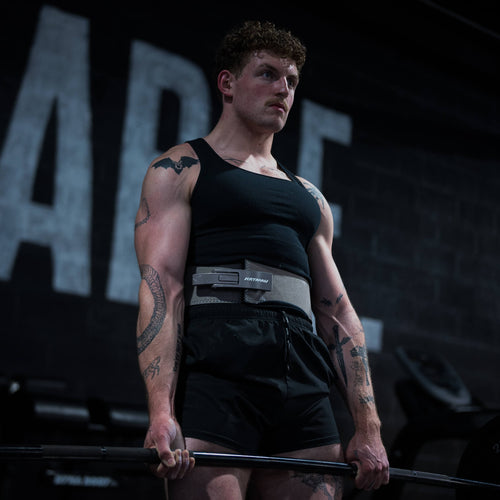
Synergy with lifting belts creates optimal conditions for maximum deadlift performance. While straps secure the bar to your hands, a quality lifting belt like those available at Katamu stabilizes your core and protects your spine. Together, these tools allow you to handle loads that develop serious strength.
The equipment combination follows logical progression:
- Master proper deadlift technique with light weights
- Add a lifting belt when working weights exceed 70% of your max
- Incorporate straps when grip becomes the limiting factor
- Continue building strength with both tools supporting heavy training
This staged approach ensures you develop fundamental movement patterns before relying on equipment support. However, once those patterns are established, there's no reason to handicap your progress by avoiding useful tools.
Pairing With Other Accessories
Complete lifting gear setups address multiple potential weak points. Beyond straps and belts, consider how additional accessories enhance your deadlift training:
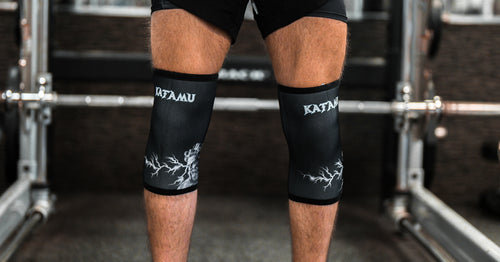
- Knee sleeves: Provide warmth and support during the initial drive phase
- Wrist wraps: Stabilize wrist position during heavy mixed-grip pulls
- Proper footwear: Flat, stable shoes optimize force transfer through the floor
- Chalk: Improves friction when using straps for maximum security
Each piece serves a specific purpose without creating dependency. Check Katamu's size guide to ensure proper fit across all your lifting gear for optimal performance and safety.
Advanced Techniques and Programming Strategies
Experienced lifters can leverage deadlift grip straps in sophisticated ways that accelerate progress beyond basic implementation. These advanced strategies require solid technical foundation and training experience.
Overload training represents one powerful application. By using straps to handle weights exceeding your current one-rep max, you can perform partial-range deadlifts and rack pulls that develop specific strength ranges. For example, pulling 495 pounds from knee height with straps when your conventional max is 455 pounds creates supramaximal stimulus.
Drop sets and extended sets become feasible with strap support. After reaching failure on a heavy set, immediately reduce the weight 20-30% and continue pulling without the interruption of re-establishing grip. This metabolic stress technique produces exceptional muscle growth stimulus.
Unilateral and Specialty Variations
Deadlift grip straps enable single-arm variations that would be impossible without grip support. One-arm deadlifts challenge core stability and create unique training adaptations, but require strap usage for appropriate loading.
Specialty bars benefit from strap usage as well:
- Trap bar deadlifts with maximum loads
- Deficit deadlifts requiring extended time under tension
- Romanian deadlifts emphasizing eccentric hamstring stress
- Snatch-grip deadlifts with extremely wide hand positions
Each variation creates specific adaptations that complement conventional deadlift training. Straps remove the grip limitation that would otherwise prevent adequate loading of these movement patterns.
Maintenance and Longevity of Your Straps
Quality deadlift grip straps should last for years with proper care and maintenance. These simple practices maximize your investment and ensure consistent performance.
Regular inspection catches problems before they become dangerous. Before each training session, check your straps for:
- Frayed edges or thinning material at stress points
- Loose or damaged stitching around loops
- Excessive stretching that reduces effectiveness
- Discoloration or material degradation from wear
Any signs of structural compromise warrant immediate replacement. Strap failure during a heavy pull creates serious injury risk, making prevention essential.
Cleaning and Storage Best Practices
Proper cleaning maintains material integrity and prevents bacterial buildup. Hand wash straps in cold water with mild soap after every 3-4 training sessions. Avoid harsh detergents or bleach that can weaken fibers.
Air dry completely before storage to prevent mold and material breakdown. Never store damp straps in your gym bag where they'll develop odors and deteriorate faster. Keep them in a cool, dry location away from direct sunlight.
Rotation strategies extend strap lifespan. If you train frequently, maintain two pairs and alternate usage. This allows each set to fully dry and recover between sessions, preventing the constant stress that accelerates wear.
Training Without Creating Dependency
The legitimate concern about strap dependency deserves thoughtful programming that maintains natural grip strength while leveraging strap benefits. Balance prevents weakness while maximizing performance.
Dedicated grip training ensures your hands stay strong even when using straps regularly for deadlifts. Incorporate these exercises into your routine:
- Farmer's carries with heavy dumbbells or specialized implements
- Dead hangs from a pull-up bar for maximum duration
- Plate pinches holding smooth plates for time
- Captains of Crush grippers for crushing strength development
- Thick bar training to challenge grip width capacity
These movements target grip specifically without compromising back and leg development from deadlifts. Ten minutes of focused grip work twice weekly maintains and builds hand strength while your deadlift volume proceeds with strap support.
Periodization Models That Balance Development
Structured training cycles prevent dependency while building maximum strength. Consider this annual framework:
| Training Phase | Duration | Strap Usage | Grip Focus |
|---|---|---|---|
| Hypertrophy Block | 8-12 weeks | 80% of sets | Maintenance work |
| Strength Building | 6-8 weeks | 60% of sets | Progressive challenges |
| Peak/Competition | 4-6 weeks | 20% of sets | Competition preparation |
| Deload/Recovery | 1-2 weeks | Minimal | Active recovery |
This model accumulates significant training volume during hypertrophy phases with maximum strap support, then gradually reduces reliance as you approach performance testing or competition. Your grip develops alongside your deadlift strength without limiting progress.
Comparing Straps to Alternative Grip Solutions
Deadlift grip straps exist within a broader category of grip assistance tools. Understanding alternatives helps you make informed equipment choices.
Lifting hooks attach to your wrists and cradle the bar with metal hooks rather than fabric wraps. Deadlift hooks offer quick attachment and removal compared to traditional straps, but provide less natural feel and can interfere with proper hand positioning.
Chalk remains the traditional grip aid, improving friction through moisture absorption. While chalk helps, it doesn't fundamentally change your grip capacity like straps do. Chalk plus straps creates the ultimate security for maximum lifts.
Grip Techniques Versus Equipment Solutions
Technical grip methods offer equipment-free alternatives, each with distinct characteristics:
- Double overhand: Most natural but weakest for maximum loads
- Mixed grip: Stronger than double overhand but creates asymmetry
- Hook grip: Very secure but painful and requires thumb conditioning
These techniques have their place, but none match the security and performance benefits that quality deadlift grip straps provide for heavy training. Equipment and technique work best in combination rather than as either-or choices.
Real-World Applications Across Training Goals
Different lifters with varying objectives find unique value in deadlift grip straps. Understanding these applications helps you optimize strap usage for your specific situation.
Bodybuilders prioritize muscle hypertrophy over absolute strength numbers. For physique development, straps are nearly essential. Back thickness requires high-volume deadlift variations, Romanian deadlifts, and rowing movements where grip fatigue would severely limit effective sets.
Powerlifters face different considerations since competition rules prohibit straps. Yet even competitive powerlifters benefit from strategic training use. Building a 600-pound deadlift requires thousands of pounds of accumulated volume. Straps allow that volume without destroying your hands.
CrossFit and Functional Fitness Contexts
CrossFit athletes encounter unique scenarios where deadlift grip straps prove valuable. High-repetition deadlift workouts in metcon (metabolic conditioning) formats create extreme grip fatigue that limits workout completion and technique maintenance.
Using straps during these conditioning pieces allows focus on power output, breathing rhythm, and movement efficiency rather than simply holding on. However, CrossFit competitions typically prohibit straps, requiring the same periodization approach that powerlifters use.
For general fitness enthusiasts training for health and aesthetics rather than competition, straps simply make sense. There's no reason to limit your back development because your forearms tire first when simple equipment solves the problem.
Deadlift grip straps transform your training by removing grip as a limiting factor, allowing your back, glutes, and hamstrings to receive the stimulus they need for maximum development. Whether you're chasing personal records, building muscle mass, or working around injuries, quality straps belong in every serious lifter's gym bag. At Katamu, we're committed to providing the premium lifting gear that helps you train harder, lift heavier, and achieve your strength goals with equipment built to last for years of intense training sessions.
