 30-Day Money Back Guarantee

Ready to take your squats to the next level? The right lever squat belt could be the game-changer your training needs in 2026.
This guide breaks down everything you need to know, offering expert advice and up-to-date insights. You will discover what a lever squat belt is, why it matters, how to choose the perfect one, and the latest trends shaping lifters’ choices this year.
Unlock safer, stronger lifts with clear steps, pro tips, and actionable strategies—let’s get started.
Understanding Lever Squat Belts: What They Are and Why They Matter
Lever squat belts are changing the way lifters approach heavy squats. If you have ever wondered what sets them apart or why they have surged in popularity, you are in the right place. Let us break down their unique design, performance benefits, who should use them, and clear up common myths so you can make informed training decisions.
Definition and Anatomy of a Lever Squat Belt
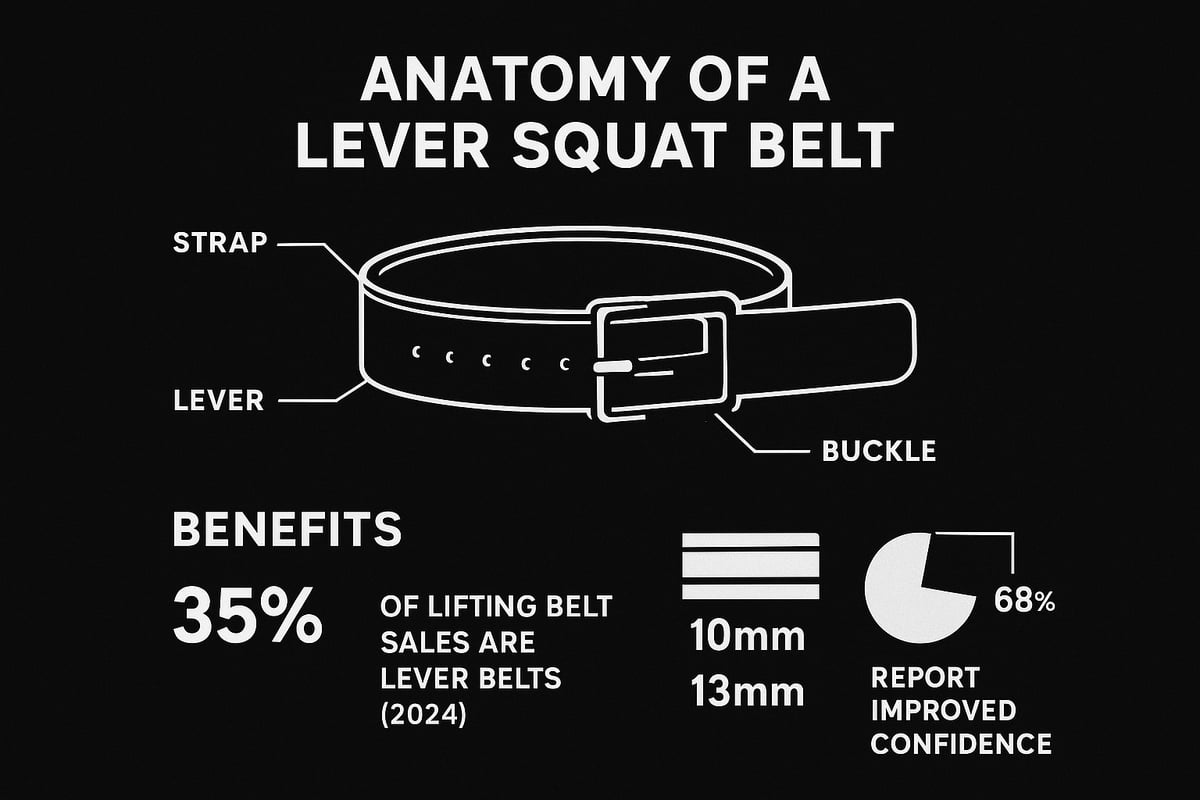
A lever squat belt is a specialized weightlifting belt featuring a sturdy strap (leather or nylon) and a metal lever mechanism instead of traditional prongs or Velcro. This lever allows for quick, consistent tightening and easy removal, making it a favorite among powerlifters and serious gym-goers.
| Feature | Lever Squat Belt | Prong Belt | Velcro Belt |
|---|---|---|---|
| Closure | Lever mechanism | Metal prong | Velcro strip |
| Materials | Leather, nylon | Leather, nylon | Nylon, synthetic |
| Thickness | 10mm, 13mm | 10mm, 13mm | 5-7mm |
| Adjustment | Fixed holes | Multiple holes | Variable |
Standard lever squat belt sizes range from 10mm (popular for general gym use) to 13mm (preferred in competitive powerlifting for maximum support). According to 2024 sales data, lever squat belts now make up 35% of all lifting belt purchases, reflecting their growing demand.
Key Benefits for Squat Performance and Safety
The main advantage of a lever squat belt is its ability to boost intra-abdominal pressure, giving your core a solid foundation during heavy lifts. This increased stability not only helps protect your lower back but also enables you to lift more weight with better form.
Studies have shown that using a lever squat belt can increase your squat max by 5 to 15% if you are a trained lifter. Many powerlifters credit their new personal records to switching from prong to lever belts, as the consistent tightness improves confidence and performance. For more on the science behind these benefits, check out this Effectiveness of Weight Belts in Squat Performance resource. Unlike prong belts, lever models ensure the same fit every time, reducing the risk of injury from inconsistent support.
Who Should Use a Lever Squat Belt?
A lever squat belt is ideal for powerlifters, bodybuilders, and dedicated gym enthusiasts who regularly train with heavy squats or compound lifts. If you are pushing serious weight and want reliable support, this belt is for you.
However, beginners or those in certain rehab scenarios may not need a lever squat belt right away. It is a myth that belts weaken your core—when used properly, they actually promote better bracing. A 2025 survey found that 68% of intermediate lifters felt more confident after adding a lever squat belt to their routine. Use it as a tool for progression, not a crutch.
Common Misconceptions and FAQs
Some believe a lever squat belt is bulky or hard to adjust. In reality, 2025 and newer models offer sleeker designs and improved adjustability, making them suitable for a range of body types.
Can you use a lever squat belt for deadlifts, or just squats? Absolutely, many athletes use the same belt for deadlifts, bench presses, and other compound movements. Modern lever mechanisms make it easy to switch between exercises without losing comfort or support. Do not let old myths hold you back from maximizing your lifts with a lever squat belt.
How to Choose the Right Lever Squat Belt in 2026
Selecting the best lever squat belt for your needs in 2026 is about more than just picking a popular brand. With evolving materials, smart innovations, and new customization options, choosing the right belt can feel overwhelming. Let’s break down each factor so you can buy with confidence and maximize your performance.
Material and Construction: Leather vs. Synthetic Options
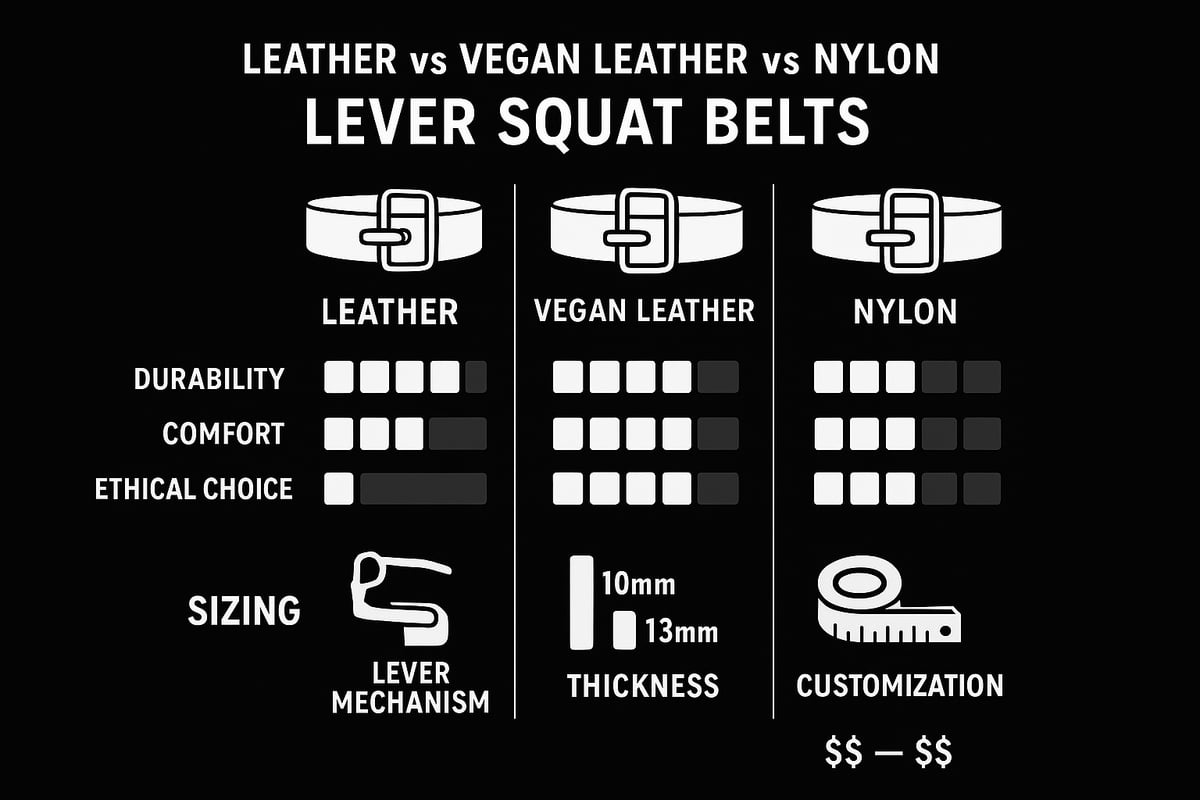
When choosing a lever squat belt, the material is your foundation. In 2026, you’ll find genuine leather, vegan leather, and nylon belts on the market. Leather belts are prized for their stiffness, durability, and classic feel. They require a break-in period but offer long-lasting support.
Vegan leather is gaining traction, delivering a cruelty-free alternative with a similar look and solid performance. Nylon belts are lighter and more flexible, perfect for those prioritizing comfort and mobility. However, they may not provide the same rigidity as leather.
Here’s a quick comparison:
| Material | Durability | Comfort | Break-in | Ethical |
|---|---|---|---|---|
| Leather | High | Medium | Yes | No |
| Vegan Leather | Medium | High | Minimal | Yes |
| Nylon | Medium | High | None | Yes |
With a 20 percent rise in demand for vegan lifting gear, your lever squat belt can now align with your values and performance needs.
Width and Thickness: 10mm vs. 13mm
The width and thickness of your lever squat belt directly affect your support and comfort. Most belts come in 4-inch width, but thickness varies: 10mm and 13mm are the standards.
A 10mm lever squat belt is ideal for general gym use, offering enough rigidity for stability while allowing some flexibility for different lifts. The 13mm option is thicker and stiffer, often preferred by competitive powerlifters for maximum support during heavy squats.
Here’s why it matters:
- 10mm: Versatile, faster break-in, comfortable for most lifters
- 13mm: Maximum support, longer break-in, best for high-level powerlifting
Choosing the right thickness ensures your lever squat belt matches your training style and goals.
Lever Mechanism Innovations in 2026
The lever mechanism sets a lever squat belt apart from traditional prong or Velcro belts. In 2026, manufacturers have introduced quick-release and tool-less adjustable levers, offering rapid fit changes between sets.
Durability has improved, with reinforced metals and user-replaceable parts. Feedback from lifters highlights how these innovations reduce setup time and ensure consistent tightness, a key advantage over older models.
If you want to dive deeper into the latest lever designs, check out Adjustable Lever Innovations for a detailed look at how these advancements work in practice.
Upgrading to a modern lever squat belt means you benefit from both security and convenience during every session.
Sizing and Fit: Getting It Right
Fit is the most important factor when selecting a lever squat belt. Start by measuring your waist at the point where you’ll wear the belt, not your jeans size. Use the sizing chart provided by your chosen brand to match your measurement.
Most belts offer an adjustment range, but it’s crucial to avoid belts that are too large or too small. Common mistakes include measuring too loosely or not considering fluctuations in bodyweight. To avoid issues, always test the fit before training.
For a step-by-step sizing walkthrough, refer to the Lever Belt Size & Fit Guide, which helps ensure your lever squat belt delivers both comfort and support.
Style, Design, and Customization
In 2026, the lever squat belt is as much about personal style as it is about function. Brands now offer a range of colors, unique embroidery, and even limited edition designs. Customization isn’t just for looks, either. Teams often order branded belts for competitions, and lifters enjoy expressing their personality through their gear.
Data shows that 30 percent of buyers now choose custom options. Whether you want your name stitched on or a belt that matches your gym’s branding, there’s a lever squat belt for you.
Price vs. Value: What to Expect
Lever squat belt prices in 2026 range from entry-level to premium. Basic models start around $60, while high-end, fully customized belts can exceed $200. Features that justify a higher price include thicker materials, reinforced levers, extended warranties, and after-sales support.
Premium belts often last longer, feel better, and come with guarantees that protect your investment. Always weigh the long-term value against upfront cost to find the lever squat belt that fits your budget and training needs.
Step-by-Step Guide: How to Use Your Lever Squat Belt for Maximum Results
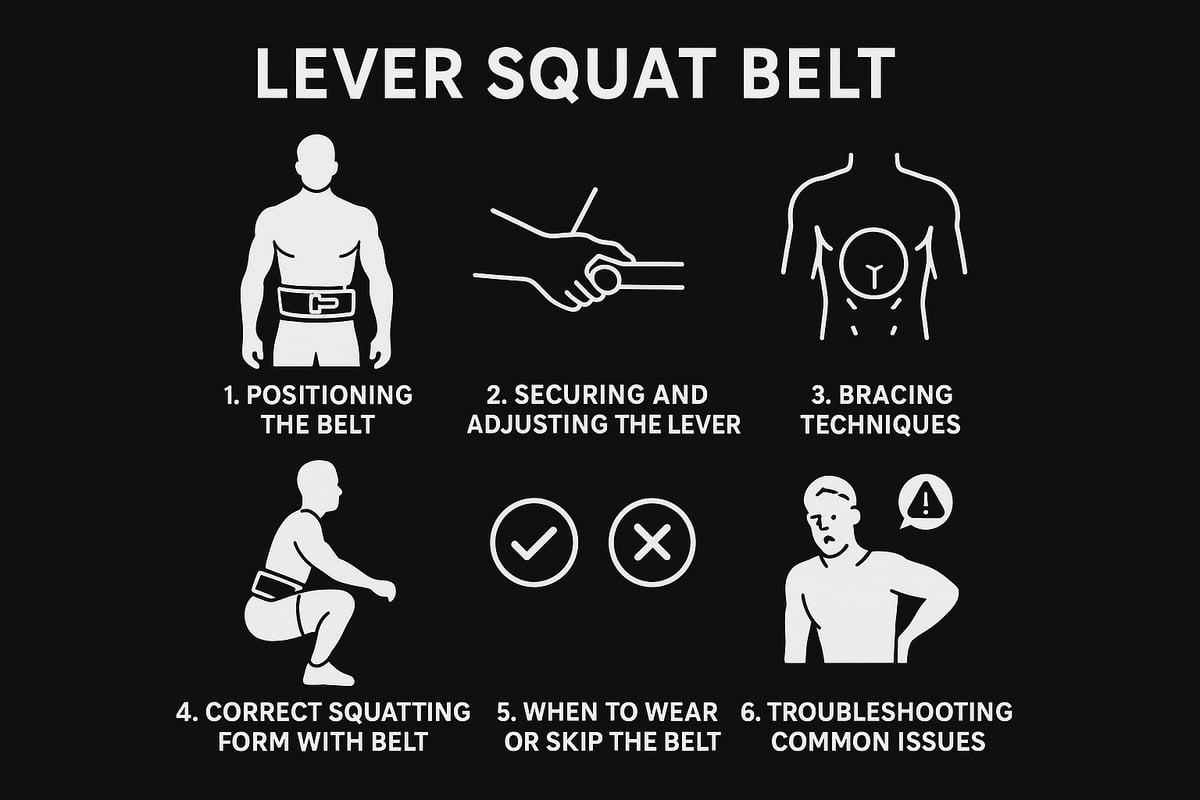
Mastering the lever squat belt is about more than just strapping it on. To get the best results, you need to understand each step, from positioning to troubleshooting. Here is a practical, detailed guide to help you maximize your performance and safety with your lever squat belt.
Step 1: Proper Positioning and Placement
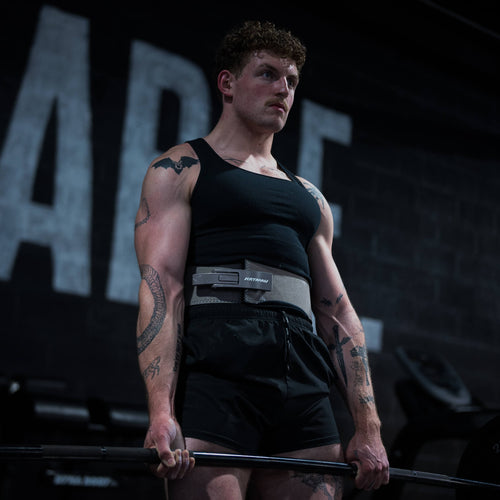
Correct placement of your lever squat belt is the foundation for effective support. Start by wrapping the belt around your midsection, just above your hip bones and below your ribcage.
For high-bar squats, position the lever squat belt slightly higher on your torso. For low-bar squats, a lower placement often feels more stable.
Test the placement with a few air squats. If the belt digs in or limits your movement, adjust upward or downward as needed. The goal is a snug fit that allows you to brace your core fully without restricting your range of motion.
Step 2: Securing and Adjusting the Lever
The lever mechanism is what makes the lever squat belt unique. Close the belt so it feels tight but not painful, then snap the lever shut. This creates even, repeatable pressure every session.
Adjust the lever to find the sweet spot between support and comfort. If you feel pinching or can't take a full breath, loosen the belt slightly.
Avoid over-tightening, which can cause dizziness or bruising. Check for consistent tightness before each set, since body size can fluctuate during training.
Step 3: Bracing Techniques for Effective Support
Once your lever squat belt is secure, focus on bracing. Take a deep breath into your belly, not your chest, pushing your core outward against the belt. This increases intra-abdominal pressure and stabilizes your spine.
Practice diaphragmatic breathing: inhale deeply, hold your breath, and brace your abs as if preparing for a punch. Studies show that lifters using a lever squat belt with proper bracing techniques can significantly boost core stability and squat performance.
Repeat this bracing drill during your warm-up to build muscle memory and maximize support from your lever squat belt.
Step 4: Squatting with the Belt—Form and Cues
With your lever squat belt in place and your core braced, set up for your squat. Keep your chest up and drive through your heels as you descend.
Maintain outward tension against the belt throughout the lift. This helps you stay upright and transfer force efficiently.
Avoid relying solely on the lever squat belt for stability. Focus on good form, controlled depth, and strong leg drive. Use the belt as a tool, not a crutch, to reinforce your technique.
Step 5: When (and When Not) to Wear the Belt
Knowing when to use your lever squat belt is key. Reserve it for heavy working sets, typically above 70% of your one-rep max. For warm-up sets and lighter accessory lifts, skip the belt to keep your core muscles engaged naturally.
Elite lifters often follow routines where they only belt up for their heaviest efforts. For more details on using belts in different squat variations, check out this Belt for Belt Squat Guide.
Listen to your body. If you are rehabbing or just starting out, focus on building core strength before relying on a lever squat belt.
Troubleshooting Common Belt Issues
Even the best lever squat belt can have hiccups. Common complaints include pinching, discomfort, or lever slippage.
If the belt pinches, try repositioning it or adjusting the tightness. For discomfort, make sure the belt is broken in properly and fits your waist size. Lever slippage may signal worn hardware—tighten screws or consider a replacement lever if needed.
2026 user data shows most issues are quickly fixed with minor adjustments. If problems persist, check manufacturer support or warranty options for your lever squat belt.
Lever Squat Belt Maintenance and Longevity
Keeping your lever squat belt in top shape ensures both performance and safety. Consistent care helps you get the most from your investment, whether you lift for competition or personal bests. Let’s break down the practical steps for cleaning, inspecting, maintaining, and storing your lever squat belt.
Cleaning and Odor Control
A clean lever squat belt not only looks better but lasts longer. After each session, wipe down your belt with a damp cloth to remove sweat and chalk. For deep cleaning, use a gentle leather or nylon-safe cleaner once a month. Avoid harsh chemicals, as these can damage the material and shorten the lifespan of your lever squat belt.
Let your belt air dry completely before storing it. Never leave it in a closed gym bag for extended periods, as trapped moisture can cause odors or mold. According to a 2025 survey, 65% of users clean their belts monthly, which helps prevent odor build-up and keeps the lever squat belt fresh for every workout.
Inspecting for Wear and Tear
Regular inspection is the key to a safe and reliable lever squat belt. Look for cracks in the leather, stretched holes, or any fraying in the stitching. Pay close attention to the lever mechanism—if it feels loose or shows signs of rust, it may need attention. Most quality belts last three to five years with proper care.
If you notice structural issues, decide whether a repair is possible or if replacement is safer. When in doubt, compare your belt to the latest reviews and standards. For more insights on what makes a durable belt and when to upgrade, check out these Weight Lifting Belt Reviews for detailed comparisons.
Lever Mechanism Care and Replacement
The lever mechanism is the heart of your lever squat belt. To keep it functioning smoothly, periodically lubricate the moving parts with a small amount of silicone or graphite lubricant. Tighten all screws every few months to prevent loosening during heavy lifts. If you notice the lever slipping or not locking securely, it may be time for a replacement.
Most lever failures occur after two or more years of frequent use, especially under heavy loads. Replacing the lever is usually straightforward—just unscrew the old one and attach a new buckle as per the manufacturer’s instructions. This small step can extend the life of your lever squat belt and maintain your safety in the gym.
Storage and Travel Tips
Proper storage protects your lever squat belt from warping and unnecessary wear. Always store your belt flat or rolled loosely in a cool, dry place—avoid leaving it in a hot car or cramped gym locker. For air travel or commuting, choose a gym bag with a dedicated compartment to prevent damage to the lever and strap.
If you travel frequently, consider compact lever squat belt designs that are easier to pack. Many brands now offer space-saving models, making it convenient to bring your lever squat belt wherever your training takes you. Smart storage habits ensure your belt stays in peak condition for years of lifting.
Latest Trends and Innovations in Lever Squat Belts for 2026
The world of the lever squat belt is evolving faster than ever in 2026. Lifters are seeing new features, eco-friendly options, and bold designs that make these belts more than just a piece of gym gear. Let’s explore the standout trends shaping the lever squat belt landscape this year.
Smart Features and Tech Integration
In 2026, the lever squat belt is getting a tech makeover. Brands are unveiling belts with built-in sensors that track intra-abdominal pressure, reps, and bracing technique. These smart belts sync directly to fitness apps, giving instant feedback and helping users optimize every session.
At the 2026 CES event, the first commercially available smart lever squat belt was launched, featuring Bluetooth connectivity and rechargeable batteries. This innovation helps lifters monitor their performance and spot weaknesses in real time. As tech advances, expect more brands to offer digital integration as a core feature of their lever squat belt lineup.
Sustainability and Eco-Friendly Materials
Sustainability is now a top priority for lever squat belt manufacturers. In 2026, more brands are using recycled plastics, plant-based leathers, and biodegradable packaging. Eco-certifications are becoming standard, with 15% of all lifting belts now meeting strict environmental guidelines.
Consumers are demanding that their lever squat belt choices reflect their values, pushing companies to innovate responsibly. Vegan materials and water-based dyes are now common. The push for greener options means lifters can support the planet while still getting the support they need from a high-quality lever squat belt.
Design and Fashion Trends
Style is taking center stage in the lever squat belt market. Limited edition collaborations with influencers and athletes are everywhere. Popular colors in 2026 include neon green, pastel blue, and metallic finishes, while anime-themed belts are flying off the shelves.
Brands are offering custom embroidery, unique patterns, and even glow-in-the-dark accents to help lifters stand out. For many, the lever squat belt is now both a performance tool and a fashion statement. Lifters love expressing their personality while chasing new PRs.
Competition-Ready and Customizable Features
Serious athletes expect more from their lever squat belt, and brands are delivering. New models meet IPF and USAPL standards for competition, while modular levers and interchangeable parts let lifters tweak their setup for each meet.
Customization goes beyond just looks. Teams are ordering branded belts, and athletes are selecting lever mechanisms that match their squat style. For those interested in expanding their equipment, detailed options like the Lever Belt Squat Attachment Overview provide insights into specialized add-ons that enhance the versatility of any lever squat belt collection.
Expert Tips for Lever Squat Belt Optimization
Unlocking the full potential of your lever squat belt requires more than just strapping it on. Explore these expert-backed tips to maximize your performance, improve safety, and get the most out of every session.
Advanced Bracing and Breathing Techniques
To truly harness your lever squat belt, focus on advanced bracing. Begin by mastering diaphragmatic breathing. Inhale deeply, expanding your belly against the belt, not just your chest. This boosts intra-abdominal pressure, stabilizing your spine.
Practice bracing drills without weight, then with light loads. Try the “360-degree expansion” method, pressing your core outward in all directions. This technique is supported by research comparing muscle activation in squats, such as the Activity of Trunk and Lower Extremity Musculature in Squats study, which highlights the importance of core stability.
Consistent practice helps integrate the lever squat belt naturally into your routine, building strength and control for advanced lifts.
Programming Belted Squats in Your Training
Integrating the lever squat belt into your training should be strategic. Start using the belt for heavy working sets, typically above 75% of your one-rep max. Avoid wearing it during warm-ups or technique work, so your core develops strength independently.
Use a periodization approach. For example, reserve the lever squat belt for peak strength phases or testing days. This keeps your training balanced and prevents overreliance.
Here’s a simple weekly template:
| Day | Belt Usage |
|---|---|
| Squat Day 1 | No belt (technique) |
| Squat Day 2 | Lever squat belt (heavy sets) |
| Squat Day 3 | Optional (accessory work) |
Following this plan ensures you maximize benefits while supporting long-term progress.
Combining with Other Lifting Gear
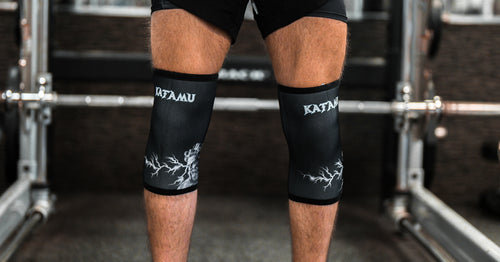
Pairing your lever squat belt with other gear can amplify results. Knee sleeves add joint support, wrist wraps stabilize grip, and quality lifting shoes improve posture. Using these together reduces injury risk and elevates performance.
A 2024 study showed that combining lifting gear, including a lever squat belt, cut injury rates by 18%. Coordinate your gear for comfort and function. For instance, adjust your belt placement to avoid overlap with knee sleeve bands.
Experiment with different combinations to find what feels best. Remember, gear should enhance—not replace—solid technique.
Why Choose Katamu for Premium Lever Squat Belts?
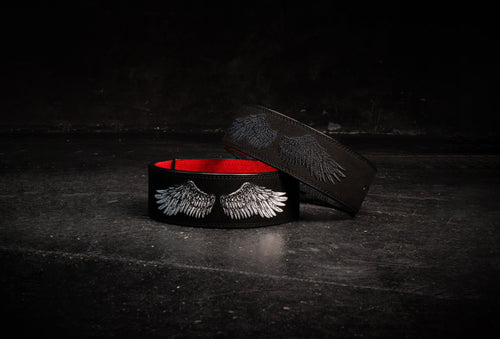
Katamu lever squat belts are engineered for both durability and style. Each belt is crafted from premium materials, offering long-term support and a secure fit for every lifter.
What sets Katamu apart? Their customer-centric policies, generous warranties, and commitment to quality. Katamu delivers global shipping and regularly releases exclusive limited editions, so you can personalize your lever squat belt to match your style.
Whether you are a dedicated gym-goer or a competitive lifter, Katamu has options that balance performance, comfort, and aesthetics. Trust in Katamu for a lever squat belt that grows with your strength journey.
Now that you know what makes a lever squat belt truly great and how it can take your lifts to the next level, why not put that knowledge into action? At Katamu, you get the best of both worlds—long lasting quality and standout designs, all made to support your goals for years to come. Whether you’re just starting out or looking to push your PRs even further, the right belt makes a real difference. Ready to build a setup that matches your dedication and style?
Build your setup
