
 30-Day Money Back Guarantee

Are you ready to unlock your true lifting potential in 2026? For many, the secret lies in mastering weight lifting straps, a simple tool that can transform your workouts.
This ultimate guide will show you how to select, use, and care for weight lifting straps, so you can lift heavier, train safer, and push past plateaus. Even experienced lifters can hit a wall without proper grip support, but with the right straps, new records are within reach.
Discover the latest innovations, expert tips, and proven strategies to maximize your gym performance. Follow this guide to take your strength training to the next level.
What Are Weight Lifting Straps and Why Use Them?
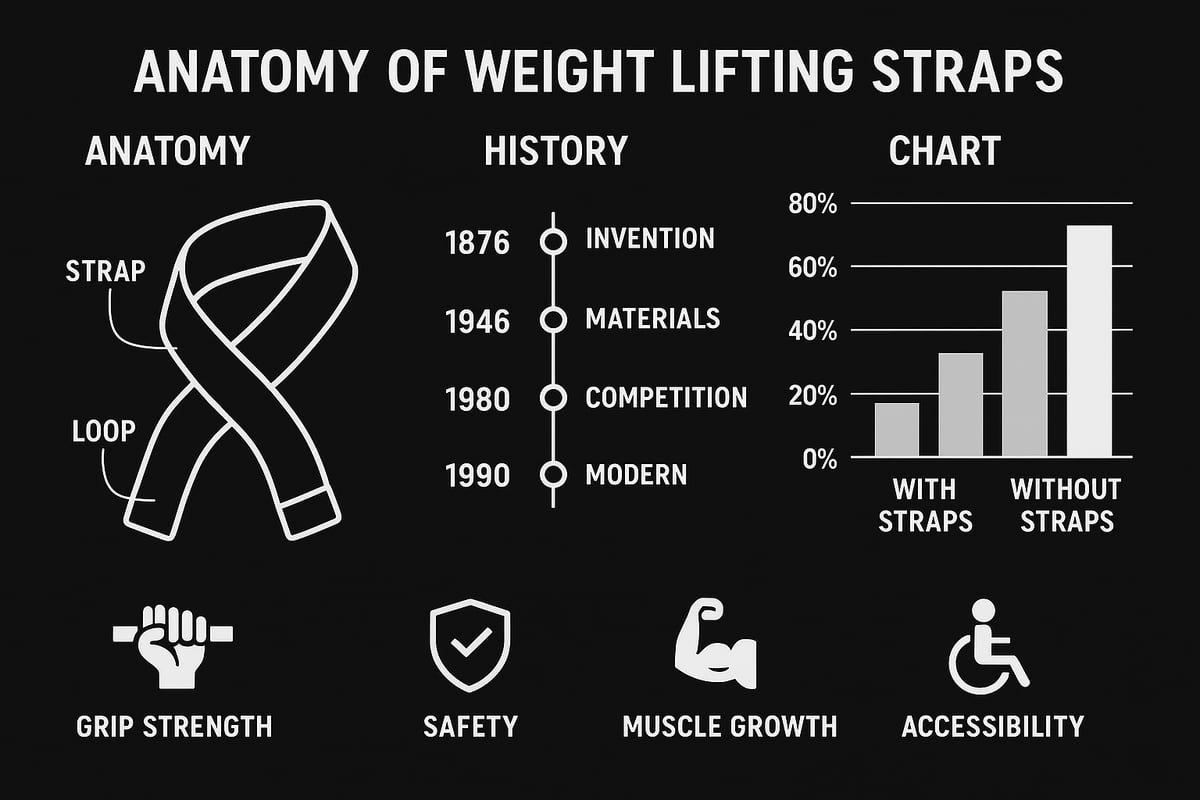
Weight lifting straps are essential tools for anyone looking to get the most out of their strength workouts. These straps are typically made from durable materials such as cotton, nylon, or leather and are designed to wrap around your wrists and the barbell. Their main role is to help secure your grip on heavy weights, especially during pulling movements.
You might wonder why so many lifters, from beginners to pros, swear by weight lifting straps. Over the years, their popularity has soared in gyms worldwide. Originally used by powerlifters and strongman athletes, these straps have become a staple for bodybuilders, fitness enthusiasts, and even those recovering from hand injuries. As training methods have evolved, so too has the technology and comfort of these accessories.
The science behind weight lifting straps is compelling. Grip fatigue often limits how much weight you can lift, not your actual muscle strength. Research supports this claim. For example, a recent study on the ergogenic effects of lifting straps on deadlift performance found that using straps significantly increased grip strength, movement velocity, and reduced perceived exertion during heavy lifts. This means you can focus on challenging your muscles instead of worrying about your hands slipping.
Let’s break down the main benefits of weight lifting straps:
- Improved grip strength: Secure your hold on the bar for heavier lifts.
- Reduced forearm fatigue: Focus on working larger muscle groups without grip giving out first.
- Enhanced safety: Lower risk of dropping weights or straining wrists.
- Train to failure: Push your muscles further for greater growth.
- Accessibility: Ideal for those with hand injuries, smaller grips, or limited hand strength.
Who stands to gain the most from using weight lifting straps? Powerlifters, bodybuilders, strongman competitors, and average gymgoers all benefit, especially during heavy pulling exercises. However, some myths persist, such as the idea that straps weaken your grip over time. In reality, when used wisely—primarily for your heaviest sets—straps support safe progression while allowing you to train grip strength separately.
Consider this: Many competitive lifters report up to 20 percent more reps when using weight lifting straps compared to bare hands. Imagine you’ve hit a plateau on your deadlift. By integrating straps, you might suddenly break through, adding more weight or reps than you thought possible.
Types of Weight Lifting Straps: Choosing the Right One for You
Choosing the perfect weight lifting straps can be game-changing for your training. With so many options out there, it’s important to understand the differences, materials, and fit that make for the best experience in the gym.
Basic Strap Designs Explained
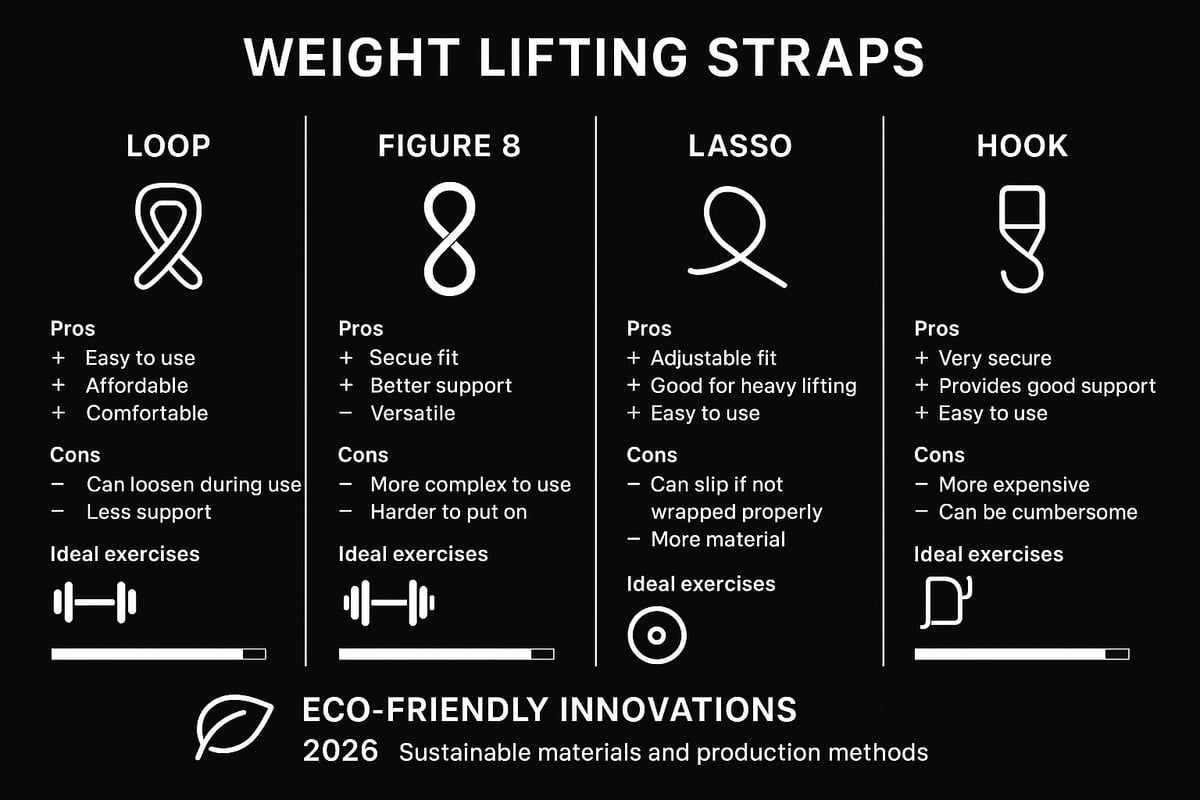
When it comes to weight lifting straps, there are four main types you’ll see in gyms everywhere. Each has its own design, feel, and best use cases, making it crucial to pick what suits your training style.
- Loop Straps: Simple one-piece design, ideal for beginners. Great for deadlifts, but can be less secure for very heavy pulls.
- Figure 8 Straps: Shaped like an eight, they wrap around both your wrist and bar for maximum security. Powerlifters love these for max deadlifts.
- Lasso Straps: Feature a loop at one end and a long tail to wrap around the bar. Offer adjustable tightness and versatility for various lifts, like rows or pull-ups.
- Hook Straps: Incorporate a metal or plastic hook. These are quick to attach and remove, perfect for those with grip issues or for high-rep sets.
Let’s break it down further:
| Strap Type | Security | Ease of Use | Best For | Downsides |
|---|---|---|---|---|
| Loop | Moderate | Easy | Beginners, pulls | Less stable on heavy lifts |
| Figure 8 | High | Medium | Max deadlifts | Not ideal for all lifts |
| Lasso | High | Moderate | Rows, deadlifts | Slight learning curve |
| Hook | Varies | Easiest | Grip-limited lifts | Less tactile feedback |
For example, a powerlifter aiming for a new deadlift PR might choose figure 8 straps for their security, while a CrossFitter could prefer lasso straps for versatility between movements.
Material Matters: Cotton, Nylon, Leather, and More
The material of your weight lifting straps directly impacts your comfort, grip, and durability. Common materials include cotton, nylon, and leather—each with unique pros and cons.
- Cotton: Soft, affordable, and ideal for high-rep work. However, it can wear out faster and absorb sweat.
- Nylon: Durable and resistant to stretching. Offers a firmer grip, making it popular for heavy lifts, but can feel less comfortable against the skin.
- Leather: Extremely strong and long-lasting. Preferred for max-effort deadlifts, though it can be stiffer and more expensive.
In 2026, look for eco-friendly innovations like recycled fibers, antimicrobial coatings, and reinforced stitching for longer lifespan. A recent athlete survey showed nylon is the top choice for durability, while cotton is favored for comfort in volume training.
Here’s a quick comparison:
| Material | Durability | Grip | Comfort | Price |
|---|---|---|---|---|
| Cotton | Medium | Good | High | Low |
| Nylon | High | Very Good | Medium | Medium |
| Leather | Very High | Excellent | Medium | High |
Choosing the right material matters if you want your weight lifting straps to last and perform. For a deep dive into how these materials and designs compare in real-world scenarios, check out this comparison of lifting strap materials and designs.
For instance, leather straps excel in heavy deadlifts, while cotton is often preferred for high-rep sets where comfort is key.
Sizing, Adjustability, and Comfort
Fit is just as important as type or material. The right weight lifting straps should match your hand size, the bar you’re using, and your comfort preferences.
Length and width matter—a longer strap offers more wraps around the bar, which can help those with larger hands or when lifting thicker bars. Width affects comfort and grip surface, with wider straps distributing pressure more evenly.
Adjustability features like wrist padding, Velcro closures, and custom fits can prevent chafing and keep your wrists protected. Many brands offer tailored options for women or those with smaller wrists, ensuring everyone finds their perfect fit.
If you sweat a lot during intense sessions, look for straps with moisture-wicking properties and antimicrobial treatments. This helps keep odors at bay and extends their lifespan.
Customizable straps are becoming more popular, especially among female lifters or anyone needing a more precise fit. Prioritizing comfort and adjustability will help you get the most from your weight lifting straps, no matter your training style.
How to Use Weight Lifting Straps Safely and Effectively
Unlocking the full potential of your weight lifting straps begins with proper technique and smart integration into your training. Mastering these methods ensures you get the most out of every session, while keeping your workouts safe and productive.
Step-by-Step Guide to Wrapping and Securing Straps
Using weight lifting straps correctly can make a world of difference in your training. Start with the basics and you’ll build a strong foundation for bigger lifts.
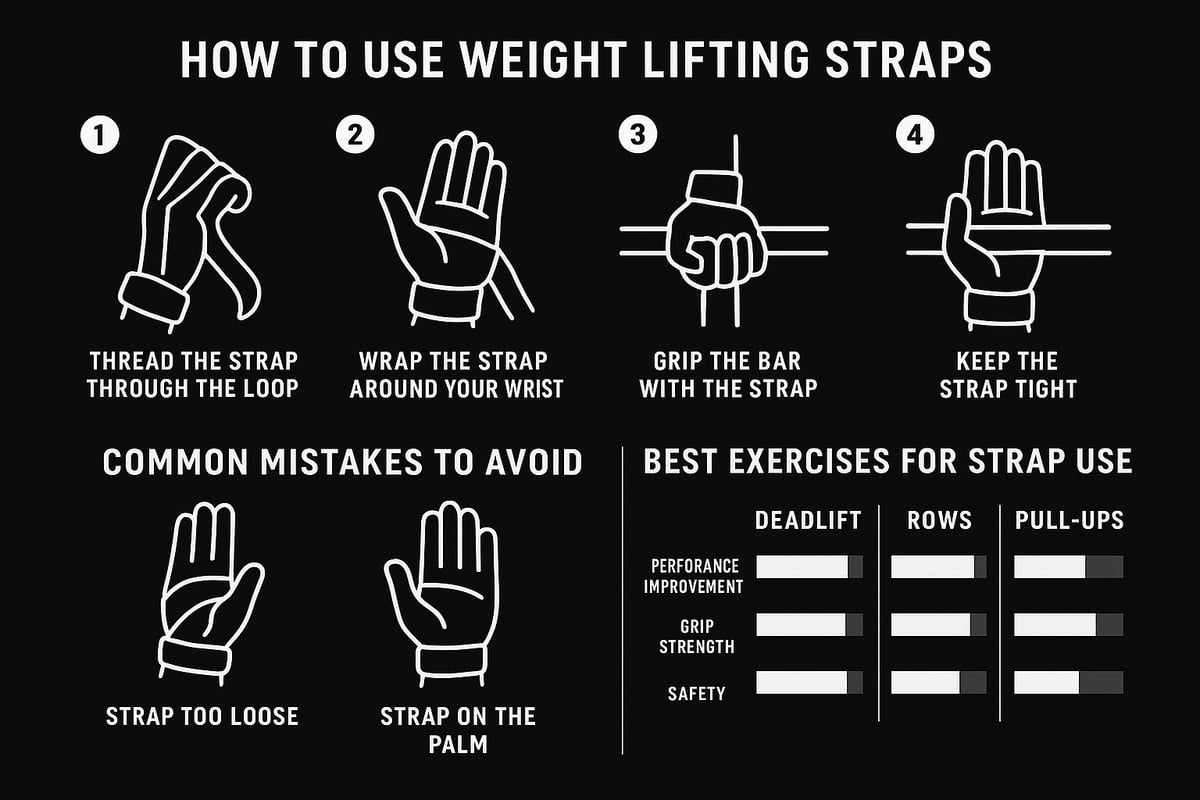
Step 1: Threading the Strap
For closed-loop and lasso styles, pass the loose end through the loop to create a circle. Slide your hand through with the strap lying flat against your wrist.
Step 2: Positioning on the Wrist
Center the strap just below the wrist crease. This maximizes support while allowing enough mobility to grip the bar.
Step 3: Wrapping Around the Barbell or Dumbbell
Lay the strap over the bar, then wrap it underneath and around the bar at least once or twice. Pull the end tight so the strap is snug, but not cutting off circulation.
Step 4: Tightening for a Secure Grip
Grip the bar and strap together, twisting your hand slightly to lock the strap in place. This ensures the weight lifting straps won’t slip during the lift.
Step 5: Testing the Grip
Before starting your set, gently pull on the bar to make sure the straps hold firm. Adjust as needed for comfort and security.
Common Mistakes to Avoid:
- Wrapping the straps too tightly, causing discomfort or numbness.
- Misaligning the strap so it digs into the skin.
- Failing to test the grip before lifting.
- Using straps on every set, which can limit grip development.
Pro Tip:
If you’re a visual learner, look for step-by-step photo guides or video walkthroughs online to perfect your technique.
When to Use Straps (and When Not To)
Knowing when to reach for your weight lifting straps is just as important as knowing how to use them. Straps are most beneficial for pulling movements where grip fatigue often limits performance.
Best Exercises for Straps:
- Deadlifts (conventional, Romanian, sumo)
- Rack pulls
- Barbell and dumbbell rows
- Shrugs
- Heavy pull-ups or lat pull-downs
When to Avoid Using Straps:
- Warm-up sets, so you can build natural grip strength.
- Dedicated grip or forearm training days.
- Olympic lifts, unless you are working with very heavy weights and safety is a concern.
Balancing Grip Development
Alternate using weight lifting straps with raw grip sets in your weekly program. This approach lets you train your back and posterior chain to failure without your grip giving out, while still developing forearm strength.
Sample Weekly Programming Table
| Day | Exercise | Use Straps? |
|---|---|---|
| Monday | Heavy Deadlifts | Yes |
| Wednesday | Pull-ups (bodyweight) | No |
| Friday | Barbell Rows (high rep) | Yes |
| Saturday | Farmer’s Walks | No |
By integrating straps only when necessary, you ensure balanced development and lasting progress.
Advanced Tips for Maximizing Performance
Once you’ve mastered the basics, advanced techniques can help you squeeze every last drop of benefit from your weight lifting straps.
Quick Release Technique:
Practice opening your hand quickly during failed lifts, so the straps unwind easily and you can drop the bar if needed. This is crucial for safety in heavy lifts.
Adapting to Different Bars:
Some bars, like thick-grip or specialty bars, can be tricky. Wrap the strap an extra time or use a figure-eight design for extra security.
Pairing with Chalk:
Combining chalk with weight lifting straps can give you the ultimate grip, especially on humid days or with slick bars.
Athlete Feedback and Research:
Many athletes report significant increases in reps and total load when using proper technique. Recent studies, such as the Influence of lifting straps on lat pull-down exercise, confirm that straps not only improve grip but also boost maximal strength and muscle activation.
Final Tips:
- Rotate between different strap types to find what works best for each lift.
- Always inspect your straps before heavy sets.
- Don’t rely on them exclusively—mix in raw grip work for best results.
With these advanced strategies, your weight lifting straps become a true extension of your strength, helping you push boundaries safely and effectively.
Premium Lifting Gear for Every Gymgoer: Katamu
Looking for gear that matches your dedication in the gym? Katamu delivers premium lifting equipment trusted by both new and experienced lifters around the globe. Their products are built for durability, style, and real performance.
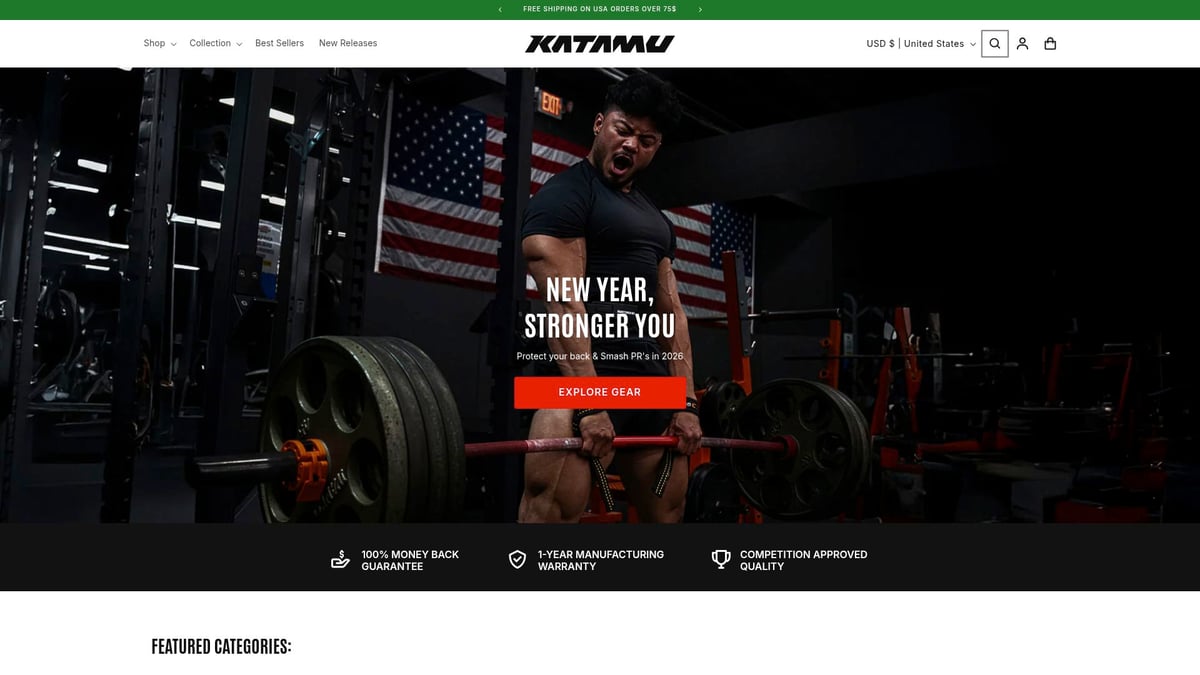
Katamu’s collection covers every essential, including lever belts, knee sleeves, wrist wraps, gym bags, shorts, and especially their standout weight lifting straps. These straps are engineered for a secure grip and comfort, making heavy lifts safer and more efficient.
What sets Katamu apart? Expect a 1-year warranty on all gear, exclusive limited edition drops, and worldwide shipping. Their customer-first approach includes a 30-day money-back guarantee, a rewarding loyalty program, and even free gifts on qualifying purchases.
Whether you are training for strength or just want reliable gear, Katamu’s accessories, like the Masked Katana wrist straps, are designed to support your goals. The weight lifting straps fit seamlessly into any workout routine and help lifters push past plateaus.
Lifters choose Katamu for quality, innovation, and peace of mind. Every session feels supported, comfortable, and a bit more stylish with Katamu’s premium lineup.
Maintenance, Care, and Longevity of Your Lifting Straps
Caring for your weight lifting straps is essential if you want consistent performance, safety, and value for your investment. Proper maintenance not only keeps your gear fresh but also ensures that every lift feels secure and comfortable.
Cleaning Best Practices
Regular cleaning is key to keeping weight lifting straps hygienic and functional. Sweat, chalk, and gym grime can build up quickly, so aim to wash your straps every two to four weeks, depending on usage.
Hand washing is usually best. Use mild soap and lukewarm water, gently scrubbing the straps to remove residue. Avoid harsh detergents, as they can break down the material. For cotton or nylon straps, machine washing on a gentle cycle inside a mesh bag is also an option.
After washing, always air dry your weight lifting straps. Hang them in a well-ventilated area and avoid direct sunlight, which can weaken fibers over time.
Storage and Odor Prevention
Proper storage extends the life of weight lifting straps and prevents unpleasant smells. Always let your straps dry completely before putting them away. Storing damp straps in a closed gym bag can lead to mildew and material breakdown.
Choose a cool, dry place for storage. Avoid sealed containers or plastic bags, which trap moisture and create the perfect environment for bacteria. If your gym bag is your only option, use a breathable pouch or mesh pocket to allow airflow.
A quick tip: sprinkle a bit of baking soda on your weight lifting straps between sessions to help absorb odors and moisture.
Inspecting and Replacing Straps
Routinely inspect your weight lifting straps for signs of wear and tear. Look for fraying, thinning, or broken stitching, especially near the loop and where the strap wraps around the bar.
If you notice any significant damage, it is time to replace your straps. Using worn-out gear increases the risk of slipping and injury. For more advice on when and how to upgrade, check out this deadlift straps buying guide for detailed tips.
Make inspections part of your regular gym routine so your weight lifting straps never fail you during a heavy set.
Extending Lifespan: Rotation, Material, and Usage
To make your weight lifting straps last, rotate between two pairs if you train often. This reduces constant stress on one set and allows each pair to dry fully between uses.
Try to minimize prolonged exposure to sweat and chalk, which can degrade materials like cotton faster than nylon or leather. Always clean off excess chalk after each session.
Here’s a quick comparison of lifespan by material and usage:
| Material | Light Use (1-2x/week) | Heavy Use (4-5x/week) |
|---|---|---|
| Cotton | 1-2 years | 6-12 months |
| Nylon | 2-3 years | 1-2 years |
| Leather | 3+ years | 2+ years |
With these habits, your weight lifting straps can deliver reliable support for years, keeping you focused on your goals, not your gear.
The Future of Weight Lifting Straps: Trends and Innovations for 2026
The world of weight lifting straps is evolving fast. In 2026, lifters are seeing a wave of innovation, making the humble strap more powerful and versatile than ever. Let’s explore the breakthroughs shaping your future workouts.
Smart Straps and Wearable Tech Integration
Technology is transforming weight lifting straps into smart training partners. In 2026, straps can feature built-in sensors that track grip force, repetitions, and even muscle fatigue. This data syncs with fitness apps, letting athletes analyze their grip strength trends and progress over time.
Lifters can set goals and receive feedback in real time. Imagine your weight lifting straps alerting you when your grip weakens or when your form slips. This makes workouts safer and more effective.
Some early adopters have reported noticeable improvements in their performance. A quick-release function for safety, customizable vibration alerts, and rep counters are now common features. The result? Smarter training sessions and a new level of personalization for every lift.
Sustainable and Eco-Friendly Materials
Sustainability is now a top priority in the fitness world. The newest weight lifting straps are made from recycled fibers, biodegradable blends, and plant-based leathers. These materials reduce environmental impact without sacrificing strength or durability.
Brands are also using antimicrobial coatings to keep straps fresh and hygienic. Reinforced stitching with eco-friendly threads adds to both longevity and green appeal. Here’s a quick comparison:
| Material Type | Eco Rating | Durability | Comfort |
|---|---|---|---|
| Recycled Polyester | High | High | Med |
| Plant-Based Leather | Med | High | High |
| Biodegradable Nylon | High | Med | Med |
Market data shows a steady rise in demand for sustainable weight lifting straps, as more lifters seek gear that matches their values. Eco-conscious design is no longer a bonus—it’s expected.
Customization and Style Trends
Weight lifting straps are now a way to show off your personality at the gym. In 2026, you’ll find straps in a rainbow of colors, patterns, and even limited edition prints. Personalization options like monogramming and custom graphics are more accessible than ever.
Collectors are chasing unique releases and special collaborations. Some brands drop exclusive runs, making certain straps true status symbols. This new wave of style lets lifters turn functional gear into a reflection of their identity.
Whether you prefer minimalist black or bold neon, there’s a pair of weight lifting straps for every vibe. Expressing yourself through your gear has never been easier or more fun.
Evolving Training Philosophies
The role of weight lifting straps is expanding as training styles diversify. Functional fitness, hybrid strength programs, and adaptive sports are all embracing straps for support and versatility.
Modern training philosophies encourage a balanced approach. Lifters use straps strategically to push past plateaus, protect their hands, and maximize muscle activation. At the same time, grip training without straps remains a key part of well-rounded routines.
For a deeper look at how straps enhance safe lifting and boost progress, check out this Benefits of wrist straps resource. Experts predict further integration with other accessories, creating a holistic system for performance and protection.
As training evolves, so will the technology and design of weight lifting straps, making them a staple for both beginners and elite athletes.
Now that you know exactly how the right lifting straps can boost your performance and keep your workouts safe in 2026, why not take the next step? Whether you’re training for strength, pushing past plateaus, or just want gear that stands up to years of hard work, you deserve equipment that actually delivers. At Katamu, you’ll find premium lifting straps and accessories designed for comfort, durability, and a bit of personal flair—so your setup matches your style and ambition. Ready to upgrade your gym game and feel the difference every session?
Level up your lifts
