 30-Day Money Back Guarantee

Are you sure your leather gym belt is helping you lift more, or could it be holding you back from real progress?
This expert-backed 2026 guide is your complete resource for mastering the leather gym belt. You will learn how to pick, use, and care for the perfect belt that matches your training needs.
Inside, you will discover the latest advice on materials, sizing, safety, and trends. Get ready for step-by-step tips that boost your performance and help you train smarter and safer.
Why Choose a Leather Gym Belt?
If you want to maximize your training results and protect your body, choosing the right gear is crucial. The leather gym belt stands out as a top pick for lifters who demand long-term performance and reliability.
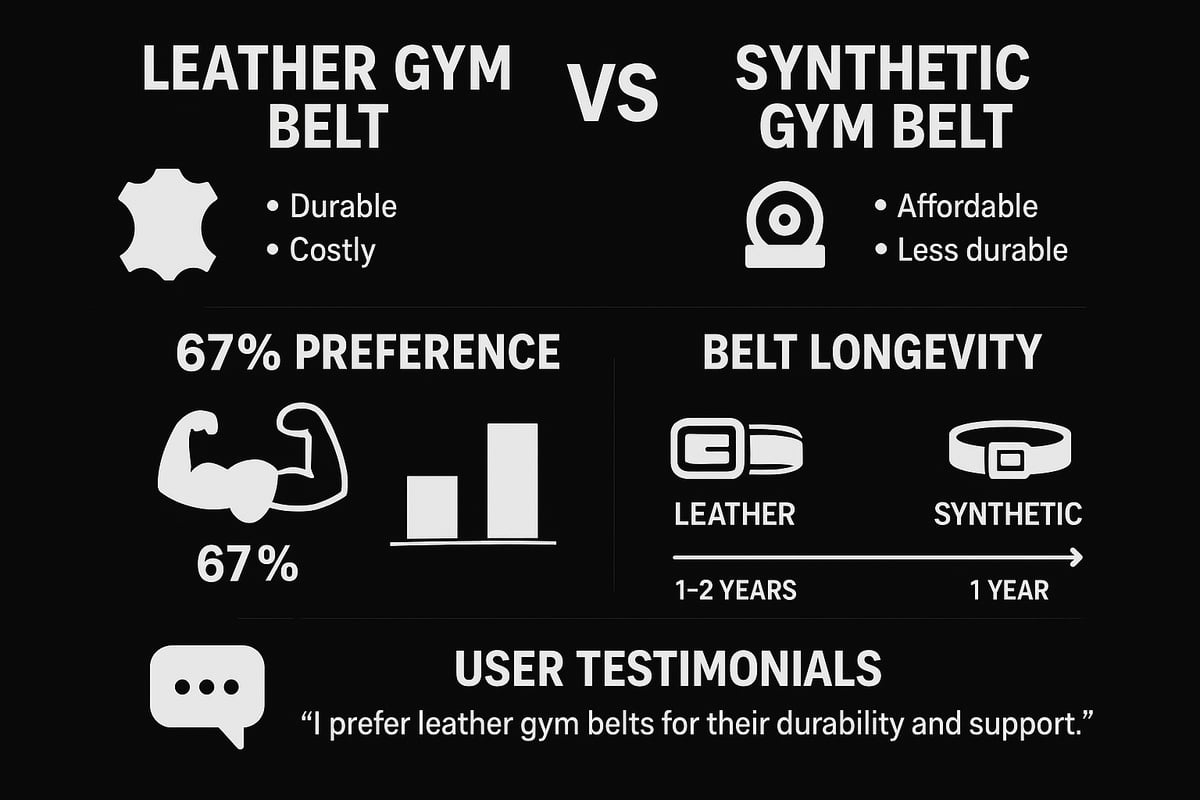
Exceptional Durability and Longevity
A leather gym belt is built to last. Unlike many synthetic options that may crack or stretch over time, real leather belts are known for their resilience. With proper care, a quality leather gym belt can serve you for years, making it a smart investment for anyone serious about lifting.
Unmatched Support for Heavy Lifts
The rigidity of a leather gym belt provides superior core and back stabilization. When you tackle heavy compound lifts, this support helps maintain proper form and can make a noticeable difference in your strength output. Many advanced lifters trust a leather gym belt to give them the confidence to push their limits safely.
Personalized Comfort with Break-In
Although a new leather gym belt can feel stiff at first, it gradually molds to your body. This break-in process creates a custom fit that maximizes both comfort and support. Over time, the belt becomes an extension of your lifting routine, offering security without sacrificing mobility.
Enhanced Safety and Injury Prevention
Using a leather gym belt can significantly reduce your risk of injury. It helps maintain posture and increases intra-abdominal pressure, which protects your spine during high-intensity lifts. For those lifting near their max, this extra layer of safety is invaluable.
Cost-Effective Long-Term Investment
While a leather gym belt may have a higher upfront cost, its durability means you will not need frequent replacements. This makes it more cost-effective over time compared to belts made from cheaper materials. Think of it as buying peace of mind for your training.
Leather vs. Nylon and Synthetic Belts
| Feature | Leather Gym Belt | Synthetic Belt |
|---|---|---|
| Durability | 5+ years | 1-3 years |
| Support | Rigid, stable | Flexible |
| Comfort | Molds over time | Soft, less support |
| Cost | Higher upfront | Lower initial |
| Best For | Heavy lifting | Functional fitness |
A leather gym belt excels in powerlifting and Olympic lifting, while synthetic belts may suit lighter, high-mobility workouts.
Preferred Choice Among Serious Lifters
It is no surprise that powerlifters and Olympic lifters overwhelmingly choose a leather gym belt. According to 2025 market research, 67% of competitive lifters prefer leather for their heaviest lifts. This preference highlights the trust athletes place in the material’s reliability and performance.
For more insights on durability, care, and choosing the best leather gym belt for your needs, check out this Leather Weight Training Belt Guide.
A leather gym belt is more than just an accessory, it is a proven tool for boosting strength, protecting your body, and supporting your training journey for years to come.
Types of Leather Gym Belts and Key Features
Choosing the right leather gym belt can transform your lifting experience, but the options might seem overwhelming. Let's break down the main types, essential features, and trends so you can pick the perfect belt for your training in 2026.
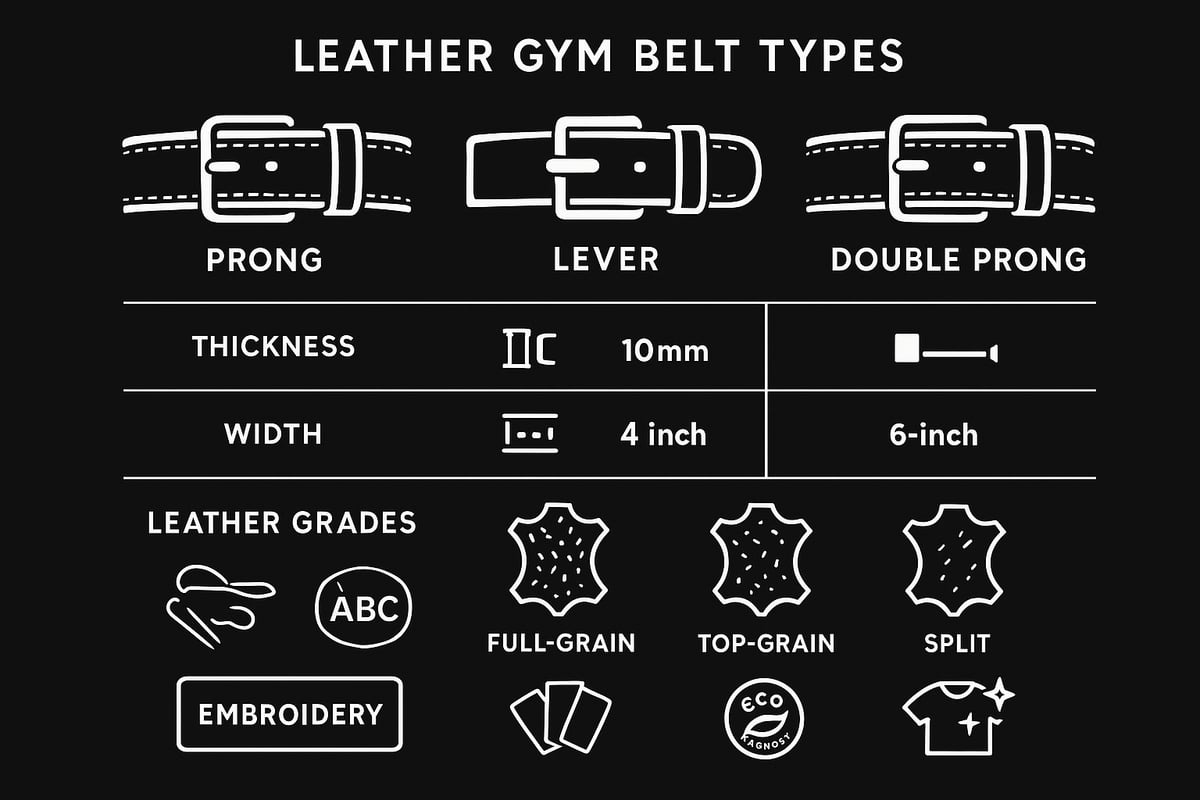
Prong vs. Lever vs. Single/Double Prong
When choosing a leather gym belt, the fastening mechanism is a key decision. Prong belts are the classic choice, featuring one or two prongs for adjustment. They offer reliable support and are easy to adjust, making them a favorite for most gymgoers.
Lever belts, on the other hand, use a lever mechanism that allows for quick fastening and consistent tightness. This design is especially popular with powerlifters who need to get in and out of their belt quickly between sets. The lever system also reduces wear on the belt holes, increasing longevity. If you want a deep dive into how lever mechanisms work, check out the Belt with Lever Mechanism Explained guide.
Single prong belts are easier to fasten and unfasten, while double prong designs provide a bit more security but can be tougher to adjust. In 2026, lever belts are gaining more traction due to improved hardware and user-friendly designs, making them a top pick for serious lifters.
| Type | Adjustment | Security | Ease of Use | Best For |
|---|---|---|---|---|
| Single Prong | High | Good | Easy | All gymgoers |
| Double Prong | High | Very Good | Moderate | Heavy lifters |
| Lever | Fixed | Excellent | Easiest | Powerlifters |
Each leather gym belt style suits different lifters, so consider your needs and preferences before making a choice.
Thickness, Width, and Tapered Designs
The thickness of your leather gym belt directly influences its support. Standard options are 10mm and 13mm. The 10mm belt is flexible, making it suitable for most athletes, while the 13mm variant offers maximum rigidity for heavy lifting. If you're aiming for personal records in squats or deadlifts, a thicker belt may give you the edge.
Width matters too. Most belts are 4 inches wide, providing balanced support for a variety of lifts. Some specialty belts offer 6-inch widths, which can be beneficial for taller or larger athletes. However, a wider belt may feel restrictive for those with shorter torsos.
Tapered belts are narrower at the front and wider at the back, enhancing mobility and comfort during Olympic lifts or CrossFit workouts. Straight belts provide uniform support, preferred by powerlifters. Choosing the right combination ensures your leather gym belt supports your training style and body shape.
- 10mm: Versatile, faster break-in, great for most.
- 13mm: Maximal support, longer break-in, ideal for heavy lifters.
- 4-inch width: Standard for most lifts and athletes.
- 6-inch width: Extra support, best for larger builds.
- Tapered: Mobility for dynamic lifts.
- Straight: Consistent support for static lifts.
Selecting the right leather gym belt thickness and width can make a noticeable difference in comfort and performance.
Leather Quality and Construction
Not all leather gym belts are created equal. The quality of leather and craftsmanship impacts durability, feel, and value. Full-grain leather is the top tier, retaining the hide’s natural strength and lasting the longest. Top-grain leather is slightly thinner but still robust and more affordable. Split leather is budget-friendly but less durable, often used in entry-level belts.
Pay attention to stitching, rivets, and buckle quality. Double stitching and sturdy hardware are must-haves for 2026 models. Some premium brands now use vegetable-tanned leather for an eco-friendly touch, appealing to environmentally conscious athletes.
A recent review found that full-grain leather gym belts last up to 40% longer than split leather options. Here’s a quick comparison:
| Leather Type | Durability | Feel | Price | Eco-Friendly |
|---|---|---|---|---|
| Full-Grain | Excellent | Firm, molds | High | Yes |
| Top-Grain | Good | Smooth | Medium | Sometimes |
| Split Leather | Fair | Softer | Low | Rarely |
Inspect your leather gym belt for quality construction—look for neat edges, secure stitching, and reliable buckles to ensure long-term performance.
Color, Design, and Customization Trends
The look of your leather gym belt is more personalized than ever in 2026. Popular colors range from classic browns and blacks to bold reds, blues, and even metallic finishes. Many brands now offer custom embroidery, letting athletes add names, motivational quotes, or logos.
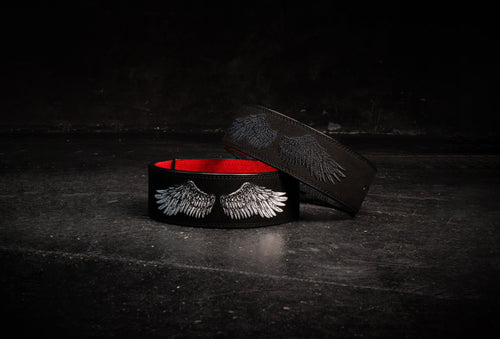
Limited-edition releases, inspired by athlete collaborations and influencer branding, are on the rise. Custom sizing and laser-engraved designs allow lifters to match their belt to their unique gym style.
- Custom embroidery for personal flair
- Limited-edition colors and finishes
- Laser-engraved logos and graphics
- Influencer and athlete collaborations
A surge in custom leather gym belt orders shows lifters want gear that’s as unique as their training journey. Whether you prefer subtle or standout, there’s a design trend to match your personality.
How to Choose the Right Leather Gym Belt: Step-by-Step Guide
Choosing the best leather gym belt can feel overwhelming, but breaking the process into clear steps makes it much easier. Here’s how to find the perfect fit for your training goals, body type, and budget.
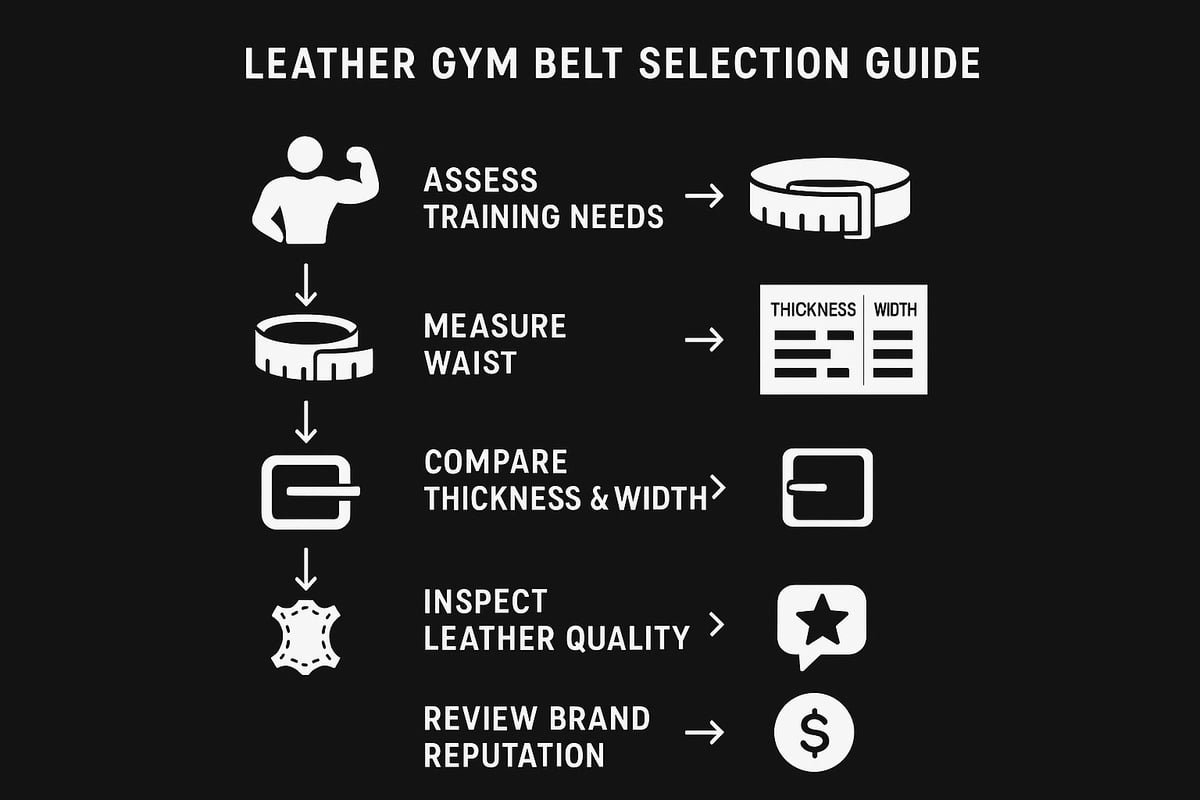
Step 1: Assess Your Training Needs and Lifting Style
Before you purchase a leather gym belt, consider your primary lifting focus. Are you powerlifting, bodybuilding, or training for CrossFit? Each discipline puts different demands on your body.
Powerlifters often choose a thick, rigid leather gym belt for maximum support during heavy squats and deadlifts. Bodybuilders may prefer a slightly softer belt for comfort during higher-rep sets. CrossFit athletes need flexibility for dynamic movements and quick transitions.
Think about how often you’ll use your leather gym belt and how intense your sessions are. If you lift heavy frequently, prioritize durability and support. For occasional or lighter use, comfort and adjustability might matter more.
Step 2: Measure Properly for Fit and Sizing
Getting the right size is critical for both comfort and safety. Always measure your waist where the leather gym belt will sit, which is typically around your navel or slightly above your hips.
Use a flexible tape measure and avoid measuring over clothing to ensure accuracy. Most brands offer sizing charts, but double-check the range to find a snug yet comfortable fit. If in doubt, consult expert guides like the Weightlifting Belt Sizing Tips for more detailed instructions.
Common mistakes include guessing your size or using your pants waist measurement. A properly sized leather gym belt should allow you to tighten it securely without pinching or restricting your breathing.
Step 3: Select the Right Thickness and Width
Thickness and width impact how your leather gym belt performs. The standard thicknesses are 10mm and 13mm. Ten millimeter belts are versatile and suitable for most lifters, while 13mm belts offer extra stiffness for maximum stability during heavy lifts.
Width also matters. Most lifters choose a 4-inch wide leather gym belt, which provides ample support without limiting movement. Some specialty belts are narrower or wider, catering to individual preferences or smaller athletes.
Women and those with shorter torsos might prefer a slightly narrower belt for better comfort. Always match the thickness and width to your primary lifts and body shape.
Step 4: Choose Buckle Type and Fastening Mechanism
The fastening mechanism affects how quickly and securely you can put on your leather gym belt. Prong belts are traditional and allow for fine-tuned adjustments, making them suitable for beginners and experienced lifters alike.
Lever belts offer consistent tightness and quick release, which is ideal for powerlifters who value speed between sets. Quick-release designs are gaining popularity for their convenience, especially in fast-paced training environments.
Consider the pros and cons of each type. Prong belts are reliable but can take more time to fasten. Lever belts are user-friendly but may require occasional hardware maintenance or replacement.
Step 5: Evaluate Leather Quality and Craftsmanship
Not all leather gym belts are created equal. Look for full-grain or top-grain leather, which ensures durability and long-term performance. Inspect the stitching and hardware closely. Double stitching, solid rivets, and a sturdy buckle are must-haves for high-quality belts.
Genuine leather should feel supple yet firm, with cleanly finished edges. Avoid belts that look overly shiny or have rough, uneven surfaces, as these are signs of lower-quality materials.
A premium leather gym belt will withstand years of use and develop a comfortable, custom fit as it breaks in. Prioritize craftsmanship for the best return on your investment.
Step 6: Consider Brand Reputation and Warranty
Brand reputation can tell you a lot about the reliability of a leather gym belt. Established brands often back their products with solid warranties and responsive customer service.
Check for clear return policies and warranty coverage, especially in 2026 when consumer expectations for support are higher than ever. A reputable brand will stand behind its craftsmanship and offer hassle-free exchanges if your belt does not fit perfectly.
Statistics show that brands offering warranties experience fewer returns, indicating higher customer satisfaction. Always read reviews and ask around before making your final decision.
Step 7: Budget and Value for Money
A quality leather gym belt is an investment, but there is a wide price range to consider. In 2026, expect to pay anywhere from $80 to $200 for a well-constructed belt, depending on features and materials.
Balance your budget with the features you need most. While it may be tempting to opt for a cheaper belt, investing in a durable, well-made leather gym belt saves money in the long run by reducing the need for replacements.
Consider the long-term value and protection you get from a top-tier belt, especially if you train regularly or compete.
Proper Usage: How to Wear and Break In a Leather Gym Belt
Using a leather gym belt the right way is essential for maximizing both safety and performance. Here’s how to ensure you get the most out of your belt from day one.
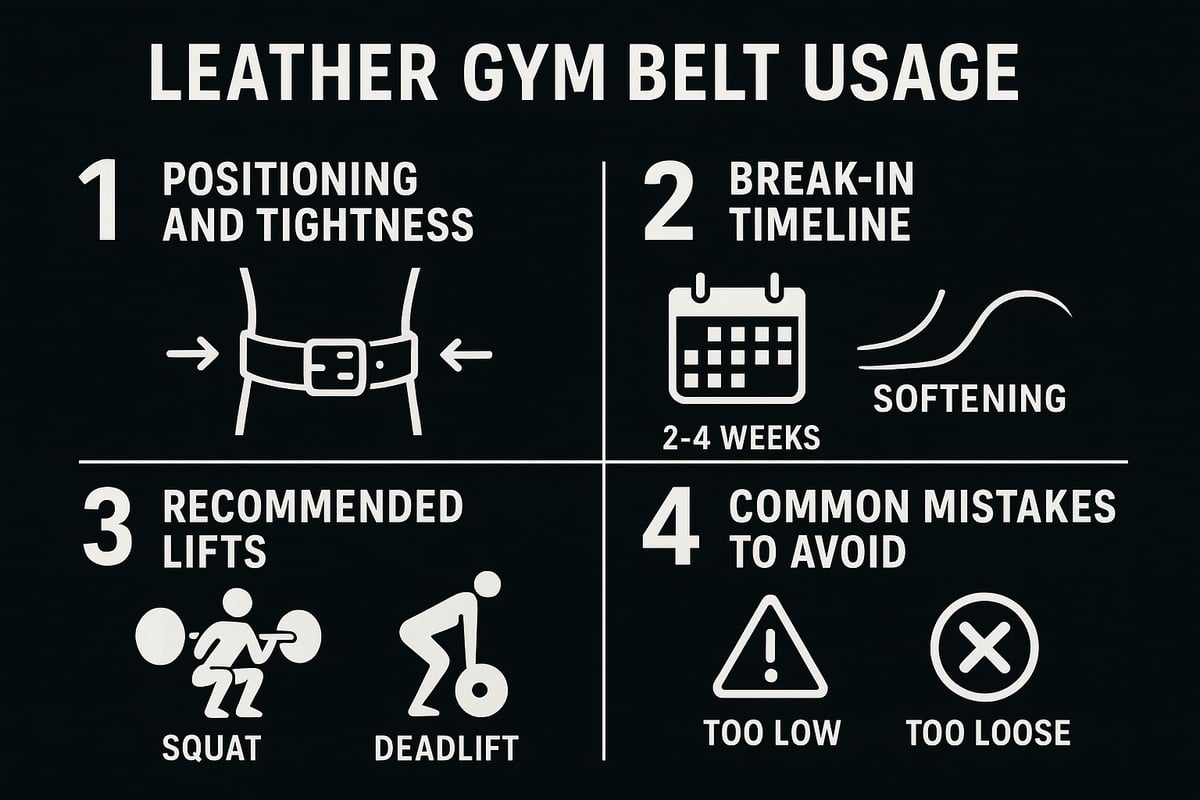
Correct Belt Positioning and Tightness
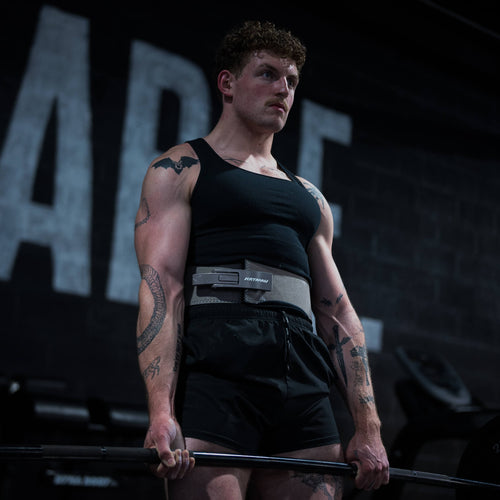
To get the best support from your leather gym belt, position it around your midsection, just above your hip bones. The belt should cover your abdominal wall, not your ribcage or hips.
Pull the leather gym belt snug, but not so tight that it restricts breathing or movement. You should be able to brace your core and take a deep breath against the belt. Many coaches advise tightening the belt enough for support, but not to the point of discomfort.
- Place belt at midsection, just above hip bones.
- Tighten for support, not extreme compression.
- Practice breathing and bracing techniques.
Wearing your leather gym belt properly helps maintain posture and gives your core something to push against during heavy lifts.
Breaking In Your Leather Belt
A brand-new leather gym belt can feel stiff at first, but regular use will help it mold to your body. Most lifters find the break-in period lasts 2 to 4 weeks with consistent training.
Avoid shortcuts like soaking or oiling the leather gym belt, as these can damage the material. Instead, wear your belt during warmups and main lifts to gradually soften it. Bend and twist the belt gently by hand between sessions.
- Expect stiffness in the first weeks.
- Use during every workout for faster break-in.
- Avoid oils or heat treatments.
Once broken in, your leather gym belt will offer a custom fit that is both supportive and comfortable.
When to Use Your Belt in Training
Use your leather gym belt for compound lifts like squats, deadlifts, and overhead presses, especially when lifting near your max. These exercises put the most strain on your core and lower back.
Avoid wearing the leather gym belt for every set or exercise, as overuse can reduce core muscle engagement. For warmups or lighter lifts, go belt-free to build natural stability.
- Use for heavy compound movements.
- Skip the belt for core or isolation work.
- Studies show belts can boost max lifts by up to 15 percent in trained athletes.
Knowing when to use your leather gym belt ensures you benefit from its support without sacrificing long-term core strength.
Common Mistakes and How to Avoid Them
Many lifters rely too heavily on their leather gym belt or wear it incorrectly. Common mistakes include using the wrong size, placing it too high or low, or ignoring signs of wear.
Check your belt regularly for cracks, loose stitching, or hardware issues. Measure your waist on bare skin for the right fit. For more beginner-friendly advice on avoiding these pitfalls, check out the Weightlifting Belt for Beginners guide.
- Do not use the belt for every movement.
- Adjust placement and tightness as needed.
- Replace the leather gym belt if you notice significant wear.
Avoiding these mistakes will help you get the most life and benefit from your leather gym belt.
Maintenance, Care, and Longevity Tips for Leather Belts
Keeping your leather gym belt in top shape is essential if you want it to deliver reliable support for years. With the right care routine, your investment will pay off every time you step under the bar.
Cleaning Your Belt
Sweat and chalk can build up fast on a leather gym belt, causing odor and damaging the material if not addressed. After each workout, wipe down the belt with a soft, damp cloth. For deeper cleaning, use a mild soap solution sparingly, avoiding soaking the leather. Never use harsh chemicals or submerge the belt.
For a more detailed step-by-step process, check out this Leather Weight Training Belt Guide to keep your leather gym belt fresh and functional.
Conditioning for Longevity
Conditioning helps prevent the leather from drying out and cracking. Use a leather conditioner once every few months, applying a thin layer and allowing it to soak in before wiping off any excess. Avoid over-conditioning, as this can lead to a slippery surface and attract dirt. Well-conditioned leather stays flexible and strong, prolonging your leather gym belt’s life.
Smart Storage and Regular Inspection
Store your leather gym belt flat or hang it in a cool, dry place, away from direct sunlight or heaters. Rolling the belt tightly or leaving it in a gym bag for long periods can cause unwanted creases or warping. Inspect your belt every few weeks for signs of wear, such as loose stitching, cracks, or rusted hardware. Address small issues early to avoid bigger problems later.
Repair, Replacement, and Maximizing Longevity
If you notice minor issues like loose threads or small cracks, get them repaired promptly by a professional. However, if the belt has deep cracks, severe warping, or broken hardware, it’s safer to replace it. With regular care, a leather gym belt can last over five years. In fact, studies show that 80% of premature belt failures result from poor maintenance, so consistent attention really pays off.
Eco-Friendly Disposal and Recycling
When it’s time to retire your belt, look for eco-friendly disposal or recycling options. Some brands offer recycling programs or accept used belts for repurposing. Donating to local gyms or upcycling into smaller leather goods are also great ways to reduce waste and give your old leather gym belt a second life.
Leather Gym Belt Trends and Innovations for 2026
The world of leather gym belt design is rapidly evolving in 2026. Innovations are reshaping what lifters expect from their belts, blending tradition with technology, sustainability, and style. Let’s explore the key trends that are setting the pace for this year.
Sustainable and Ethical Leather Sourcing
Sustainability has become a top priority for leather gym belt manufacturers in 2026. More brands are using vegetable-tanned leather, which is less harmful to the environment compared to traditional chrome tanning. You’ll also find belts made from recycled leather, appealing to eco-conscious athletes.
Certifications like the Leather Working Group’s environmental standards are now common. Transparent supply chains let customers know exactly where their belt materials come from. Companies adopting zero-waste manufacturing processes are winning loyalty from lifters who care about the planet.
For anyone seeking a leather gym belt that aligns with ethical values, these developments make it easier than ever to lift with a clear conscience.
Smart Belts and Technology Integration
Technology is making its way into the leather gym belt market in a big way this year. The latest belts feature built-in sensors that monitor posture, track intra-abdominal pressure, and provide instant feedback via connected apps.
Imagine a leather gym belt that alerts you if your bracing technique slips during a heavy squat. Some models even sync with fitness trackers, logging your performance and helping you refine your lifting form.
A recent market forecast predicts that by the end of 2026, one in five new belts will offer some form of smart technology. This wave of innovation is changing how athletes train, blending classic support with modern data-driven insights.
Customization and Personalization
Personalization is another major trend for the leather gym belt in 2026. Lifters are no longer limited to standard sizes or plain designs. Brands now offer on-demand custom sizing, ensuring a perfect fit for every athlete.
Laser-engraved logos, names, and even motivational quotes are increasingly popular. Limited-edition colorways and collaborations with fitness influencers let lifters express their unique style in the gym.
Social media has fueled this demand, with athletes showcasing custom belts as part of their personal brand. Whether you want a subtle monogram or a bold statement, the leather gym belt has become a canvas for self-expression as much as a tool for strength.
Market and Pricing Trends
The leather gym belt market is also seeing notable shifts in pricing and business models. Direct-to-consumer brands are on the rise, offering premium belts at competitive prices by cutting out middlemen. As a result, the average price for a high-quality belt in 2026 ranges from $120 to $200.
Material costs and consumer demand are driving these changes, with more athletes willing to invest in a belt that lasts years. For a deeper dive into the numbers and what’s fueling this growth, check out the Leather Belt Market Size and Growth report.
With these trends, the leather gym belt continues to evolve—delivering more value, performance, and individuality to every lifter.
Now that you know what makes a great leather gym belt and how to pick the perfect one for your goals, it’s time to put that knowledge into action. Imagine how much more confident you’ll feel tackling heavy lifts with gear designed for both comfort and durability—plus, you’ll stand out with a belt that’s got some serious style. Ready to build a setup that truly supports your progress for years to come Check out our premium lever belts and take the next step in your fitness journey by Build your setup.
