 30-Day Money Back Guarantee

Are you frustrated by wrist pain or instability that limits your progress in the gym? You are not alone. Many lifters struggle to push past plateaus because their wrists cannot keep up with their goals.
Imagine if you could train with more confidence and less discomfort. The right weightlifting wrist wraps can be a game-changer for your strength and safety.
In this complete 2026 guide, you will discover the science behind weightlifting wrist wraps, how they work, who should use them, and the latest innovations. Get ready to unlock new levels of performance and protect your wrists for years to come.
What Are Weightlifting Wrist Wraps?
Weightlifting wrist wraps have become a staple in strength training, offering vital support for athletes aiming to push their limits safely. Whether you’re a powerlifter, bodybuilder, or CrossFit enthusiast, understanding how these accessories work can unlock new levels of performance and protection.
The Basics of Wrist Wraps
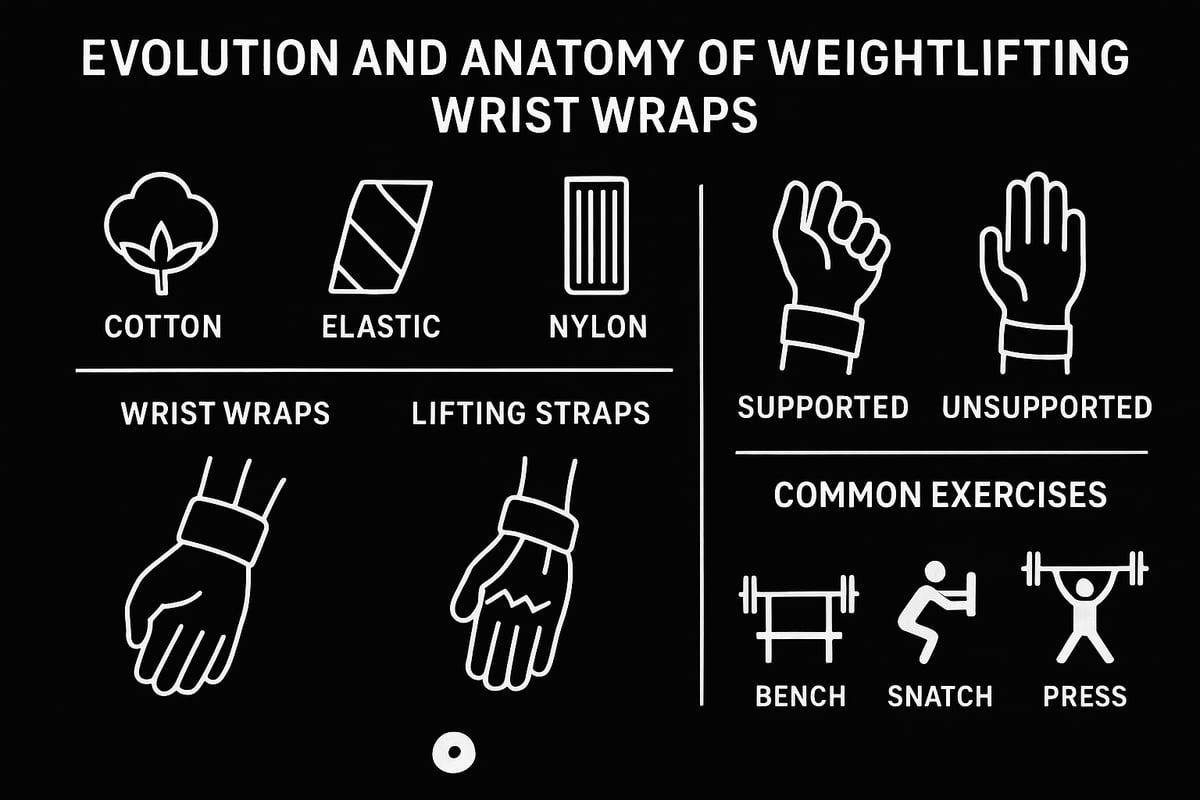
Weightlifting wrist wraps are supportive bands designed to stabilize the wrist joint during heavy lifts. Their core function is to limit excessive movement, especially when lifting weights overhead or pressing. The use of wrist wraps dates back decades in strength sports, with early versions made from simple cotton fabric. Over time, they evolved to include elastic and reinforced materials for extra support.
Unlike lifting straps, which assist your grip on the bar, weightlifting wrist wraps focus on preventing your wrist from bending backward or sideways. This distinction is crucial for athletes who want joint protection without compromising grip strength. For a detailed look at the differences, see the Difference Between Lifting Straps and Wraps.
The wrist joint is complex, with small bones, ligaments, and tendons working together. During exercises like the bench press, overhead press, snatch, and clean & jerk, the wrist is under immense strain. Wrist wraps help distribute this load, reducing stress on vulnerable tissues.
In competitive settings, organizations like the International Weightlifting Federation (IWF) and International Powerlifting Federation (IPF) set rules on wrist wrap length and materials. Following these standards ensures fairness and safety in sanctioned events.
Types of Wrist Wraps
There are several types of weightlifting wrist wraps to fit different needs and preferences:
- Classic cotton wraps: Soft and breathable, ideal for beginners or lighter training. However, they may stretch out with heavy use.
- Elastic/nylon blends: Offer greater flexibility, strong support, and durability. These are popular in both powerlifting and Olympic lifting.
- Velcro closures: Quick and secure, making adjustments easy between sets.
- Tie-style closures: Traditional and reliable for those who prefer a custom fit.
- Length variations: Wraps come in 12, 18, and 24 inches or longer. Shorter wraps are suited for fast-paced training, while longer ones provide extra stability for maximal lifts.
- Stiff vs. flexible wraps: Stiff wraps are favored in powerlifting for maximum support, while flexible options allow more movement, ideal for Olympic lifts.
Table: Types of Weightlifting Wrist Wraps
| Type | Pros | Cons | Best For |
|---|---|---|---|
| Cotton | Breathable, soft | Less durable | Beginners, light lifts |
| Elastic/Nylon Blend | Supportive, durable | Can be stiff | Heavy lifting, advanced |
| Velcro Closure | Easy to use | Velcro may wear | All athletes |
| Tie-Style | Custom fit | Slower to adjust | Traditionalists |
Top brands like Weightlifting House and Gymreapers offer wraps in various lengths and stiffness levels, catering to every athlete’s needs.
How Wrist Wraps Work Biomechanically
Weightlifting wrist wraps work by aligning and stabilizing the wrist joint, allowing for optimal force transfer during lifts. When you press or hold a loaded barbell, the wraps compress the wrist, reducing lateral movement and preventing hyperextension.
This added stability not only protects the small structures in the wrist but also enhances proprioception, or body awareness. The gentle compression from weightlifting wrist wraps signals your brain to maintain a strong, safe position under heavy load.
Research shows that using wrist wraps can decrease injury rates and allow for heavier lifts without pain. For example, some athletes report setting new personal records (PRs) soon after adopting wraps, citing reduced discomfort and increased confidence. Testimonials from seasoned lifters frequently highlight how weightlifting wrist wraps enabled them to train harder and longer, especially after recovering from wrist injuries.
When to Use Wrist Wraps (and When Not To)
Wondering if weightlifting wrist wraps are right for you? Here are some telltale signs:
- Persistent wrist pain or instability during pressing or overhead movements
- Training with heavy loads in exercises like the bench press, overhead press, snatch, or clean & jerk
- Needing extra support during max-effort attempts
However, it’s important not to over-rely on weightlifting wrist wraps. Avoid using them during warm-ups, light sets, or when working to build natural wrist strength. Maintaining a balance between support and mobility is crucial for long-term joint health.
Coaches and physical therapists recommend using wraps only when necessary, ensuring your wrists stay strong and resilient. Listen to your body and reserve wraps for the sessions that truly demand extra support.
Benefits of Using Weightlifting Wrist Wraps
If you have ever struggled to push past a plateau or felt your wrists give out before your muscles, you are not alone. The right weightlifting wrist wraps can be a game-changer for lifters of all levels. Let us break down the key benefits and see how these simple accessories can elevate your training experience.
Enhanced Performance and Strength
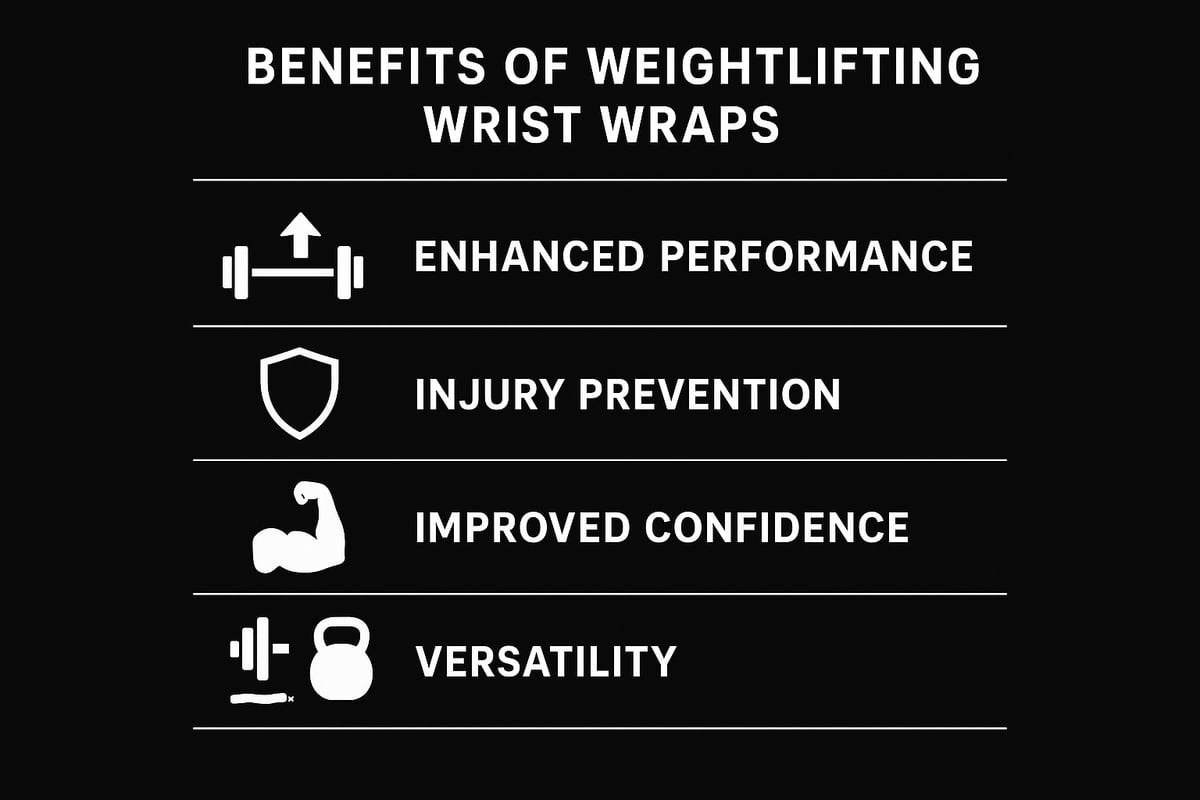
Weightlifting wrist wraps provide crucial joint stability, letting you focus on pressing heavier weights without worrying about wrist fatigue. By supporting the wrist and reducing unwanted movement, wraps allow you to maintain proper form, especially during max effort lifts.
Many athletes notice immediate improvements in their personal records after introducing weightlifting wrist wraps into their routine. In fact, a recent study on handgrip strength found that wraps can help maintain force output during high-rep sets in functional training.
Whether you are bench pressing or overhead pressing, the extra support from weightlifting wrist wraps can boost your confidence to lift heavier and push further.
Injury Prevention and Recovery
One of the greatest benefits of weightlifting wrist wraps is their role in reducing the risk of strain and overuse injuries. By limiting excess motion and providing gentle compression, wraps protect the small ligaments and tendons that stabilize your wrist during heavy lifts.
Lifters with a history of wrist pain often report training pain-free and with renewed consistency after making wraps part of their toolkit. Many user reviews highlight how weightlifting wrist wraps have helped them bounce back from minor injuries and avoid setbacks.
Compared to lifting raw, wraps can lower the likelihood of sprains, especially in exercises like the bench press or clean and jerk, where the wrist is under high load.
Improved Confidence and Technique
Confidence under the bar is key to making progress. With weightlifting wrist wraps, you get the peace of mind that your wrists are supported, allowing you to focus on your technique and movement patterns.
Wraps help keep your wrist in a neutral, stacked position, reducing the urge to compensate with poor form. This leads to more consistent reps and better muscle engagement.
Athletes often find that using weightlifting wrist wraps helps them nail complex lifts with proper mechanics. Over time, this improved technique can translate to bigger lifts and fewer injuries.
Versatility Across Training Styles
Weightlifting wrist wraps are not just for powerlifters. They are used by athletes in Olympic lifting, bodybuilding, CrossFit, and functional fitness. The adaptable design means they fit a variety of wrist sizes and shapes, making them a universal accessory in the gym.
You will see wraps in action during heavy bench presses, dynamic snatches, or even high-rep WODs. This versatility means you can rely on weightlifting wrist wraps no matter your sport or training style.
From beginners to advanced athletes, wraps offer just the right level of support for every phase of your lifting journey.
Comfort and Customization
Modern weightlifting wrist wraps are engineered for both comfort and performance. Advances in materials, such as premium cotton and elastic blends, make them soft on the skin yet durable enough for daily use.
Most wraps feature adjustable tightness so you can dial in the level of support to match your needs. User feedback consistently highlights the comfort and secure fit, with many wraps earning top ratings for ease of use and long sessions.
Whether you prefer a snug fit for max lifts or a looser wrap for higher volume, weightlifting wrist wraps deliver a personalized experience every time.
How to Choose the Best Wrist Wraps in 2026
Choosing the right weightlifting wrist wraps in 2026 can make a real difference in your training. With so many options available, it pays to know what to look for, how to find your perfect fit, and which brands deliver lasting value. Let’s break down the essentials so you can lift with confidence.
Key Features and Materials to Consider
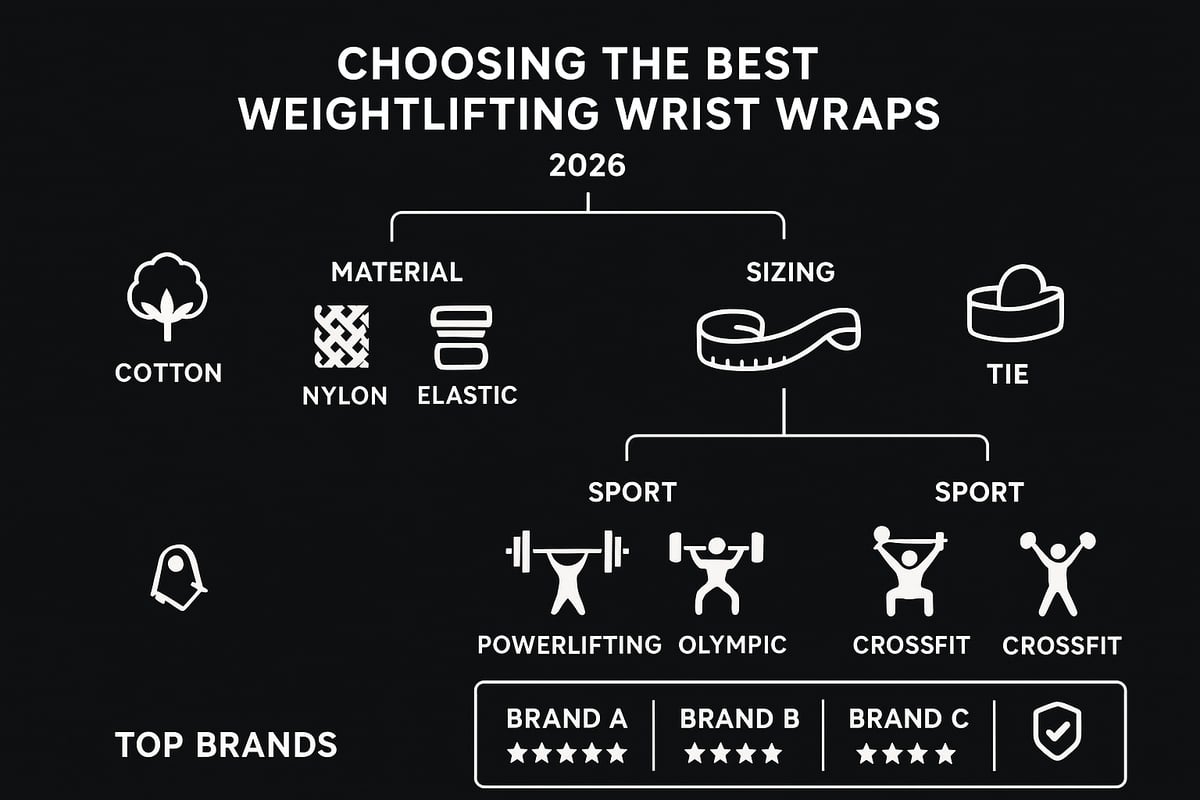
When selecting weightlifting wrist wraps, start by examining the material. Cotton wraps offer breathability and a classic feel, while nylon or elastic blends bring flexibility and stronger support. Thickness matters too; a 3.5mm wrap is now standard for balance between comfort and stability.
Check for reinforced stitching and durable thumb loops, as these keep your wraps secure through intense sessions. Closure systems are just as important. Velcro closures are quick and reliable, but the quality of the Velcro directly impacts the lifespan. Some brands offer tie-style closures for a more personalized fit.
Finally, look for brands that stand behind their products with solid guarantees. A 2+ year warranty shows confidence in durability, which is exactly what you want from your weightlifting wrist wraps.
Sizing and Fit Guide
Getting the right fit is key for effective support. Measure the circumference of your wrist with a flexible tape, noting the size for reference. Some wraps are one-size-fits-all, but others come in tailored options for a snugger fit.
Wrap lengths usually range from 12 to 24 inches. Shorter wraps (12”) work well for quick movements and smaller wrists, while longer wraps (18” or 24”) offer more support for heavy pressing. Gender-neutral and unisex designs are now common, ensuring everyone can find weightlifting wrist wraps that suit their needs.
Pick the length and fit that match your training style and comfort preferences.
Matching Wraps to Your Training Goals
Your training focus should guide your choice of weightlifting wrist wraps. Powerlifters often need longer, stiffer wraps for maximum support during heavy bench presses or squats. Olympic lifters benefit from wraps with more flexibility, allowing for quick wrist adjustments during cleans and snatches.
If you train CrossFit or functional fitness, lighter and fast-wrapping options let you switch quickly between exercises. Beginners may prefer a balance of support and flexibility to build natural wrist strength over time.
Think about your primary lifts, frequency of use, and whether you need extra rigidity or freedom of movement. The right pair of weightlifting wrist wraps will help you reach your goals safely and efficiently.
Comparing Top Brands and Models
The market for weightlifting wrist wraps is stacked with strong contenders. Here’s a quick comparison of some leading brands:
| Brand | Material | Warranty | Price Range | User Rating | Notable Features |
|---|---|---|---|---|---|
| Weightlifting House | 3.5mm cotton | 2+ years | $30–$40 | 4.9/5 | Triple-stitched, thumb loop |
| Gymreapers | Elastic/nylon | 1 year | $20–$35 | 4.8/5 | Reinforced Velcro |
| Rogue | Cotton/nylon | 1 year | $20–$40 | 4.7/5 | Multiple lengths |
| SBD | Stiff cotton | 2 years | $40 | 4.8/5 | Competition approved |
Athletes often choose based on comfort, support, and brand reputation. For a wide selection, check out the Shop Weightlifting Wrist Wraps page for the latest models and user ratings.
Price vs. Value: What to Expect
Premium weightlifting wrist wraps typically cost between $20 and $40. While you might find cheaper options, higher-quality wraps usually last longer, especially if they come with extended warranties.
Consider the “buy once, cry once” approach. Investing in wraps with strong materials, reliable closures, and good guarantees pays off in the long run. Many users report that well-made wraps last over two years with regular use, making them a smart purchase for committed lifters.
Assess value not just by price, but by durability, comfort, and the protection your weightlifting wrist wraps provide over time.
Step-by-Step Guide: How to Use Wrist Wraps Correctly
Mastering the use of weightlifting wrist wraps can make a huge difference in your training. Whether you are a beginner or a seasoned athlete, using wrist wraps correctly boosts support, performance, and comfort. Here’s your complete, step-by-step guide to getting the most out of your wrist wraps.
Preparing and Positioning Your Wrist Wraps
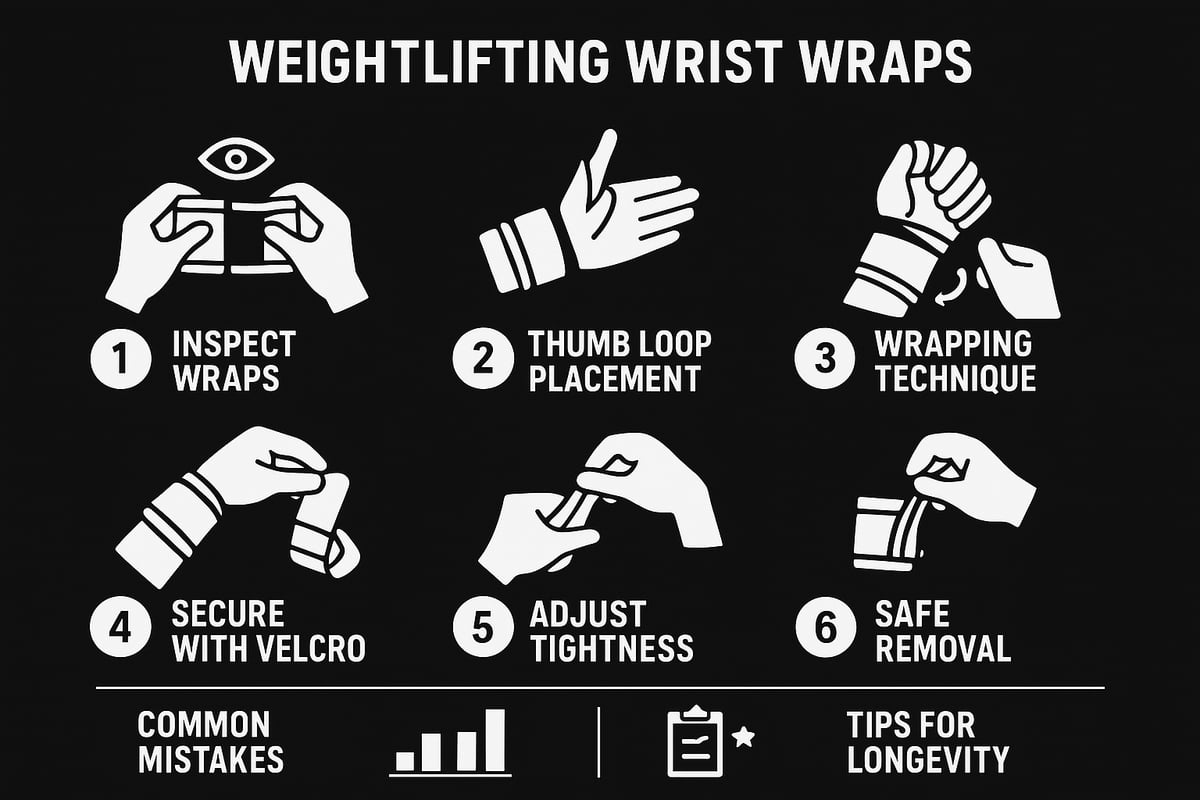
Before you start any lift, take a moment to inspect your weightlifting wrist wraps. Look for signs of wear, fraying, or stretched-out Velcro. A well-maintained pair ensures proper support and safety.
Next, slide your thumb through the loop. The loop anchors the wrap, keeping it in place as you adjust. Align the edge of the wrap with the base of your palm, directly over the wrist joint. Proper alignment is crucial for stabilizing your wrist during pressing or overhead movements.
Here are common setup mistakes to avoid:
- Placing the wrap too high on the hand, which limits mobility
- Wrapping too loosely, reducing support
- Ignoring signs of worn-out material
Take the extra minute to set up your weightlifting wrist wraps properly, and you’ll feel a noticeable difference in stability and confidence during your lifts.
Wrapping Technique: Chronological Steps
Follow these chronological steps for a secure and comfortable fit:
- Insert your thumb into the loop, keeping the wrap flat and untwisted.
- Begin wrapping around the wrist, moving from the base of the palm down toward the forearm.
- Overlap each layer by about half the width of the wrap. This overlap maximizes joint support and distributes pressure evenly.
- After two to three full rotations, secure the end of the wrap with the Velcro or tie closure.
- Adjust the tightness. The wrap should feel snug but not cut off circulation. You should be able to move your fingers freely without pain or tingling.
Many lifters find that using weightlifting wrist wraps with reinforced thumb loops and high-quality Velcro makes the process easier and more reliable. Take a moment to flex your wrist and check for excessive movement. If your wrist feels stable but not numb, you’ve nailed the technique.
When and How to Remove Wraps Safely
Knowing when to remove your weightlifting wrist wraps is just as important as putting them on. Most athletes take wraps off between sets to allow circulation and reduce skin irritation. If you’re training at high intensity, you might keep them on for a full session, but always check for signs of numbness or discomfort.
To remove, simply undo the Velcro or untie the closure, then gently slide the wrap off your wrist. Avoid yanking or pulling aggressively, which can stretch out the fabric or thumb loop. After your session, hang your wraps to dry and air out sweat. Regular cleaning helps maintain elasticity and prevents odor buildup.
For those competing or training with strict standards, make sure your removal and reapplication technique aligns with IWF Rules on Wrist Wraps, especially if you train for Olympic weightlifting events.
Troubleshooting Common Issues
Sometimes, even experienced lifters run into problems with their weightlifting wrist wraps. Here are some quick fixes:
- If you feel numbness or tingling, loosen the wrap slightly to restore circulation.
- For wraps that slip or loosen during sets, check the Velcro for debris or wear, and clean it as needed.
- If the thumb loop stretches out, reinforce it with a small stitch or rotate between pairs to prevent overuse.
- For small or large wrists, experiment with different lengths or brands to get the best fit.
Common Issues Table
| Issue | Solution |
|---|---|
| Discomfort/numbness | Loosen wrap, check alignment |
| Velcro wear | Clean Velcro, replace if needed |
| Slipping during sets | Adjust tension, inspect for wear |
| Fraying or damage | Repair minor issues or replace wraps |
Remember, replacing your weightlifting wrist wraps every couple of years, or when support declines, keeps your training safe and effective. Proper care and troubleshooting extend the life of your gear and ensure reliable performance.
Latest Innovations and Trends in Wrist Wraps for 2026
The world of weightlifting wrist wraps is rapidly evolving, with 2026 bringing a wave of groundbreaking innovations. Whether you are a competitive athlete or a dedicated gym enthusiast, staying updated on the latest trends ensures you get the most out of your weightlifting wrist wraps.
Advances in Materials and Construction
The latest weightlifting wrist wraps feature hybrid fabrics that blend high-strength nylon with breathable cotton for enhanced comfort and durability. Triple-stitched Velcro closures, now standard among premium brands, ensure wraps stay secure even during heavy lifts.
Industrial-grade thread increases longevity, while eco-friendly materials are becoming more common. Many brands now use recycled fibers and non-toxic dyes, reflecting a commitment to both performance and sustainability.
These material upgrades mean weightlifting wrist wraps last longer, feel better, and provide consistent support through countless training sessions.
Ergonomic and Customizable Designs
Designers are focusing on ergonomics, creating weightlifting wrist wraps that adapt to every wrist shape and training style. 3D logo patches and sleek, minimal branding add a touch of style.
Colorways and limited editions let lifters express their personality on the platform. Adjustable tension systems allow for quick changes in support, catering to dynamic workouts.
Personalization is not just about looks, it also means better fit and greater satisfaction with every set. The result is weightlifting wrist wraps that are as unique as each athlete.
Data-Driven and Smart Wrist Wraps
Technology is changing the game for weightlifting wrist wraps. Some of the latest models feature integrated sensors that track tension, usage, and wear patterns, helping athletes avoid overuse injuries.
A recent Biomechanical Monitoring in Weightlifting study explored wrist braces with embedded sensors, showing how real-time data can optimize training and recovery. These smart wraps are ideal for tech-savvy lifters who want precise feedback.
Early adopters report improved confidence and measurable performance gains, making smart weightlifting wrist wraps an exciting trend for 2026.
Community-Driven Product Development
Athlete feedback is at the heart of new weightlifting wrist wraps. Leading brands actively seek testimonials and ratings, often boasting 4.9/5 averages, to guide design improvements.
Crowdsourced development means lifters see their suggestions reflected in new products. Social media trends and influencer endorsements play a big role in shaping what features and colors become popular.
This collaborative approach keeps the evolution of weightlifting wrist wraps closely aligned with the real needs of the lifting community.
Sustainability and Longevity
Sustainability is a growing priority in the world of weightlifting wrist wraps. Premium wraps now come with 2+ year guarantees, reassuring buyers about durability.
Recyclable packaging and eco-conscious materials are standard among top brands. Lifters are increasingly considering cost-per-use, realizing that investing in high-quality weightlifting wrist wraps pays off with better performance and less waste.
These trends mean you can lift with confidence, knowing your gear is built to last and kinder to the planet.
Care, Maintenance, and Longevity Tips
Keeping your weightlifting wrist wraps in top condition is essential for performance, hygiene, and value. With a few simple habits, you can extend the lifespan of your wraps and keep them fresh set after set.
Cleaning and Hygiene Best Practices
Regular cleaning keeps weightlifting wrist wraps fresh and bacteria-free. Most brands recommend hand-washing for best results. Use mild detergent and cool water, gently scrubbing away sweat and dirt.
If you prefer machine-washing, place the wraps in a mesh laundry bag to prevent stretching or Velcro damage. Always avoid bleach and fabric softeners, as these can break down elastic fibers.
After washing, air-dry your weightlifting wrist wraps flat or hang them in a well-ventilated area. Never use a dryer, as high heat can damage the material and reduce support. Consistent cleaning not only prevents odor but also protects your skin from irritation caused by sweat buildup.
Storing Your Wrist Wraps
Proper storage helps maintain the shape and elasticity of weightlifting wrist wraps. After each session, make sure your wraps are completely dry before storing them. Damp wraps can breed bacteria and develop unpleasant odors.
Roll or fold your wraps loosely to avoid creases or stretching. Store them in a dedicated gym bag pocket or a small pouch to keep them separate from dirty shoes or wet towels. This prevents unnecessary wear and keeps them easy to find.
If you travel often, consider a lightweight case to protect your wraps from being squashed or tangled with other gear. Keeping weightlifting wrist wraps organized extends their life and ensures they are always ready for your next workout.
Extending the Life of Your Wrist Wraps
To get the most out of your weightlifting wrist wraps, rotate between two pairs if you train frequently. This allows each pair to fully dry and recover their elasticity between sessions.
Inspect your wraps regularly for signs of wear, including fraying edges, stretched-out elastic, or Velcro that no longer sticks. If you notice minor issues like loose threads, carefully trim or repair them before they worsen.
Avoid over-tightening wraps, which can strain the materials and reduce their lifespan. By caring for your weightlifting wrist wraps and using them as intended, you can enjoy consistent support for years.
When to Replace Your Wrist Wraps
Even with the best care, weightlifting wrist wraps will eventually need replacing. Most high-quality wraps last two years or more with regular use. Replace your wraps if you notice a loss of support, visible tears, or persistent Velcro failure.
User reviews often report high satisfaction and longevity, but trusting your own feel is key. Fresh wraps mean better performance and safety every time you train.
Frequently Asked Questions About Weightlifting Wrist Wraps
Curious about weightlifting wrist wraps and how they fit into your training? Here you'll find answers to the most common questions lifters have, whether you're a beginner or a seasoned athlete.
Are Wrist Wraps Allowed in Competitions?
Yes, weightlifting wrist wraps are permitted in most major competitions, but rules do apply. The International Powerlifting Federation (IPF) and International Weightlifting Federation (IWF) have strict guidelines on length, material, and sometimes even color. For the latest regulations, check the IPF Technical Rules Book 2026. Always verify with your federation before meet day.
Do Wrist Wraps Weaken Your Wrists Over Time?
This is a common myth. Using weightlifting wrist wraps for heavy or maximal lifts does not inherently weaken your wrists. In fact, wraps provide support when you need it most. To maintain wrist strength, train without wraps during warm-ups and accessory work. This way, you get the best of both worlds: strong wrists and protected joints.
Can Beginners Use Wrist Wraps?
Absolutely, beginners can benefit from weightlifting wrist wraps, especially if experiencing wrist discomfort or instability. However, it's important not to rely on them for every set. Most coaches suggest using wraps only for heavier lifts, allowing your wrists to adapt and strengthen naturally during lighter training.
How Do I Know If My Wrist Wraps Are Too Tight?
If your hands tingle, go numb, turn pale, or you feel sharp pain, your weightlifting wrist wraps are too tight. The right tension offers support but does not cut off circulation. Loosen the wraps until you maintain full hand mobility and comfort while still feeling stable under load.
What’s the Difference Between Wrist Wraps and Lifting Straps?
Wrist wraps and lifting straps serve different purposes. Weightlifting wrist wraps stabilize the wrist joint during pressing movements. Lifting straps, on the other hand, help with grip during pulling exercises like deadlifts. For more detail on choosing wrist straps, see Choosing the Right Wrist Straps.
How Do I Choose the Right Length and Stiffness?
Match your weightlifting wrist wraps to your training style. Longer, stiffer wraps suit powerlifters who need max support, while shorter, flexible wraps are ideal for Olympic lifters requiring quick adjustments. Check brand sizing guides and try a few lengths to see what feels best for your lifts.
Can I Wash My Wrist Wraps?
Yes, you can wash weightlifting wrist wraps. Most brands recommend hand-washing in cold water and air drying to maintain elasticity and Velcro strength. Avoid high heat or harsh detergents, as these can break down materials and reduce the lifespan of your wraps.
Now that you know all the ins and outs of weightlifting wrist wraps for 2026, it’s the perfect time to put that knowledge into action. Whether you’re aiming to boost your performance, keep your wrists healthy, or just want gear that actually lasts, having the right wraps can make all the difference. At Katamu, you’ll find premium wrist wraps and accessories built for everyday lifters like us—designed to look great and stand up to years of tough sessions. Ready to support your lifts and train with confidence? Support your lifts
